





 Portuguese
  English
  Spanish
  2 min of reading
  0 comments


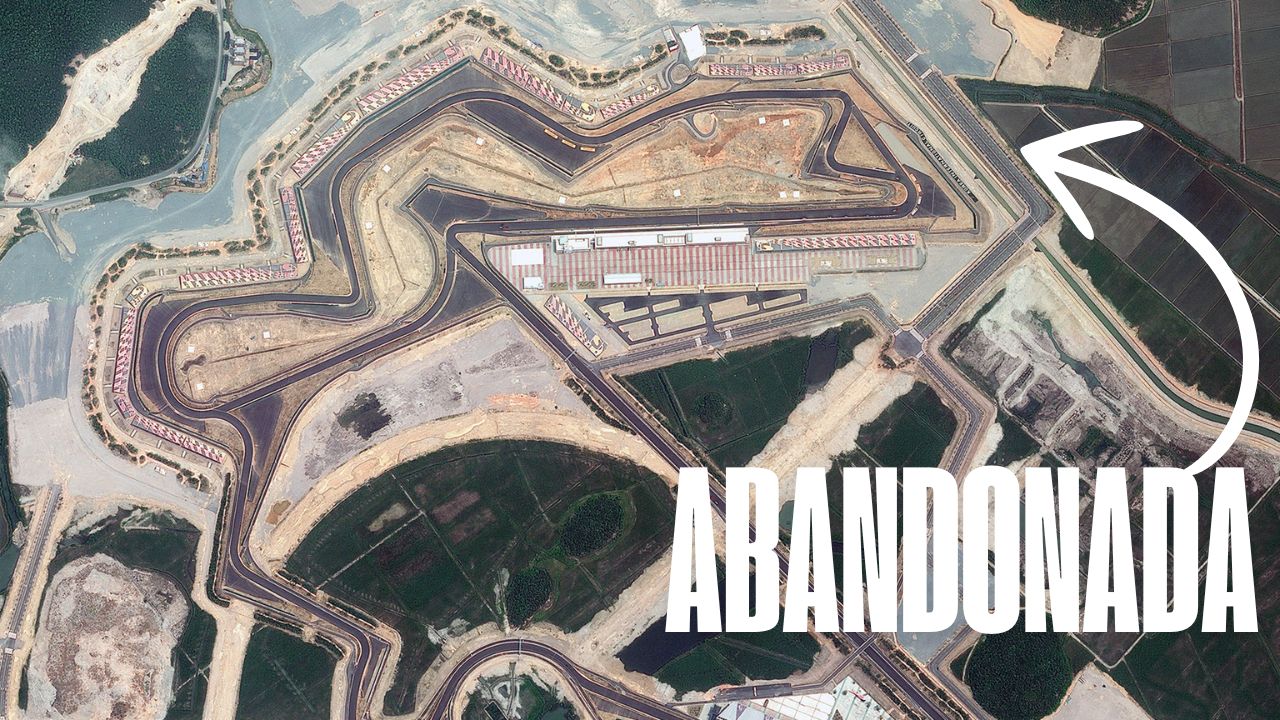
Built To Put The Country On The Map Of World Motorsport, The Korea International Circuit Fell Into Oblivion In The World Of Formula 1 And Is Now Just A Memory Of A Billion-Dollar Investment Without Return
The Abandoned Korea International Circuit, Located In Yeongam, Was Inaugurated In 2010 With High Expectations. Designed By The Famous Architect Hermann Tilke, The Track Aimed To Place South Korea On The Global Motorsport Scene. However, After Only Four Editions Of The Korean Grand Prix Formula 1, The Event Was Removed From The Category’s Calendar In 2014, And The Track Was Abandoned.
Currently, The Abandoned Korea International Circuit Features Empty Stands, Deteriorated Facilities, And A Track Overrun By Vegetation, Becoming A Classic Example Of How A Major Sports Investment Can Fail Without Sustainable Planning.
The Rise And Fall Of The Korea International Circuit In Formula 1
When South Korea Was Announced As The Host For A Formula 1 Race, The Project For The Yeongam International Circuit Was Received With Enthusiasm. The Track, 5.615 Km Long With A Challenging Layout, Was Built To Provide An Exciting Experience For Fans And Drivers.
-
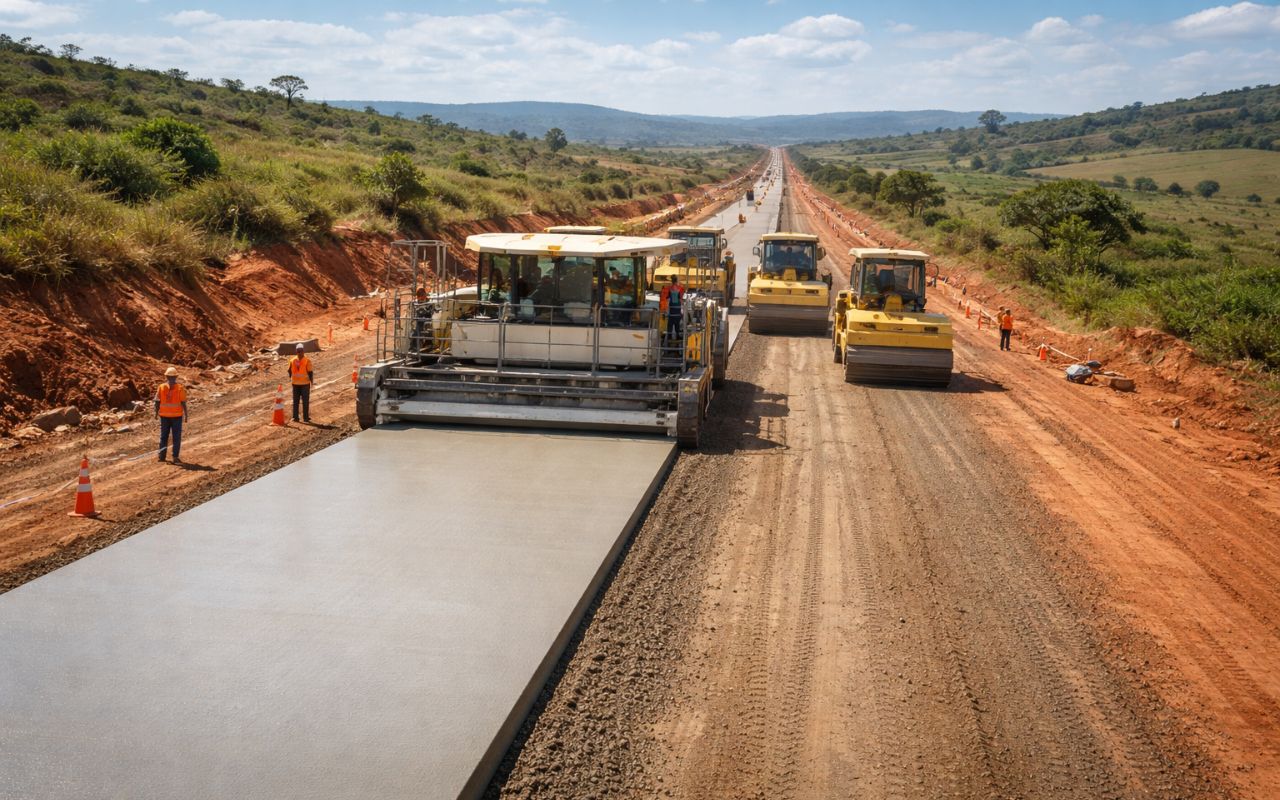
New CCR concrete paving technology promises roads up to 3x more durable, less maintenance, and cost reduction in Brazil.
-
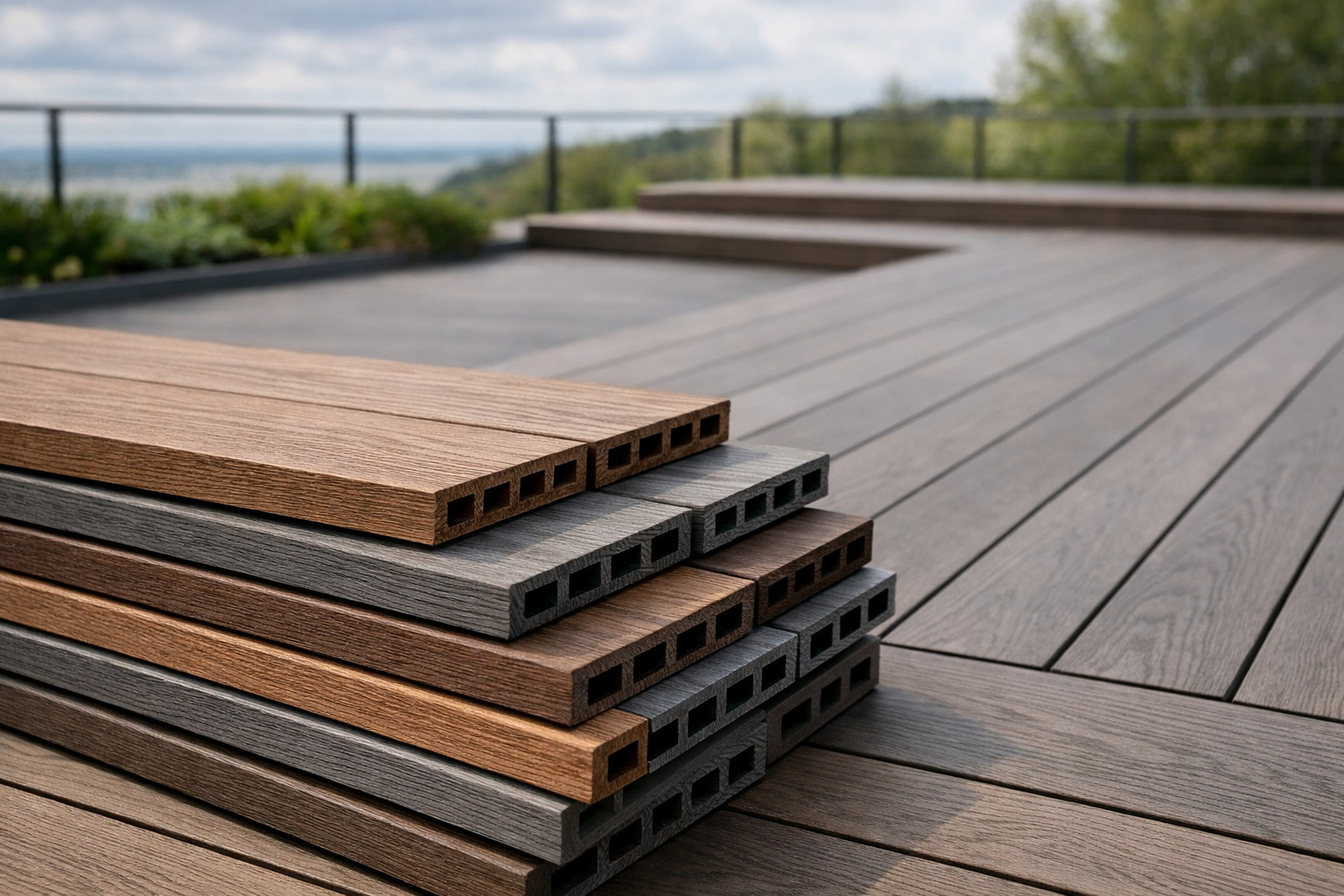
Made from recycled plastic, plastic wood is gaining space in the construction industry because it does not rot, resists moisture, and reduces maintenance costs over the years.
-
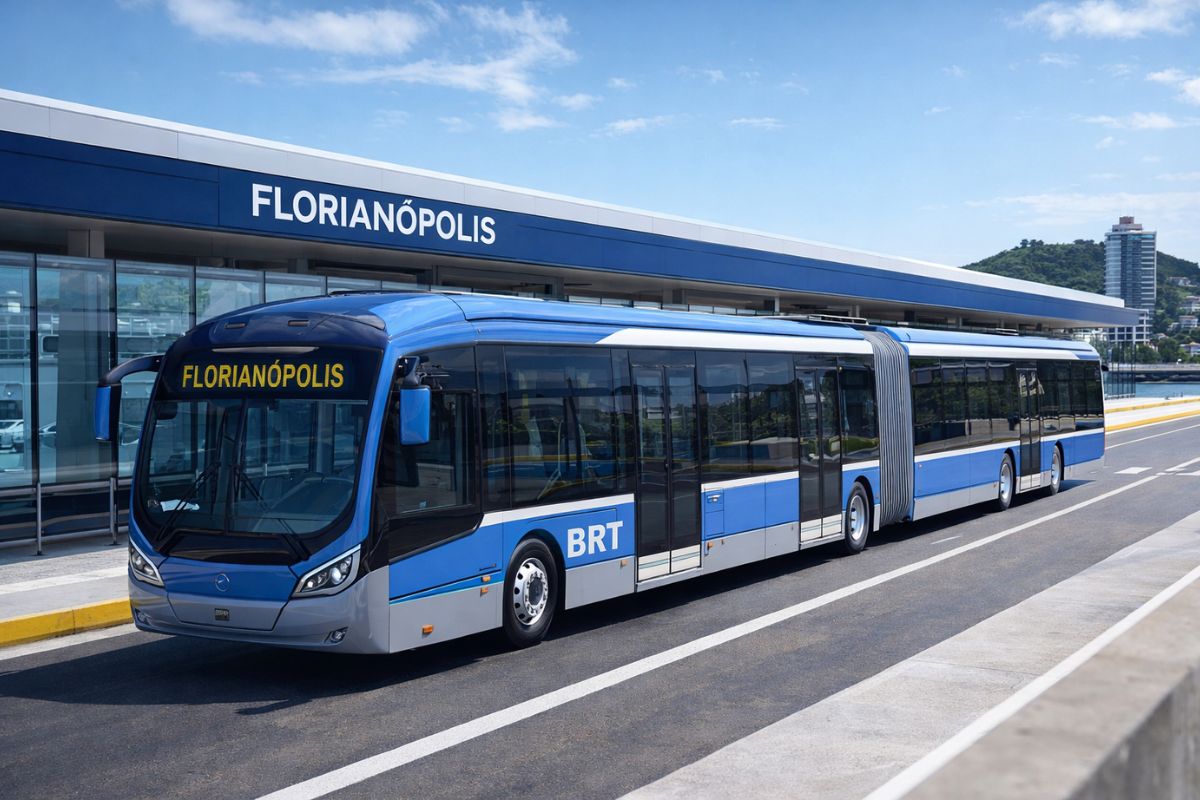
Florianópolis will receive a million-dollar BRT that will begin construction in 2026 with nearly 400 million in funding from the federal government and the Inter-American Development Bank, and the map already shows the routes for the exclusive bus corridors.
-
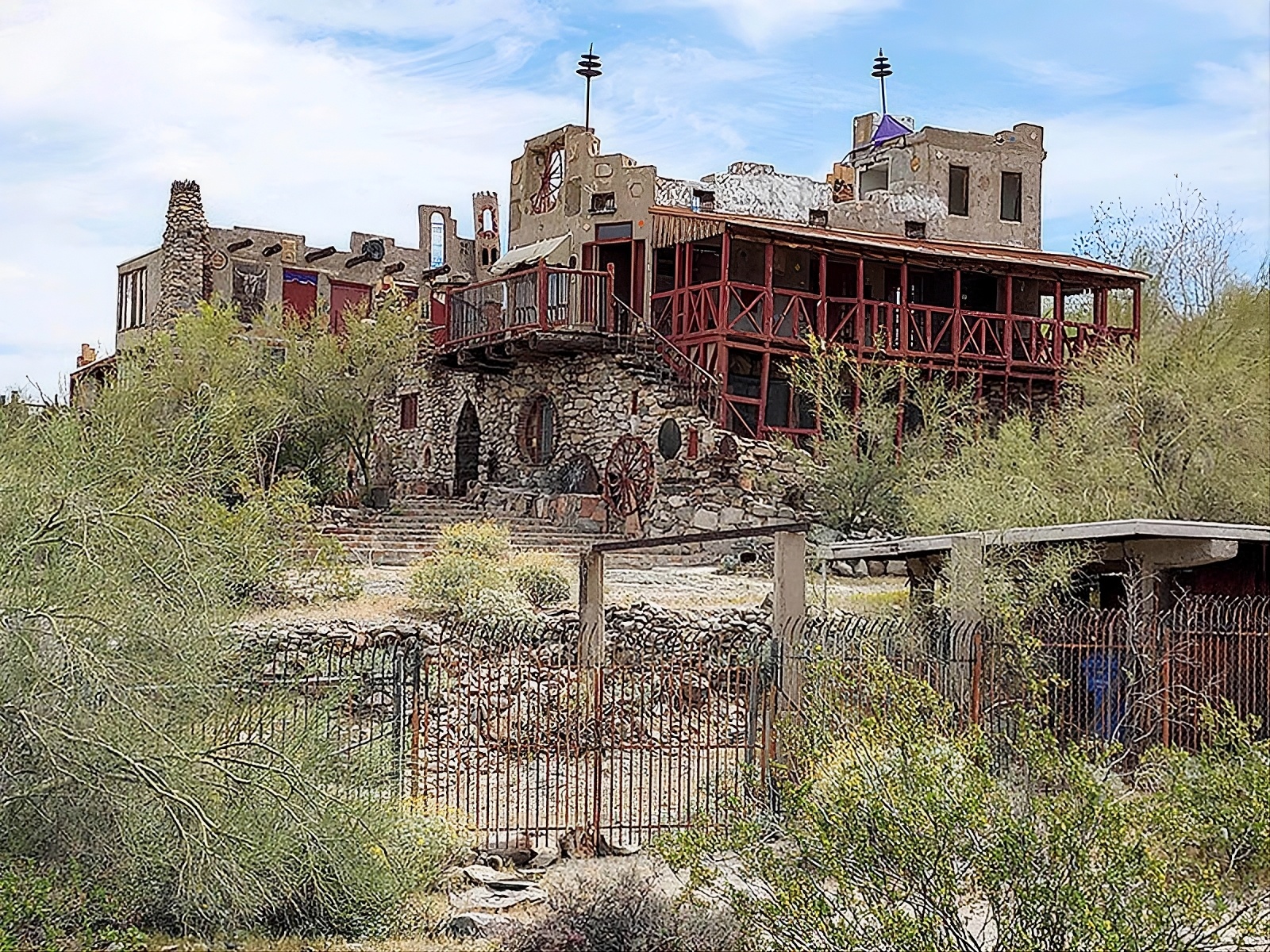
Without a blueprint, without an engineer, and using scrap from the dump, a father spends 15 years building an 18-room castle for his daughter, featuring tram tracks, 13 fireplaces, and over 700 m², which may now be demolished.

However, The Circuit Faced Problems From The Start:
- Remote Location: Yeongam Is Over 300 Km From Seoul, Driving Away The Public And Making It Difficult For International Fans To Access;
- Low Public Attendance: Despite The Motorsport Tradition In Asia, Formula 1 Has Never Been As Popular In South Korea As In Neighboring Countries Such As Japan And China;
- Financial Issues: The Cost Of Operating The Event Was High, And The Financial Returns Were Insufficient To Justify The Continuation Of The GP.
After The 2013 Grand Prix, South Korean Organizers Faced Difficulties In Maintaining The Event, And The Circuit Was Removed From The F1 Calendar In 2014. Since Then, The Track Has Remained Largely Abandoned.
What Is The Current State Of The Abandoned Korea International Circuit?


Today, The Abandoned Korea International Circuit Has Become An Overlooked Structure In The World Of Formula 1. Recent Videos And Images Show Rusty Stands, Deteriorated Pit Stop Areas, And Sections Of Asphalt Covered By Vegetation. Some Attempts Have Been Made To Repurpose The Space, Such As Local Racing Events And Driving Trainings, But Nothing Significant Has Been Accomplished.
The Situation Of The Circuit Reflects The Risk Of Major Sports Investments Without A Sustainable Foundation, Showing That It Is Not Enough To Build A Modern Infrastructure Without Ensuring A Loyal Audience And Adequate Financial Returns.









Seja o primeiro a reagir!