





 Portuguese
  English
  Spanish
  2 min of reading
  0 comments


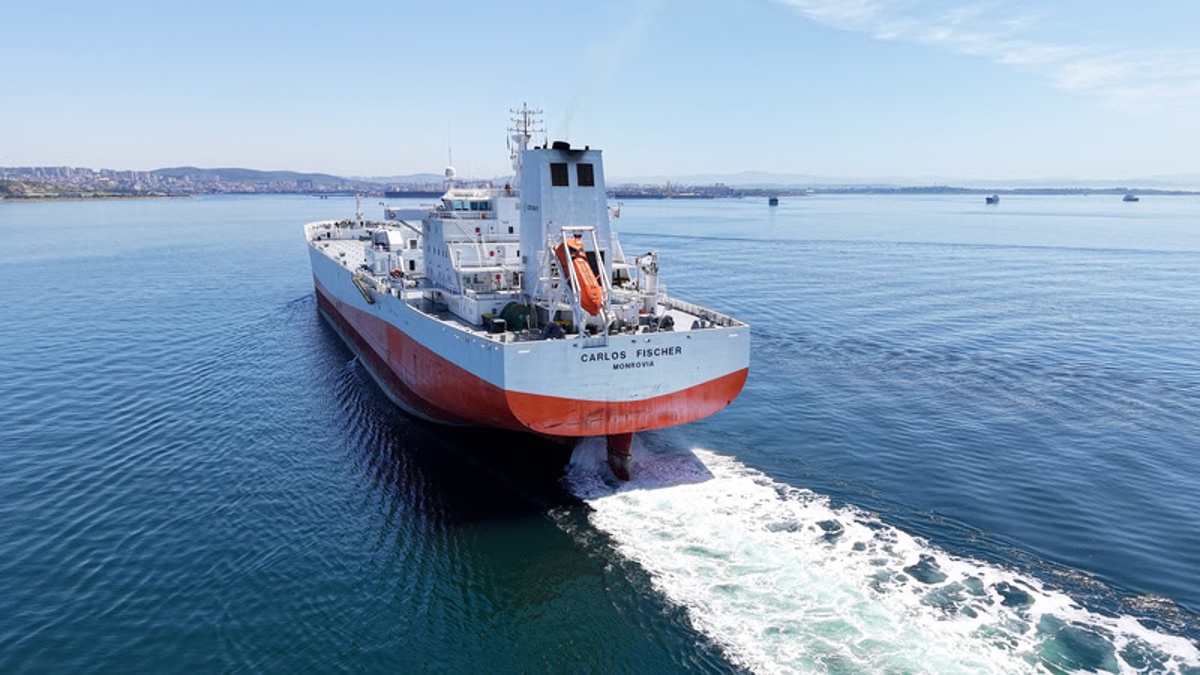
Citrosuco Starts Journey with Renewable Fuel in Santos
Citrosuco launched, on August 26, 2025, the first international voyage of the ship MV Carlos Fischer.
The vessel uses B24 biodiesel, representing a sustainable advancement for maritime transport.
Carlos Fischer Ship Debuts Sustainable Technology
The MV Carlos Fischer is 205 meters long and 32 meters wide.
The ship was updated in Tuzla, Turkey, before docking in Santos (SP).
With the capacity to transport 32,000 tons of orange juice, the vessel received 500 tons of B24 biodiesel.
This fuel can reduce emissions by up to 20%, according to international standards.
-
Brazil accelerates hydrogen and biofuel projects to consolidate the fuel of the future and reduce dependence on oil by 2026.
-
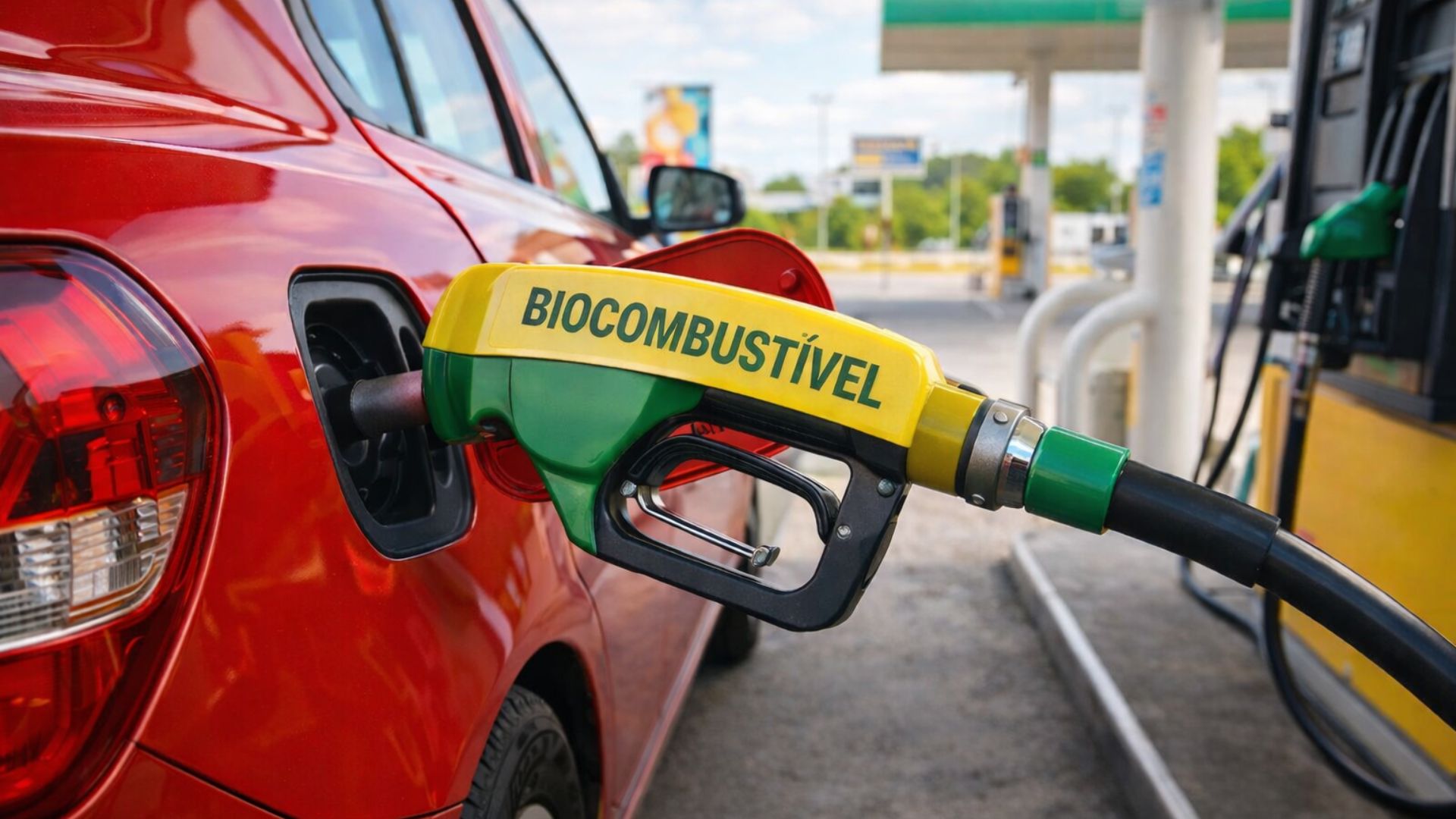
CNPE strengthens policy and prevents imported biodiesel from being mixed with diesel, aiming to strengthen the Brazilian industry and protect jobs by reducing external dependence amid tensions in the global market.
-
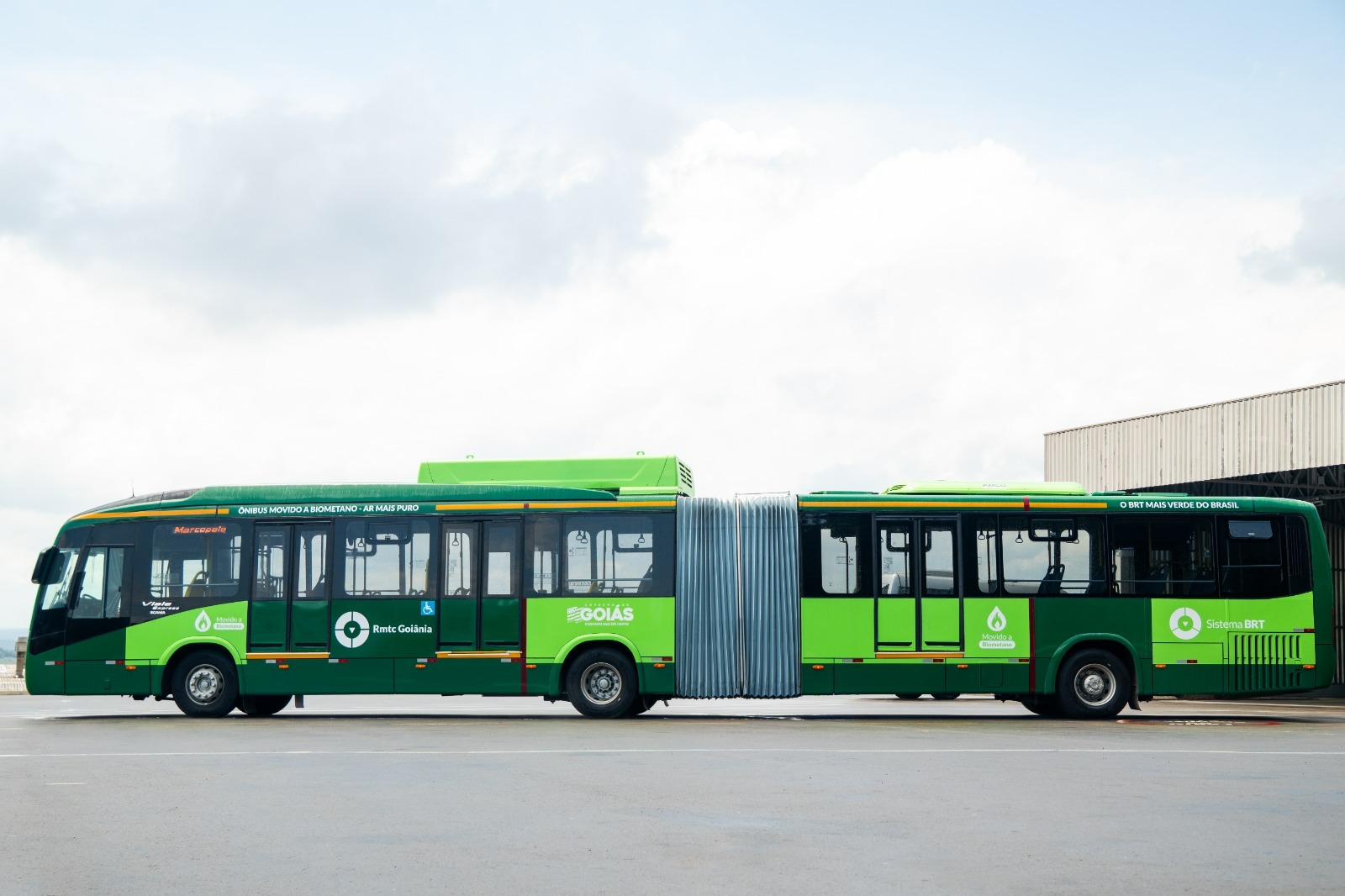
Revolution in public transport: Goiânia puts into circulation the first articulated buses powered by biomethane in Brazil and promises to drastically reduce pollution on the Anhanguera Corridor.
-
From the field to the pipelines: Mato Grosso do Sul accelerates the energy transition and consolidates a new axis in renewable energy with the arrival of a giant biogas plant.
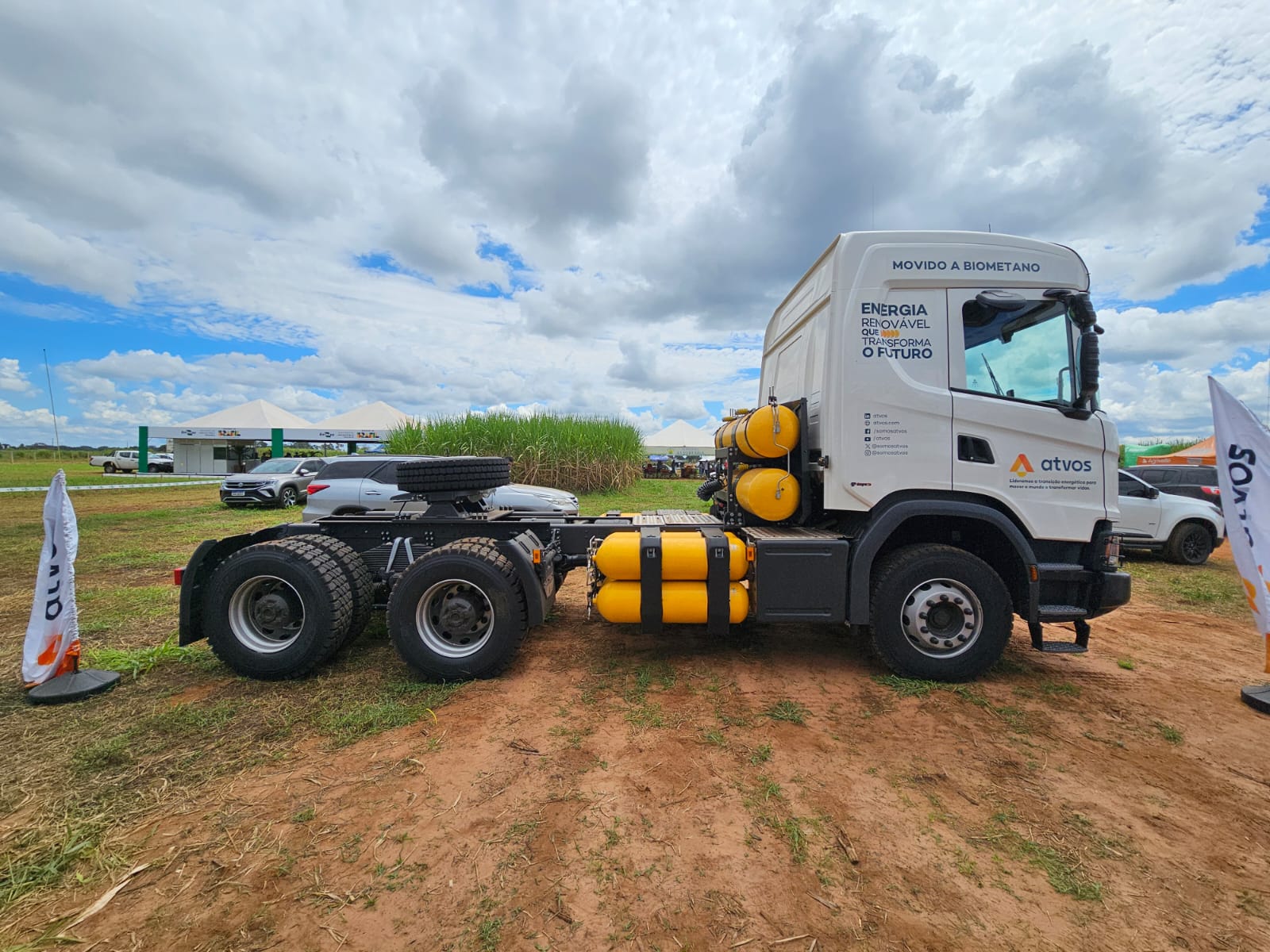
The biofuel complies with IMO 2030 and 2050, in addition to meeting CII and EEXI indicators.
These requirements ensure greater energy efficiency and carbon reduction in navigation.
Environmental Commitment and International Goals
According to Karen Lopes, General Manager of Marine Operations and Terminals, the action reinforces the goals of the Science Based Target Initiative (SBTI).
The company’s goal is to reduce emissions by 28% by 2030 in scopes 1 and 2.
After this inaugural voyage, Citrosuco plans to gradually expand the use of biodiesel.
The goal is to include the fuel on all five of its own ships and also on the contracted charter.
Global Decarbonization Projects
Sustainability is essential in Citrosuco’s operations and is part of the ESG Commitments 2030.
The company maintains an A- rating in CDP and Gold Seal in GHG Protocol, with audited inventories for over ten years.
One recent project was the energy transition of the Ghent terminal in Belgium.
The facility, the second largest port terminal of Citrosuco, began operating with 100% certified renewable energy.
As stated by Orlando Nastri, Head of ESG, the company works to decarbonize the entire juice supply chain.
The objective is to ensure global competitiveness and support the transition to a low-carbon economy.
Citrosuco Reinforces Leadership in the Juice Sector
Internationally recognized, Citrosuco produces and exports natural and sustainable foods. Furthermore, it constantly seeks to combine integrity, innovation, and efficiency in all its operations.
Thus, the adoption of biodiesel reinforces its global leadership as one of the largest orange juice producers. This step also reaffirms its environmental commitment.
At the same time, the initiative demonstrates a focus on technological innovation, which further strengthens the company’s sustainable image in the international market.
Consequently, this movement integrates carbon reduction, increased international competitiveness, and a consolidated social and environmental responsibility model.
In this way, Citrosuco confirms its prominent position as a global reference in sustainability in navigation, reaffirming its commitment to the future of the planet.








Seja o primeiro a reagir!