





 Portuguese
  English
  Spanish
  3 min of reading


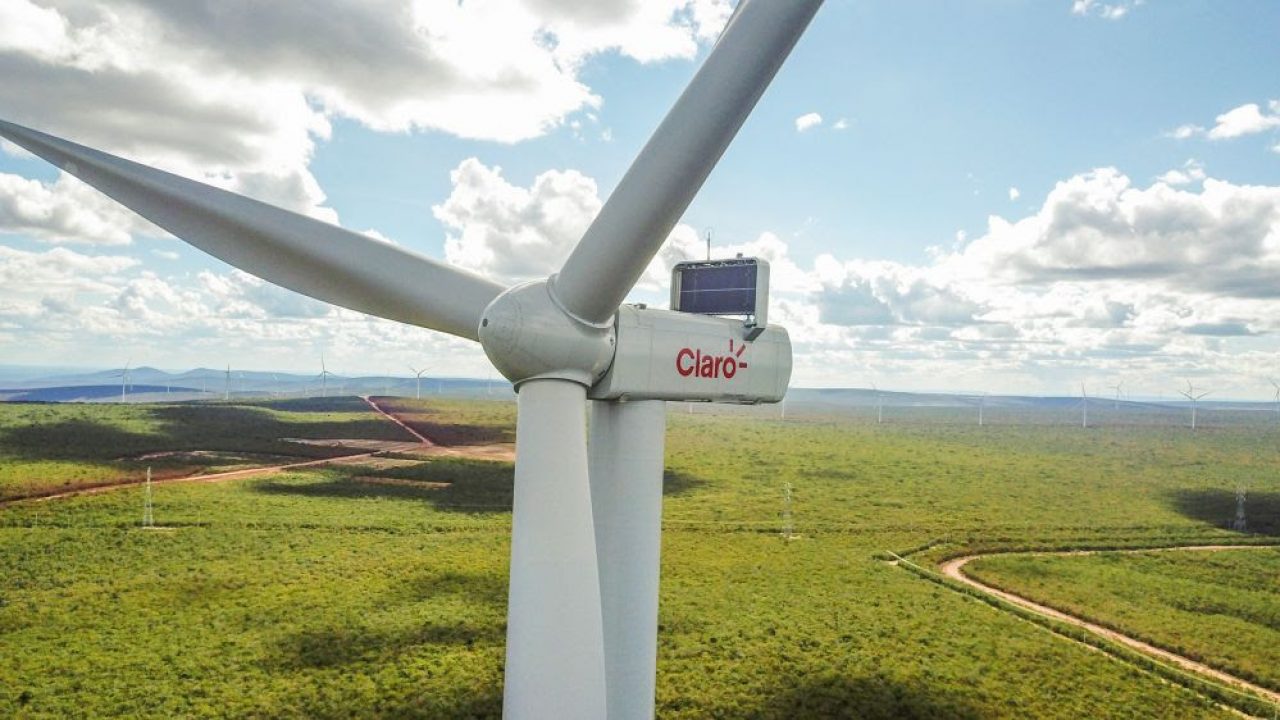
The Search for Investment in Renewable Energy Affects Various Industry Sectors. One of Them is Telephony, Which Due to Its High Presence in Consumers’ Lives, Needs to Find Ways to Align with Natural and Sustainable Causes. Thus, Claro Decided to Lead the Way and Now Has Antennas Focused on Sustainable Development.
Currently, Claro has at least seven Brazilian states, in addition to the federal capital, where more than 50% of the antennas are powered by renewable energy, according to data provided by the company itself. Today, some highlights are in Bahia, Minas Gerais, and Mato Grosso.
The data was disclosed last Friday, the 23rd, by Claro’s Infrastructure Director, Hamilton Silva. The revelations were made during the InovaTIC event. Regarding the city of Brasília, 99% of the antennas are already being powered by renewable energy, according to the executive’s data.
In this regard, the cities that are focused on antennas represent Brasília (99%), Bahia (98%), Mato Grosso (98%), Minas Gerais (97%), Pernambuco (92%), Mato Grosso do Sul (91%), Goiás (87%), and Sergipe (64%). Thus, Claro is at the forefront and demonstrates its concern with sustainable practices to maintain its offerings.
-
Researchers discover a possible hydrogen deposit of up to 46 million tons beneath an ancient coal basin, and the volume could exceed half of the entire global production.

-
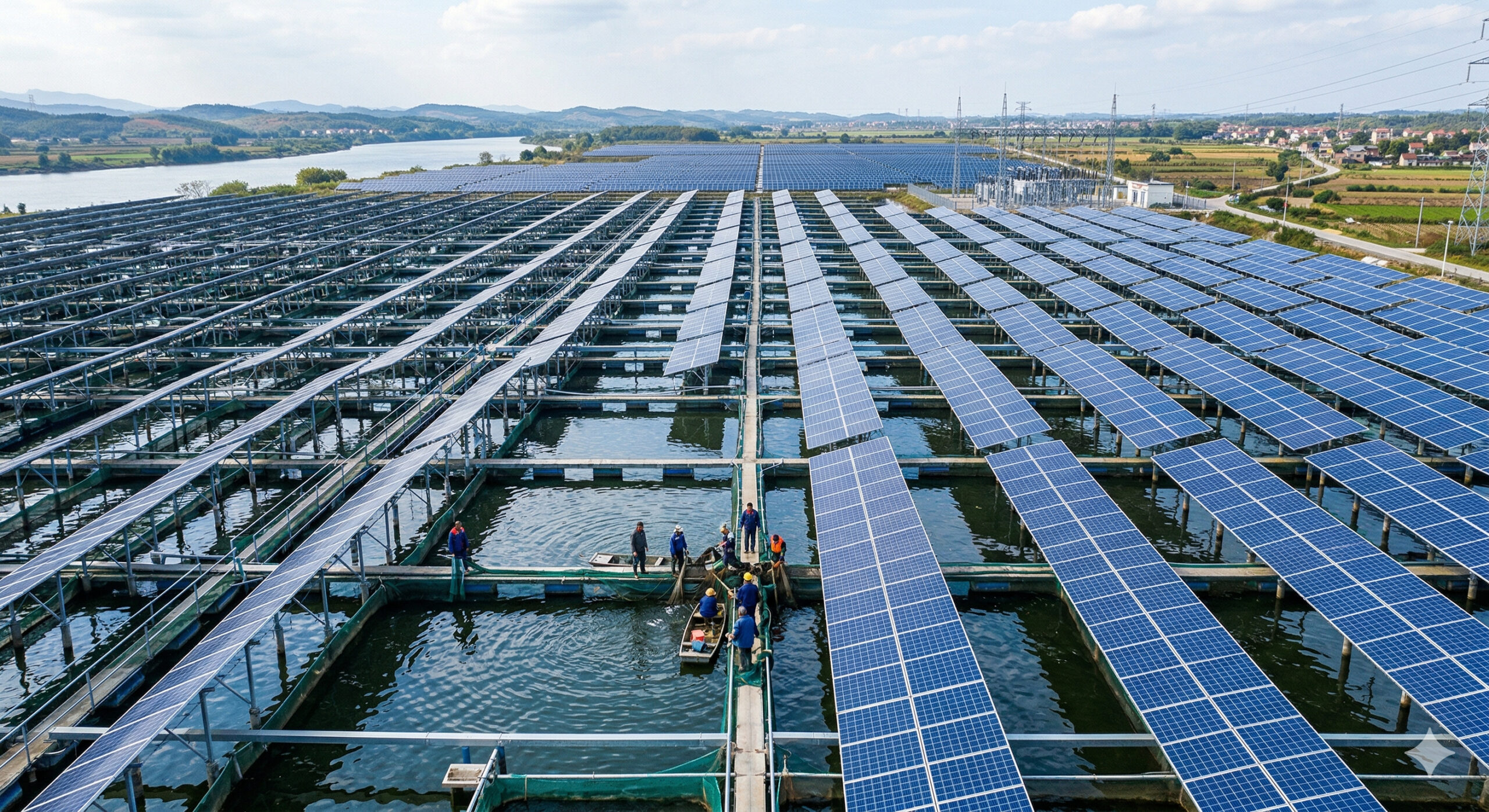
China bets on the Fishery-PV model and transforms fish farms into giant solar plants, covering ponds with panels that generate energy while utilizing the same space for large-scale aquaculture production.
-
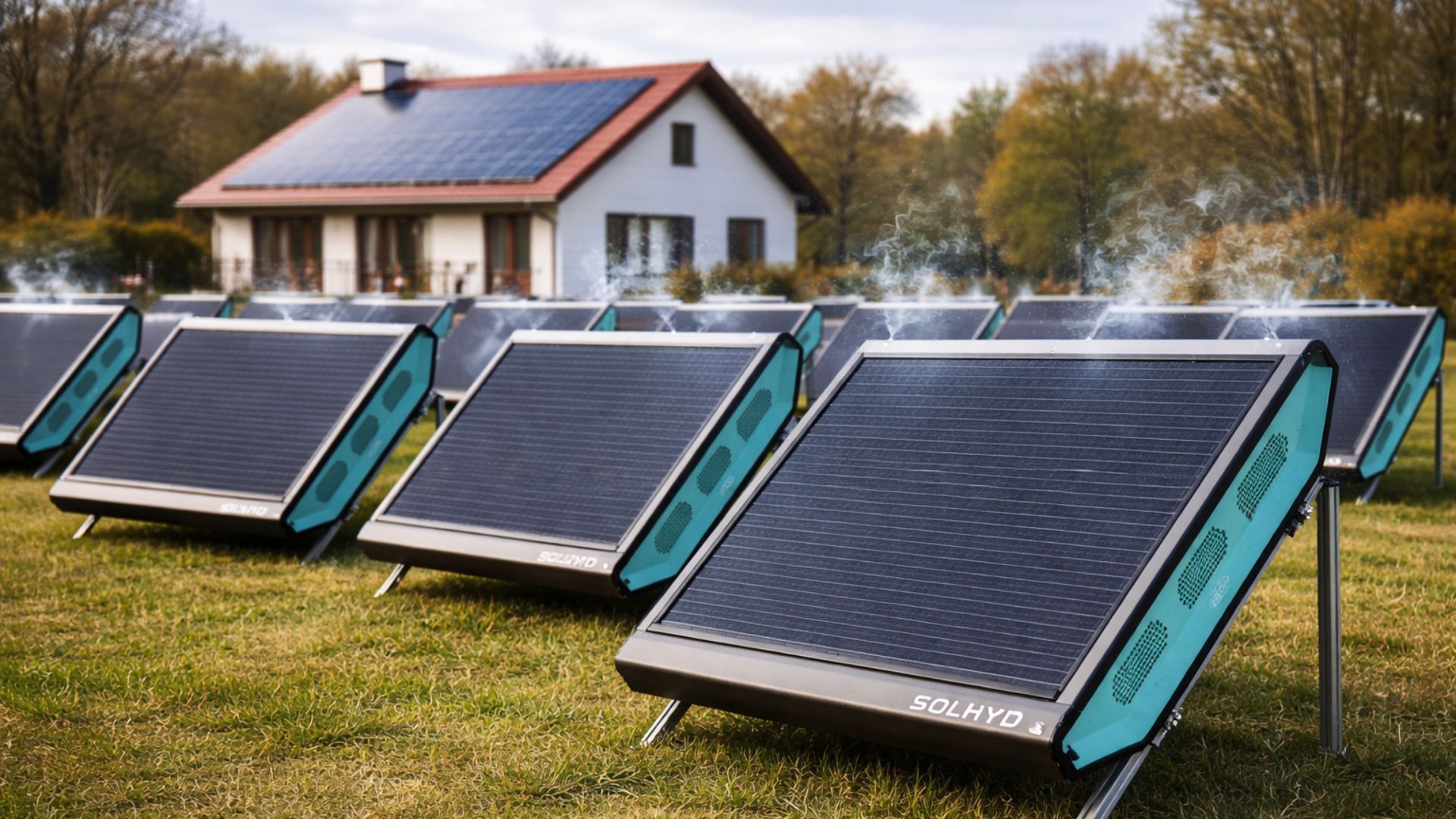
Green hydrogen at home: Belgium launches new technology that makes solar panels produce fuel from the moisture in the air, which could boost the energy transition.
-
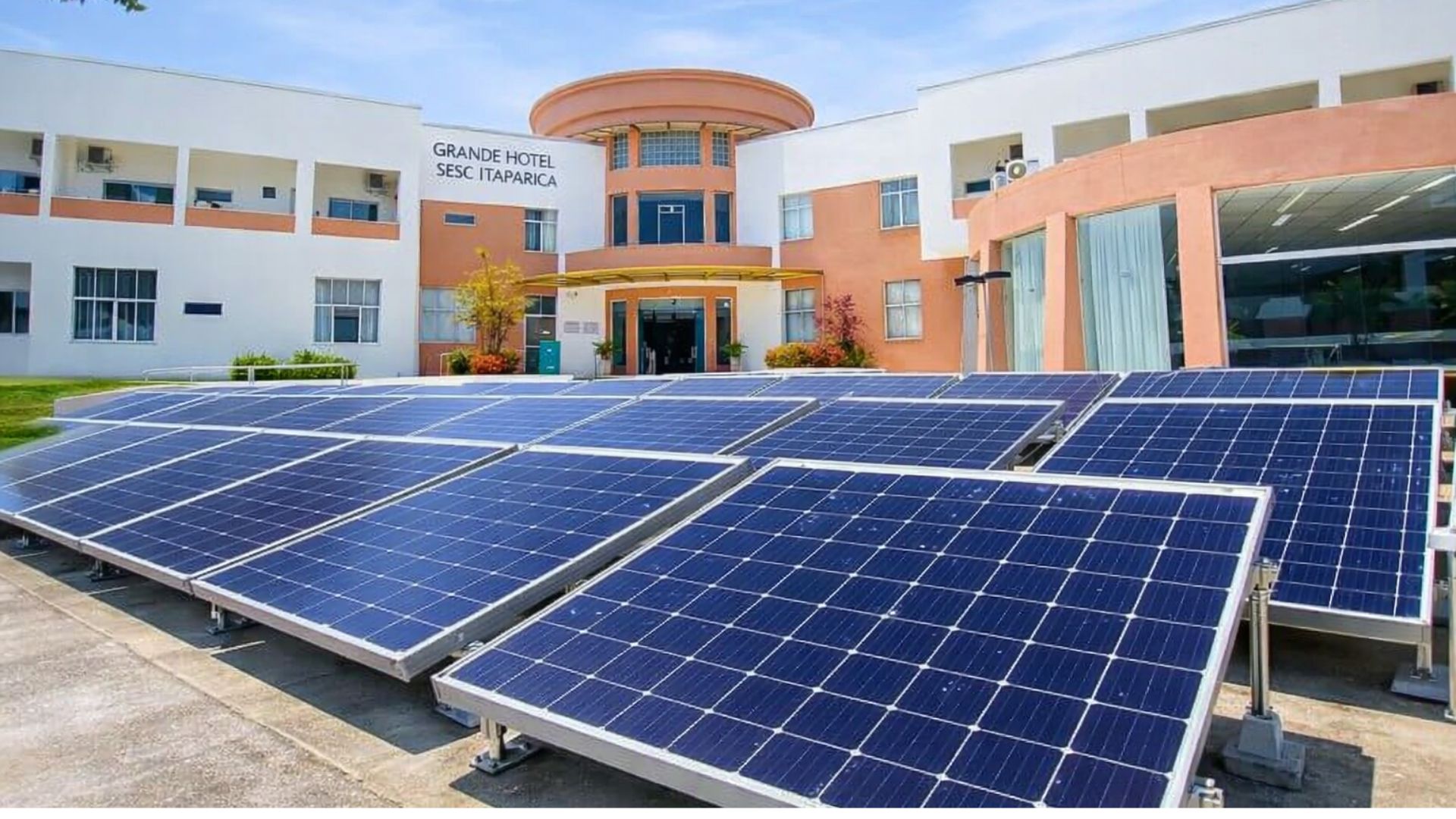
Sesc-BA bets on renewable energy with the support of EDP and drives the energy transition with a direct impact on cost reduction and the sustainability of its operations in Bahia.

Renewable Energy is Already on the Agenda at Claro
Last year, Claro reported energy consumption with only 32% coming from traditional grids. At the same time, 28% was obtained from the free energy market and other independent producers. In parallel, 40% of the consumption was part of the company’s Distributed Generation (GD) program.
Currently, the company has more than 70 plants working to generate renewable energy for its own consumption. Thus, about 50 are solar facilities, but there is also room for six hydroelectric plants, two biogas plants, and one wind generation plant. In this way, Claro positions itself in the market as a company that focuses its activities on sustainable products based on renewable energy. According to Silva, in a statement during an event promoted by Tele.Síntese, the company’s intention is to reach 103 plants in 2023.
Energy Matrix of Claro
The strategy of using renewable energy integrates another action from the parent company, América Móvil. The estimate is that only the actions from the Brazilian operation will be able to reduce AMX’s CO2 emissions by 20%, with a forecast for this to occur by 2025. Last year, Claro stated that it had avoided emitting 254,000 tons of CO2 through environmental initiatives, which also include renewable energy consumption. For 2022, the company aims to prevent the emission of 349,800 tons of CO2, and 445,000 tons should be avoided next year.
Today, América Móvil has a mission to reduce pollutant gas emissions by 52% by 2030, targeting scopes 1 and 2 – direct emissions and those related to purchased electricity – while in scope 3, which includes indirect emissions across the entire value chain, the company aims for a reduction of 14%.








Seja o primeiro a reagir!