





 Portuguese
  English
  Spanish
  3 min of reading
  3 comments


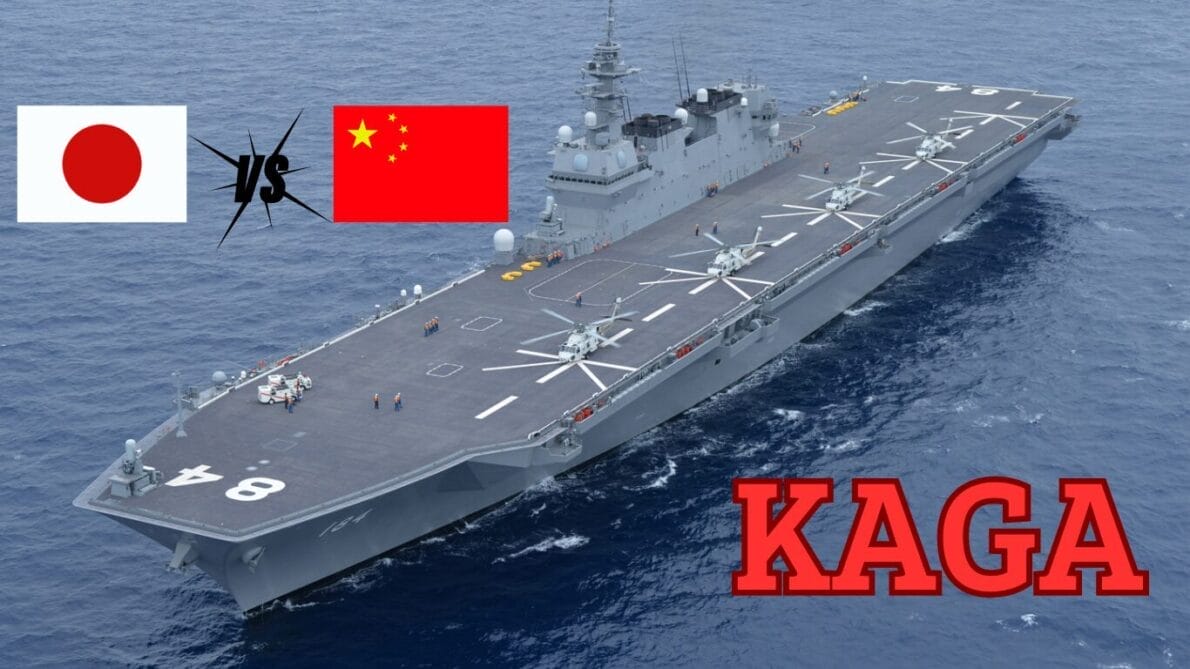

The Awakening of Japanese Maritime Power
According to realidademilitar, amid the growing climate of tension in the East China Sea, Japan has been preparing for a possible confrontation. The transformation of assault ships into modern aircraft carriers, capable of launching short-takeoff aircraft, is a clear sign of Japan’s military strengthening. This strategic maneuver not only reflects Japan’s defensive capability but also serves as a reminder that military alliances with powers such as the United States and the United Kingdom are stronger than ever.
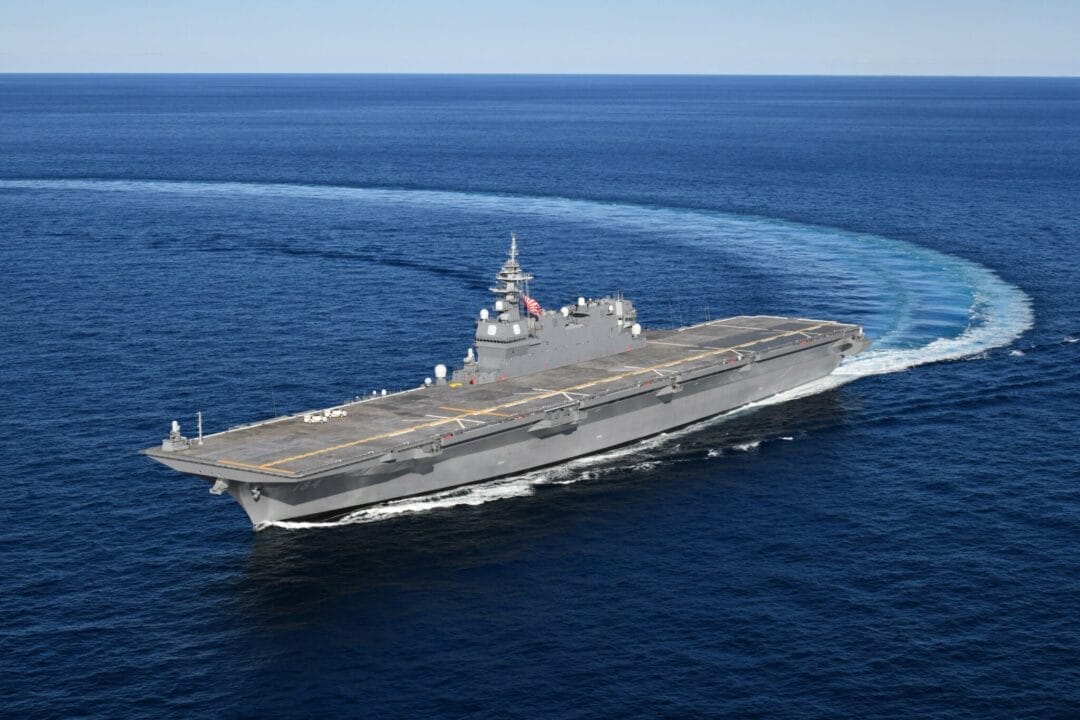
The “Kaga”, a symbol of the modernization of the Japanese Army, is the result of significant collaboration with the United States. This aircraft carrier, marking a new chapter in Japan’s maritime defense, has been adapted to operate advanced F-35B fighters. With this, Japan reaffirms its strategic position in the Indo-Pacific while China closely watches this naval power expansion. Thus, the Kaga is not just a vessel; it is a key pawn in the region’s geopolitical chess, where each move can alter the balance of power among nations.
Strategic Alliances and the American Presence
Moreover, the presence of an American carrier fleet, the largest and most advanced in the world, is a crucial factor in this equation. The cooperation between the Japanese Army and American forces not only strengthens regional security but also sends a direct message to China about the seriousness of the Japan-American alliance.
-
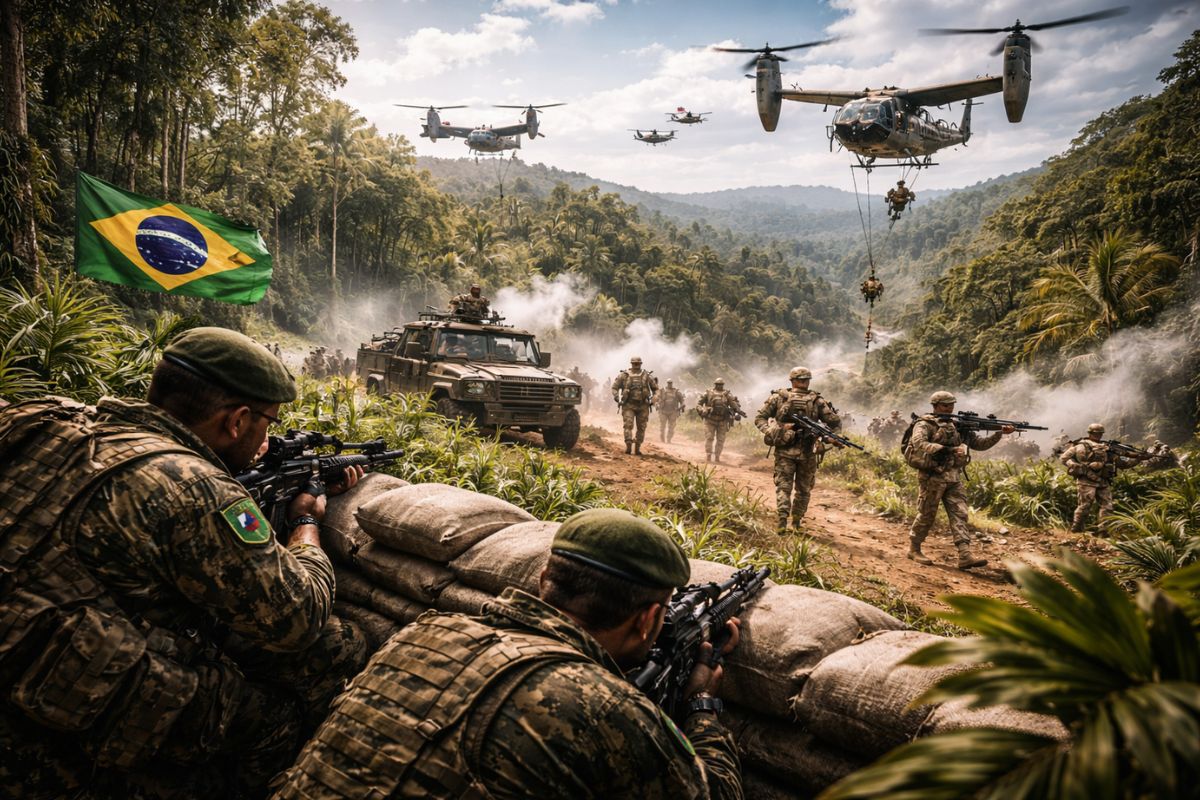
If the USA were to go to war with Brazil, Washington’s greatest fear would not be the attack itself, but facing a vast territory, prolonged resistance, and a costly, chaotic, and unpredictable occupation.
-
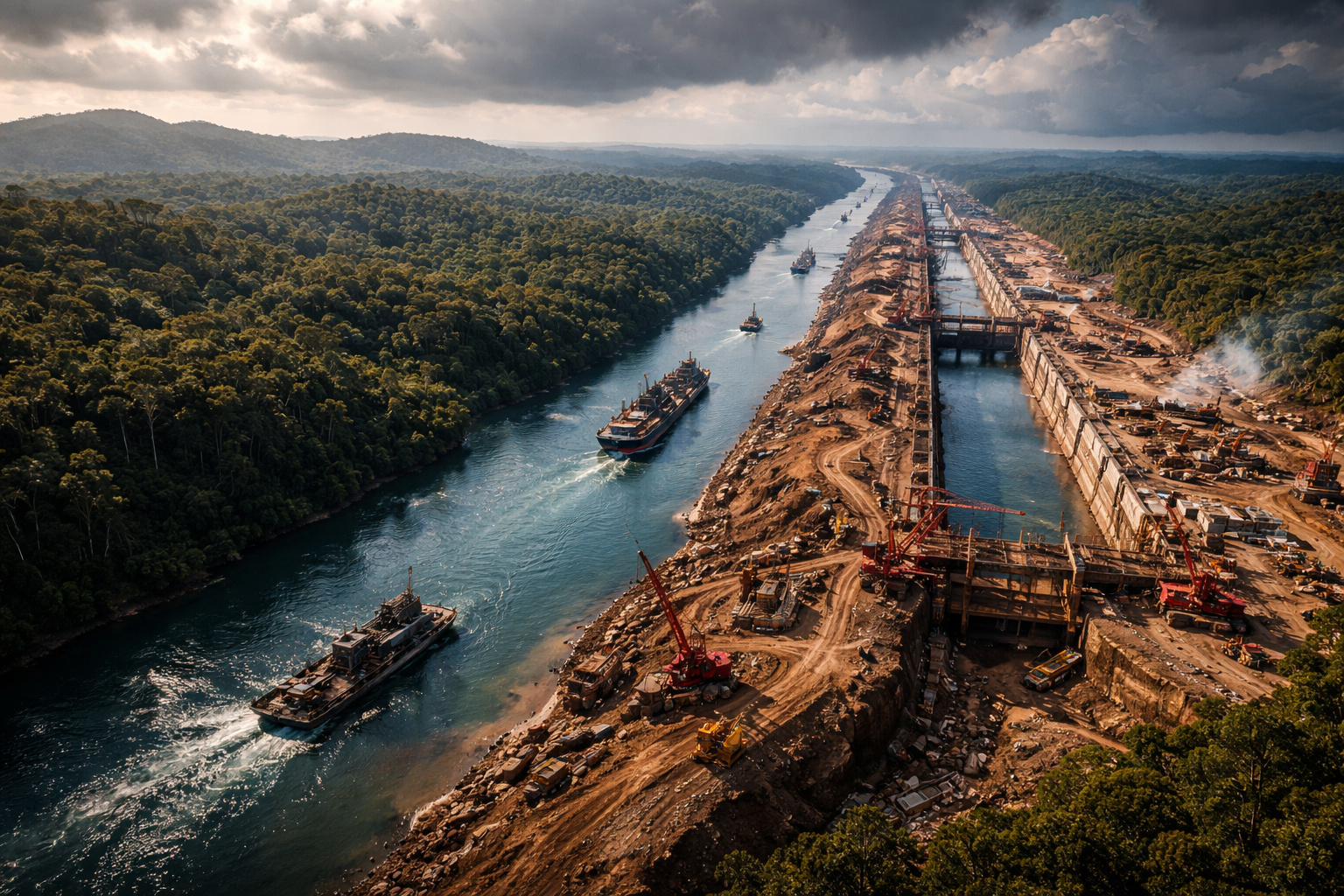
In 2013, Nicaragua sold the concession for a canal to rival Panama to a Chinese billionaire who lost 85% of his fortune, disappeared, and was declared bankrupt. Now the project resurfaces with a new route, a new Chinese partner, and a cost of $64.5 billion.
-
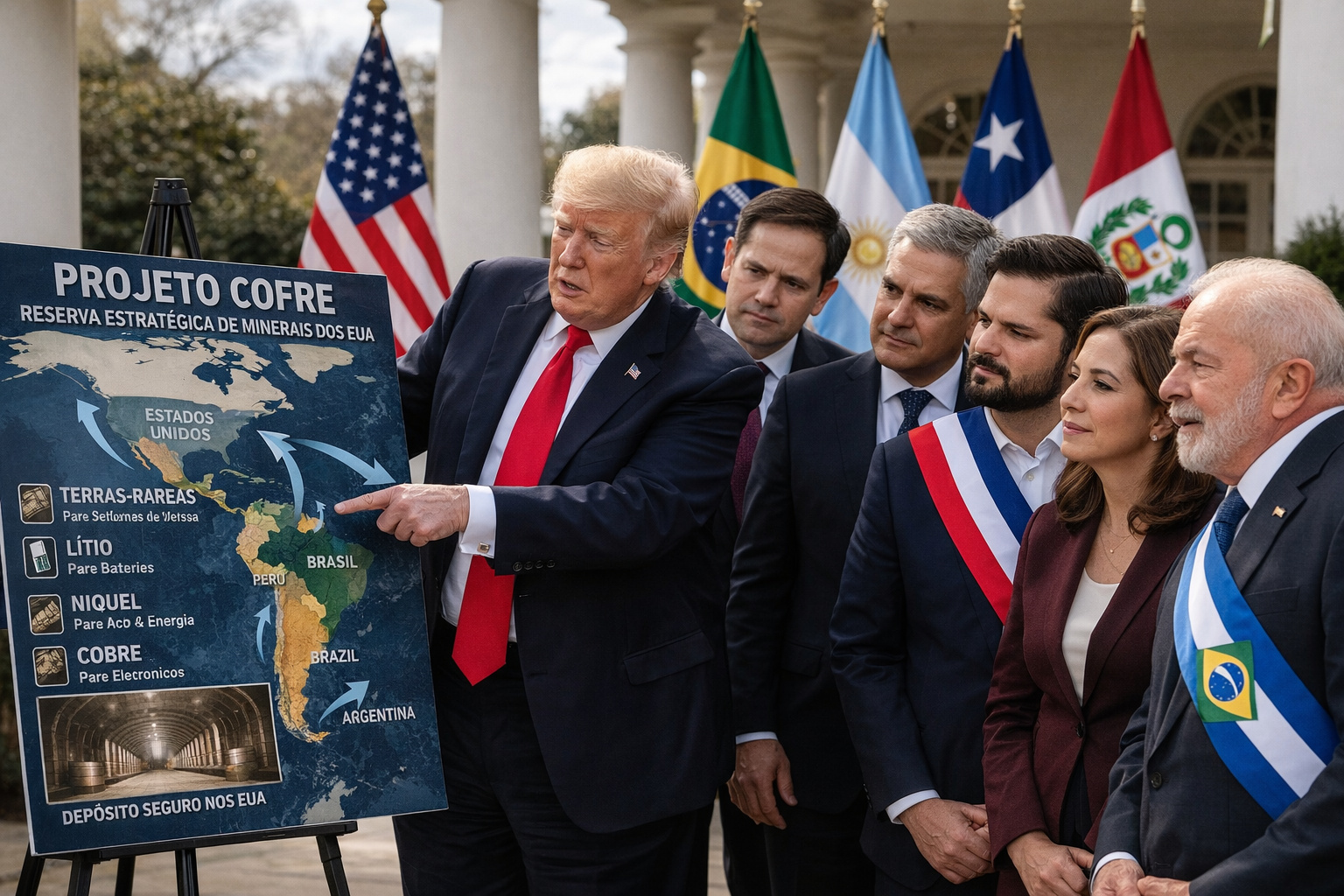
The USA announces a mysterious billion-dollar vault project to store critical minerals, but what intrigues experts is not just the plan itself, but why Latin America, including Brazil, has entered the center of this global dispute against China.
-
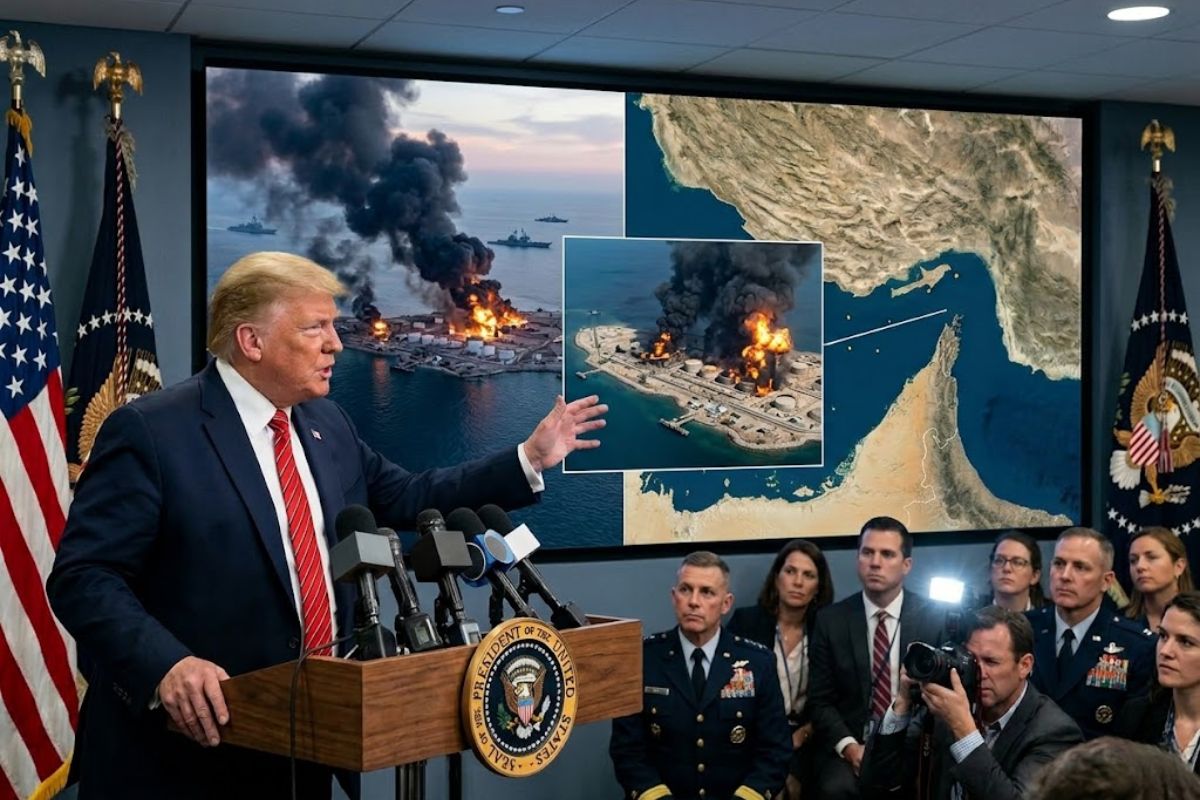
Trump Announces Bombing of U.S. Military Targets on Iranian Island Responsible for About 90% of Iran’s Oil Exports, Warns of Further Attacks if Navigation in Strategic Strait of Hormuz Is Threatened

The Growth of Chinese Naval Power
On the other hand, the Chinese army has not lagged behind. With two aircraft carriers already in operation and a third under construction, China is rapidly becoming a force to be reckoned with at sea. This development has significant implications for the balance of power in the Indo-Pacific region, exacerbating tensions and fueling speculation about a potential naval war.
Balance of Power and the Future of Japan’s Region
Therefore, the advancement of Chinese aircraft carriers represents more than just an increase in military capability; it is a move that challenges the status quo and could alter the existing balance of power. With Japan and China in opposing positions, the Indo-Pacific region finds itself at a critical crossroads, where each step taken by these nations is cautiously observed by the rest of the world.
A Precarious Peace
A Complex Geopolitical Chess Game, the current situation in the East China Sea where each move can have catastrophic outcomes. While Japan strives to maintain its sovereignty and security, China seeks to assert its growing influence. The outcome of this tension is still uncertain, but one thing is clear: peace in the region hangs by a delicate thread. Thus, the world watches closely, hoping that diplomacy prevails over conflict.








Acho um tanto quanto funesto batizar o navio com o mesmo nome de um dos porta aviões da Marinha imperial japonesa da WWII.
E porquê?????? O Japão tinha de GRAMAR para sempre os resultados da guerra????? BASTA!!!!
ERRATA: em certa parte o texto cita a aliança “ítalo-americana”, porém deveria ser “nipo-americana”. 😉