





 English
  Francês
  Alemão
  Italiano
  Japonês
  Norueguês
  Portuguese
  Spanish
  4 min of reading
  0 comments


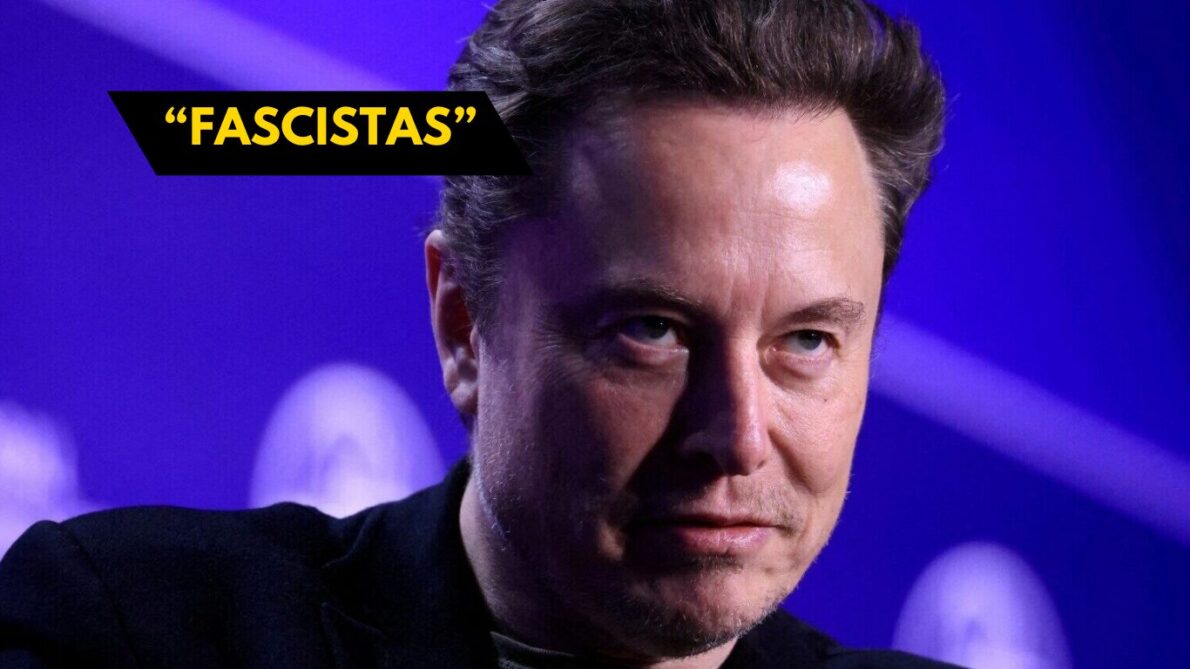
The Regulation Provides Fines for Platforms That Do Not Combat Misinformation, But Billionaire Criticism as an Attack on Freedom of Expression!
The technology mogul and owner of X (formerly Twitter), Elon Musk, returned to the controversial issue by reacting to a new regulatory proposal from the Australian government. The law, which aims to combat online misinformation, imposes heavy penalties for platforms that do not take appropriate measures to curb the spread of false news. Among the punishments, a fine of up to 5% of global revenue of companies that do not comply with the requirements is possible. Australia is thus part of a global movement that seeks to hold technology giants accountable for the dissemination of false and harmful content, according to cnnbrasil.
In light of this legislation, Musk took to his platform to react directly and controversially, in a manner characteristic of him. When questioned by a user about the proposed law, his response was simple and blunt: “Fascists”. The statement generated a wave of criticism, especially from Australian politicians, who considered the billionaire’s stance incoherent and exaggerated.
The New Law and the Clash with Platforms
The new Australian misinformation law proposes that platforms like X establish their own codes of conduct to combat the dissemination of false news. These codes must be approved by a regulator. If companies fail to present these guidelines, the government will have the power to impose its own rules. If these new rules are not followed, companies can be fined up to 5% of their global revenue.
-
If the USA were to go to war with Brazil, Washington’s greatest fear would not be the attack itself, but facing a vast territory, prolonged resistance, and a costly, chaotic, and unpredictable occupation.

-
In 2013, Nicaragua sold the concession for a canal to rival Panama to a Chinese billionaire who lost 85% of his fortune, disappeared, and was declared bankrupt. Now the project resurfaces with a new route, a new Chinese partner, and a cost of $64.5 billion.

-
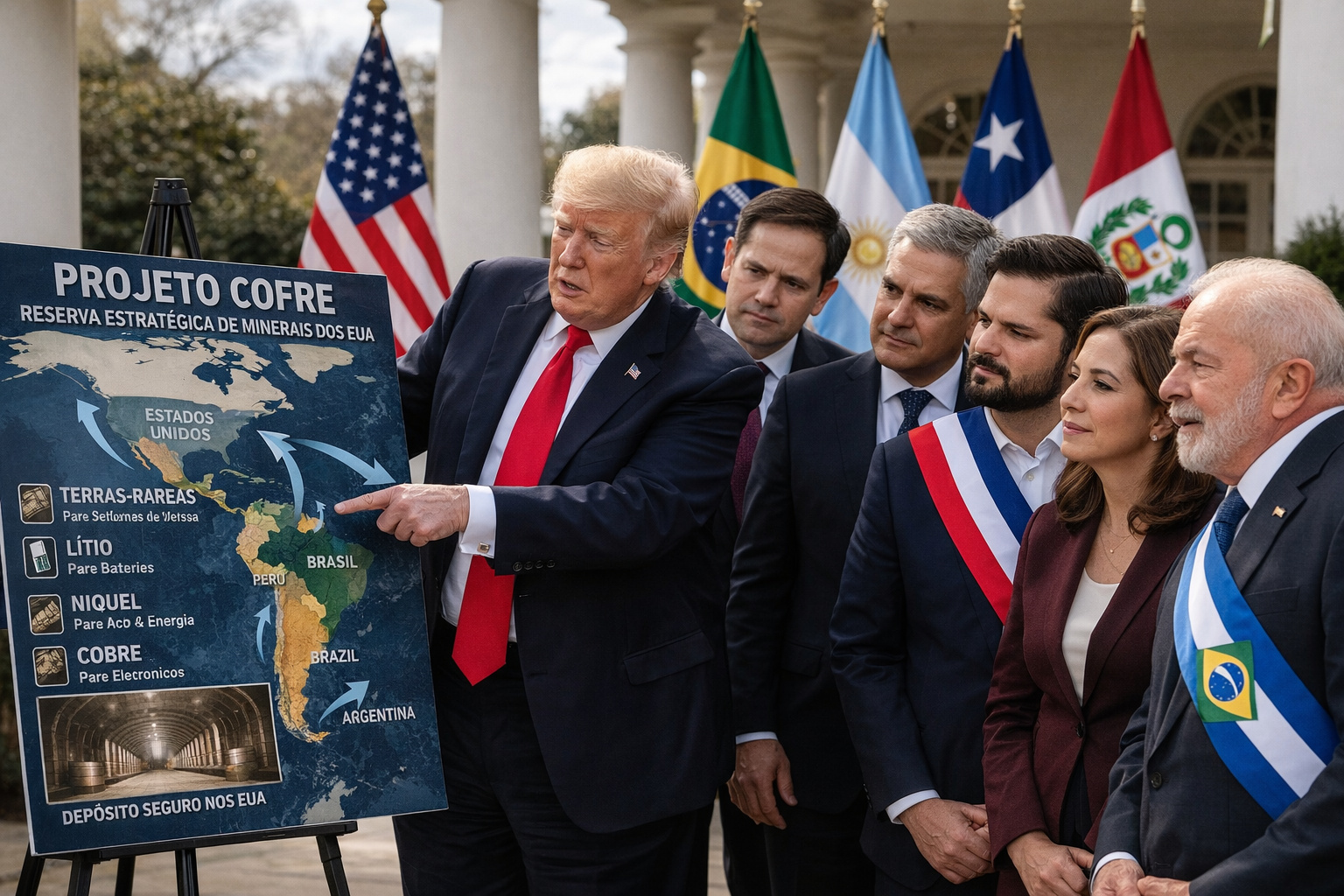
The USA announces a mysterious billion-dollar vault project to store critical minerals, but what intrigues experts is not just the plan itself, but why Latin America, including Brazil, has entered the center of this global dispute against China.
-
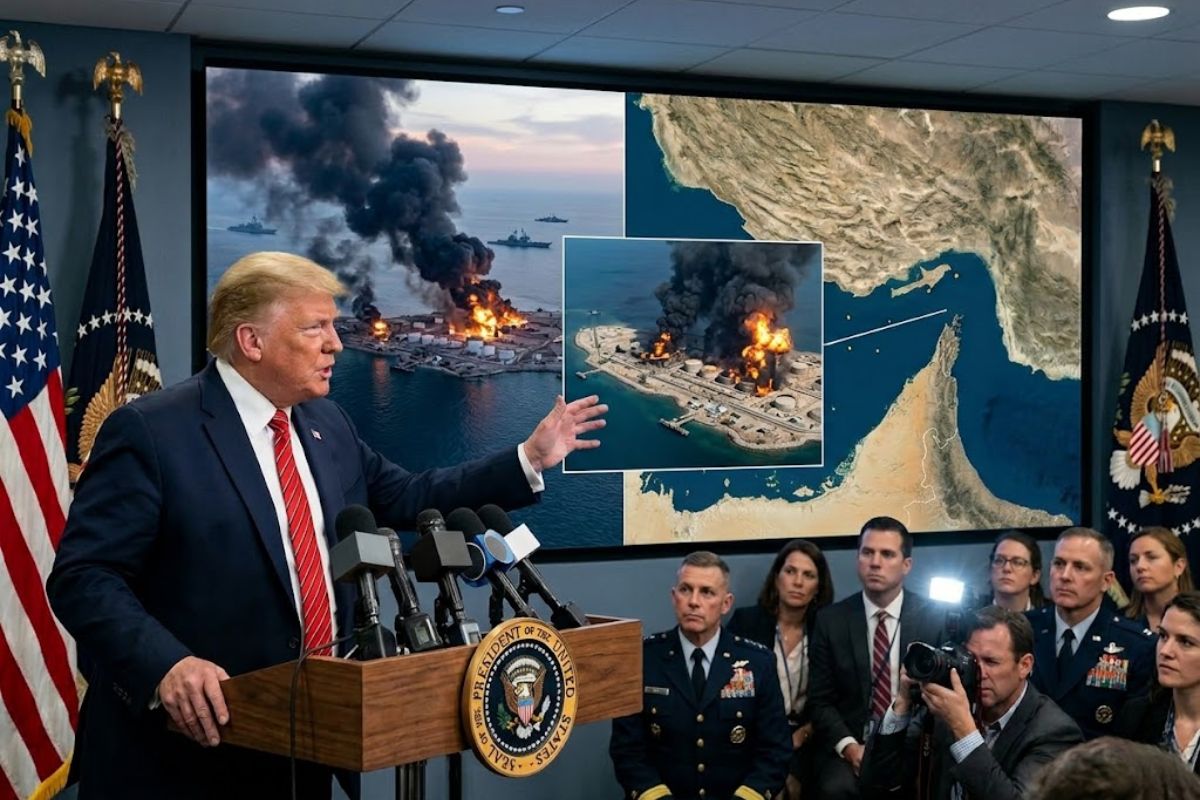
Trump Announces Bombing of U.S. Military Targets on Iranian Island Responsible for About 90% of Iran’s Oil Exports, Warns of Further Attacks if Navigation in Strategic Strait of Hormuz Is Threatened

Michelle Rowland, Minister of Communications, stated that the government is committed to keeping digital platforms within the provisions of national legislation. According to her, the proposed law “improves transparency and accountability of platforms to users and the Australian people.” The new legislation strengthens the responsibility of technology companies, especially regarding the publication of misleading and potentially dangerous content.
Elon Musk and Freedom of Expression
Elon Musk is known for being a staunch advocate of freedom of expression, and this is not the first time he has clashed with governments on this issue. Since acquiring control of X, Musk has made changes to moderation policies, making the platform more permissive regarding various types of speech. However, this approach generates a heated debate about the limits between freedom of expression and online responsibility.
Austrian politicians, such as the Minister for Government Services, Bill Shorten, mocked Musk, stating that he changes his views according to his business interests. “Elon Musk has had more positions on freedom of expression than the Kama Sutra, Shorten stated, highlighting that the billionaire seems to support freedom of expression when it suits him, but criticizes it when that freedom affects his business.
A History of Conflicts with the Australian Government
This recent controversy with Australia is not an isolated case. In April of this year, X proposed a dispute with the local government when ordered to remove specific content related to a stabbing in Sydney. At the time, Australian Prime Minister Anthony Albanese even referred to Musk as a “arrogant billionaire” for challenging a content removal order.
Despite blocking access to the content for Australian users, X decided to remove it globally, stating that the rules of one country should not control the internet. This episode reflects Musk’s stance in defending a borderless internet less subject to local regulations, something that often conflicts with laws in different countries.
The Future of Platforms and Global Guidance
The case of Australia is just one example of how governments around the world are intensifying control over technology platforms. Laws against misinformation are viewed by many countries as a means to protect citizens from potentially dangerous content, whether in political, health or public safety issues.
However, this attempt at regulation places companies like X in a delicate position, trying to balance freedom of expression and responsibility. Elon Musk and other industry personalities are at the center of this debate, frequently challenging laws and promoting discussions about the future of social media platforms.
With this new legislation, Australia joins other countries seeking to hold tech giants accountable for the spread of misinformation. This issue will undoubtedly continue to be a point of conflict between governments, platforms, and users.







Seja o primeiro a reagir!