





 Portuguese
  English
  Spanish
  5 min of reading
  0 comments


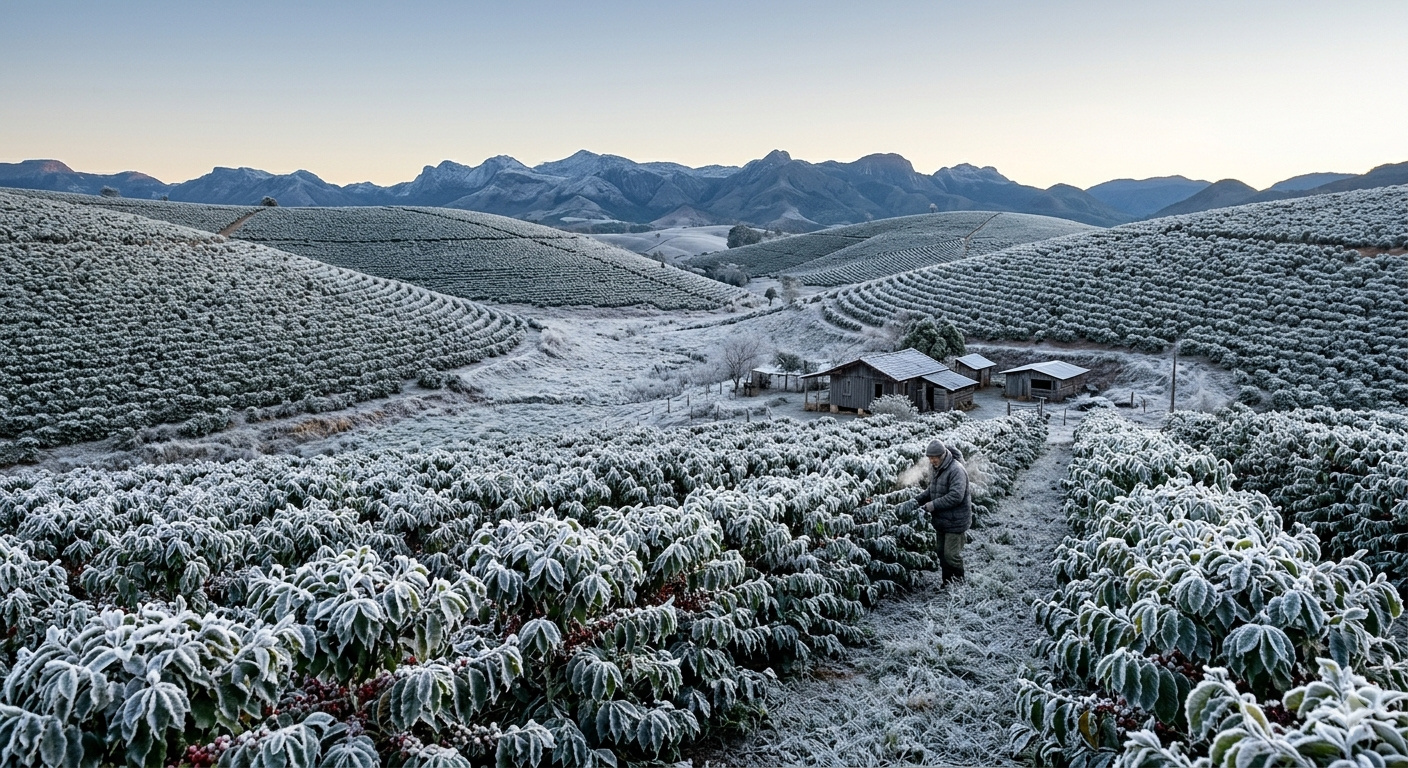
Climatempo warns of the risk of early frost in May 2026 in South Minas and interior SP, with potential to compromise the coffee harvest.
According to climatic analysis published by Climatempo and reproduced by Cultivar magazine regarding the behavior of autumn and the beginning of winter in 2026, the second half of autumn, especially between May and early July, is expected to be marked by significant drops in temperature in the Central-South of Brazil, including areas of São Paulo and Minas Gerais, with a higher frequency of incursions of cold air. This pattern increases the risk of early frost episodes compared to the historical calendar, especially in elevated regions of the Southeast. For producing areas like South Minas Gerais, where most of the country’s Arabica coffee is concentrated, the transition between May and June becomes a critical exposure zone, even before the traditionally considered full-risk period.
In practice, this means a combination of factors that worry producers and cooperatives: delay in perceiving the risk, increased vulnerability of crops, and the possibility of damage to flowering if intense cold events occur outside the traditional protection window.
“The first more intense cold air masses are only expected to appear from the second half of May. April should continue with summer weather, muggy, with rain showers and no intense cold,” said Adilson Nazário, meteorology technician at CGE, in an interview published in March 2026.
ARTICLE CONTINUES BELOWSee also
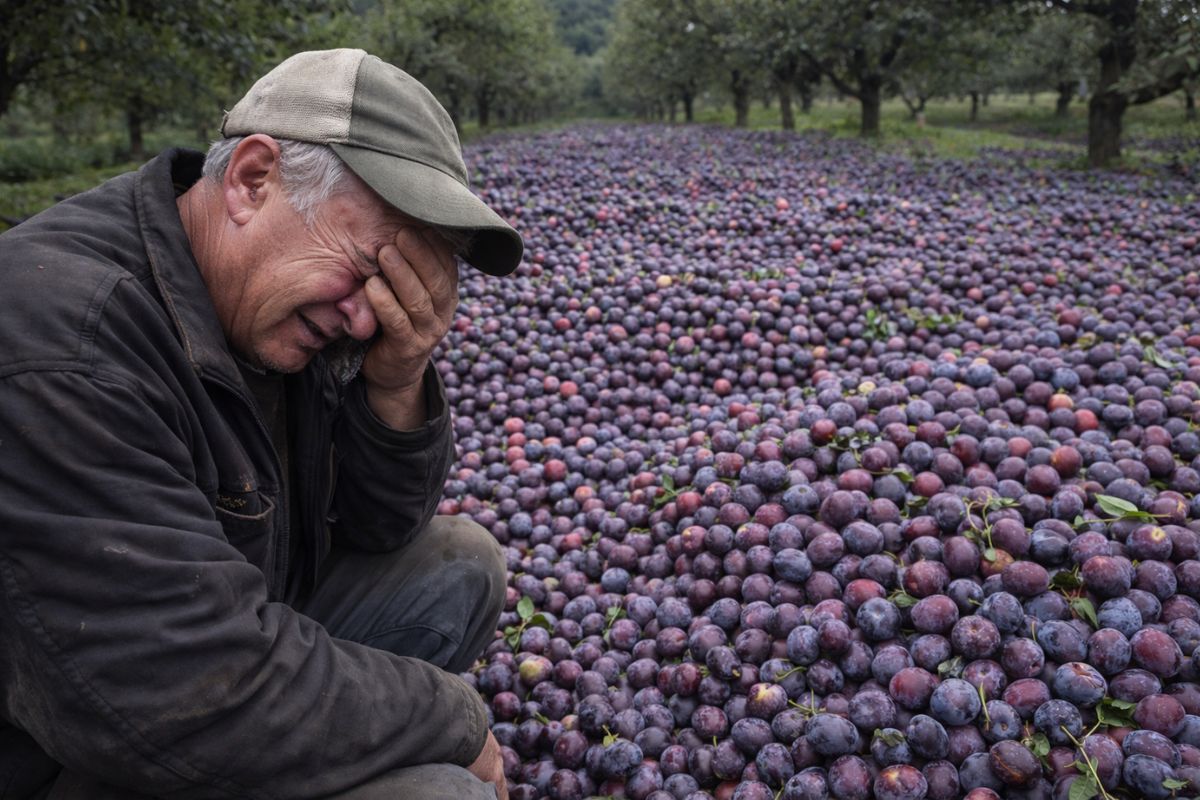
A rural producer from Urubici cries as he shows 50 tons of plums thrown on the ground because no one wanted to buy them, and in desperation, he records a video asking anyone to come to the property to pick the fruits before they rot.
Unable to pass through Hormuz, Brazil activated a plan B that uses Turkey as a gateway to the Middle East: the route through Gibraltar and the Mediterranean is longer and more expensive but ensures that chicken, beef, and corn continue to reach Arab markets.

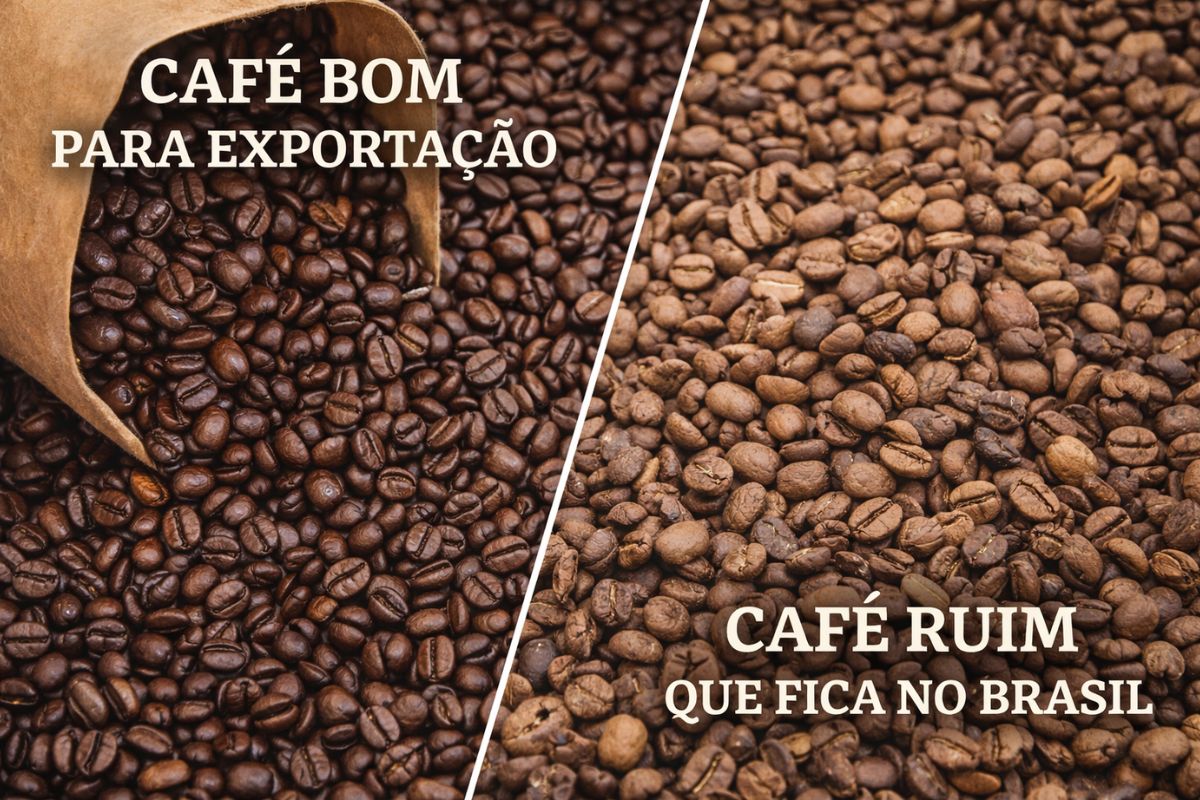
You grew up hearing that the good coffee from Brazil goes all abroad and the bad coffee stays for Brazilians, but this story has completely changed, and the numbers show that in the 1980s, thirty percent of the coffee sold here was adulterated with corn and barley.
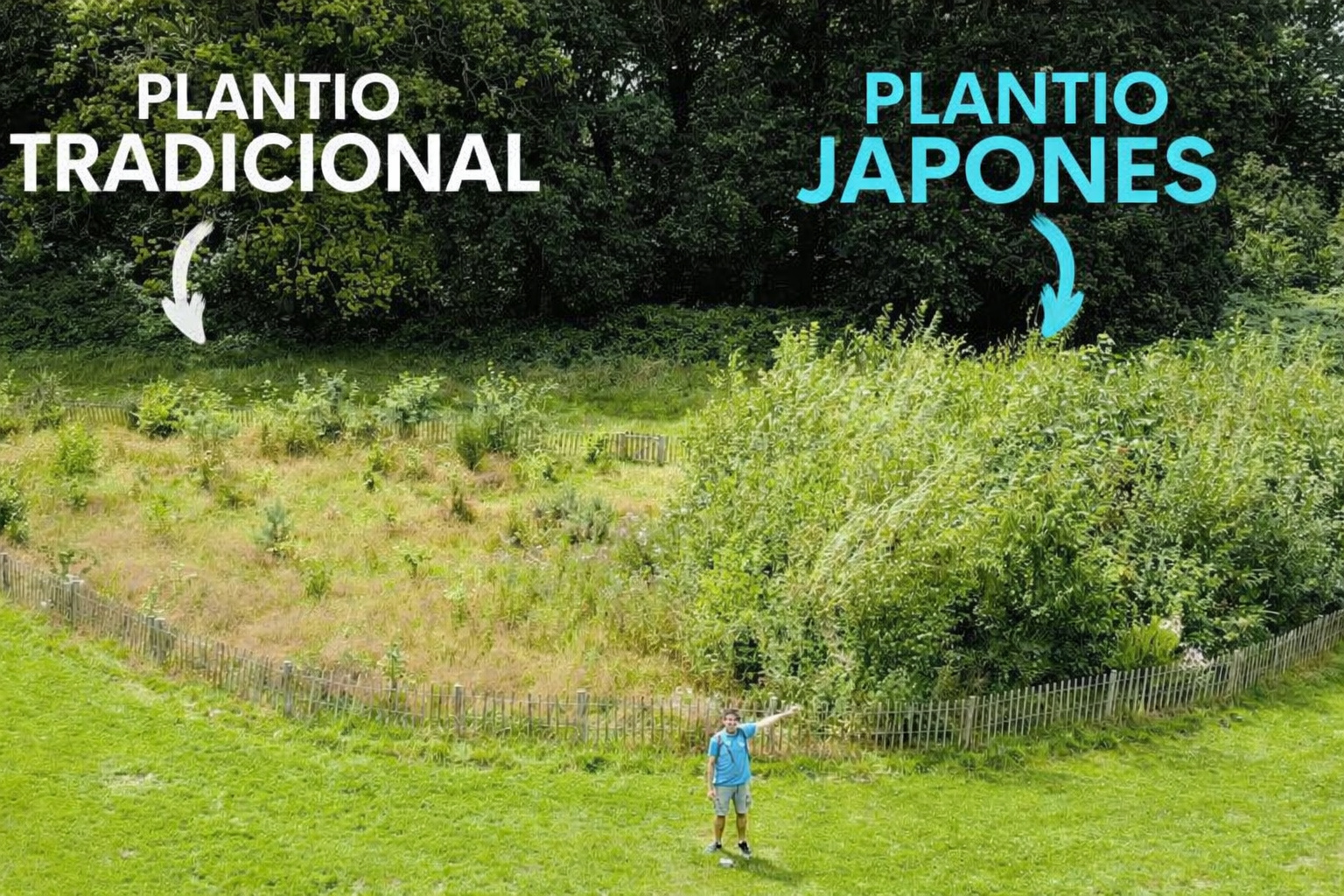
Engineer creates reforestation method that transforms small plots into dense forests in a few years using local biomass and can reduce environmental recovery costs.
How frost affects coffee: impact on flowering and risk of harvest loss
To understand the severity of the risk, it is essential to comprehend how frost acts on the coffee plant. Frost can occur at different intensities.

In milder cases, known as cap frost, the ice only affects the upper part of the plant, burning exposed leaves and branches, but preserving internal structures responsible for flowering. In this scenario, the loss of productivity is partial.


In severe frost, the ice affects the entire plant, destroying cellular tissues and causing complete defoliation. In such cases, the producer is forced to perform skeleton pruning, removing almost the entire aerial part of the coffee plant and restarting the production cycle. The direct consequence is the loss of the following harvest.
A critical point is that the actual damage can only be assessed after the ice melts. At the moment of occurrence, the producer cannot gauge the extent of the damage. The impact only reveals itself hours later when the damaged leaves begin to show necrosis.
Frost of 2025 in South Minas: the precedent that still worries producers
The projected risk for 2026 needs to be analyzed in light of what occurred in 2025. In the early hours of June 25, 2025, several regions of South Minas suffered frosts that affected crops in lowlands and slopes. Municipalities such as Nova Resende, Muzambinho, and Monte Belo reported significant damage.
Producers reported relevant losses in productivity, with immediate revisions in harvest estimates. In some cases, crops that were still recovering from previous events were again affected.

The Simge issued alerts for new occurrences in the same year, indicating that the cold could affect hundreds of municipalities in Minas Gerais. The traditional concept of “frost line,” used to guide planting, proved insufficient in light of the cold’s expansion into areas previously considered safe.
This recent history reinforces the alert for 2026: the behavior of frost no longer accurately follows the historical pattern.
Frost risk map for May 2026: most exposed regions
The geographical distribution of frost risk in May 2026 follows a well-defined pattern. The initial risk concentrates in the south of Mato Grosso do Sul and the south of São Paulo state, especially in areas near the border with Paraná. In these areas, the risk window opens from the second half of May.
In the northern interior of São Paulo, the risk is lower but not nonexistent. Regions like Mogiana may experience significant drops in temperature, especially in higher altitude areas.
In South Minas, the forecast indicates a higher probability of frosts starting in July. However, considering the behavior observed in 2025, early episodes cannot be ruled out, especially in scenarios of abrupt incursions of cold air masses.
Frost in coffee: why protection needs to start before May
Given this scenario, the central point is not just the occurrence of frost, but the timing of preparation. The available protection strategies include covering seedlings, irrigation, and nutritional management. However, their effectiveness depends on prior planning.
Individual plant covering is feasible only on small properties. Irrigation can reduce thermal impact but requires previously installed infrastructure. Potassium fertilization acts as a preventive measure, with limited short-term effect.

For large crops, there is no total protection against severe frosts. What exists is anticipation. From the second half of April, producers should intensify monitoring of minimum temperature forecasts and prepare operations for rapid response. The risk in 2026 is not only in the intensity of frost but in its timing.
Harvest 2026 at risk: winter will arrive later, but the cold comes earlier
The winter of 2026 may start with above-average temperatures. But this does not mean lower risk. On the contrary. The projected climate pattern indicates a delay in winter, but with more concentrated and earlier cold episodes.
For the rural producer, this means a break from the traditional calendar. Frost may not wait for June. And when it arrives, it may find unprepared crops. Winter 2026 may arrive later on the calendar — but the cold may arrive earlier in the field.








Seja o primeiro a reagir!