





 Portuguese
  English
  Spanish
  3 min of reading
  0 comments


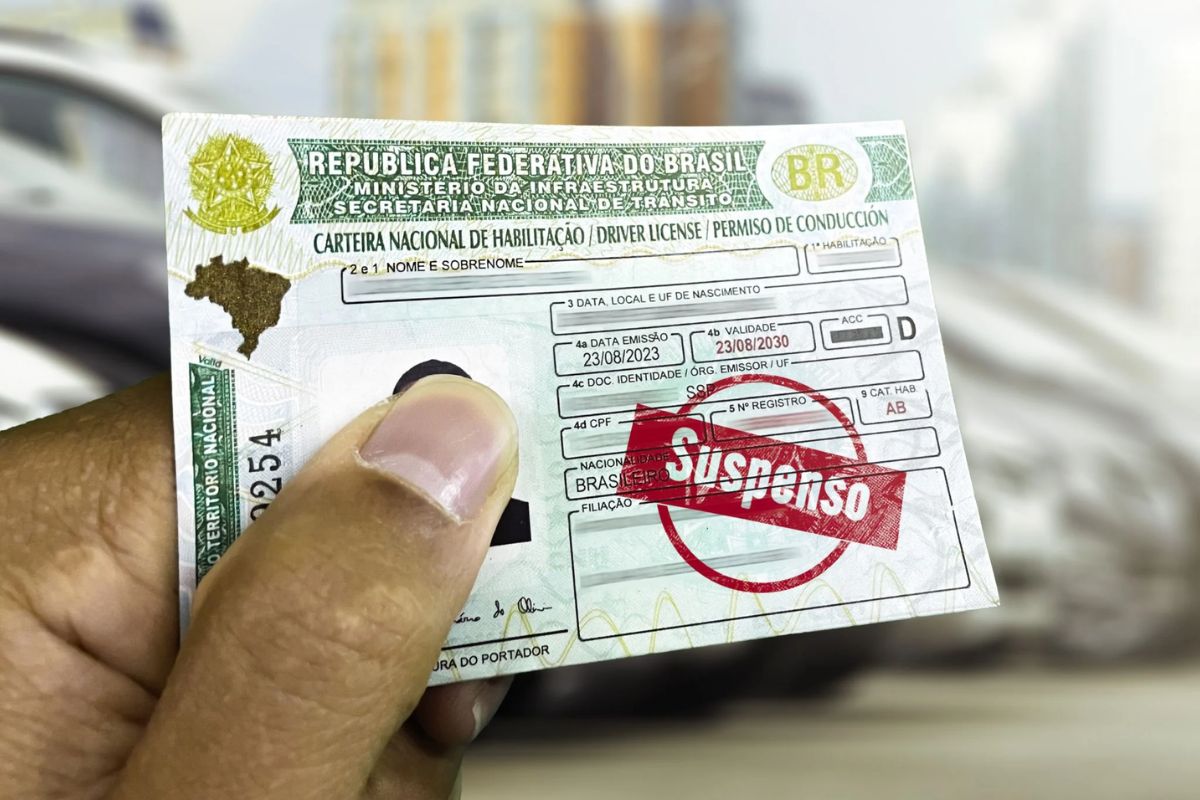
Understand When the Course Is Mandatory, How It Works, How Much It Costs, and What to Do to Recover Your License and Drive Legally Again.
Having your National Driver’s License (NDL) suspended is a significant headache for any driver. In addition to the period without being able to drive, it is mandatory to take the recycling course for suspended NDL. This process, which often raises questions, is essential to re-educate the driver and allow them to recover their right to drive.
To help you better understand this process, we answer the 5 most common questions on the topic.
1. Who Really Needs to Take the Recycling Course?
The course is mandatory for all drivers who have had their NDL suspended. Suspension mainly occurs in two situations:
-
Italian researchers have detected what appears to be a second Sphinx buried under the sands of Egypt, and satellite scans reveal a gigantic underground megastructure hidden beneath the Giza Plateau for over 3,000 years.

-
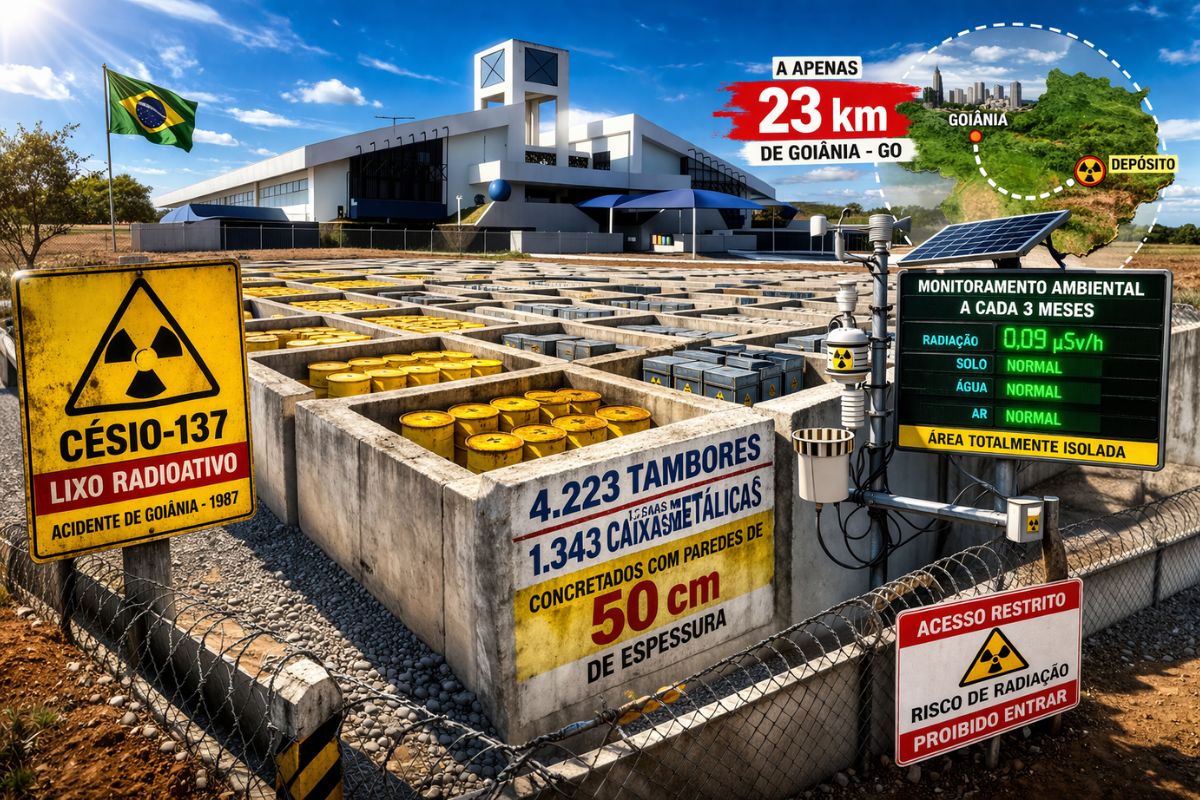
There are 4,223 drums and 1,343 metal boxes concreted with 50-centimeter walls that store the radioactive waste from Cesium-137 in the worst radiological accident in Brazil, just 23 kilometers from Goiânia, with environmental monitoring every three months.
-
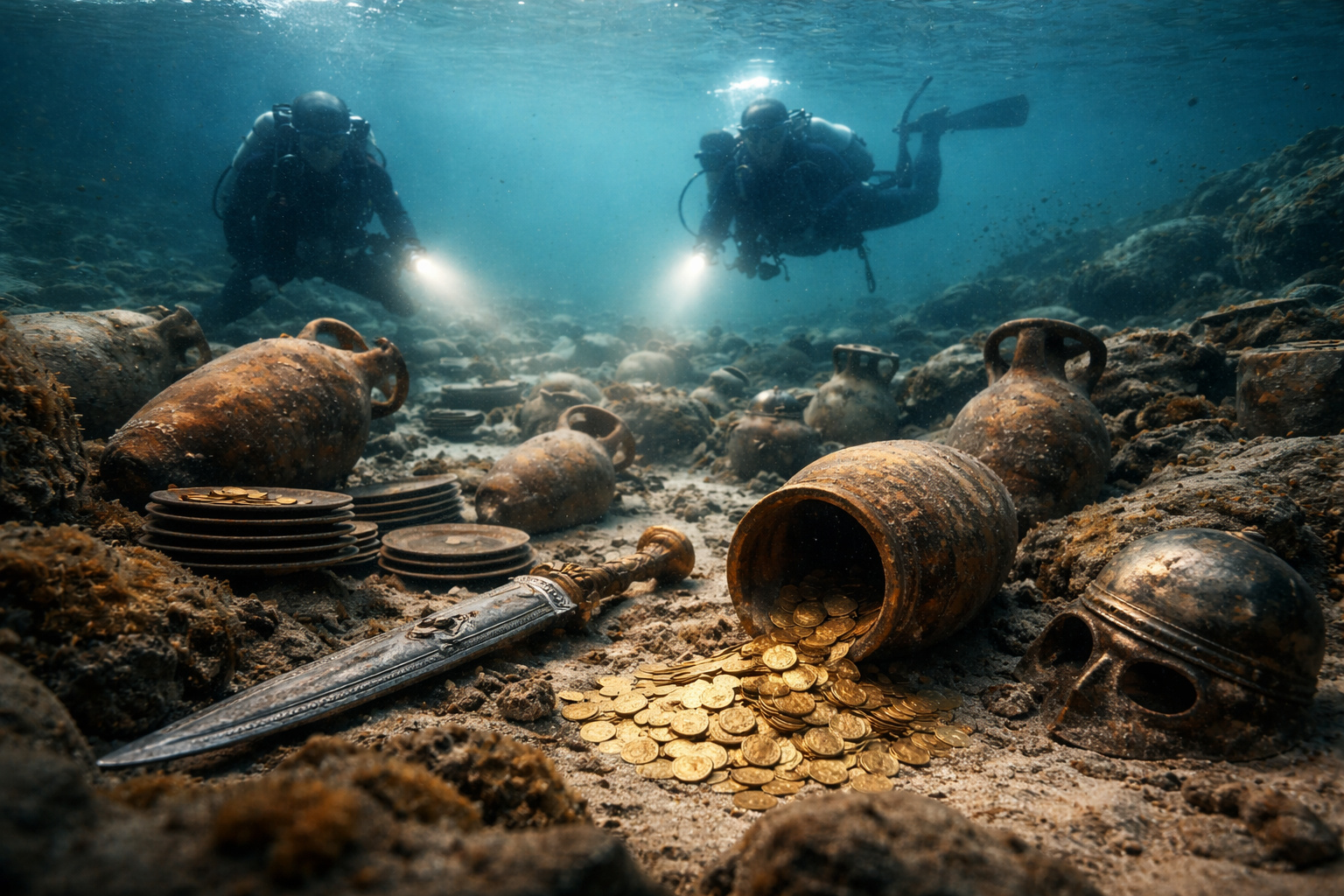
Giant Roman treasure found at the bottom of Lake Neuchâtel in Switzerland reveals an advanced trade system, circulation of goods, and armed escort in the Roman Empire about two thousand years ago.
-
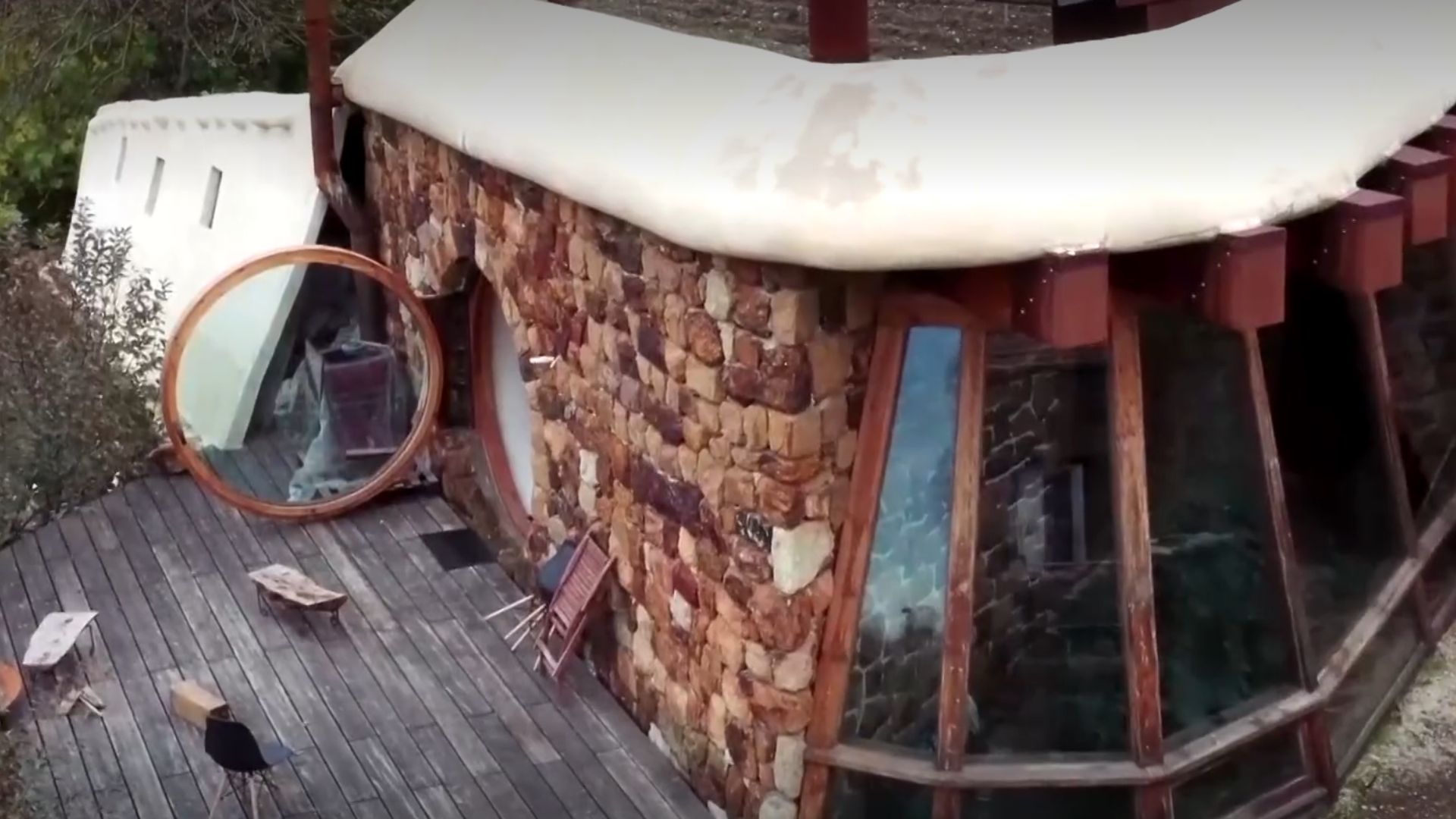
He buried 1,200 old tires in the walls to build his own self-sufficient house in the mountains with glass bottles, rainwater, and an integrated greenhouse.

- For Accumulating Points: The point limit on the NDL over a 12-month period varies. It is 40 points for those with no very serious infractions; 30 points for those with one very serious infraction; and 20 points for those with two or more very serious infractions.
- For Specific Infractions: Some very serious infractions, such as driving under the influence of alcohol, refusing a breathalyzer test, or racing, lead to an immediate suspension of the right to drive, regardless of points.
There is also preventive recycling, a benefit for professional drivers (with EAR in their NDL) in categories C, D, or E. They can take the course when they reach between 30 and 39 points to reset their points and avoid suspension.
2. How Does the Course Work and What Do You Learn?

The recycling course has a total workload of 30 hours/class, divided into four mandatory modules to re-educate the driver about good practices in traffic.
The structure is as follows:
- Traffic Legislation: 12 hours
- Defensive Driving: 8 hours
- Interpersonal Relationships: 6 hours
- Basic First Aid: 4 hours
3. Where Can the Course Be Taken? Is It In-Person or Online?
The driver can choose between two modalities, depending on the regulations of the DMV in their state:
- In-Person: Held at a licensed Driver Training Center (DTC).
- Distance Learning (EAD): Conducted online, through platforms approved by the DMV.
The EAD modality offers more flexibility, but it is important to check if your state allows this option. Even in the online format, the final exam usually needs to be taken in person at a DMV location or at a DTC.
4. What Happens After Completing the Course?
After completing the 30 hours of classes, the driver needs to pass a theoretical exam. The exam consists of 30 multiple-choice questions, and it is necessary to get at least 70% correct (i.e., 21 questions) to pass.
- If Passed: The DTC or the EAD platform issues the certificate of completion. The driver must then wait for the end of the suspension period to request the return of their NDL.
- If Failed: It is possible to retake the exam after 5 days. If failed a second time, the driver will have to retake the entire course.
5. How Much Does It Cost and What Documents Are Required?
The cost of the recycling course varies significantly depending on the state and the chosen modality (in-person or EAD). Prices can range from R$ 100 to over R$ 300. It is essential to research at DTCs and accredited platforms in your area.
To enroll, the following documents are usually required:
- Identification document (ID or similar) and CPF.
- Proof of residence.
- Notification of NDL suspension.
Have you ever needed to take the recycling course or know someone who has? Share your experience or question in the comments!










Seja o primeiro a reagir!