





 Portuguese
  English
  Spanish
  4 min of reading
  0 comments


A Controversial Bill Suggests Drastic Changes to the Driver’s License, Including the End of Category B. Understand What May Change Starting in 2025
Recently, news circulated in the media that the National Driver’s License (CNH) could undergo an important reformulation as early as next year. It is speculated that starting in January 2025, Category B will be restructured, including a specific subcategory for drivers who operate only vehicles with automatic transmission.
To better understand the topic, Auto Esporte conducted an investigation into the developments and the veracity of the information.

Division of Category B: What Is at Stake?
The debate arises from the Bill 7,746/17, proposed by Deputy Mariana Carvalho (PSDB/RO) in 2017. The central idea is to divide the current Category B into two subcategories:
-
A brand new car starts at around R$ 75,000 in Brazil, but what stands out the most is seeing streets filled with SUVs and expensive sedans in a country where millions remain in debt.

-
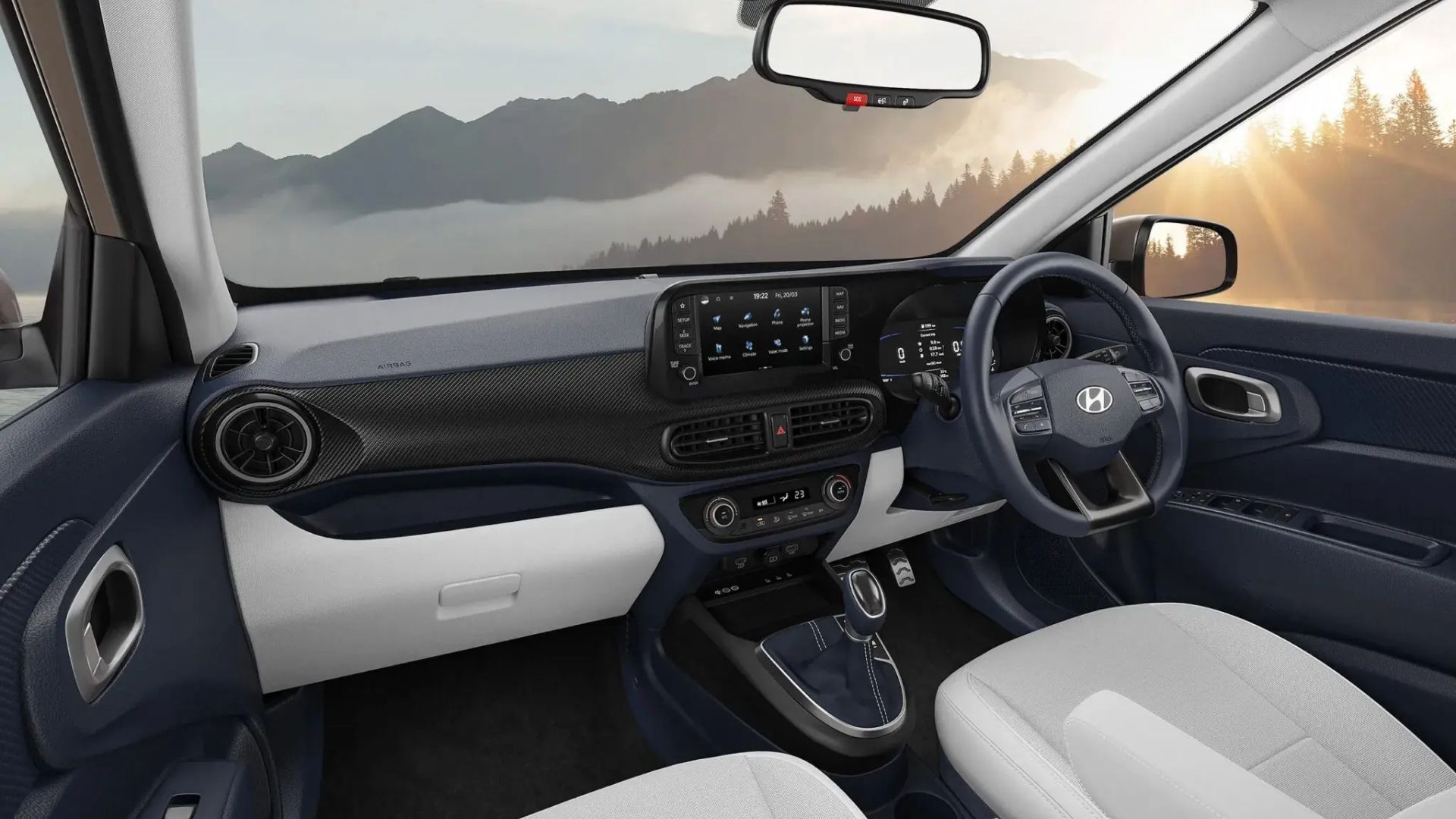
For R$ 32,000, a brand new Hyundai car is a rival to the Kwid with a 1.2 engine producing 82 hp, 6 airbags as standard, multimedia with wireless Android Auto, up to 391 liters in the trunk, and a refreshed look for 2026 in India.
-
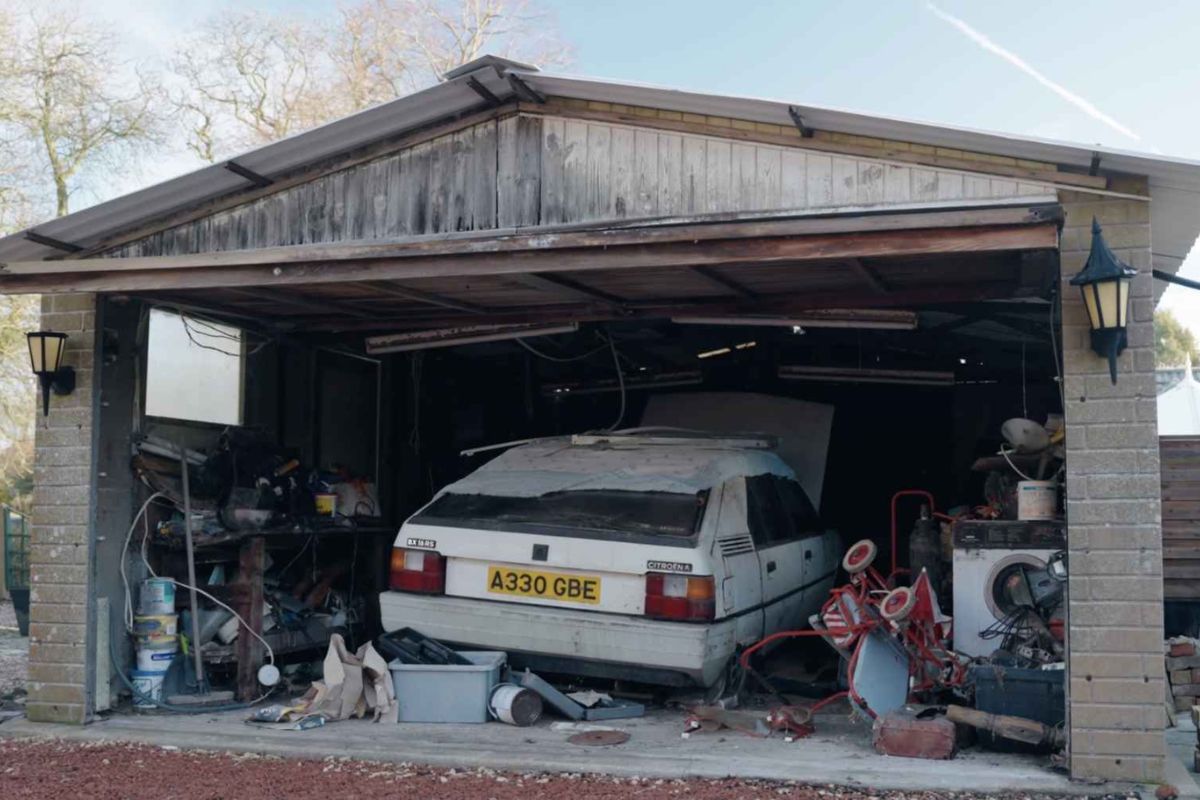
He bought a new car in 1983, locked it in the barn in 1988, and no one opened the door for 38 years until the family discovered what was stored inside and realized it looked like something out of a movie.
-
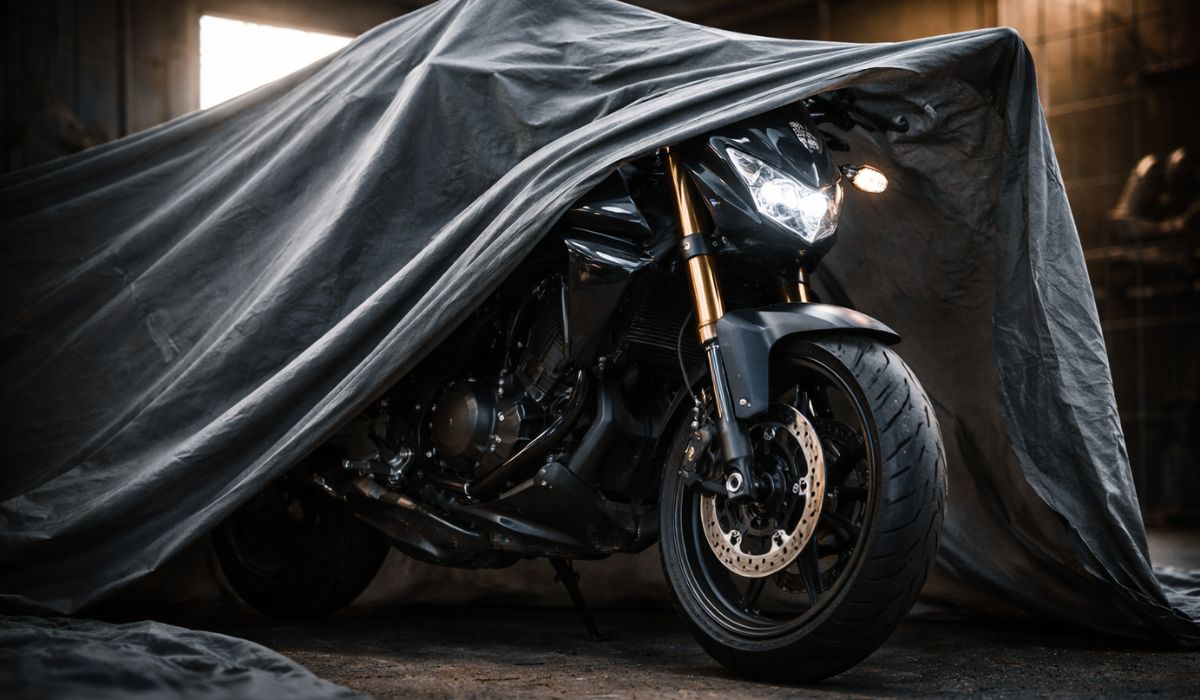
A 250cc motorcycle that can reach 560 km with a 14-liter tank, features disc brakes on both wheels and is among the most well-known in Brazil.

- B1: Exclusive for drivers who operate vehicles with automatic transmission.
- B2: Designated for drivers authorized to operate both automatic and manual vehicles.
It’s worth highlighting that this change would only affect the issuance of new CNHs, meaning that drivers who already hold the document would not need to update it. Category B, as currently known, allows for the operation of passenger vehicles, pickups, and utility vehicles with up to eight passengers and a gross weight of 3,500 kg.
Although the proposal seems concrete, there are uncertainties regarding its approval and implementation.
Updated CNH: Reality or Fiction?
The Bill does indeed exist and is registered on the Chamber of Deputies’ website. However, it was originally conceived to regulate the licensing of motorcyclists who operate automatic motorcycles. Over time, it underwent amendments that included the creation of a subcategory for vehicles with automatic transmission.
Nonetheless, the bill has not yet been approved. Currently, it is “ready for the agenda” in the Committee on Constitution, Justice, and Citizenship (CCJC). This status means that the proposal is under review, with no set timeline for advancement.
In an official note, the State Department of Transit of São Paulo (Detran-SP) clarified that:
“The Bill is still under consideration in the Chamber of Deputies and is subject to modifications. It is still premature to establish or publish a definitive official position on the subject.”
Detran-SP also stated that it is monitoring discussions to assess the impacts and necessary adaptations, should the bill be approved.
The Role of the Senate and Another Bill Under Consideration
In addition to the possible changes to the CNH, there is another relevant bill under consideration. This is the Bill 3,688/2024, which has already advanced to the Senate, one of the final stages before becoming law.
Proposed by Senator Teresa Leitão (PT-PE), the text addresses the use of automatic and electric vehicles in practical driving lessons.
Currently, the use of these vehicles for learning purposes is prohibited due to lack of regulation by the highest transit authority. In her justification, the senator highlighted the predominance of automatic cars in the market:
“The production of vehicles with automatic transmission currently represents over 70% of national production.”
If approved, the bill will pave the way for a significant modernization in the driver training process, in addition to promoting the use of electric vehicles.
Forecast and Next Steps
While the Bill 7,746/17 awaits developments, the future of the CNH for automatic cars remains uncertain. There is no set date for the implementation of the changes, and relevant authorities, such as Detran-SP, continue to monitor the discussions.
Meanwhile, Bill 3,688/2024 is progressing at a faster pace and could bring significant advancements in driver training. The growing demand for automatic vehicles in Brazil is a sign that the topic deserves attention and legislative updating.
However, caution is needed. The impact of such changes extends beyond legislation and also involves adaptations in infrastructure, instructor training, and updating driving schools. The scenario remains in development, and Brazilian drivers must stay informed of new developments.
Thus, while the future of the CNH is still being shaped by debates and decisions, the certainty is that the automotive market and society are moving to keep pace with technological and cultural transformations. For now, drivers can continue to use their licenses normally, without the need for alterations.
Whatever the outcome, Brazil is moving toward a traffic system more aligned with global trends and the new demands of drivers.








-

-

2 pessoas reagiram a isso.