





 Portuguese
  English
  Spanish
  3 min of reading
  0 comments


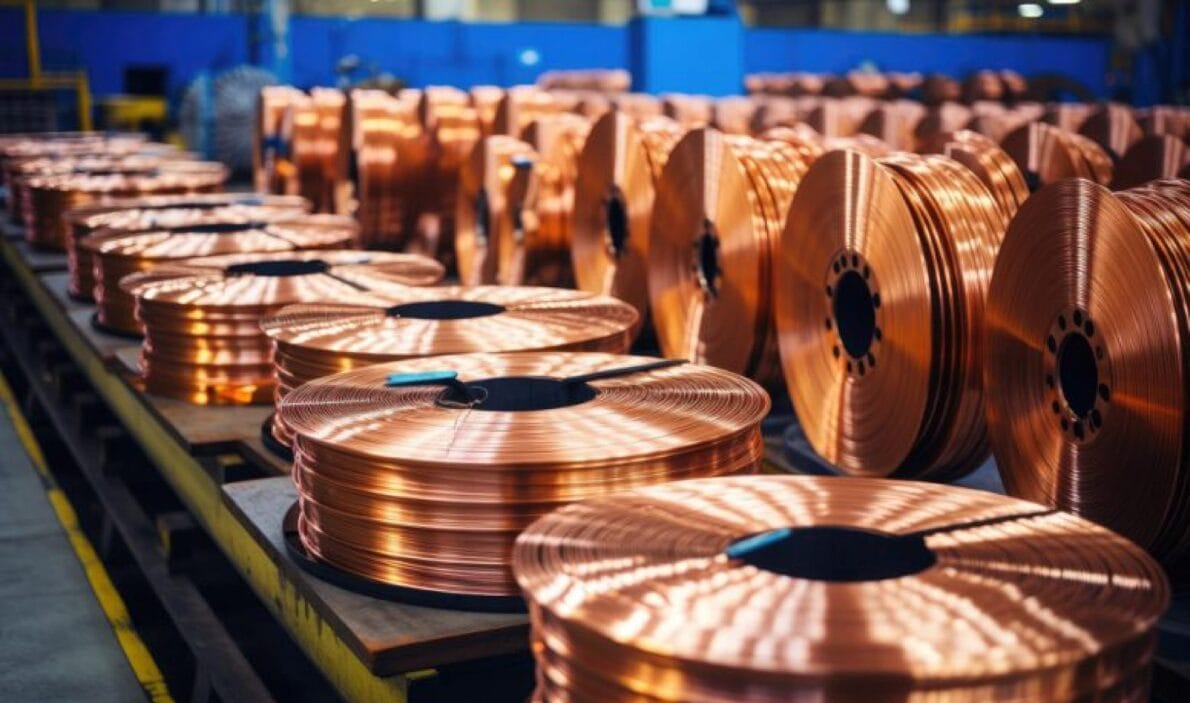
Discover The Complete Process Of Processing And Extraction Of Copper, An Essential Metal For Humanity, Since Its Discovery Until Its Industrial Application
The copper is one of the oldest and most widely used metals by humanity, with records of its use since 8000 B.C. This versatile metal is found throughout the Earth’s crust, predominantly in sedimentary rocks, and its extraction involves a series of complex steps, according to the video from the channel Tudo Tech HD.
Copper Price: More Than 10,000 Dollars Per Ton
Only in 2024, the price of copper rose by about 20%, reaching values over US$ 10,000 per ton. Expectations, according to studies, are to reach values close to US$ 40,000 per ton in the next 5 years.
Identification And Extraction Of Copper
The process of extracting copper begins with the identification of areas with potential for ore deposits. This includes geological studies and sample analysis to locate regions where copper is present in economically viable concentrations. After the deposit is identified, drilling is carried out to obtain more detailed samples from the ground.
-
Historic bankruptcy of Centauro shocks the market, and the century-old company puts more than 500,000 products, machines, and complete infrastructure up for online auction.

-
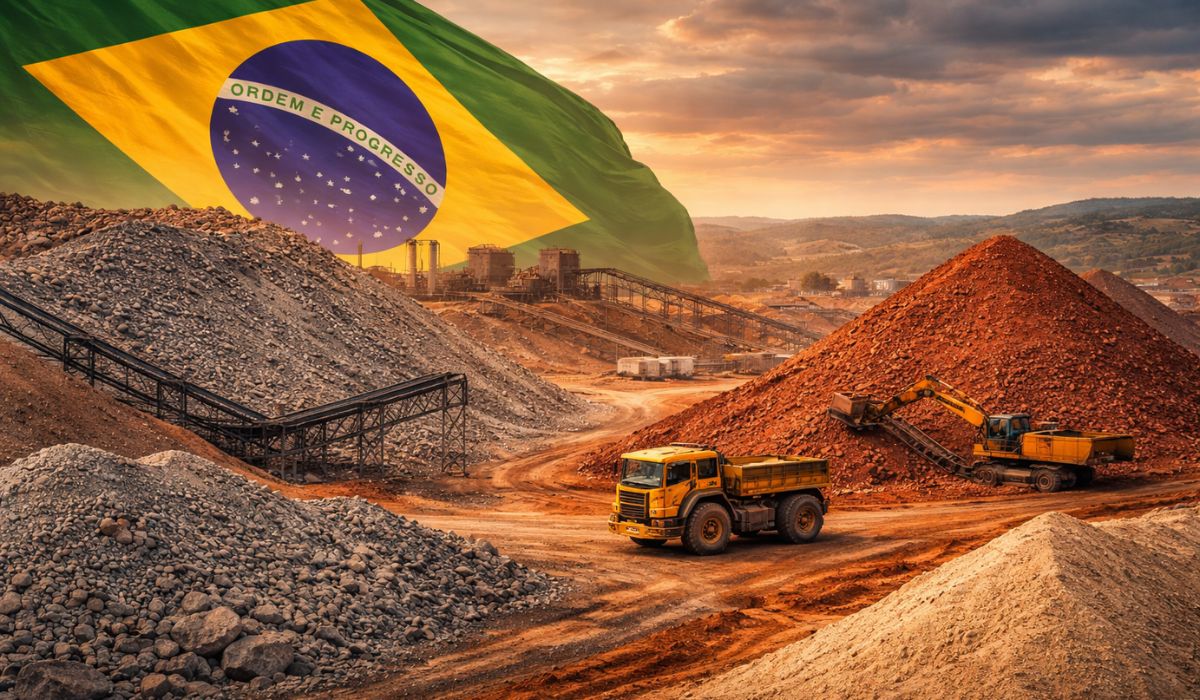
Brazil extracts 26.3 million tons of ore from what was previously treated as waste, transforming residues into wealth, producing over 3 million tons of sand, and demonstrating how national mining is relearning to generate value.
-
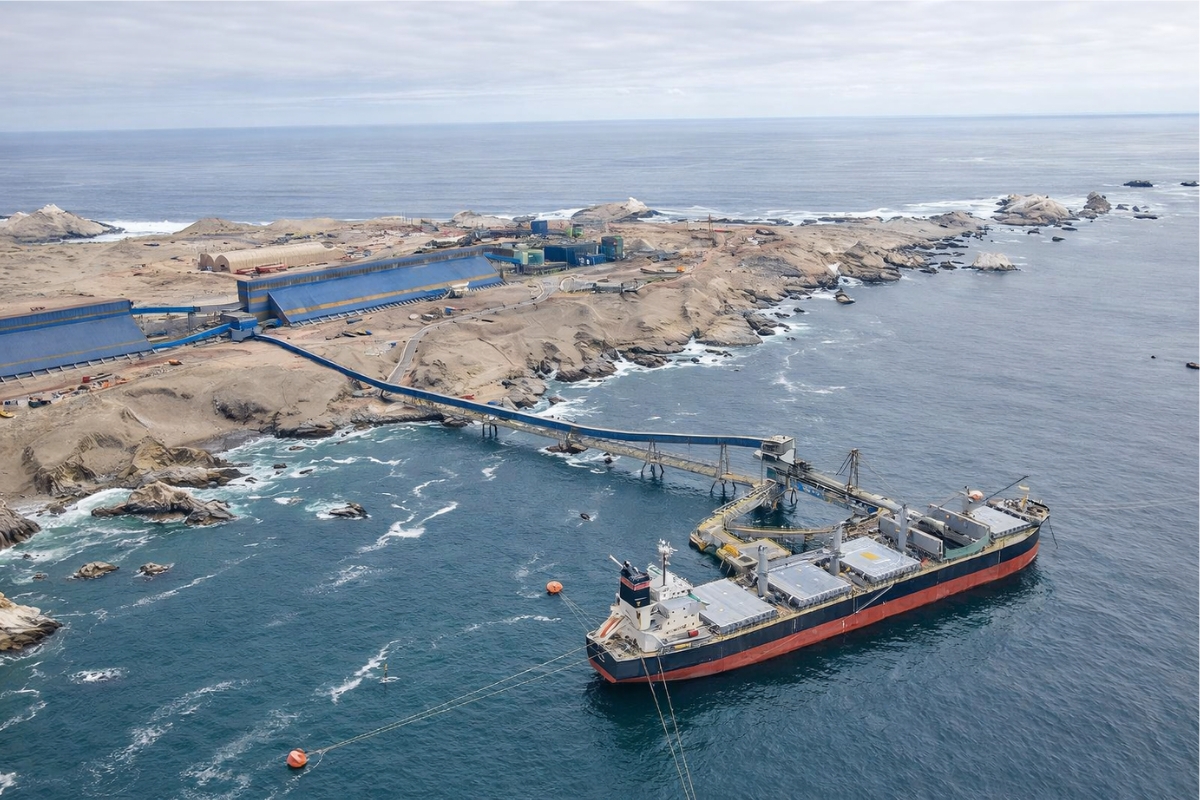
A $3.5 billion megaproject in Latin America pumps desalinated seawater at 1,050 liters per second over 194 km to keep a copper supermine in the Andes operational for another 20 years.
-
New shoe factory in Ceará is expected to create 400 jobs and strengthen the local economy.



Explosives, usually based on nitroglycerin, are then used to fragment the rock, facilitating the extraction of the ore. This process is carefully controlled to ensure safety and efficiency, with the energy released by the explosion fragmenting the rock to facilitate subsequent work.
Crushing And Grinding
After detonation, the fragmented rocks are transported to be crushed and ground, to proceed with the extraction of copper. Crushing reduces the rocks to smaller pieces, about eight inches in diameter, while grinding transforms the material into even smaller particles. This step is crucial to increase the surface area of the ore, facilitating the release of copper from the associated minerals.


Flotation And Refining
The next step is the flotation process, where the ore fragments are mixed with water and chemicals in large rotating mills. The addition of air bubbles causes the copper particles to adhere to the bubbles, forming a foam that is collected and separated from unwanted minerals. This copper concentrate is then subjected to smelting and refining processes to remove impurities and increase the metal’s purity to 99.7%.
Applications And Importance Of Copper
After the extraction of copper, the metal is refined and transformed into sheets of approximately 225 kg and can undergo additional processes such as electrorefining to achieve even higher purity. This metal is widely used in various industries due to its excellent electrical and thermal conductivity, corrosion resistance, and its ability to be 100% recyclable.
In addition to being essential in the manufacturing of electrical wires, water, and gas pipes, copper is also used in the production of coins, jewelry, and a wide range of household utensils. Asia is the largest consumer of copper, accounting for 69% of global consumption, followed by Europe and North America.








Seja o primeiro a reagir!