





 Portuguese
  English
  Spanish
  3 min of reading
  0 comments


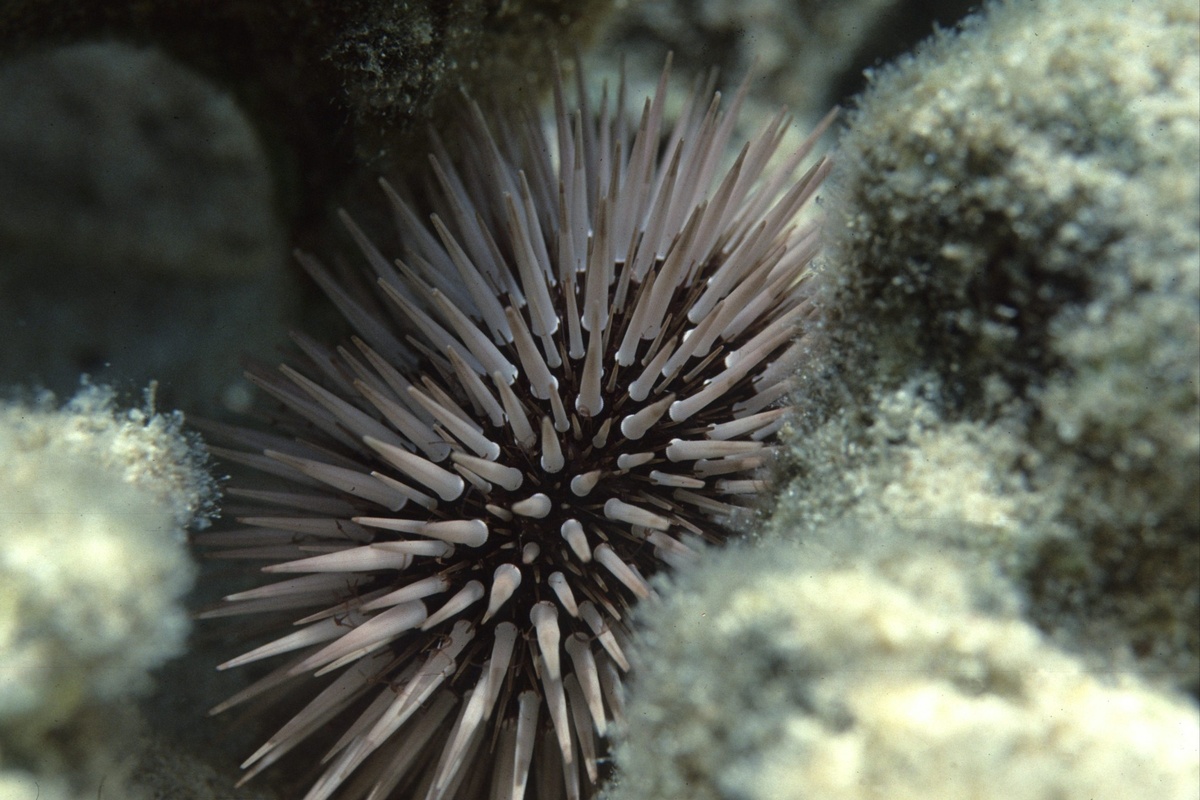
Accidental Discovery Transformed Traditional Activity Into Criminal Investigation And Reignited Debate About Archeological Heritage
A common activity of collecting sea urchins on the coast of Corsica, France, ended up transforming into one of the most talked-about archaeological cases in Europe.
In 1985, three divers found hundreds of 3rd Century Roman gold coins and a massive gold platter on the seabed of the Mediterranean.
From that moment on, what seemed like an isolated discovery gained international attention and began to involve police authorities and experts in historical heritage.
The find quickly attracted attention because part of the coins was sold for below-market values.
Subsequently, experts in numismatics identified similar patterns in items appearing at international auctions.
Thus, an alert was issued to the French authorities, according to reports published by Correio Braziliense and the magazine Exame in February 2026.
Public Revelation Transforms Discovery Into Police Case
In 1986, French newspapers made the case public.
Shortly after, the French gendarmerie, a military force with civil police duties, initiated a formal investigation.
In the following years, at least 78 coins were seized.
Furthermore, fines were imposed on those involved, although a significant portion of the treasure had already been dispersed in the private market.
-
Friends have been building a small “town” for 30 years to grow old together, with compact houses, a common area, nature surrounding it, and a collective life project designed for friendship, coexistence, and simplicity.

-
This small town in Germany created its own currency 24 years ago, today it circulates millions per year, is accepted in over 300 stores, and the German government allowed all of this to happen under one condition.

-
Curitiba is shrinking and is expected to lose 97,000 residents by 2050, while inland cities in Paraná such as Sarandi, Araucária, and Toledo are experiencing accelerated growth that is changing the entire state’s map.

-
Tourists were poisoned on Everest in a million-dollar fraud scheme involving helicopters that diverted over $19 million and shocked international authorities.


As time passed, the investigation gained international scope.
Currently, Interpol monitors auction catalogs and private collections for pieces associated with the original find.
Thus, the episode became part of the list of complex cases involving submerged archaeological heritage.
New Chapter Reignites Legal Process
In 2010, the case took a new turn.
A Roman gold platter was located at Charles de Gaulle Airport in Paris.
The object was in the luggage of one of the divers linked to the initial discovery.
Consequently, authorities interpreted the fact as a possible attempt at illegal commercialization.
From this incident, the legal process was reactivated.
Additionally, the possibility of prison sentences began to be considered by French authorities.
Therefore, the collection of sea urchins, a traditional activity in the Mediterranean, ended up being associated with one of the region’s most delicate archaeological cases.

Sea Urchins And Their Role In The Ecosystem
While the legal case continues to be discussed, sea urchins remain at the center of the story.
These animals belong to the class Echinoidea and primarily live on rocky seafloors.
Moreover, they have movable spines and a mouth structure known as “Aristotle’s lantern”, used for scraping algae.
At the same time, they play a crucial role in ecological balance.
They consume algae and aid in the remineralization of nutrients in the marine environment.
Their reproduction occurs externally, with gametes released into the water.
Additionally, some species can live over 200 years, while others have shorter life cycles.
However, excessive populations can cause environmental imbalances.
In certain coastal regions, the proliferation of sea urchins has reduced kelp forests and impacted other species.
Thus, these echinoderms reveal both ecological relevance and scientific curiosity.
Historical Heritage And Legal Responsibility
The episode reinforces the importance of understanding legislation on archaeological assets.
In France, submerged historical objects are considered state heritage.
Therefore, commercialization without authorization can result in severe penalties.
Additionally, the case highlights how a traditional activity can trigger unexpected legal consequences.
Thus, the collection of sea urchins, a common practice in the Mediterranean, has become part of a debate on historical preservation and legal responsibility.
Do you believe that the discovery should have been treated solely as an archaeological find or as a crime against historical heritage?










Seja o primeiro a reagir!