





 Português
  Inglês
  Espanhol
  4 min de leitura
  0 comentários


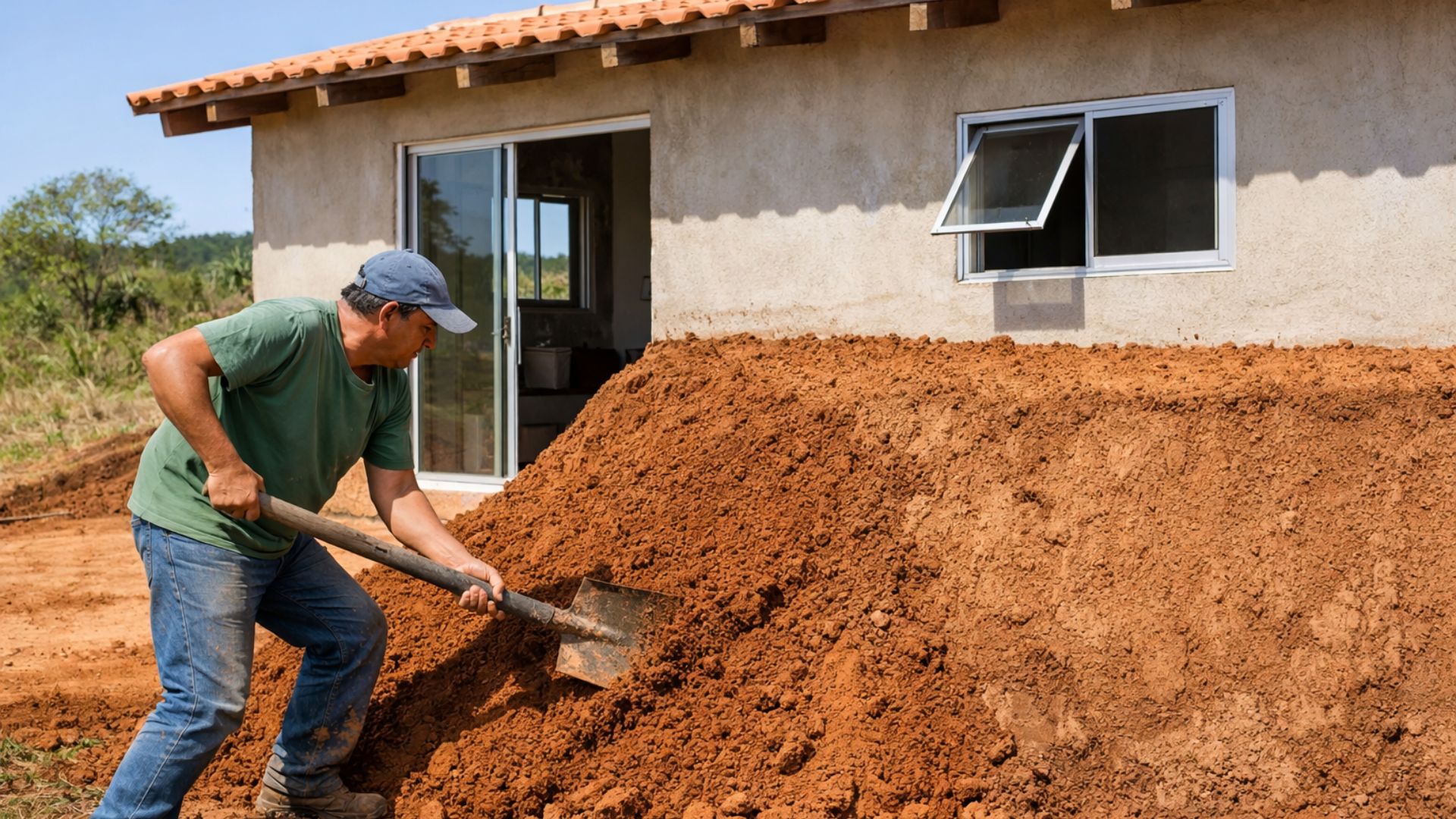
Architectural Technique That Partially Buries the Structure in the Ground Allows for an Internal Temperature Reduction of Up to 10 °C Without Relying on Electric Equipment, Taking Advantage of the High Natural Thermal Inertia of the Earth as a Passive Barrier Against Extreme Heat During Summer Months.
Partially buried houses are gaining increasing recognition in the interior of Brazil as an efficient alternative to cope with temperatures that easily exceed 40 °C in various regions of the country.
The architectural solution utilizes the ground itself as a natural thermal insulator, reducing the need for air conditioning and making indoor environments more comfortable during the hottest months of the year.
According to research published in Science Direct, the soil has high thermal inertia and maintains more consistent temperatures throughout the year, regardless of external climate variations.
-
Drought may be creating stronger superbugs in the soil and helping antibiotic resistance reach hospitals, warns a study highlighting a problem that could grow alongside extreme weather.

-
The biggest scam in history: Napoleon’s France deceived the United States by selling them a territory that was Spanish.

-
Why is the Danakil Desert so dangerous? It has unstable terrain and how extreme temperatures and toxic gases turn the region into one of the most hostile environments on Earth.
-
With a height of 221 meters and a capacity for trillions of liters, Hoover Dam still holds a trick that makes water defy logic.

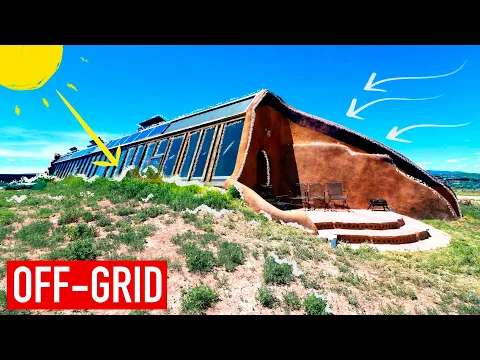
This means that, even when the outside air heats up intensely, the ground surrounding the construction functions as a natural barrier against excessive heat gain.
Why the Soil Keeps the Temperature More Stable
The physics behind partially buried houses is straightforward: direct contact with the ground reduces solar incidence on the exposed walls, limiting thermal gain during the hottest hours of the day.
While a conventional residence absorbs solar radiation on all four external faces, the partially buried structure protects a significant part of its surface with the ground itself.
Additionally, the soil acts as a passive temperature regulator throughout the seasons. In the summer, it absorbs some of the external heat before it reaches the interior of the building.
In the winter, on the other hand, the same layer of earth retains the heat generated internally, reducing thermal losses to the external environment and making the building more efficient at any time of the year.
Planned ventilation complements this mechanism. Strategically positioned openings on the exposed faces of the building favor natural air circulation, enhancing thermal comfort without the need for mechanical systems.
The combination of ground contact, reduced solar exposure, and cross ventilation can keep the internal temperature between 5 °C and 10 °C below the external temperature recorded outdoors.
Economic Advantages in the Interior of Brazil

In regions where dry and hot weather predominates for much of the year, such as the interior of São Paulo, Minas Gerais, Goiás, and Mato Grosso, dependence on artificial cooling systems leads to significant energy bills for families.
However, partially buried houses offer an alternative that structurally reduces this dependence, without requiring expensive equipment or constant maintenance.
As the structure maintains a more stable internal temperature throughout the day, residents consistently and predictably reduce their energy expenses throughout the year.
The initial investment can be offset by energy savings in the medium and long term, making the model especially attractive for low-income populations in regions of intense heat.
Additionally, the benefit is not limited to thermal comfort. Partially buried houses have a lower visual impact on the landscape and integrate more naturally with the terrain’s contour, without requiring extensive soil movement or dramatic changes to the original topography of the lot where they will be built.
Thermal Performance Comparison Between Systems
Contact with the ground keeps the internal temperature more stable, directly reducing the need for air conditioning during peak heat hours.
On the other hand, the reduced solar exposure of the buried walls decreases the thermal gain accumulated throughout the day, preventing the building from acting as a heat reservoir after sunset.
Natural ventilation, when properly planned, improves residents’ thermal comfort without activating electrical equipment.
Together, these three mechanisms — ground contact, solar protection, and cross ventilation — create a passive climate control system that can eliminate or drastically reduce the use of conventional air conditioning.
Compared to conventional residences of the same size, partially buried houses tend to exhibit significantly lower electricity consumption during the summer months, as indicated by energy performance studies of passive buildings published in specialized international journals.
Essential Technical Care in Construction
Although the model offers evident thermal advantages, the project requires rigorous technical planning from the initial conception phase.
Efficient waterproofing is the most critical element of construction, as any failure in this protective layer can result in water infiltration, excessive moisture, and structural compromise over time.
Architects and engineers must carefully assess the type of soil, the drainage capacity of the terrain, and the appropriate ventilation system before starting construction.
Clay soils, for example, tend to retain more moisture and require more robust waterproofing solutions than sandy or rocky terrains with good natural permeability.
Additionally, the drainage system around the building needs to be designed to divert rainwater before it reaches the buried walls.
An efficient drainage system, combined with quality waterproofing, ensures that partially buried houses maintain high thermal performance without compromising the durability of the construction over the decades.
The model also requires special attention to natural lighting in buried areas. The orientation of the exposed façade, the size of openings, and the use of light wells or skylights are elements that determine the quality of life inside the building, avoiding environments with a sense of confinement or excessive darkness.







Seja o primeiro a reagir!