





 Portuguese
  English
  Spanish
  5 min of reading
  0 comments


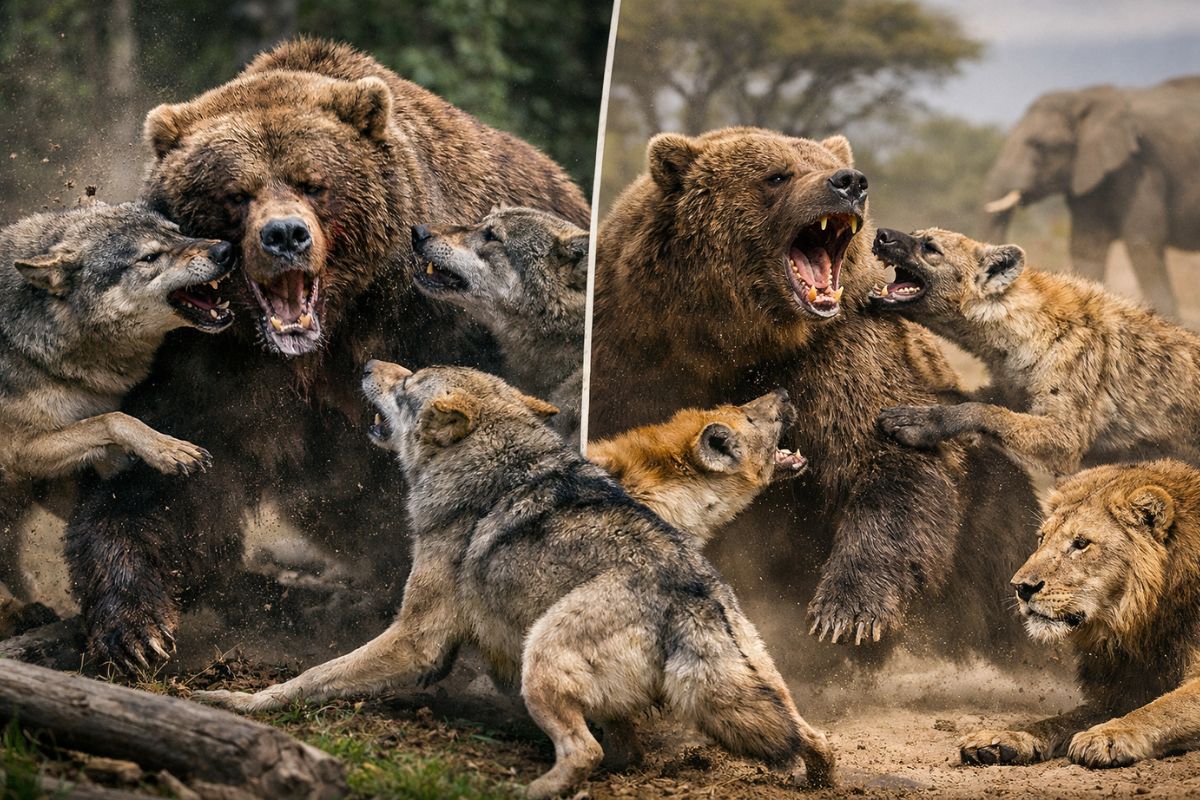
From Yellowstone To Alaska And Through The Forests Of Eurasia, Biologists Observed Brown Bears Coexisting With Packs Of Wolves, Herds Of Bison, And Siberian Tigers. Although The Bear Has Superior Strength And Mass, Behavioral Ecology Reveals That These Predators Avoid Unnecessary Confrontations. In Comparative Terms, This Would Explain Why They Would Avoid Interactions With Giants Like Hippos Or Elephants If They Coexisted.
Brown bears are seen as the apex of terrestrial strength in North America, especially in areas like Yellowstone National Park and regions of Alaska, where size, endurance, and aggressiveness have shaped their reputation as invincible predators.
What field observations reveal is that brown bears do not win just by strength, but decide based on risk, environment, and chance of injury, a vital calculation in ecosystems where surviving the winter depends on every step and every choice.
Why Brown Bears Seem Invincible

Brown bears are among the largest terrestrial carnivores on the planet.
-
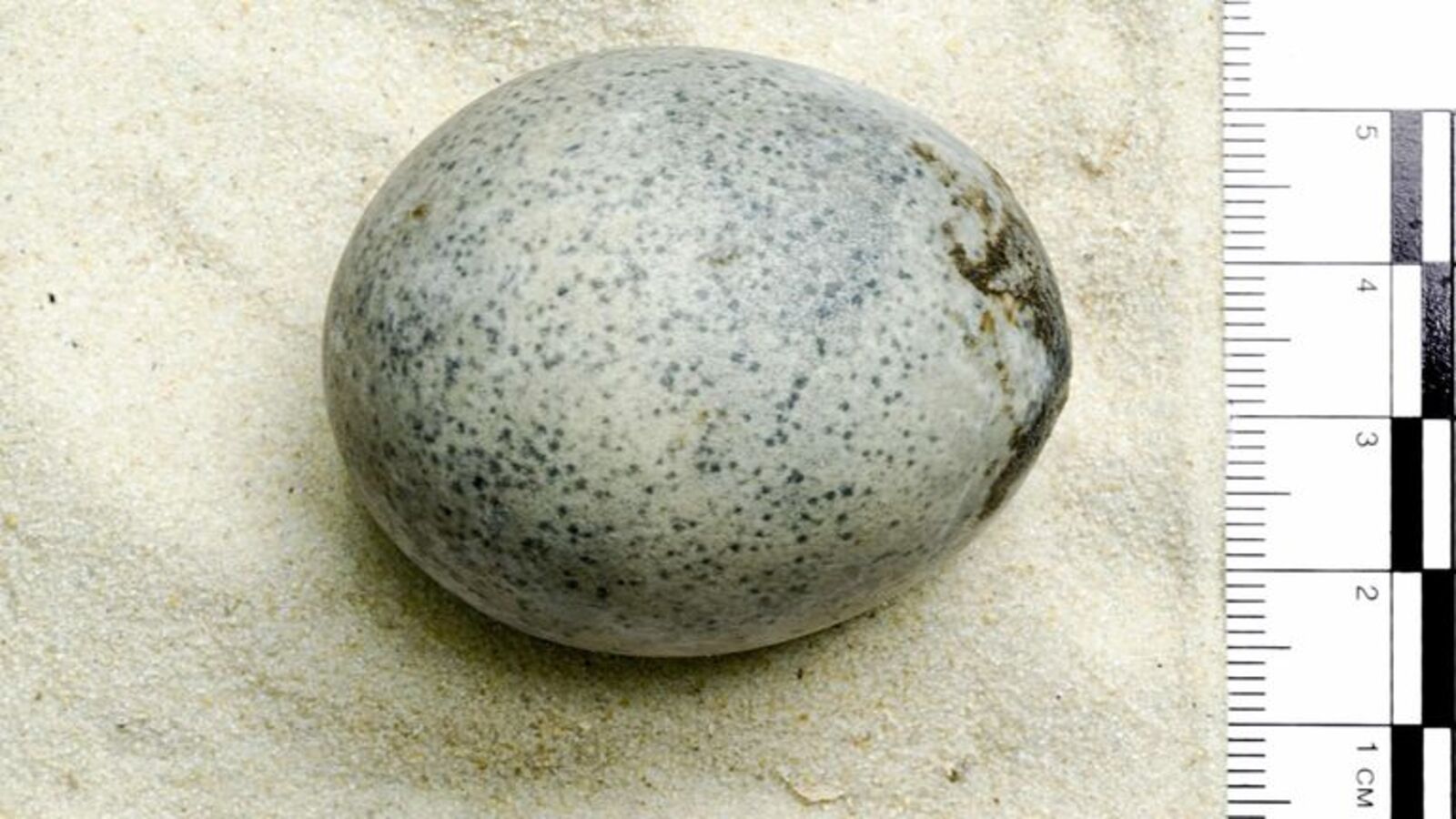
In a flooded well, archaeologists found a 1,700-year-old Roman egg that still contains clear and yolk intact inside the very thin shell.
-
Something is happening around the Earth: Inside the huge explosion of fireballs in 2026

-
A hot air bubble coming from Argentina expands over Brazil, causing thermometers to exceed 38 degrees with a thermal sensation of 40 degrees in late March, affecting 6 states at once.

-
The radish leaf that almost everyone throws away has more polyphenols, flavonoids, and fiber than the consumed root, and a 2025 study showed that the leaf contains compounds that protect the intestine, combat inflammation, and may inhibit the growth of cancer cells.


Adult individuals can weigh over 400 kilograms, and in regions of Alaska, some reach even higher values.
When they rear up, they reach over two meters in height, easily surpassing an adult human.
The combination of size, muscle mass, and speed has constructed the image of an absolute predator.
Additionally, brown bears possess long, curved claws, an extremely powerful bite, and the ability to run faster than any person.
The thick layer of fat and muscle acts as natural protection against impacts and injuries, allowing them to endure situations that would be fatal for other animals.
The Invisible Calculation That Decides Confrontations
Despite this impressive strength, brown bears live under an unyielding rule of nature.
An injury can mean a slow death, as an injured leg or an infected bite prevents hunting and drastically reduces chances of survival.
Thus, when brown bears perceive that a confrontation involves a high risk of injury, the tendency is to retreat.
It is not about fear but strategy. A mistake today can cost an entire feeding season and one’s life months later.
Conflicts Between Brown Bears In Their Own Territory

In regions like Yellowstone, the first rivals of brown bears are themselves. Adult males compete for carcasses, hunting areas, and travel routes.
These confrontations are rarely symbolic.
There are records of fatal attacks between individuals of the same species, showing that even among equals, there is no tolerance when resources are at stake.
These internal disputes reinforce that physical strength does not guarantee safety.
Even a dominant bear can be injured in a direct clash with another brown bear of similar size.
The Encounter With The Polar Bear In The Far North

In the Arctic, the territories of brown bears and polar bears begin to overlap.
The polar bear is usually larger and heavier, while the brown bear is more agile and accustomed to constant competition.
Observations in coastal areas show that there is no absolute winner, and the outcome depends on context, the time of year, and the physical condition of each animal.
In some cases, brown bears advance and dominate feeding areas.
In others, polar bears expel or even kill cubs. The environment defines who has the advantage.
When Bison Turn Prey Into Threat

In the plains of Yellowstone, bison are a clear example of how number and mass outweigh individual strength.
An adult bison can weigh more than a brown bear, and a moving herd forms a virtually impassable living barrier.
Faced with a united group, brown bears rarely attack. They prefer isolated, sick, or injured individuals.
Confronting dozens of animals running together greatly increases the risk of fractures and serious injuries.
Wolves And The Power Of The Organized Pack

Wolves are much smaller than brown bears, but in Yellowstone, they show how strategy surpasses muscles.
Working in packs, they surround, provoke, and exhaust the bear until it abandons the contested carcass.
The attacks from wolves do not seek to kill the bear but create discomfort and a continuous risk of injury.
Quick bites on the paws and flanks make the bear calculate whether it’s worth insisting. Many times, the answer is to retreat.
Crocodiles And The Total Change Of The Battlefield

In tropical regions of Asia, the confrontation with saltwater crocodiles occurs in a completely different scenario.
In the water, the brown bear loses almost all of its advantages.
The crocodile ambushes, drags to the bottom, and uses the power of its bite to quickly neutralize the prey.
The crocodile’s natural armor and mastery of the aquatic environment make the terrestrial strength of brown bears practically useless in these encounters.
African Giants That Don’t Need To Fight

In Africa, hippos, rhinos, and elephants represent a scale of power based on tons of body mass.
A single attack from a hippo or rhino can be fatal, while an elephant imposes its presence simply by size.
These animals do not need to hunt brown bears.
Just existing in the same space makes confrontation unfeasible, as the physical impact would be devastating.
Humans And Climate Change As A Constant Threat
Besides animals, brown bears face two silent adversaries.
Human expansion has drastically reduced their territory in North America, fragmenting habitats and increasing conflicts.
Roads, trash, and settlements change the behavior of brown bears and increase the risk of deaths.
Climate change also alters snow cycles and food availability, forcing brown bears to travel greater distances and take on increasing risks.
The continuous wear weakens even the strongest predator.
Brown bears remain extraordinary animals, but nature shows that adaptation, strategy, and environment define winners. In many cases, retreating is the most intelligent decision.
In your opinion, which of these adversaries represents the biggest challenge for brown bears in the wild?







-

-

-

-

-

-

19 pessoas reagiram a isso.