





 Portuguese
  English
  Spanish
  5 min of reading
  0 comments


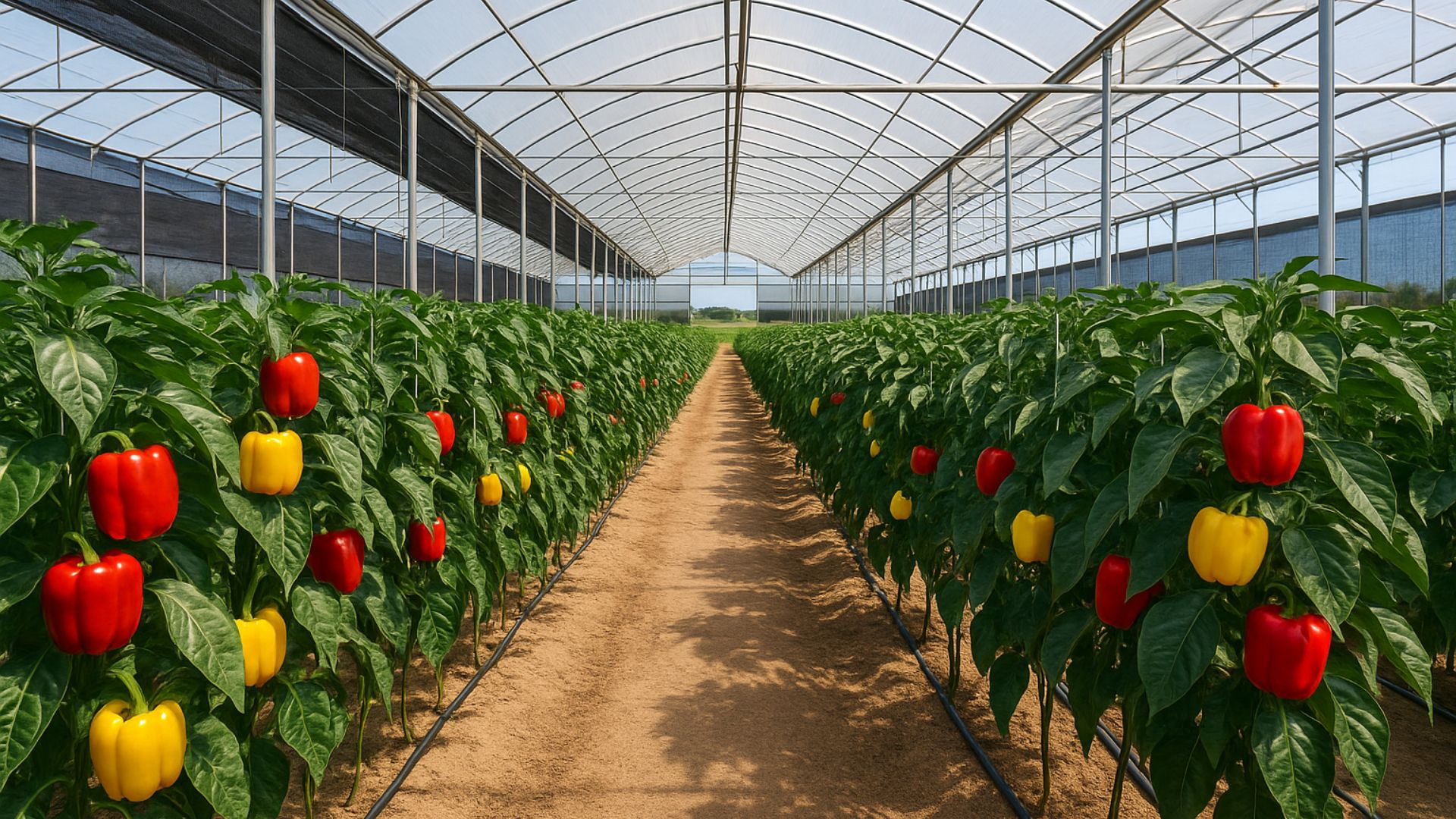
Intensive Greenhouse System in Itápolis Transforms Pepper Production, Extends Cycles, Reduces Losses, and Reinforces the Use of Technologies Such as Fertigation and Harvest Carousel.
In the interior of São Paulo, the municipality of Itápolis has consolidated a hub of pepper production in a protected environment that delivers 10 thousand boxes per harvest per hectare, with productivity up to 30% higher than conventional cultivation.
In an area previously occupied by family gardens, around 50 producers have structured an intensive greenhouse system that maintains a regular supply of colored pepper for the São Paulo market and for exporters, reducing losses caused by climatic variations.
Leading this structure are producers Daniel Antonio Vicentin and José Paulo Martins dos Santos, known as Paulinho, who transformed a single greenhouse installed in 2013 into a set of 4,200 square meters covered.
-
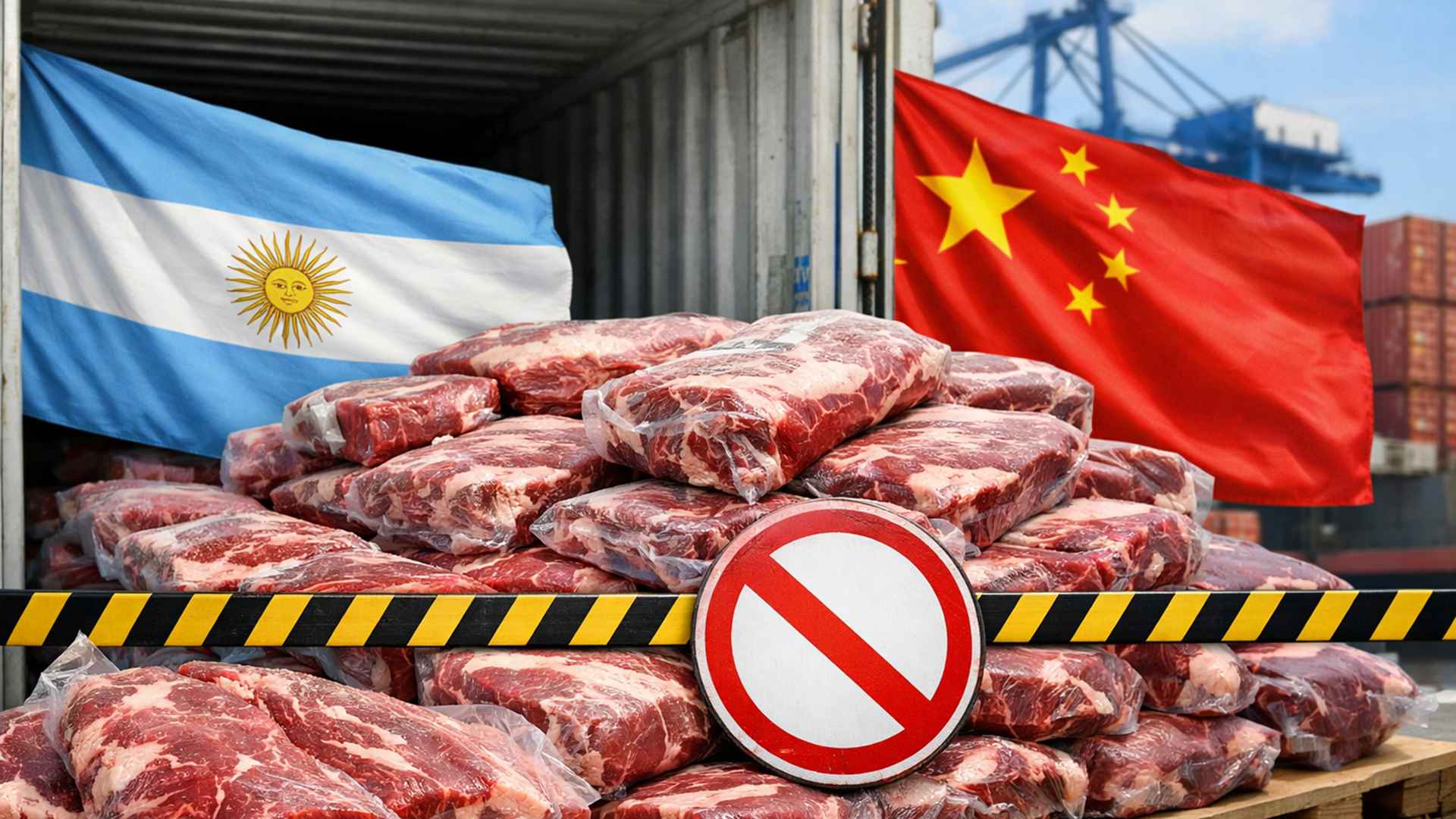
China banned the export of 22 tons of meat from Argentina.
-
While Russia dominates the global wheat market, Brazil emerges as an unexpected competitor in the Cerrado, offering grain available in July and August when stocks in the Northern Hemisphere are at their lowest point of the year.

-
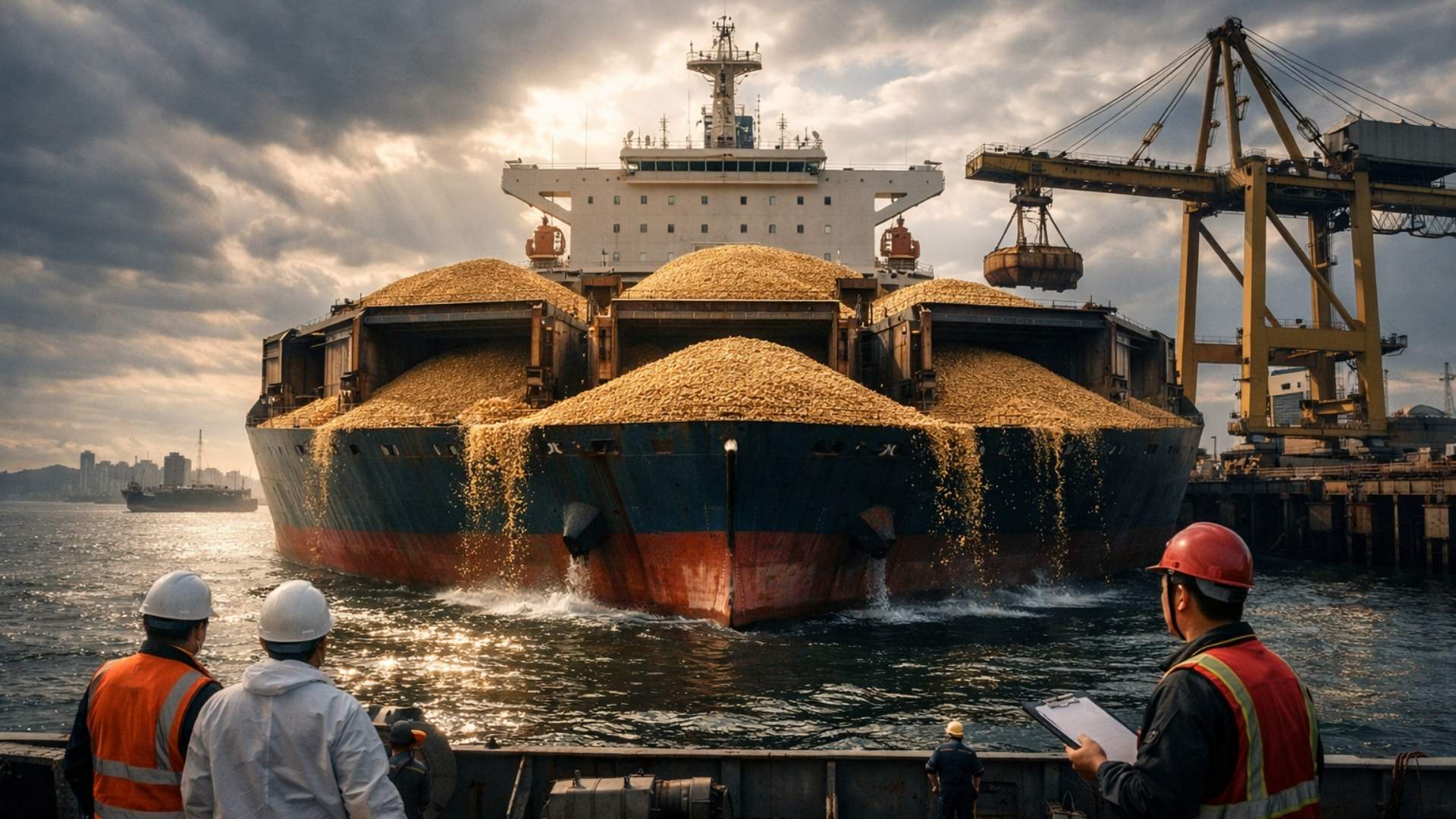
China returned almost 20 Brazilian ships with soybeans, but now everything could change: the country that buys 80% of the grain is considering relaxing regulations after impurities held up shipments of thousands of tons and caused million-dollar losses.
-
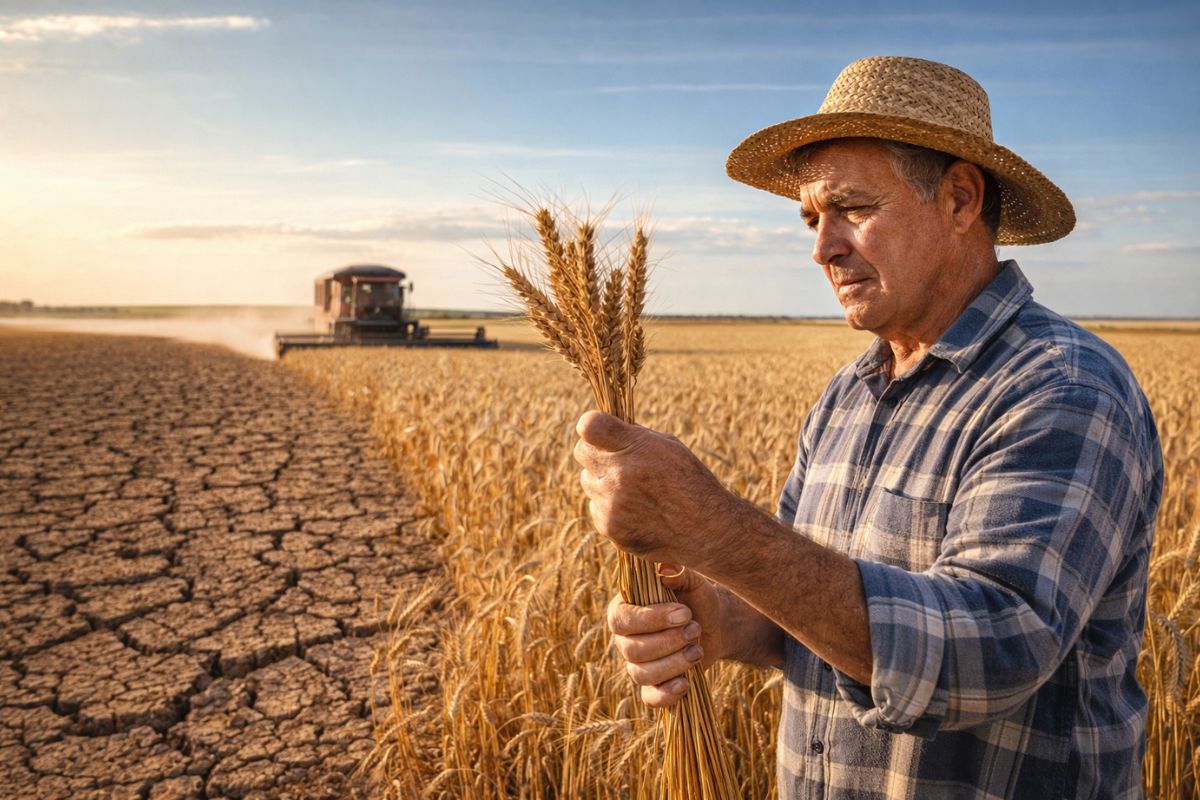
The drought of the cerrado was considered an enemy of wheat, but Brazilian scientists turned the lack of rain into a competitive advantage by creating a grain with quality that is already attracting the attention of international mills around the world.

The unit uses wooden greenhouses, drip fertigation, shading nets, and carousel harvesting.
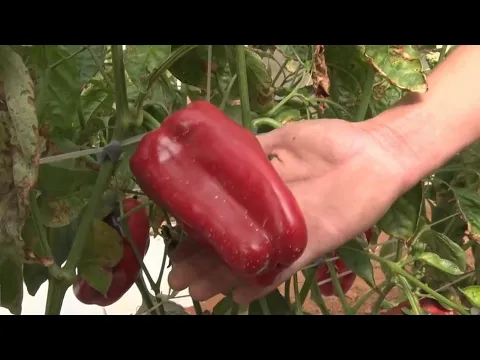
The main focus is on red and yellow peppers of the Lamuyo variety, classified as premium by retail buyers.
Greenhouses and Microclimate in Pepper Cultivation

The greenhouses are adopted as an alternative to the climatic fluctuations of the Southeast, where irregular rains, extreme temperatures, and pests such as aphids can reduce the productivity of open-field crops by up to 25%, according to the Coordination of Technical Assistance (CATI).
In Itápolis, approximately 80% of the greenhouses dedicated to peppers are concentrated in 10 hectares.
These structures allow control of temperature, humidity, and ventilation, which, according to CATI technicians, contributes to extending the harvest cycle from 5 to up to 9 months.
In protected conditions, plots can reach 150 tons per hectare, a volume superior to that obtained in open fields.
Each plant produces, on average, one box of 12 kilograms per harvest, a result associated with the controlled environment and the use of more vigorous hybrids.
In the region encompassing the CATI Regional offices of Jaboticabal, Araraquara, and Catanduva, technical studies indicate 110 hectares of greenhouses dedicated to vegetables, with peppers accounting for about 80% of this total.
Drip Fertigation and Precise Nutrition
Drip fertigation constitutes the main technological component of the system, distributing water and nutrients directly to the roots.
The fertilization is adjusted based on weekly soil and nutrient solution analyses.
Automated mixing tanks distribute nitrogen, potassium, and calcium in controlled doses.
Producer José Paulo Martins stated in an interview with CATI that “drip avoids excesses that wash away nutrients and prevents fungi like downy mildew, which decimate exposed crops.”
The technique also reduces water consumption by about 40% compared to sprinkler irrigation.
The precision in nutritional management favors the soluble solids content, which reaches 7 Brix degrees, a characteristic valued in retail.
Wholesale data indicated an increase in the average price of boxes of colored peppers in 2024, reflecting higher demand for products with greater uniformity.
Shading, Ventilation, and Soil Management
To stabilize the internal environment during summer, the greenhouses use shading nets, such as the Aluminet model, which reduces light by about 30%.
The installation helps maintain the temperature below 32 ºC, the limit recommended by agronomists to avoid leaf damage and premature flower drop.
Natural ventilation through side and top openings helps maintain relative humidity around 70%, a condition considered adequate for flowering and to reduce the spread of fungal diseases.
In the soil, the use of sorghum as cover protects against erosion, conserves moisture, and suppresses weeds.
After periodic cuts, the biomass returns to the system.
The annual application of organic matter, such as cattle manure compost, improves soil structure and its water retention capacity, favoring productive cycles of up to 120 days of active harvest.

Harvest Carousel and Reduction of Losses
During the harvesting phase, the farm uses a carousel system with elevated conveyor belts, which moves the rows of staked plants to about 1.5 meters high.
This configuration, according to local producers, facilitates access to the fruits and reduces repetitive effort, allowing the harvest of up to 500 boxes per day.
The peppers are manually harvested when they reach about 15 centimeters and a color around 90% maturity.
In an interview with the AgroLink portal, Daniel Vicentin stated that “the carousel turns the plants in all directions, reducing fatigue and errors and ensuring uniform calibers.”
The system helps reduce post-harvest losses to about 5%, a percentage lower than that recorded in unprotected crops, according to technicians monitoring the region.
Seedling Production, Hybrids, and Biological Control
The process begins in greenhouses where seedlings are produced in trays of 200 cells.
Under shading of about 50%, the plants germinate and reach 15 centimeters in height before transplanting, about 30 days after sowing.
The soil is corrected to a pH close to 6.5, followed by liming and base fertilization.
Among the hybrids used, technicians cite cultivars like Magnum F1, selected for resistance to viruses.
The spacing of 40 by 60 centimeters results in about 25 thousand plants per hectare.
The pruning guides the plants to four stems, while continuous pest monitoring uses traps and weekly inspections.
According to agronomists working in the municipality, the use of biological control, such as ladybugs for aphid containment, reduces insecticide application by approximately 50%.
In 2024, estimates from the Agricultural Economy Institute (IEA) indicated that production in Itápolis greenhouses reached 120 tons per hectare, above the state average.
Investments, Economic Return, and Expansion of Greenhouses
The adoption of greenhouses requires a considerable initial investment, estimated by producers at around R$ 50 thousand for the first structures, with a return in approximately two years.
Operational margins hover around 40%, with a cost per box close to R$ 15, according to producers’ calculations.

In 2023, the municipalities surrounding Itápolis totaled 110 hectares of protected environments, with 88 hectares for peppers, 16.5 for cucumbers, and 5.5 for tomatoes.
State data indicate that in 2018, São Paulo produced about 113 thousand tons of peppers on 2,560 hectares.
Programs like the Integrated Pepper Production (PIP) adopt monitoring through applications and predictive models, reducing pesticide use by about 30%, according to technical reports.
Market, Quality, and Ongoing Research
The implementation cost, close to R$ 120 per square meter in the most complete greenhouses, represents one of the main obstacles to expanding the model, according to experts consulted by local entities.
Market studies indicate that the peppers produced in Itápolis meet niches that demand thick skin, firmness, and shelf life of up to 15 days.
Partnerships with research centers, such as Embrapa Vegetables, evaluate anti-UV protection nets and new covering materials that could raise yield by about 10%, according to researchers involved in the tests.
Cooperatives in the region are also negotiating fixed contracts with retail chains using traceability via QR code, a practice required by some international buyers.
With projections indicating a higher frequency of extreme weather events in the coming decades, technicians assess that greenhouses of the type adopted in Itápolis are likely to gain ground in the cultivation of vegetables; the discussion among farmers and specialists is whether this model can be expanded to increase access to colored peppers in low-income urban centers?






-

-

3 pessoas reagiram a isso.