





 Portuguese
  English
  Spanish
  4 min of reading
  0 comments


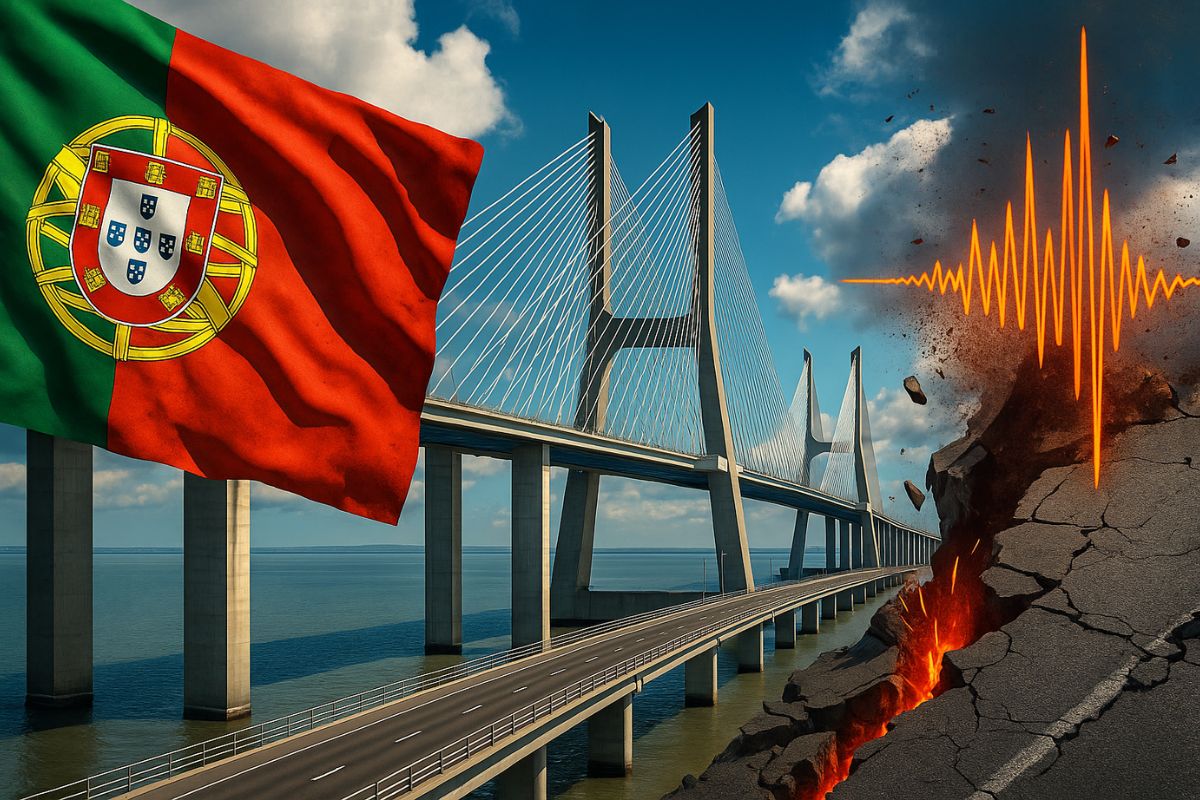
With 17.2 km over the Tagus estuary, the longest bridge in the European Union was designed to withstand winds of up to 250 km/h and an earthquake 4.5 times more intense than the Lisbon earthquake of 1755, consolidating a new logic of metropolitan mobility.
The longest bridge in the European Union was born to relieve pressure on the historic crossing of Lisbon and to reorganize flows across the entire Tagus riverbank. Inaugurated in 1998, the Vasco da Gama Bridge efficiently connects both banks of the Portuguese capital, creates road redundancy, and sets a standard of structural resilience that directly engages with the memory of the seismic event of 1755.
Beyond its monumental length, the work was designed for an estimated lifespan of 120 years, with aerodynamic and seismic performance exceeding the requirements of the time. The layout, which combines long viaducts and cable-stayed sections, reduces impacts on the estuary and ensures navigability, transforming the crossing into a strategic infrastructure for the metropolitan region.
Why the Bridge Was Built and What It Solved
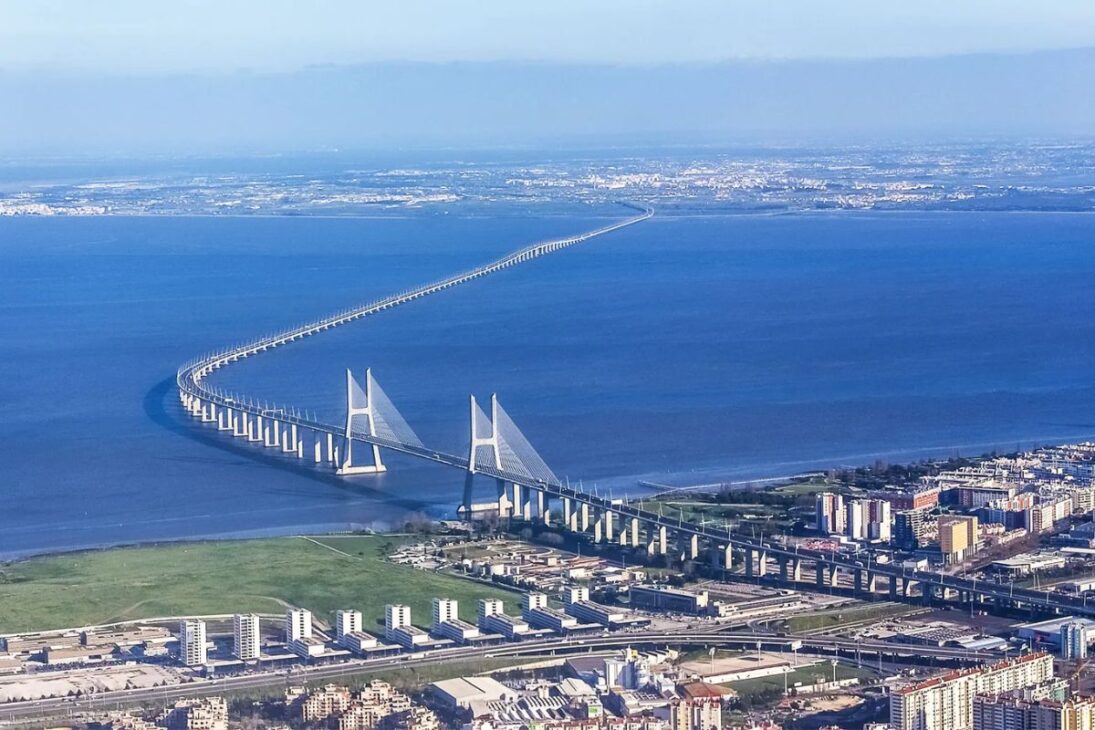
Urban expansion and traffic growth rendered the capacity of the 25 de Abril Bridge insufficient, requiring a structural alternative to distribute flows and ensure operational safety.
-
Italian researchers have detected what appears to be a second Sphinx buried under the sands of Egypt, and satellite scans reveal a gigantic underground megastructure hidden beneath the Giza Plateau for over 3,000 years.

-
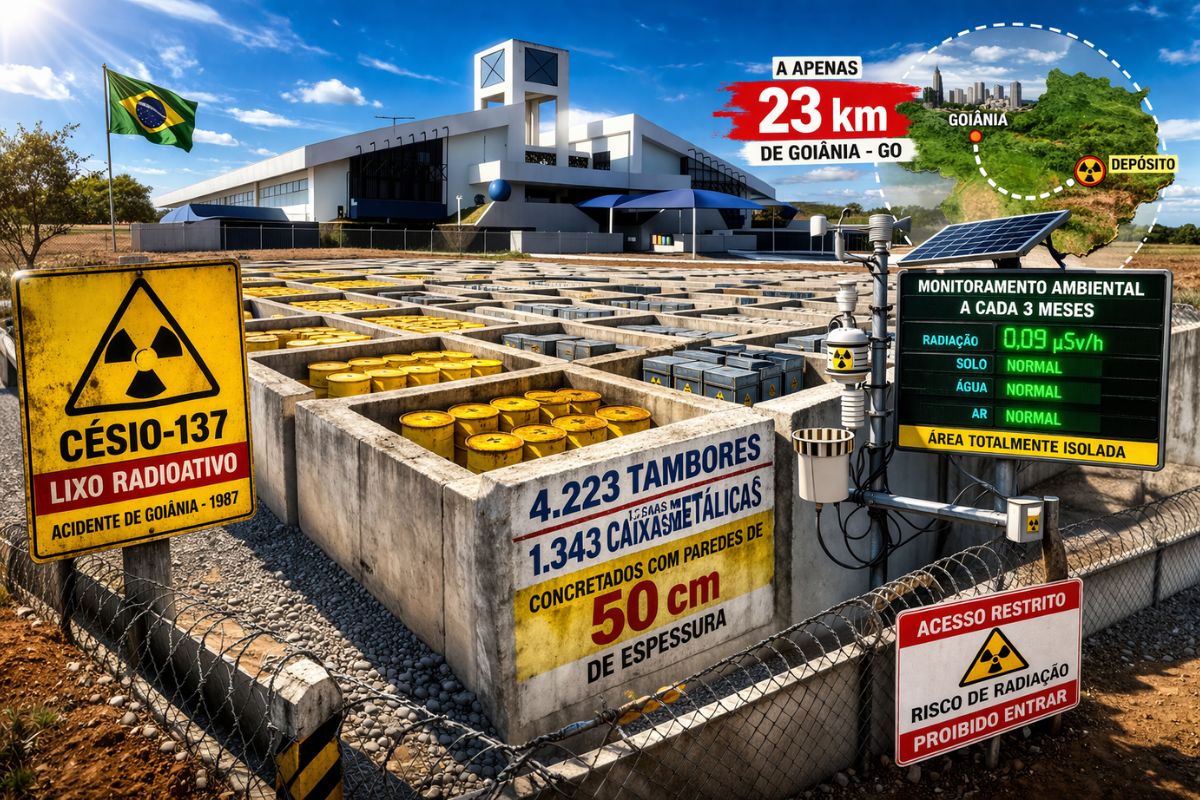
There are 4,223 drums and 1,343 metal boxes concreted with 50-centimeter walls that store the radioactive waste from Cesium-137 in the worst radiological accident in Brazil, just 23 kilometers from Goiânia, with environmental monitoring every three months.
-
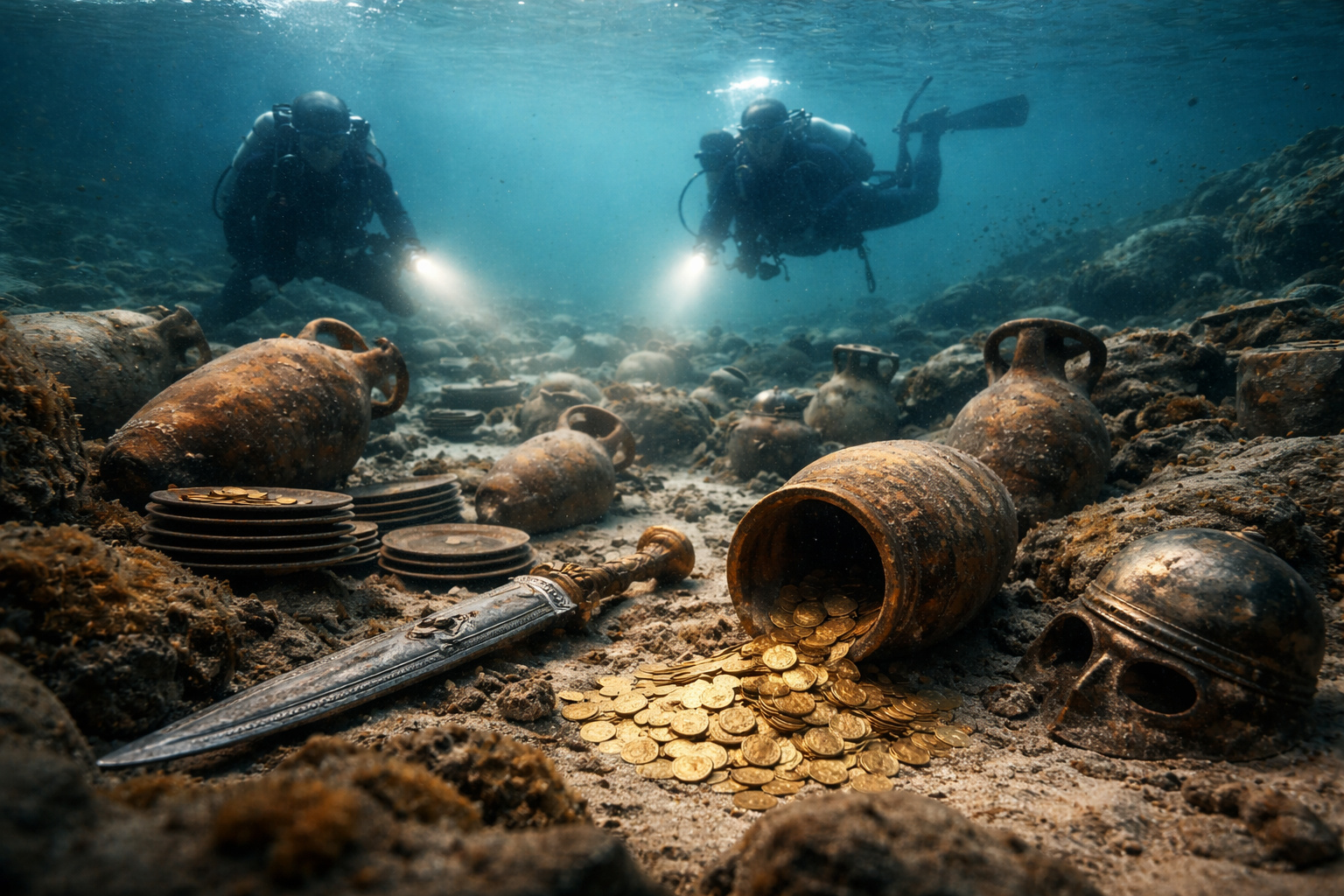
Giant Roman treasure found at the bottom of Lake Neuchâtel in Switzerland reveals an advanced trade system, circulation of goods, and armed escort in the Roman Empire about two thousand years ago.
-
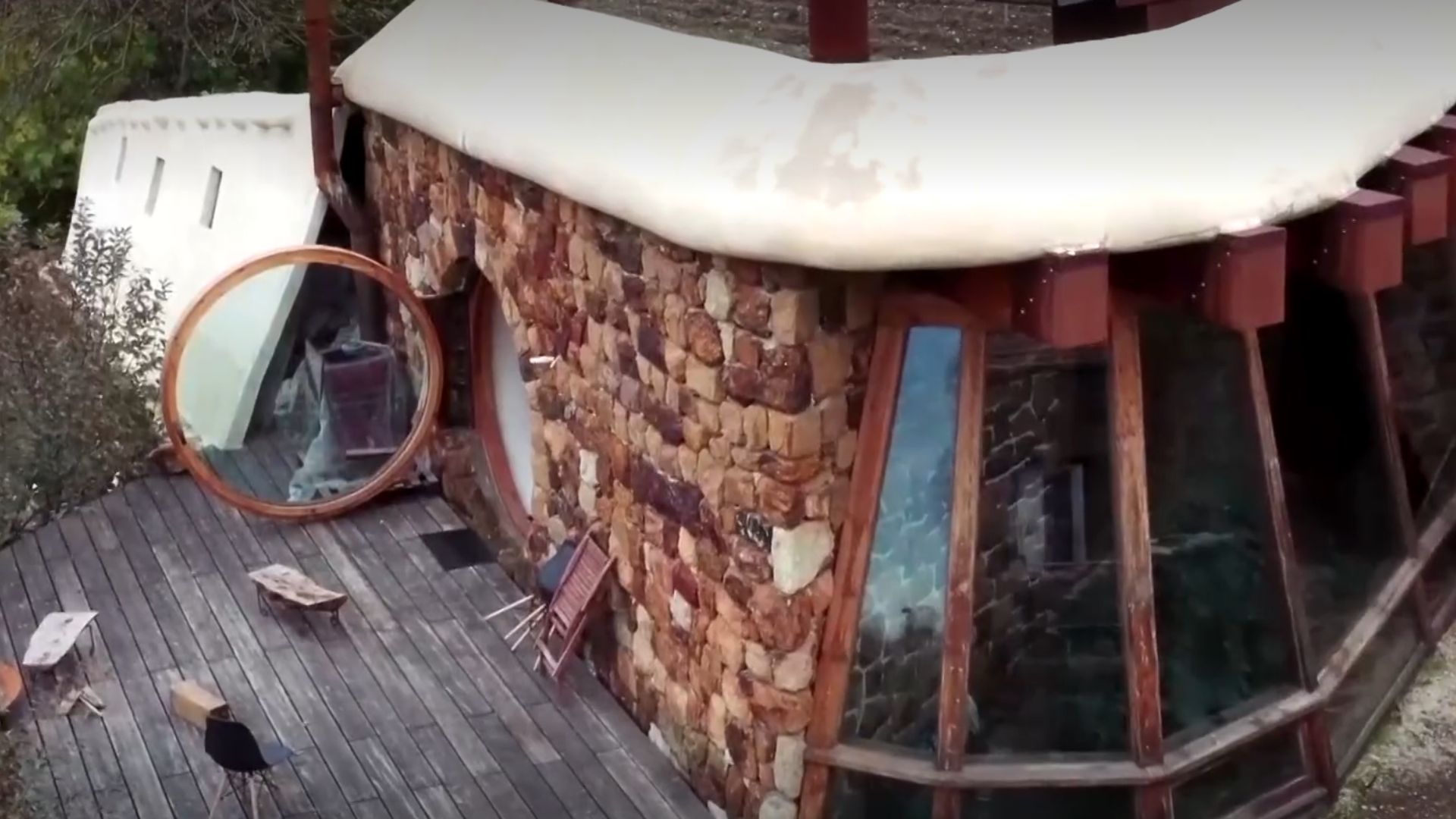
He buried 1,200 old tires in the walls to build his own self-sufficient house in the mountains with glass bottles, rainwater, and an integrated greenhouse.

The choice of the estuary for the new connection took into account geometry, environment, and logistics, targeting not only Expo 98, but the following decades of demand.
In economic terms, the Vasco da Gama reduced travel times, increased logistical predictability, and diversified routes, essential factors in areas with high pendularity.
For the territory, the crossing organized new centralities and expanded the range of residential and productive opportunities.
The Structural Design Supporting 17.2 km
The bridge combines long viaduct sections with larger span segments and cable-stayed elements, creating a system that balances rigidity, weight, and dissipation capacity.
This arrangement allows for adaptation to the Atlantic wind regime and the dynamics of the estuary, maintaining traffic comfort and safety.
About 12.3 km are over water, which requires foundation solutions with settlement control and strict corrosion protection.
The geometry of the pillars and the positioning of supports minimize hydraulic interference and preserve ecological corridors in the Tagus.
Seismic Engineering and Wind Resistance
The project was designed to withstand a seismic event 4.5 times stronger than the earthquake of 1755, whose magnitude is estimated between 8.5 and 9.0.
This goal translated into isolators, joints, and redundancies that allow controlled deformations and energy dissipation without loss of integrity.
In the aerodynamics field, the deck and the cable-stayed elements were designed to withstand winds of up to 250 km/h.
Low drag profiles, edge details, and vortex control contribute to reducing vibrations, ensuring comfort and stability even in severe conditions.
Lifespan of 120 Years: Operation and Maintenance
The projected lifespan of 120 years relies on selected materials and scheduled inspection and maintenance routines, focusing on joints, supports, stays, and anti-corrosion protection.
In structures of this scale, maintenance is part of the design, not an accessory: performance over time depends on continuous monitoring and targeted preventive interventions.
Operational management prioritizes availability and safety, with contingency plans for climatic events and maintenance during scheduled windows. Longevity is not casual, it’s a product of engineering, operation, and conservation discipline.
Urban and Symbolic Impact
Beyond mobility, the Vasco da Gama reconfigured the mental map of Lisbon, stitching together margins and creating critical redundancy in case of interruptions at the other crossing. The symbolism is unmistakable: the work transforms a historical trauma into design criteria, showing that the city learns from the past to build a safer future.
In the estuary, the final solution balances functionality, landscape, and ecology, with a profile that asserts itself without disrupting the broad reading of the Tagus.
The longest bridge in the European Union has also become a visual landmark and a symbol of resilience.
How the Bridge Compares to Other Giants
Lists of large bridges around the world often mix total length, structural type, and context. In this mosaic, the Vasco da Gama stands out for its continuous length of 17.2 km and for a set of seismic and aerodynamic requirements that are rare in European infrastructures.
The result is a reference work for long crossings in coastal environments.
The position of longest bridge in the European Union reinforces the strategic relevance of the connection, not only for Lisbon but for Iberian logistical corridors, contributing to mobility integration and the resilience of the road network.
The Vasco da Gama Bridge proves that infrastructure can be memory, technique, and future in the same design.
By combining 17.2 km of crossing, reference seismic resistance, and lifespan of 120 years, it rebalances metropolitan mobility and raises the safety standard in coastal works.
What aspect impresses you most about the longest bridge in the European Union: seismic engineering, the length over the Tagus, or the urban impact in Lisbon?









-

Uma pessoa reagiu a isso.