





 Portuguese
  English
  Spanish
  4 min of reading
  2 comments


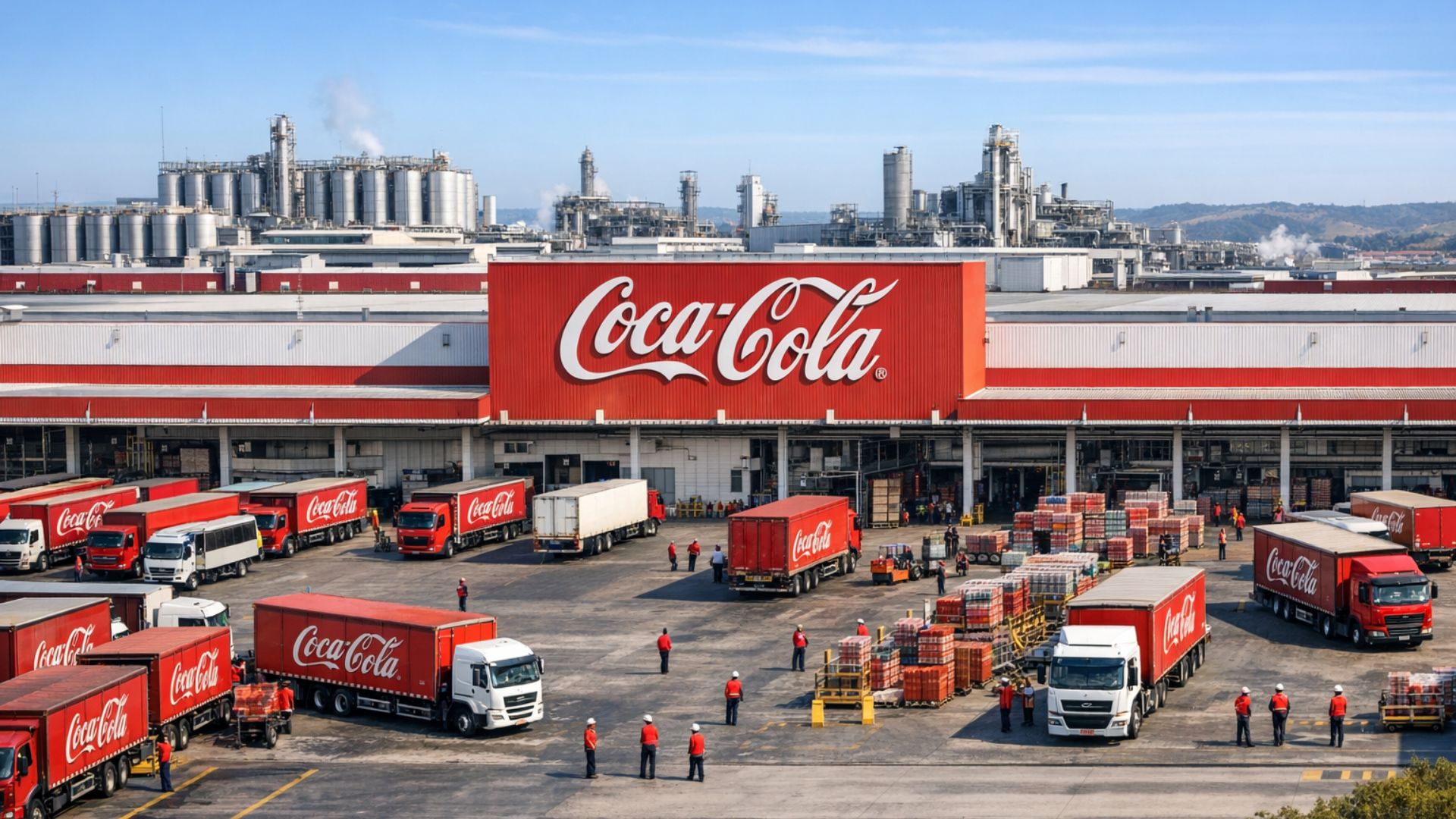


Billion-Dollar Investment Reinforces Coca-Cola’s Industrial Strategy in Brazil and Expands Bet on Factories and Distribution Centers by 2030, Showcasing the Largest Unit of the Company in the World Located in the Interior of São Paulo.
Coca-Cola will invest R$ 30 billion in Brazil by 2030 in new factories and distribution centers, according to an announcement made by Vice President Geraldo Alckmin after a meeting with company executives in Brasília this Thursday (26).
The investment, publicly announced by the federal government, covers all five regions of the country and reinforces the multinational’s strategy for industrial expansion in one of its key global markets.
According to Alckmin, who also heads the Ministry of Development, Industry, Commerce and Services, the plan was presented to President Luiz Inácio Lula da Silva as part of an agenda focused on increasing productive investments.
-
The government requests the Federal Revenue Service for a new system to automate the income tax declaration, reducing errors, time, and bureaucracy for millions of Brazilians.

-
Pix in installments, international Pix, and contactless payment without internet: the Central Bank revealed the new features coming to the tool that is already used by almost every adult in Brazil.

-
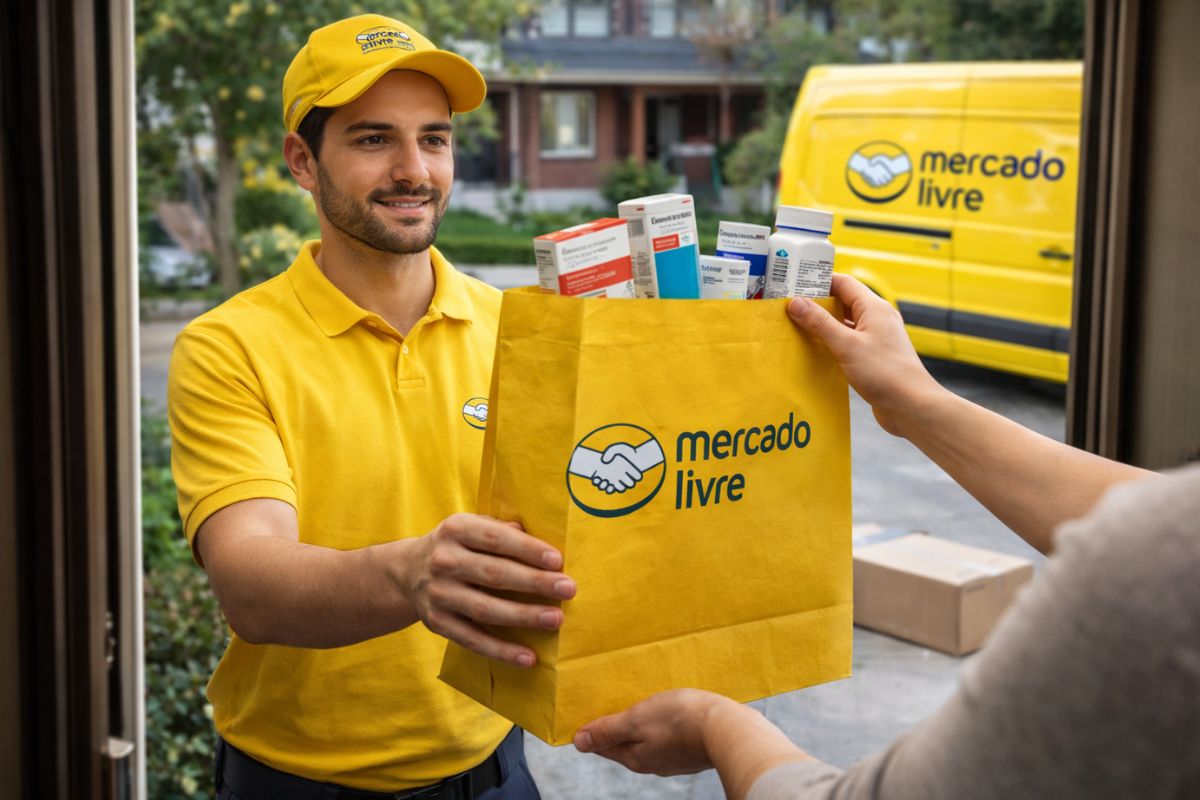
Mercado Livre has just started selling medications with delivery in up to three hours to your door, and this move could completely change the way Brazilians buy medicines on a daily basis.
-
In Dubai, rising tensions from the war in the Middle East are causing super-rich individuals to leave the Gulf and direct their fortunes to a new financial refuge in Asia.


“Coca-Cola, as an industry, announced to President Lula that it will invest, by 2030, R$ 30 billion in new factories and distribution centers all over Brazil,” declared the Vice President.
The announced amount now adds to a recent expansion cycle already underway by the company in the country.
Between 2024 and 2025, the company reported that it had invested R$ 11 billion in Brazil, with R$ 7 billion in the first year and R$ 4 billion in the second, mainly directed towards expanding productive capacity and modernizing existing structures.

Although the official statement does not detail the exact allocation of resources by state, city, or project timeline, the indication suggests a continuation of the strategy to strengthen logistics and industrial operations.
With new units and distribution centers closer to consumer markets, the company aims to reduce operational costs, optimize delivery times, and enhance supply chain efficiency.
Brazil Among the Largest Markets for Coca-Cola
Brazil occupies a relevant position in Coca-Cola’s global system, being the fourth-largest market for the company, behind only the United States, Mexico, and China.
This dimension helps explain the maintenance of a wide and decentralized network, currently comprising 33 factories spread throughout the national territory.
The industrial capillarity allows meeting the needs of both large urban centers and more remote regions, integrating production, storage, and transportation into a large-scale logistics network.
In addition to industrial production, the associated supply chain generates around 570,000 jobs, according to data officially released by the company, considering both direct and indirect activities related to the manufacturing, distribution, and commercialization of beverages.

This number includes workers from manufacturing plants, distribution teams, suppliers of raw materials, and retail professionals who are part of the commercialization ecosystem.
The company’s recent strategy also involves diversifying the portfolio and expanding lines aimed at categories beyond traditional soft drinks.
Today, the system includes products such as mineral water, juices, nectars, teas, and sports drinks, keeping up with changes in consumption patterns and demand for different types of beverages.
Largest Coca-Cola Factory in the World Operates in Jundiaí
Within this national framework, the unit in Jundiaí, located in the interior of São Paulo, stands out as the largest Coca-Cola factory in the world in terms of production volume.
The complex occupies 190,000 square meters and produces approximately 2 billion liters per year, according to institutional information released by the company itself.
Operated by Coca-Cola FEMSA Brasil, the plant has 16 bottling lines that function continuously, supplying different regions and sustaining a significant portion of the national supply.
The strategic location, near major highways and the largest consumer market in the country, facilitates large-scale distribution and reduces logistical distances.
The daily flow of trucks, raw materials, and finished products transforms the unit into a highly active industrial hub, often compared to a small city.
The structure was designed to operate with a high degree of automation, integrating bottling, labeling, inspection, and palletizing processes into a continuous system.

This configuration allows for rapid changes in packaging formats and product categories, enhancing operational flexibility in response to seasonal or regional demand variations.
Expansion, Reusables, and Industrial Modernization
In recent years, the company has launched 14 new production lines, with significant focus on reusable packaging, which caters to different categories and integrates the strategy for industrial efficiency.
Reusable packaging has become relevant in operations, both for cost reasons and for adapting to different consumption profiles in retail.
Although the investment of R$ 30 billion by 2030 has not been detailed by specific segment, the recent expansion indicates a priority for technological modernization and increased productive capacity.
The combination of automation, portfolio diversification, and logistical reinforcement sustains Brazil’s position as a strategic hub within the company’s global system.
At the same time, the unit in Jundiaí symbolizes the already consolidated dimension of industrial presence in the country, integrating global scale and operation within a single complex.
With new investments planned for the coming years, the trend is that the company’s industrial and logistical structure will expand, keeping the country among the top investment destinations for the multinational on the international stage.








É por isso que desemprego está caindo. cada vez mais empresas se sentem seguras pra investir aqui
Todo mundo investindo pesado no Brasil, coisa boa