





 Portuguese
  English
  Spanish
  4 min of reading
  0 comments


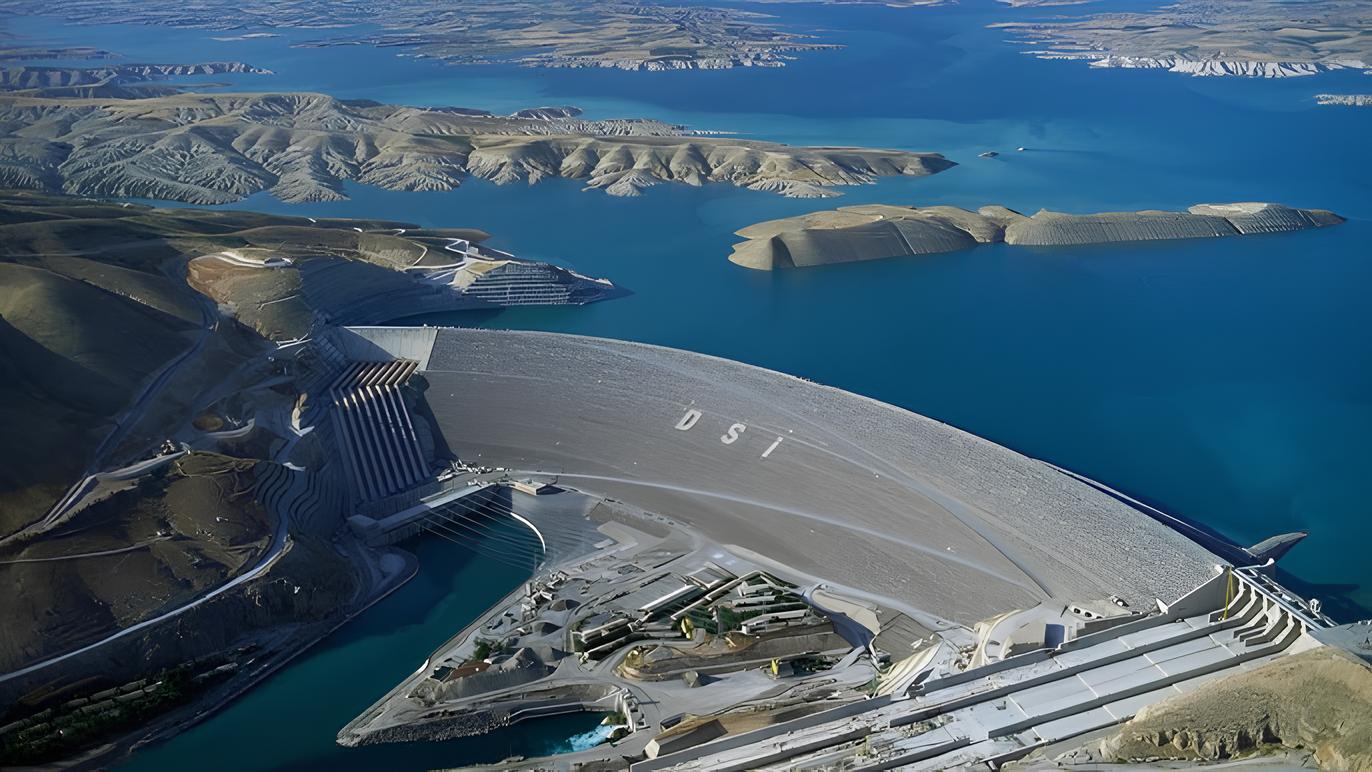
The GAP Project Built 22 Dams and 19 Power Plants in Turkey, Altering the Flow of the Tigris and Euphrates Rivers and Redesigning the Water Balance of the Middle East.
Few modern engineering projects have had such a profound impact beyond their borders as the GAP Project (Southeastern Anatolia Project). Conceived by Turkey in the 1970s and accelerated in the following decades, the plan transformed two of the most symbolic rivers in the history of civilization, the Tigris and Euphrates, into axes of energy, agricultural, and political control.
These rivers are not just waterways. They sustained Mesopotamia, the cradle of some of the world’s first cities, and still supply millions of people in Iraq and Syria today. By constructing an integrated system of dams and hydroelectric plants in their headwaters, Turkey effectively came to control the flow of water reaching downstream countries.
The Scale of GAP: 22 Dams and 19 Hydroelectric Plants in a Single System
The GAP Project is not an isolated dam but a integrated hydraulic complex. It brings together 22 dams and 19 hydroelectric plants, mainly distributed in the basins of the Euphrates and Tigris rivers in southeastern Turkey.
-
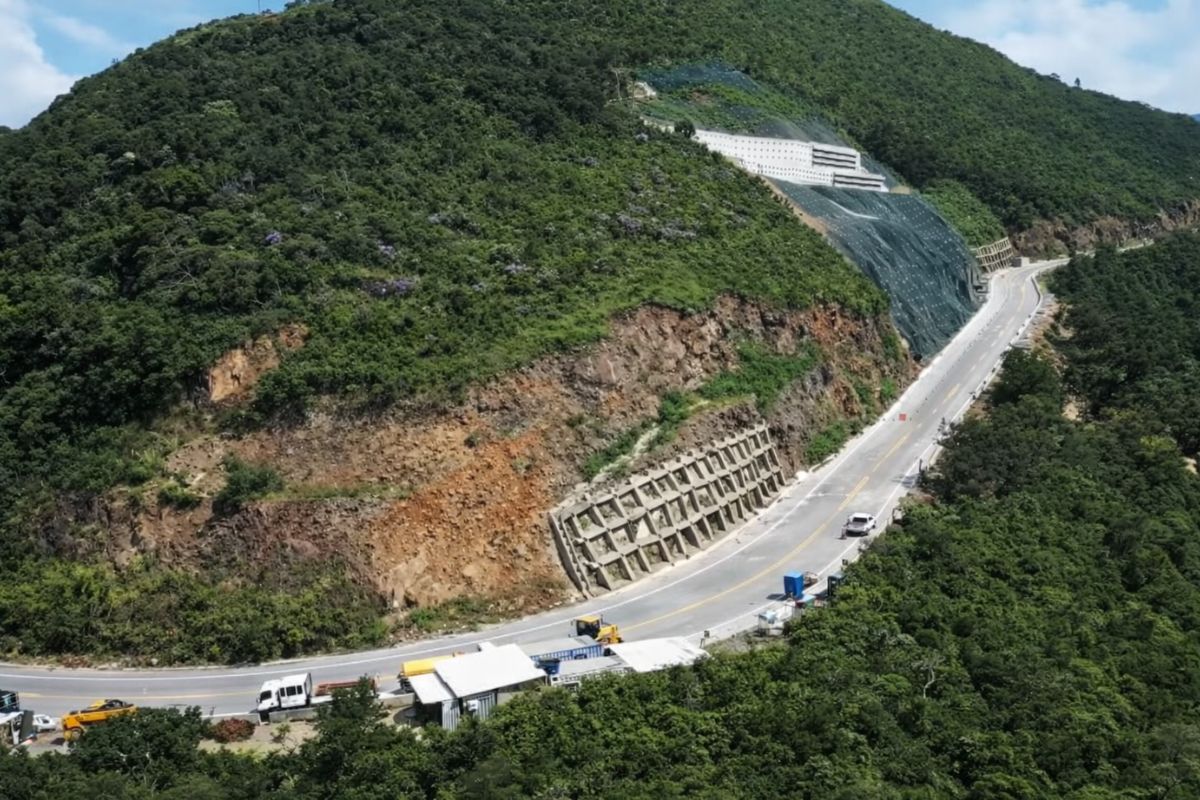
The section of Serra da Rocinha on BR-285 is now open in Timbé do Sul: 50 m tensioned curtains and top-down technique stabilize the slope, with a stairway duct controlling the water.
-
Scientists use sawdust mixed with clay to create a lighter brick, promising efficient thermal insulation and impressing by transforming waste into a solution for construction.

-
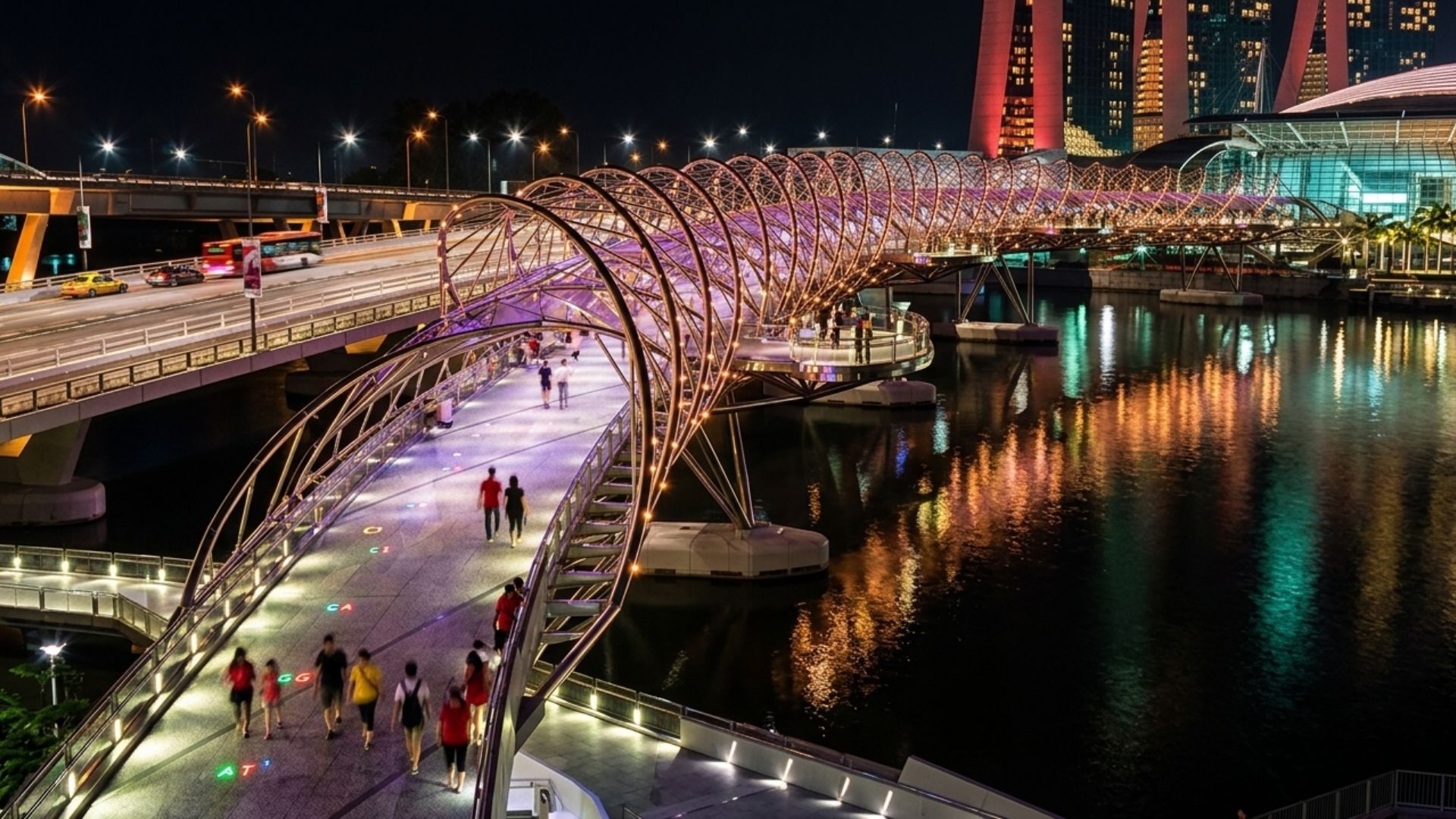
With a DNA shape, this bridge in Singapore draws attention in modern architecture and surprises tourists by transforming a simple crossing into an unforgettable visual experience in the urban heart.
-
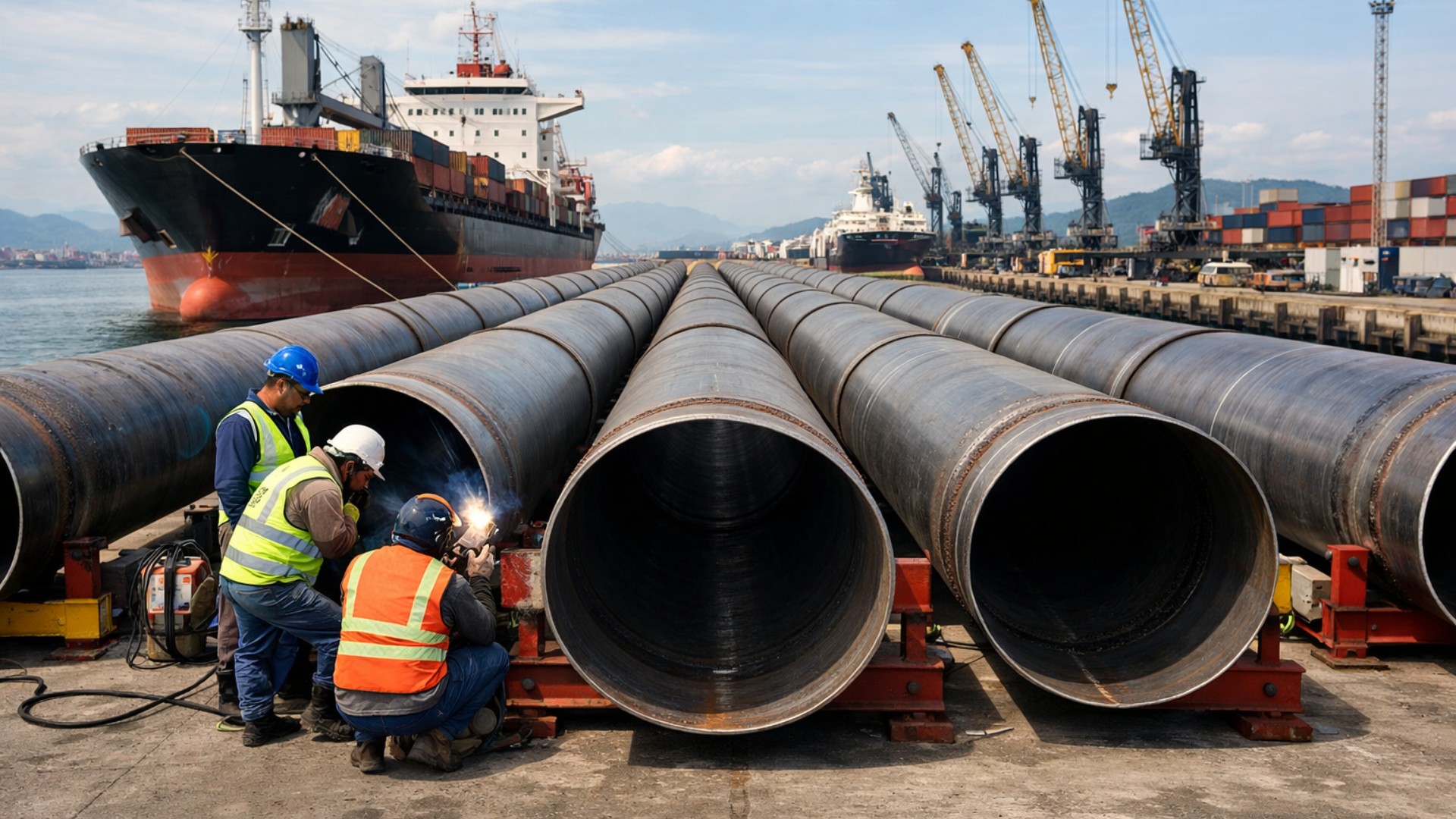
Giant underwater pipeline begins to take shape with a R$ 134.7 million project at the Port of Santos: the 1.7 km structure uses 12-meter and 700 mm pipes to supply water to 450,000 people in Guarujá.

The heart of the system is the Atatürk Dam, one of the largest in the world by reservoir volume. With it, Turkey gained the capacity to regulate flows, store water during rainy periods, and release it according to its own energy and agricultural interests.
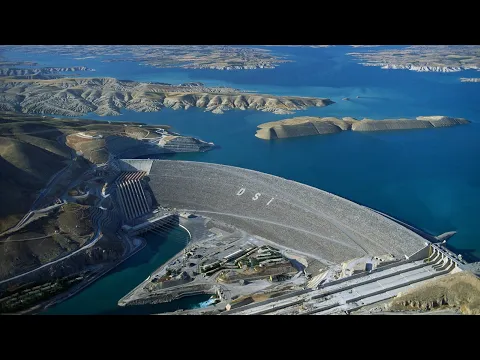

Besides electricity generation, the project was designed to irrigate vast agricultural areas in a historically poor and semi-arid region, integrating economic development, water security, and energy production into a single state plan.
Energy, Irrigation, and Control: The Three Pillars of the Megaproject
From a technical standpoint, the GAP was designed to serve three strategic functions. The first is energy. The hydroelectric plants in the system provide a significant portion of the electricity for southeastern Turkey, reducing dependence on fossil fuels and stabilizing the regional grid.
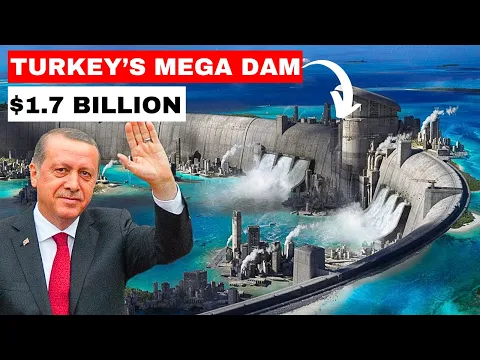
The second is irrigation. Thousands of kilometers of artificial channels carry stored water to previously unproductive agricultural areas, transforming arid landscapes into intensive cultivation hubs, especially for cotton and grains.
The third and most sensitive aspect is control of international water flow. By retaining water in the headwaters, Turkey has come to determine when, how much, and how water reaches Syria and Iraq, something that no international treaty has managed to fully regulate.
The Direct Impact on Syria and Iraq
Syria and Iraq heavily depend on the Tigris and Euphrates for urban supply, agriculture, and energy generation. With the progressive implementation of the GAP, both countries have experienced reduced flow, greater irregularity in flow, and difficulties in long-term water planning.
During periods of filling Turkish reservoirs, the decrease in water volume downstream has been enough to affect crops, reduce electricity generation, and exacerbate water crises in already unstable regions. In dry years, the effects became even more severe.
Although Turkey argues that the project is legitimate because it occurs within its territory, Syria and Iraq accuse the country of using water as a political pressure tool, especially during times of diplomatic tension or regional conflicts.
Water as a Geopolitical Tool in the 21st Century
The GAP Project is frequently cited by international analysts as one of the clearest examples of modern hydropolitics. Unlike oil or gas pipelines, water does not have a regulated global market, making its territorial control even more sensitive.
By dominating the springs and large reservoirs, Turkey gained a silent strategic advantage. There is no need to completely stop the flow to exert pressure; small variations are already enough to generate significant economic and social impact in dependent countries.
This type of power is difficult to contest militarily and complex to resolve diplomatically, especially in a region marked by prolonged conflicts.
Environmental and Social Criticism within Turkey Itself
The GAP has also generated internal controversies. The construction of the dams flooded entire villages, displaced populations, and submerged millennia-old archaeological sites, including areas inhabited since antiquity.
Environmentalists point to changes in the river ecosystem, loss of biodiversity, and soil salinization in intensively irrigated areas. Economists, in turn, question whether the promised social benefits were distributed equitably or concentrated in large producers.
Even so, the Turkish state has maintained the project as a symbol of sovereignty, development, and technical capability.
A Completed Project, but with Permanent Effects
Unlike many megaprojects that remained on paper, the GAP is real, functional, and operational. Its dams continue to regulate rivers daily, its plants continue to generate energy, and its channels continue to irrigate fields.
But its effects have no timeline to end. As long as the Tigris and Euphrates remain transboundary rivers, the GAP Project will continue to influence diplomatic relations, food security, and political stability throughout the Middle East.
The Legacy of GAP: Engineering that Transcends Borders
The GAP Project shows how large infrastructure works are not limited to concrete, turbines, and reservoirs. They shape economies, displace populations, and redefine power relations between entire countries.
By constructing 22 dams and 19 hydroelectric plants at the headwaters of two historic rivers, Turkey not only transformed its territory, but began to control one of the most sensitive keys in the region: water.










-

-

-

3 pessoas reagiram a isso.