





 Portuguese
  English
  Spanish
  5 min of reading
  44 comments





Signed on Black Consciousness Day, the Decrees of Expropriation of Rural Areas Affect 31 Communities and 5.2 Thousand Quilombola Families, Authorize Inspections, Price Assessments, and Cash Payments to Owners, Including Landmark Cases in Caçapava do Sul, Arroio do Tigre, and Mostardas in Rio Grande do Sul
The expropriation of rural areas determined by the federal government through 28 decrees marks a new stage in the regulation of quilombola territories in the country. The measures, signed by Luiz Inácio Lula da Silva on Black Consciousness Day, declare rural properties of social interest in 14 states, allowing Incra to advance in the technical and legal stages of incorporating these areas.
At the same time, the presidential acts consolidate the recognition of communities that have long claimed ownership of lands occupied by descendants of enslaved people. By providing for prior cash payment, after price assessment, the expropriation of rural areas seeks to balance the right to historical reparations with the legal security of formal owners, within the budgetary limits of the Union.
What Was Decided with the 28 Decrees

The decrees signed by Lula declare of social interest, for the purposes of agrarian reform and quilombola regulation, rural properties associated with the expropriation of rural areas occupied by officially recognized communities.
-
The Senate approves a bill that criminalizes misogyny, hatred, or aversion towards women, and includes the crime in the Racism Law with a penalty of up to 5 years.

-
Chamber Approves Bill That Allows Pepper Spray for Women Over 16 and Imposes Strict Rules for Purchase, Possession, and Use as Self-Defense

-
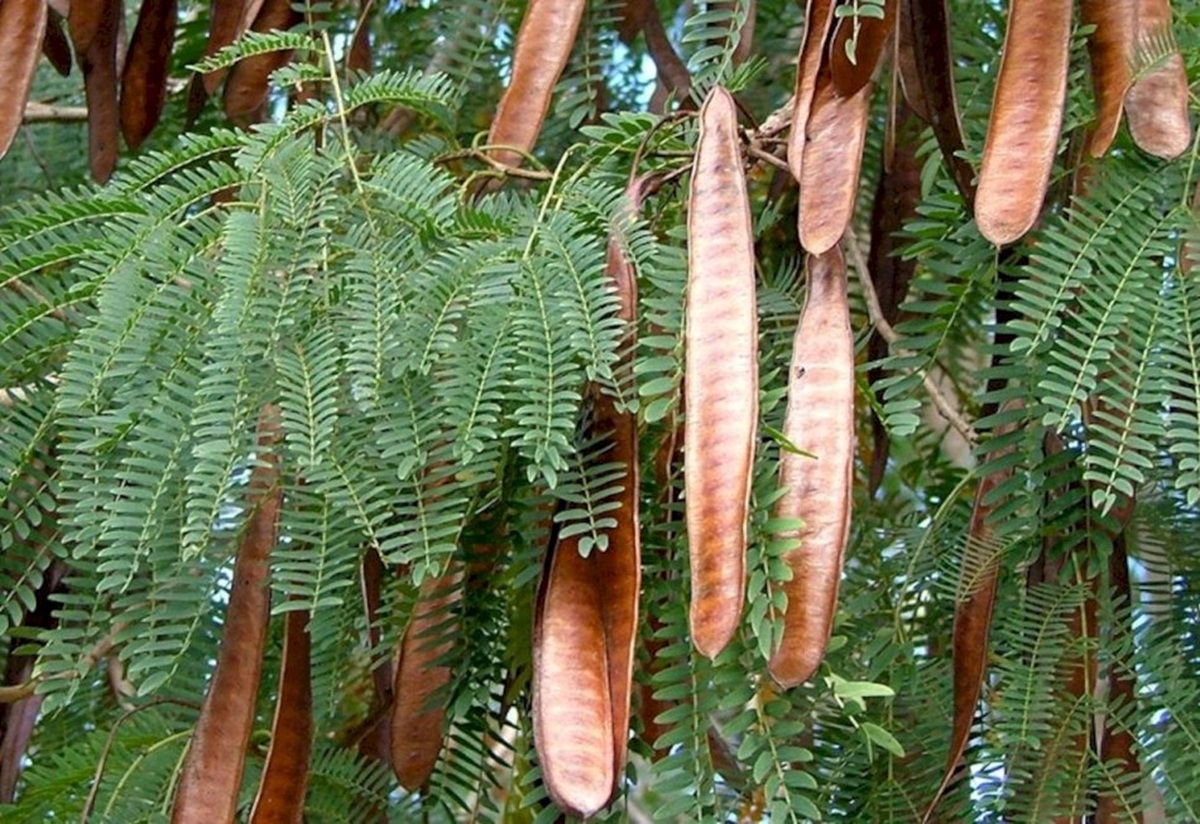
Chamber Approves Law to Combat Leucaena, Fast-Growing Plant That Dominates Land and Threatens Native Species in Various Regions of the Country
-
Asset Division: Know What Cannot Be Divided in Case of Divorce


In practice, this allows Incra to begin or deepen inspections, field surveys, and market assessments to establish the value of compensation.
According to the government, 31 quilombola communities and about 5.2 thousand families will be directly affected by the measures.
From the publication of the acts, Incra is authorized to:
conduct in-person inspections on properties included in the decrees
prepare price assessment reports for the rural properties
propose cash compensation to current owners, subject to budgetary availability
advance in the administrative stages of expropriation of rural areas and in the collective titling of quilombola territories
The movement also reinforces the policy of recognizing lands historically occupied by rural Black communities, linking agrarian matters to the agenda of racial equality.
Landmark Cases in Rio Grande do Sul
Among the properties affected by the expropriation of rural areas, two cases in Rio Grande do Sul encapsulate the historical and symbolic nature of the decisions: Picada das Vassouras/Quebra-Canga, in Caçapava do Sul, and Sítio Novo/Linha Fão, with areas linked to Arroio do Tigre and Mostardas.
In Picada das Vassouras/Quebra-Canga, the quilombola territory of 86.1 hectares was recognized by Incra in 2023. There, 14 families descended from enslaved individuals lived, distributed in two nuclei: Picada das Vassouras, with 66.5 hectares, and Quebra-Canga, with 19.6 hectares.
The two areas share historical memory, ethnic identity, strong sociability, and kinship, elements that reinforce the community bond and the collective claim to the land.
According to the historical account provided by Incra, the nuclei were inherited from the Mariano family, owners of large tracts of land in the region known as Rio Bonito in the 19th century.
The possibility of recovering historically occupied lands led descendants to organize around land regularization, now driven by the decrees of expropriation of rural areas.
Sítio Novo and Linha Fão: Expulsions, Return, and Reparations
The second set of areas in the state involves Sítio Novo/Linha Fão, which was recognized by Incra in 2024 for access to policies of the National Agrarian Reform Program.
This is a territory marked by expulsions, forced migration, and subsequent community re-articulation.
In the case of Arroio do Tigre, the residents descend from the couple Aparício Miranda and Belmira Xavier, children of enslaved people who received land from an employer in the 1920s.
Decades later, in the 1970s, these families were expelled and migrated to the region known as Fão, where they rebuilt their social networks and kinships.
The Mostardas community is composed of descendants of enslaved and freed workers who inherited the farm from Maria Quitéria Pereira do Nascimento, also in the 19th century.
Based on these ties of heritage, work, and permanence, families structured new territorial claims now framed within the official process of expropriation of rural areas for the purposes of quilombola regulation.
How Indemnities and Incra Procedures Work
With the decrees published, Incra is responsible for conducting the technical stages of the expropriation of rural areas. This includes, among other phases:
precise identification of the properties and surrounding areas
field inspections and mapping of quilombola occupations
price assessment according to rural market criteria
preparation of proposals for prior cash payments to owners
The legislation requires that compensation be paid before the public authority takes possession, respecting the budgetary availability of the Union.
The central challenge will be to balance the desired speed to repair quilombola communities with the pace of resource release and the complexity of negotiations with private owners.
For the communities, the decrees do not conclude the process.
Steps such as the consolidation of representative associations, defining final perimeters, registry in the notary, and planning collective land use, in dialogue with policies for technical assistance and support for rural production, are still necessary.
Quilombos, Historical Memory, and Land Dispute
The cases of Picada das Vassouras/Quebra-Canga and Sítio Novo/Linha Fão illustrate how the expropriation of rural areas associated with quilombola territories is not limited to a technical agrarian reform operation.
It is a process that encompasses memory, identity, kinship, heritage, and the attempt to correct trajectories marked by slavery, expulsions, and loss of land over generations.
By officially recognizing these territories, the State incorporates into the land map areas that, in practice, were already lived as belonging by rural Black families.
The definition of perimeters, financial compensations, and new forms of land use tends to reconfigure not only the local land structure but also access to public policies of education, health, infrastructure, and rural credit.
What to Observe Moving Forward
The concrete effects of the 28 decrees will depend on Incra’s ability to complete inspections, assessments, and negotiations without causing administrative paralysis or prolonged disputes with owners.
The budget execution for compensations will be another sensitive point in implementing the expropriation of rural areas in 14 states.
In Rio Grande do Sul, the outcomes of the cases of Picada das Vassouras/Quebra-Canga and Sítio Novo/Linha Fão are likely to serve as a reference for other communities in similar situations.
The way the government addresses compensations, legal security, and historical reparations will be closely monitored by quilombola movements, rural organizations, and landowners.
Do you believe that the expropriation of rural areas to regularize historically occupied quilombola territories is being conducted fairly for both communities and owners at the same time?








Bom , vindo de onde vem isso, é de se preocupar , pois na Amazônia estão lançando até bombas em cima de moradores locais em nome sabe-se lá de quê.
Basta um decreto desse **** e tá tudo certo? Esse país é uma piada,essa história de consciência negra é uma piada
O brasil esta cobrando por terras já conquistadas por um povo que não assassinou em sua conquista diferente da velha conquista brasileira que em meio as dores sofrimento e rios de sangue tomaram posse das terras indígenas. O brasil foi o mal e continua sendo, o brasil deveria pagar indenizações para os indígenas e para os quilombos tendo o entendimento que estes quilombos lutaram pela liberdade e pelo direito e pela justiça. Os fazendeiros antigos eram os invasores que foram escolhidos pelo estado da época para reinvindicar a terra, os antigos fazendeiros eram **** sanguinários estupradores agressores **** e eles eram o estado, nós somos descendentes deles, mas a verdade é a verdade, e a verdade é o brasil deveria pagar pra estes quilombos indenizações, e reconhecer a sua história de mal que todos nós conhecemos. A verdade é a verdade e nós somos filhos dos culpados