





 Portuguese
  English
  Spanish
  7 min of reading
  157 comments


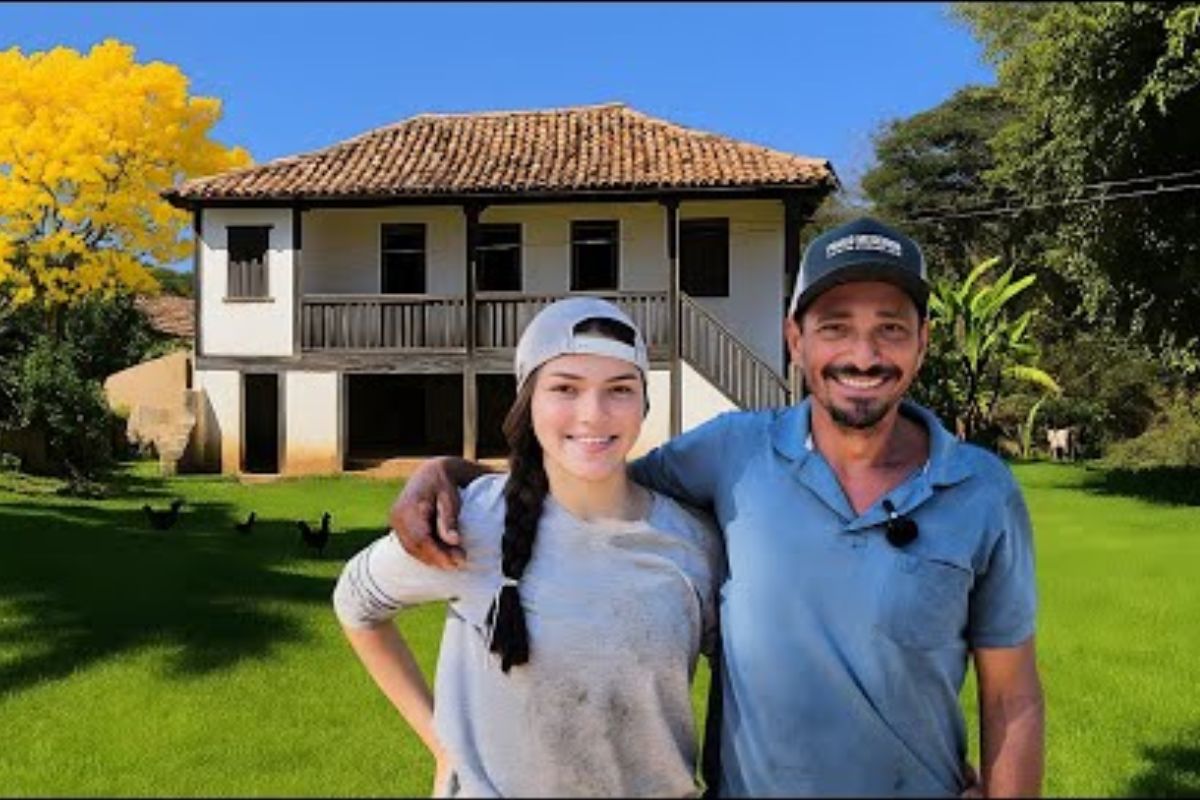


Among Tanks With 15 Thousand Fish, Dairy Cows, Free-Range Chickens, and a Preserved Old House, the Father Who Lives Isolated in the Countryside With His Daughter Transforms a Heavy Routine, Native Forest, and Simple Faith Into a Project for the Future and Survival in the Countryside, Uniting Memory, Work, Joy, and Economic Resistance.
In the rural area of Minas Gerais, the father who lives isolated in the countryside with his daughter transformed an old farm into a hub of production, memory, and affection. Amid the cold mist of the early hours, the mooing of cows and the sound of water in the tanks, life continues to be marked by the country clock, not the city clock.
At 51, he manages a property of about nine acres alone, with 13 lactating cows, sugarcane planting, pastures, fish tanks, and a large open-air chicken coop. Next to Andressa, the teenage daughter who chose to leave urban life to return to the farm, he organizes the day between the barn, sugarcane field, kitchen, house maintenance, and plans to turn the place into a sports fishing point and a source of additional income.
Work Routine of the Father Who Lives Isolated in the Countryside With His Daughter

The day begins before six in the morning.
-
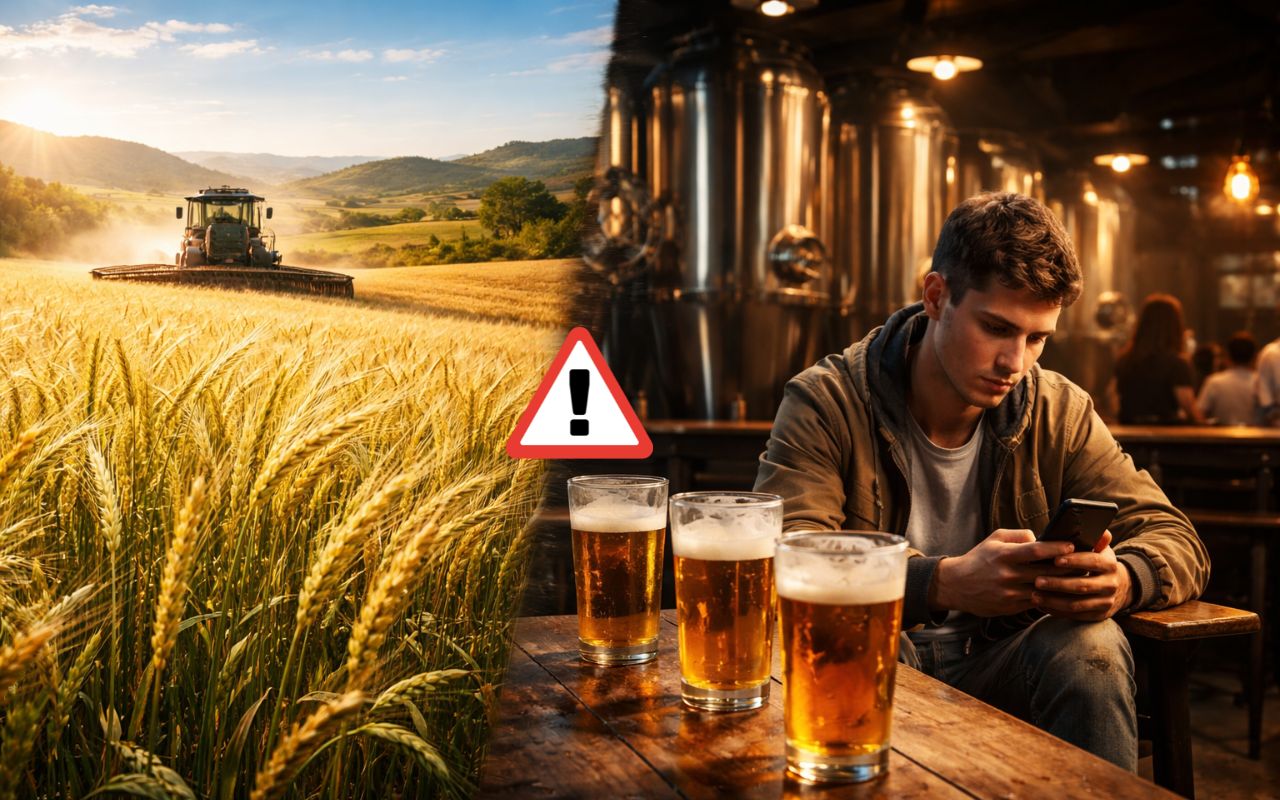
With nearly 500 thousand tons per year, barley production is growing in Brazil, while a decline in beer consumption among Generation Z raises alarms in the sector.
-
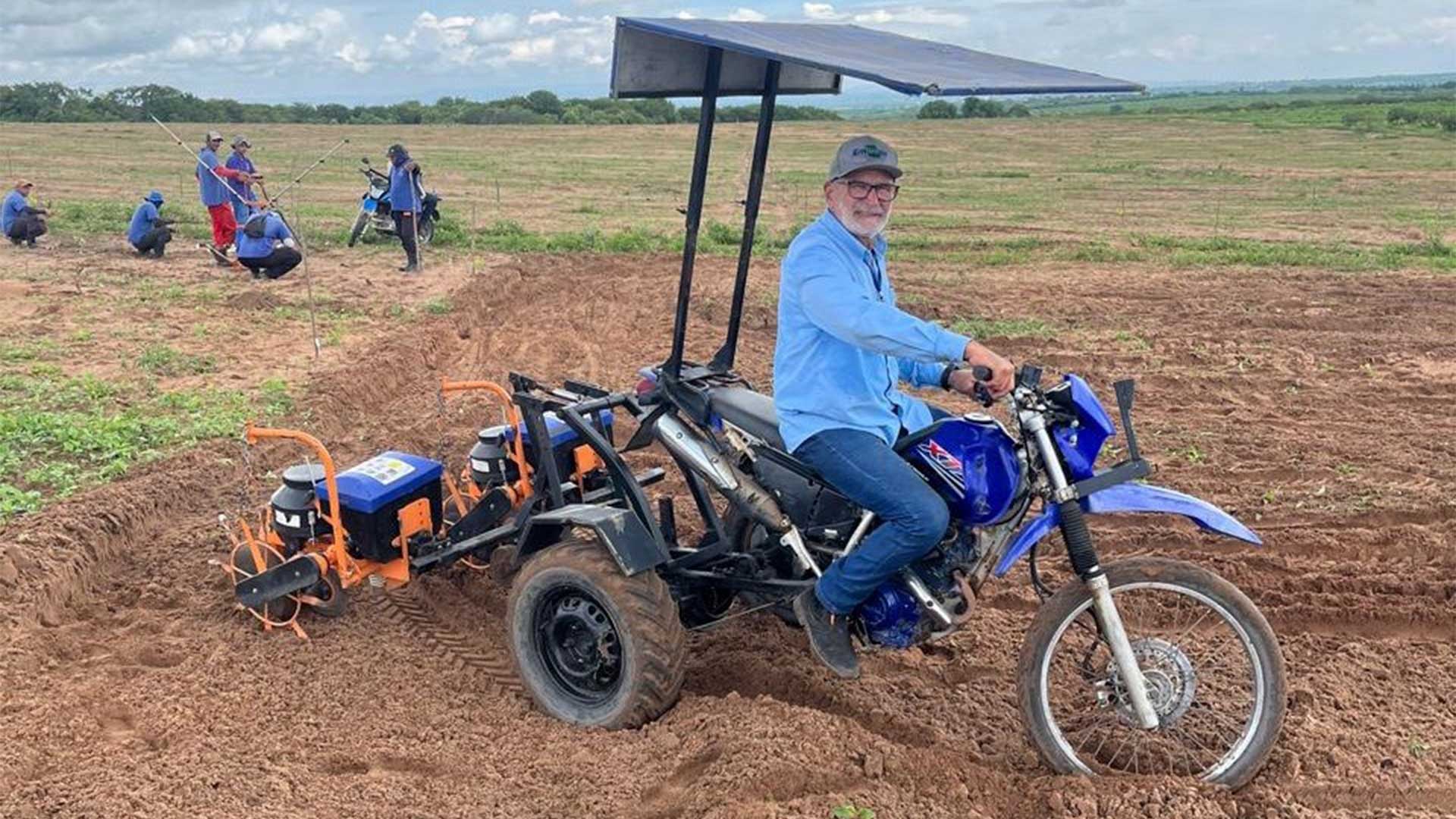
With tractors out of reach for small producers, a tricycle created by Embrapa Algodão becomes a cheap and efficient solution and gains national prominence.
-
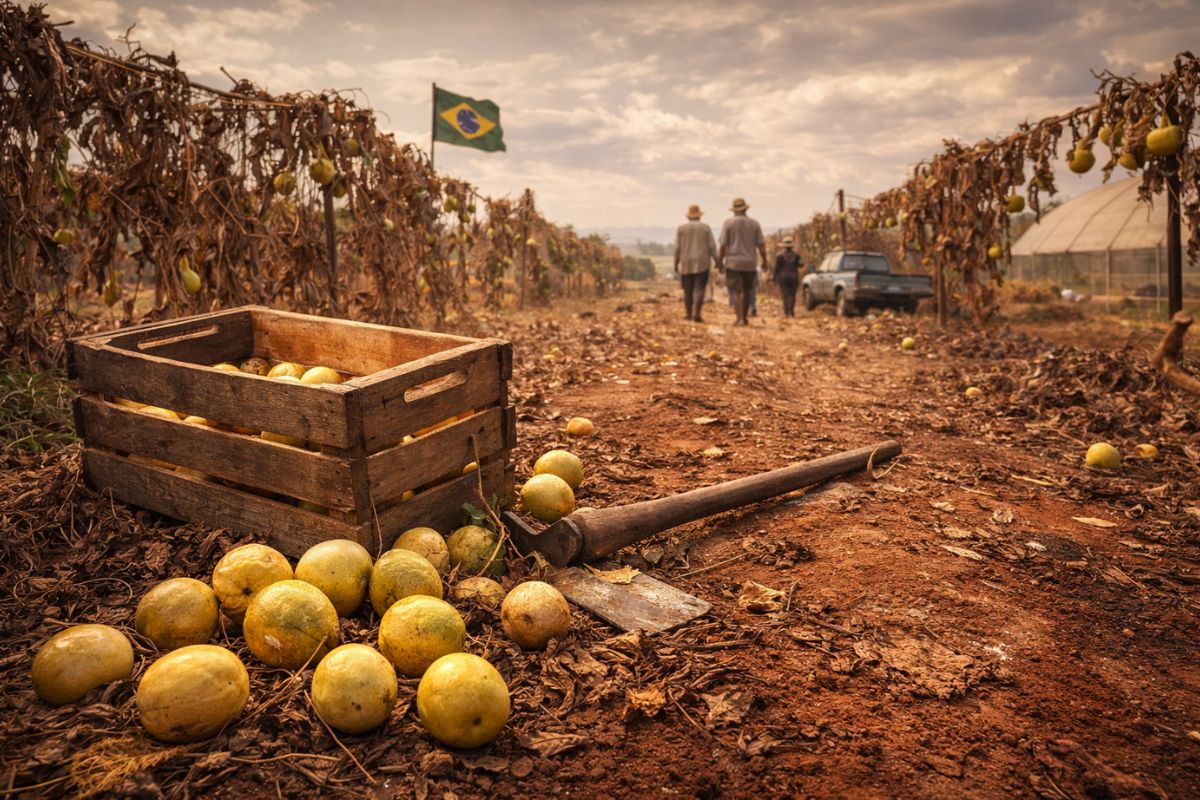
From 130 producers in the year 2000 to just 15 today: the dramatic decline of passion fruit in Araguari shows how the lack of labor in the Brazilian countryside is killing a decades-old agricultural tradition, even with Brazil being the largest producer in the world.
-
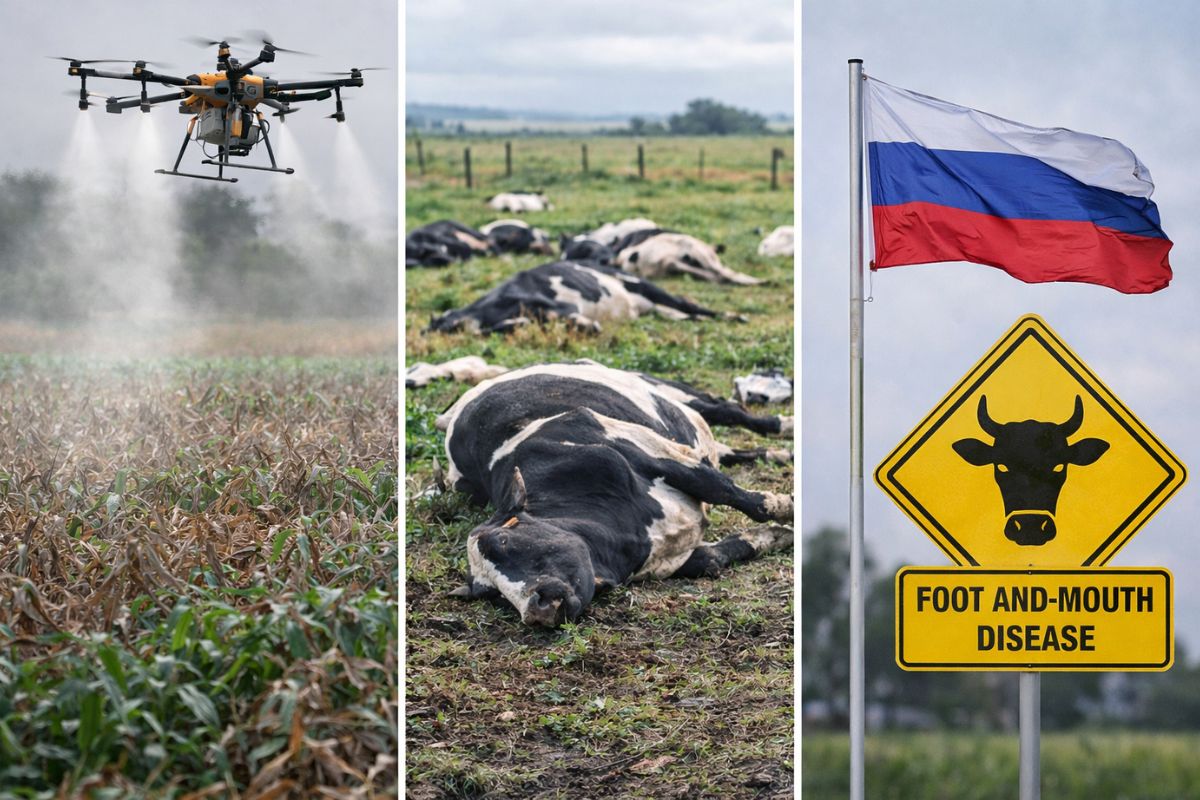
Agricultural drone sprayed poison into the air and destroyed the neighbor’s crops, causing 1 million in damages; 48 cows died from nitrite poisoning in the pasture, and Russia is hiding a possible outbreak of foot-and-mouth disease: the week was brutal for the rural sector.

While the cold still dominates the yard, the father who lives isolated in the countryside with his daughter opens the barn, separates the cows, and prepares the cooler that receives between 90 and 100 liters of milk at each milking.
The work is manual, without a mechanical milker, with each cow entering the stall, the calf nursing to “bring down the milk,” and then the bucket filling in the rhythm of calloused hands.
Next, he checks the calves, ensures that all have nursed, checks the trough for roughage, and the supply of chopped sugarcane.
The sugarcane is cut from the farm’s own cane field, in plots planted to last through the dry season.
Andressa participates in the process: she helps cut, load, feed the chopper, and distribute the feed in the trough, balancing work with her studies.
After the milk and sugarcane, it’s time for the chickens.
There are dozens of free-range native hens, with nests scattered around, eggs collected in buckets, some of which are sold or consumed in the house.
The farming is entirely rustic, without intensive industrial feed, based on cracked corn and what the yard provides.
Each group requires constant vigilance against predators, especially the so-called “wild cattle,” which tend to attack younger hens at the forest’s edge.
15 Thousand Fish, Solar Energy, and the Sports Fishing Plan

The main feature of the farm is the system of excavated tanks fed by a spring and pumping powered by solar energy.
The father who lives isolated in the countryside with his daughter estimates that he takes care of about 15 thousand fish, including tambaqui, tambacu, tabatinga, tilapia, carp, and pike.
The water springs from the forest, is stored in a large cistern of approximately 50 thousand liters, and from there flows through pipes to tanks, propelled by a pump connected to four solar panels.
In the main tanks are the fish for fattening, some already at commercial size, while others are kept for sport fishing.
In smaller reservoirs, the tilapia in the growing phase are later transferred to larger tanks.
The cost of electricity for pumping has been virtually eliminated with the solar system, establishing a stable water base for animals, the house, and aquaculture.
The future plan is to transform the area into a pay-per-fish with a basic service structure, including thatch-covered kiosks, shaded areas for tables, a small bar serving fried fish portions, bathrooms, and space for sports fishing with a “catch and release” system.
The construction is underway, made in a collective effort between the father, daughter, and some occasional helpers.
The idea is to diversify the income currently concentrated on milk, add rural tourism, and create a cash flow less dependent on the price paid by dairies.
Difficult Childhood, Fear of Jaguars, and a Conscious Choice for Joy
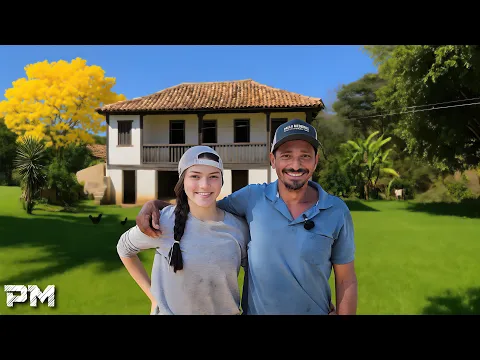

The journey of the father who lives isolated in the countryside with his daughter begins on the same farm, back in his childhood.
The youngest child among 14 siblings, he grew up in a subsistence environment, helping in the production of rapadura, growing corn, beans, and raising beef and dairy cattle.
At eight years old, he was already carrying bags of salt on his head through closed forest trails to salt the cattle in distant pastures.
These walks were marked by the fear of jaguars, snakes, and by the imagination fueled by “ghost” stories told at night by the elders.
Today he often turns these memories into stories and jokes, which he uses both to entertain visitors and to teach his daughters that the toughness of life in the countryside can be faced with good humor.
For him, the choice is clear: live sadly or live joyfully; the daily decision is always for joy.
The perception of wealth was also shaped by this childhood.
Instead of focusing on money in the bank, he associates the concept with having health, preserved forest, clean running water, well-cared-for animals, and family nearby.
The forest of jiquitibás, the presence of native açaí trees, and the thermal sensation of freshness upon entering the forest are described as the true heritage of the property.
Andressa, the Daughter Who Swaps the City for the Countryside
The current dynamic of the farm changed when Andressa, now 17, decided to return permanently to the countryside during the pandemic.
Living in the city with her mother to study, she spent the period of school closures in the countryside and, at the end of the restrictions, asked to stay with her father.
The urban routine, marked by idle time in front of the television and cellphone, contrasted with the sense of utility and purpose she found in the daily work of the property.
Today, Andressa studies during the day, leaving for school in the mid-morning and returning at the start of the evening.
Before leaving, she participates in the milking, helps organize the barn, and prepares lunch.
Upon returning, she takes care of the house, washes clothes, organizes the kitchen, and, when there’s time, goes back to the barn to assist her father with pending tasks.
The father who lives isolated in the countryside with his daughter emphasizes the young woman’s role as his right-hand helper, sharing with her the decisions about the future of the farm, the pace of the pay-for-fish construction, and the priorities of investments.
There is also space for the adolescent’s personal life: she is dating a young man who works in the city, but who, whenever possible, goes to the farm to help with tasks like cutting sugarcane, managing cattle, and assisting in the barn.
Old House, Preserved Tradition, and Future Project
The symbolic center of the property is the old house built in 1935 by the grandfather, where the father who lives isolated in the countryside with his daughter grew up and where he keeps the family memory alive today.
The wooden floor and the red flooring require constant maintenance but are preserved as a mark of local history.
The straw ceiling and the wide doors crafted by hand contrast with modern materials and reinforce the rural identity of the place.
Inside the house, the organization follows the logic of the countryside: the wood stove still in use, a large table for receiving relatives and visitors, shelves full of utensils, and pots ready for hearty meals.
Part of the time of the father and the daughter is dedicated to preventing the structure from deteriorating, with small repairs on walls, roof, and floor, while channeling scarce resources for new construction in the fishing area.
In their view, the future is not distant in time; it is in the present.
The father often says that if life “starts at 40,” at 51 he considers himself a young man “15 years ahead,” willing to keep building, renovating, and investing in what he considers essential: animals, forest, water, and the relationship with his daughter.
For him, the true paradise is this set of hard work, simple life, and freedom in the countryside, and not a escape plan to the city.
And you, would you trade the hustle of the city for a life like this in the countryside, alongside family, animals, and the native forest?








Vale a pena conhecer esta história!
Um paraíso!
Sou do Rio Grande do Sul
So falta agora a a vara da infância e adolescência baixa ae, filhos de brasileiro podem ser tudo menos trabalhador desde cedo e aprender com os pais ser h.onestos.
Muito legal