





 Portuguese
  English
  Spanish
  5 min of reading
  0 comments


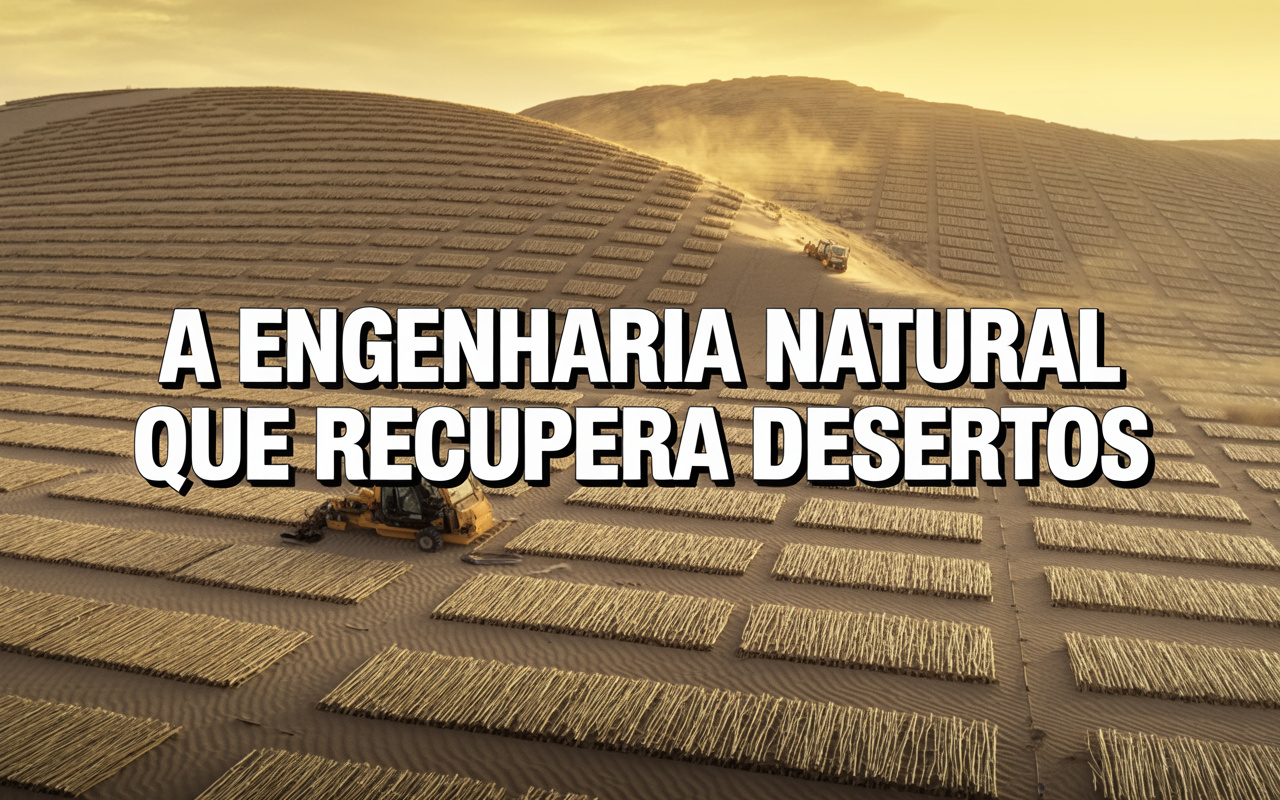
China Recovers 6,000 km² of Deserts with Straw Grids and Natural Engineering in Kubuqi. See How the Country Achieved the Largest Dune Reversal in History.
In July 2023, the UN Environment reclassified the Kubuqi Desert, in the Inner Mongolia Autonomous Region, as the largest case of desertification reversal ever documented on a national scale. The site, which for decades represented one of the most hostile environments in northern China, was marked by moving dunes, dust storms, and a continuous advance of sand over entire villages. Today, according to data consolidated by the United Nations Environment Programme and studies from the Chinese Academy of Sciences, over 6,000 km² have been recovered through natural engineering techniques that combine straw fences, planting of resilient species, and low-intervention water management.
The transformation impresses by the scale and simplicity of the methods used. Instead of large civil works or costly artificial structures, the Chinese government, private companies, and local communities adopted traditional dune stabilization techniques, reapplying ancient knowledge with modern tools for climate monitoring and remote sensing. The change was so profound that Kubuqi was no longer classified as a desert in part of its extent and began to integrate productive areas, with adapted agriculture, livestock raising, and small urban zones.
The Straw Grid Technique: The Simple Solution that Conquered Moving Dunes and Extreme Winds
The most emblematic method of this process is the “checkerboard straw method,” known in Brazil as checkerboard straw grids.
-
One of the most important lakes in the United States for birds, the balance of nature, and the climate has dried to historic levels, leaving boats stranded, revealing salt flats, and showing how the lack of water can transform an entire landscape.

-
It’s not Cristiano Ronaldo or Messi: the richest football player in the world is only 27 years old, has a fortune of 100 billion reais, and is the nephew of a sultan from an Asian country that few people know about.

-
At 77, the king of one of the most famous and powerful crowns on the planet is said to be under pressure to leave the throne, while behind the scenes there are already talks of a new coronation that could cost R$ 260 million.

-
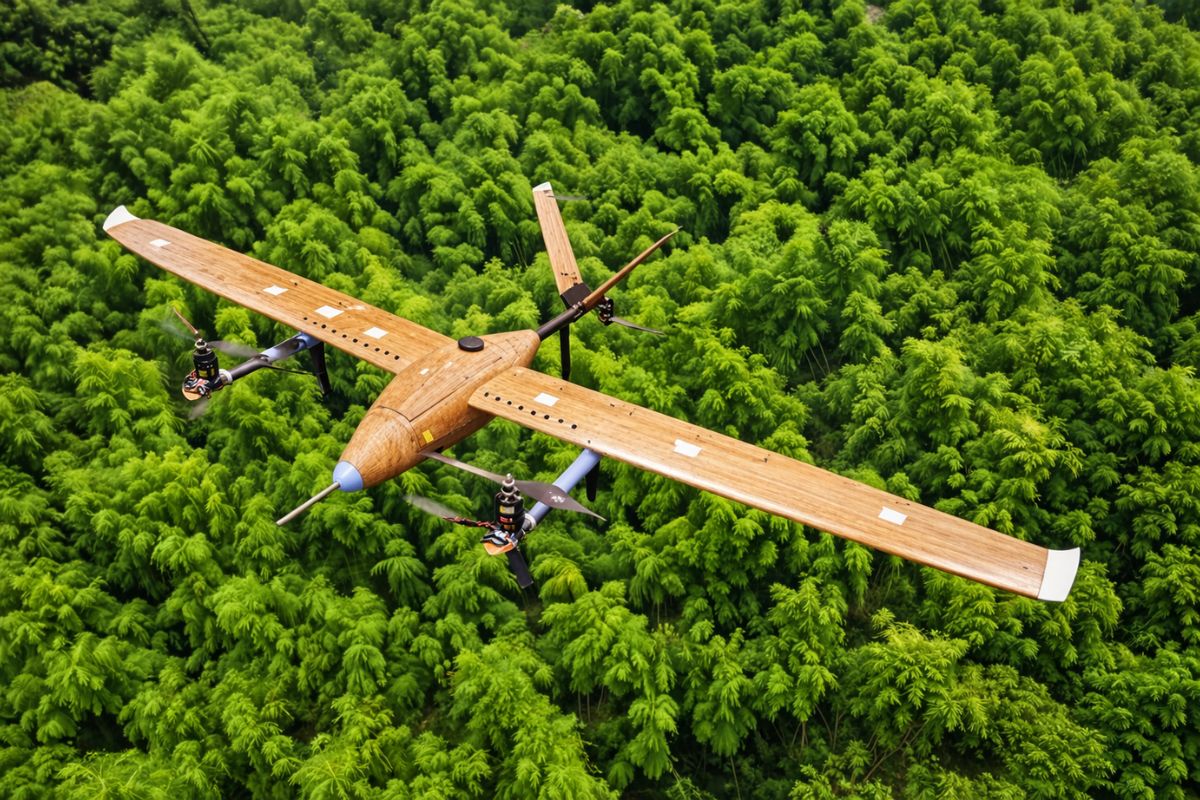
Chinese researchers have created bamboo drones that fly with the same precision as conventional models and have released the flight control software for free to the entire world in a technology that could revolutionize sustainable aviation.

The technique consists of assembling squares of woven straw, usually 1 meter by 1 meter, driven into the ground in a continuous matrix. These structures reduce wind speed near the ground, stabilize the sand, and create small areas of shade and moisture retention.
According to reports from UNCCD, these grids are capable of reducing wind speed by up to 70% at ground level and withstand gusts exceeding 70 km/h, common in the arid regions of Inner Mongolia.


With the sand finally stabilized, resilient species such as Salix psammophila, Hedysarum scoparium, and native varieties of halophytes are planted within the squares.
China has even developed deep planting stakes that reach the wetter layers of soil and ensure the survival of seedlings even in dry periods. To complete the system, minimal drip irrigation techniques are used only in the initial phases, drastically reducing water consumption.
These principles, applied continuously for over 30 years, have allowed Kubuqi to become a living laboratory of natural engineering, exporting techniques to other Chinese deserts, such as Tengger and Maowusu, which also recorded significant setbacks in the advance of dunes.
From Sterile Land to Productive Pole: The Economic Effects of Dune Recovery
The reversal of the desertification process has not only led to environmental gains. Throughout the 2010s, the Chinese government and companies like the Elion Group implemented agroforestry models, adapted livestock raising, and the exploitation of medicinal plants, which now stimulate the local economy.
Species such as licorice and cistanche deserticola, valued by traditional medicine and the pharmaceutical industry, began to be cultivated on a large scale thanks to soil stabilization.
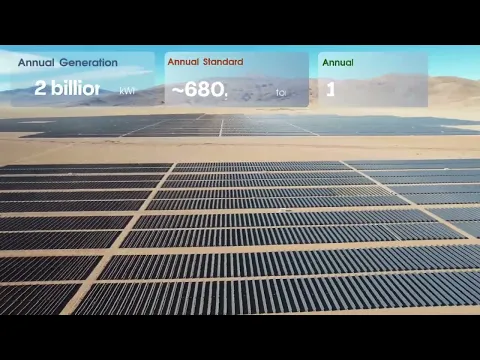
Official reports presented at UN environmental forums indicate that over 100,000 people have benefited directly or indirectly from Kubuqi’s recovery, whether through jobs in seedling nurseries, forest management, irrigation systems, or in the management of reforested areas themselves.
In addition to the impact on the local economy, the decrease in dust storms has reduced healthcare costs in major cities in northern China, such as Beijing and Tianjin, which for years suffered from clouds of dust originating from Kubuqi.
The Science Behind the Transformation: Monitoring, Studies, and Satellite Data
The recovery of Kubuqi does not boil down to the application of traditional methods. In recent years, teams from the Chinese Academy of Sciences have used drones, moisture sensors, spectral analysis, and high-resolution satellites to monitor dune behavior, measure wind speed, identify vulnerable areas, and predict erosion points.
Reports published between 2018 and 2023 indicate that the vegetation cover rate exceeded 53% in some areas, generating microclimates capable of altering rainfall regimes, viewed by specialists as one of the positive effects of the revegetation process.
With more vegetation, the soil absorbs more solar radiation, reduces surface temperature, and alters evaporation patterns. This reduces the effect of “desert heat islands,” creating favorable conditions for species that previously could not survive in the area. It’s a self-reinforcing recovery cycle.
A Model Exported Worldwide and Recognized by International Bodies
The success of Kubuqi has made China a global reference in the fight against desertification. Delegations from African countries, the Middle East, and Central Asia have visited the region to study the methodology and apply it in arid areas such as the Sahel, northern Kenya, parts of Namibia, and regions of Saudi Arabia.
The Great Green Wall Initiative, which seeks to halt the advance of the Sahara with 8,000 km of vegetation, adopted principles similar to the Chinese method.
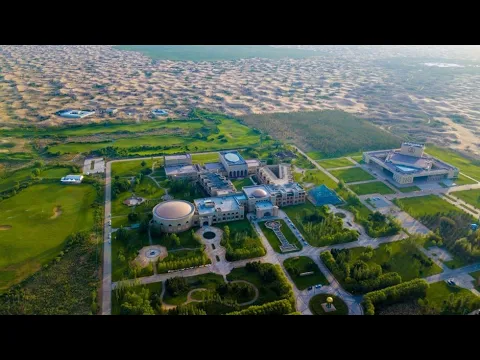
International recognition culminated in environmental awards and official UN reports highlighting that no other country has recovered as many desertified areas continuously and with such limited technological resources. Kubuqi is considered an example of how simple techniques, when applied systematically, can produce monumental effects.
The Climate Impact and Future Outlook
The advance of desertification is one of the greatest environmental challenges of the 21st century, intensified by climate change and improper land use.
The experience of Kubuqi shows that major environmental turnarounds do not rely solely on giant machines, but on the ability to integrate traditional knowledge, data science, and community participation.
Experts estimate that in the next ten years, China could recover an additional 2,500 km² of arid areas using similar methods, expanding the model to regions historically considered unrecoverable.
If the trend continues, Kubuqi could become the first case of a large desert fully stabilized and converted into a sustainable agro-industrial zone.






Seja o primeiro a reagir!