





 Portuguese
  English
  Spanish
  6 min of reading
  1 comment


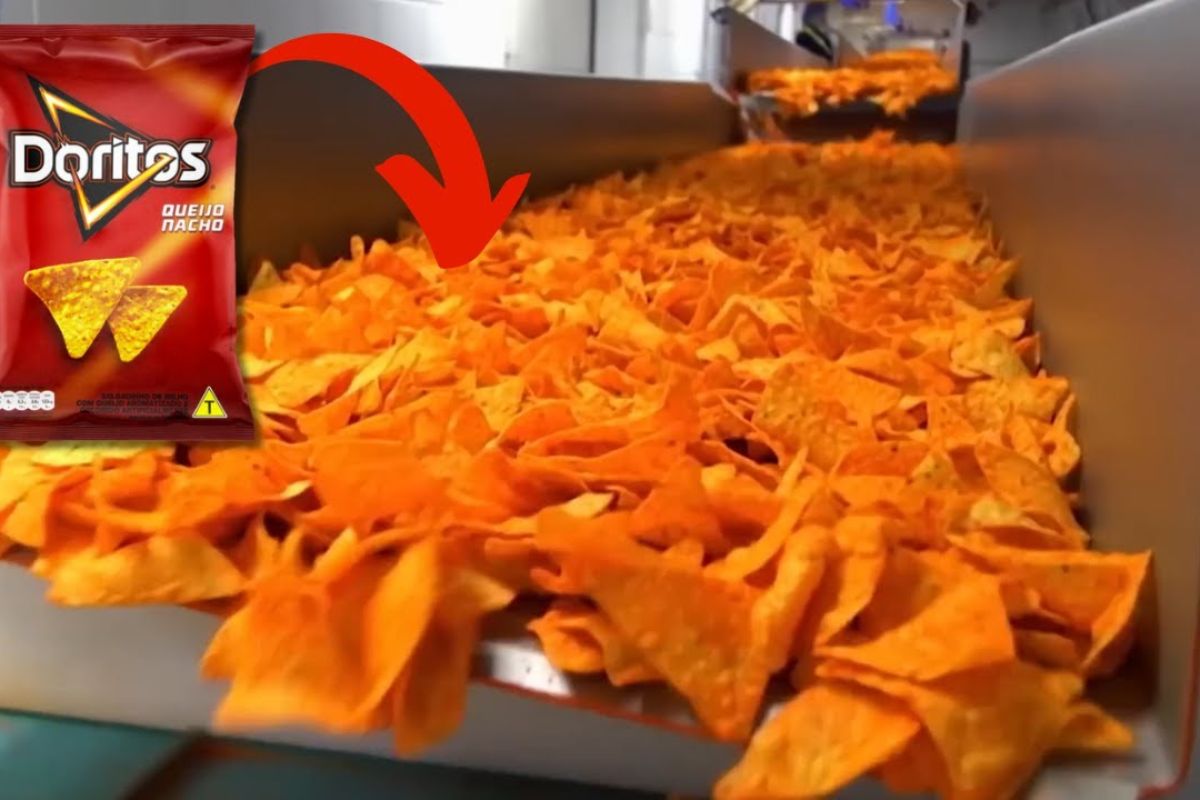


With 70,000 packages produced daily, Doritos are made from cooked corn kernels, pass through an oven at 340 ºC, fry at 182 ºC, and go through a seasoning drum with a secret recipe that helps create the famous flavor worldwide.
The Doritos are one of the best-selling snacks in the world, with annual sales exceeding 4 billion dollars and a constant presence on shelves, at parties, and as quick snacks. Behind each crunchy triangle lies a precise industrial process that starts in the field, goes through controlled cooking, grinding on rotary stones, high-temperature ovens, and ends in an automated packaging line.
Throughout each step, time, temperature, and humidity are rigorously measured to ensure that all Doritos packages deliver the same texture, shape, and distinctive flavor. From the corn harvested on a large scale to the nitrogen-filled package that reaches the consumer, the snack mixes food engineering, automation, and a seasoning blend that remains protected as a factory secret.
Doritos Were Born from an Idea to Reuse Tortillas
Before becoming a global phenomenon, Doritos originated from a simple solution to utilize tortillas that would be discarded at a restaurant in San Diego, California, in the 1960s. A marketing executive saw potential in those crunchy, broken, or out-of-sale-standard tortillas and decided to turn waste into product.
-
Drought may be creating stronger superbugs in the soil and helping antibiotic resistance reach hospitals, warns a study highlighting a problem that could grow alongside extreme weather.

-
The biggest scam in history: Napoleon’s France deceived the United States by selling them a territory that was Spanish.

-
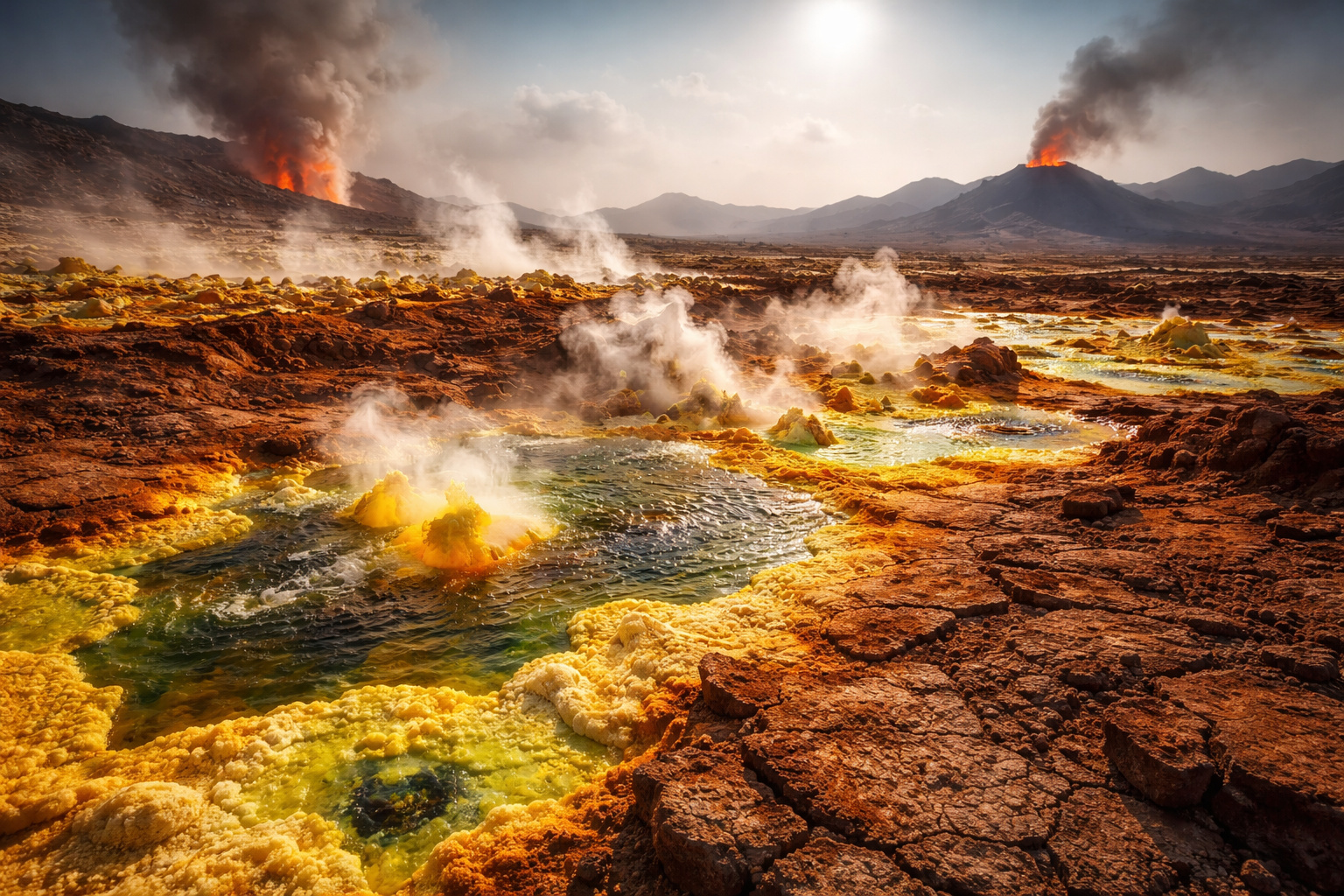
Why is the Danakil Desert so dangerous? It has unstable terrain and how extreme temperatures and toxic gases turn the region into one of the most hostile environments on Earth.
-
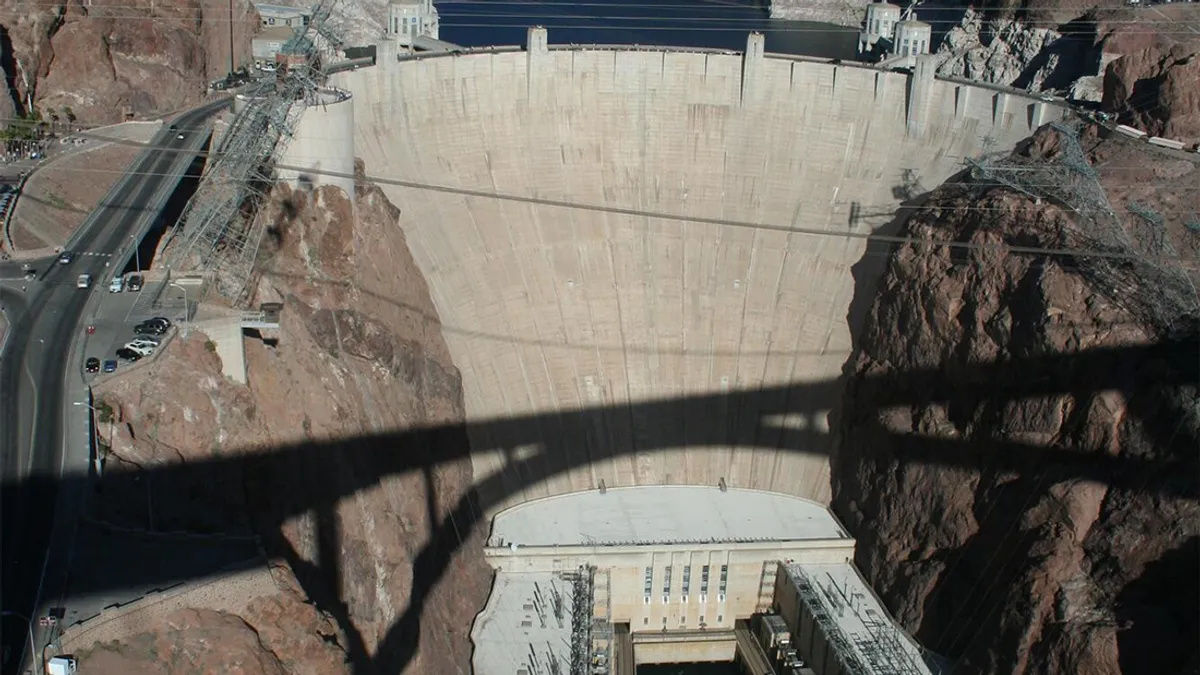
With a height of 221 meters and a capacity for trillions of liters, Hoover Dam still holds a trick that makes water defy logic.

The proposal was to cut the tortillas into triangles, fry, and season them. The name Doritos comes from a Spanish word related to the idea of “golden” and “little pieces of gold,” a direct reference to the color and size of the chips.
By 1988, Doritos were already the best-selling chip in the world, a position that continued to be reinforced with the launch of around 10 different flavors over time.
From Field to Snack Factory
Unlike classic potato chips, Doritos are based on corn flour, which starts with large-scale harvesting. The ears are carefully cut from the plants, with a clean cut to avoid damage to the grains.
The harvesting capacity reaches approximately 140 tons of corn per day, a volume sufficient to supply the industrial plant.
Once harvested, the ears are taken to containers, and when these containers are full, the contents are transported by trucks directly to the processing stage.
The supplier cleans and dries the grains on vibrating screens, removing dust, stones, and sand. Then, the moisture content is adjusted to about 14 percent, a point considered crucial for the performance of the corn in the subsequent stages of production.
Cooking, Soaking, and Removing the Corn Husk
Next, the grains arrive at the snack factory, which receives about 45 tons of corn daily. The dry corn is transferred from large storage silos to boilers where it is cooked in water, amounting to over 65 tons of raw material in processing.
The boilers operate at temperatures close to boiling point, with agitators ensuring even heat distribution.
After this initial cooking, the corn goes to 18 open tanks, where it soaks for about half a day, with each kettle holding around 300 kilograms of corn and 90 liters of water. The corn is cooked at approximately 93 ºC for a few minutes and then remains submerged for about 12 hours.
The process continues overnight in larger tanks, allowing the grain to absorb more moisture, soften, and release the outer husk. The machine then filters this covering, leaving only the soft, hydrated corn, with a moisture content close to 45 percent, ready to be ground.
Grinding, Corn Dough, and the Triangular Shape of Doritos
With the hydrated corn, the phase begins where Doritos gain the dough base that will be transformed into chips. The grains are cleaned again and pass through rotary stones that grind them into a homogeneous paste. During grinding, water is added to achieve the correct consistency of the corn dough.
This dough leaves the mill in the form of a thin sheet and goes to metal rollers that transform it into a continuous strip. Then, a third roller comes into play, with triangular cutters embedded in its surface. This is where the classic shape of Doritos appears.
The machine can cut about 6,000 chips per minute, exceeding 8 million units in 24 hours, which proceed along conveyor belts to the next stage, the high-temperature oven.
Oven at 340 ºC Creates Bubbles and Irregular Texture
Before frying, Doritos pass through an oven that can reach 340 ºC, divided into three levels. The dwell time is short, around 16 seconds, just enough to dry the dough to the right degree, firm up the triangles, and prevent them from breaking when handled later.
At this moment, the heat captures small pockets of moisture within the dough, which transform into steam and form internal bubbles. These bubbles are what make the surface of Doritos irregular, with that characteristic texture that the consumer recognizes by sight and by bite.
After the oven, the chips pass through a cooling section on conveyor belts, and this pause also allows inspectors to remove burned or out-of-standard units before entering the fryer.
Frying at 182 ºC Guarantees Color and Crunchiness of Doritos
From the intermediate cooling area, Doritos continue on a conveyor to the fryer, where the oil is about 182 ºC. The chips fry for about 55 seconds, a calculated time to achieve a golden color and crunchiness without saturating the dough with oil.
The visible bubbles in a finished Dorito are air pockets trapped in the dough, defined during this quick frying. Upon leaving the oil, the snacks travel up a conveyor that drains the excess, returning the oil to the fryer.
After this process, the structure of the chip is practically complete. There is still the step that defines the flavor and transforms the corn triangle into Doritos with a distinctly recognizable taste.
Seasoning Drum and Secret Recipe of Doritos
After frying, the chips enter a special drum responsible for applying the seasoning. This is where Doritos receive a seasoning mix treated as an industrial secret, combining ingredients like cheddar cheese, parmesan cheese, spices, flavor enhancers such as monosodium glutamate, and preservatives that prolong the product’s shelf life.
To ensure the seasoning adheres well, sprayers mist canola oil over the surface of the snacks. While rotating inside the drum, the Doritos gently collide with each other, helping to mix and distribute the seasoning without breaking the chips.
This constant movement ensures even coverage and creates the intense and standardized flavor that makes the consumer immediately associate the taste with the name Doritos.
Cooling, Packaging with Nitrogen, and Arrival to the Consumer
After being seasoned, the Doritos travel along a conveyor belt of about 30 meters for complete cooling before packaging. This step is important to prevent any residual heat from affecting the packaging material or changing the crunchy texture of the product.
In the packaging area, hoppers direct the snacks to different machines. Each line has 14 cubical scales that precisely weigh the amount of Doritos going into each package.
When the correct weight is reached, a chute opens, and the snacks fall onto a strip of aluminum and plastic that is being formed into packaging.
While the package is being formed, a heat-sealing system simultaneously closes the top of one package and the bottom of the next, optimizing the line’s pace.
During this process, nitrogen is introduced, and oxygen is removed from the interior, which helps preserve the product longer and creates the air pouch that acts as a cushion against breakage.
The result is a sealed package, with Doritos crunchy and intact, ready to move from shipping boxes to shelves.

After seeing this entire process, which part of the Doritos production surprised you the most and why?







Muito top, mas o produto deveria ter um preço mais acessível…