





 Portuguese
  English
  Spanish
  4 min of reading
  9 comments


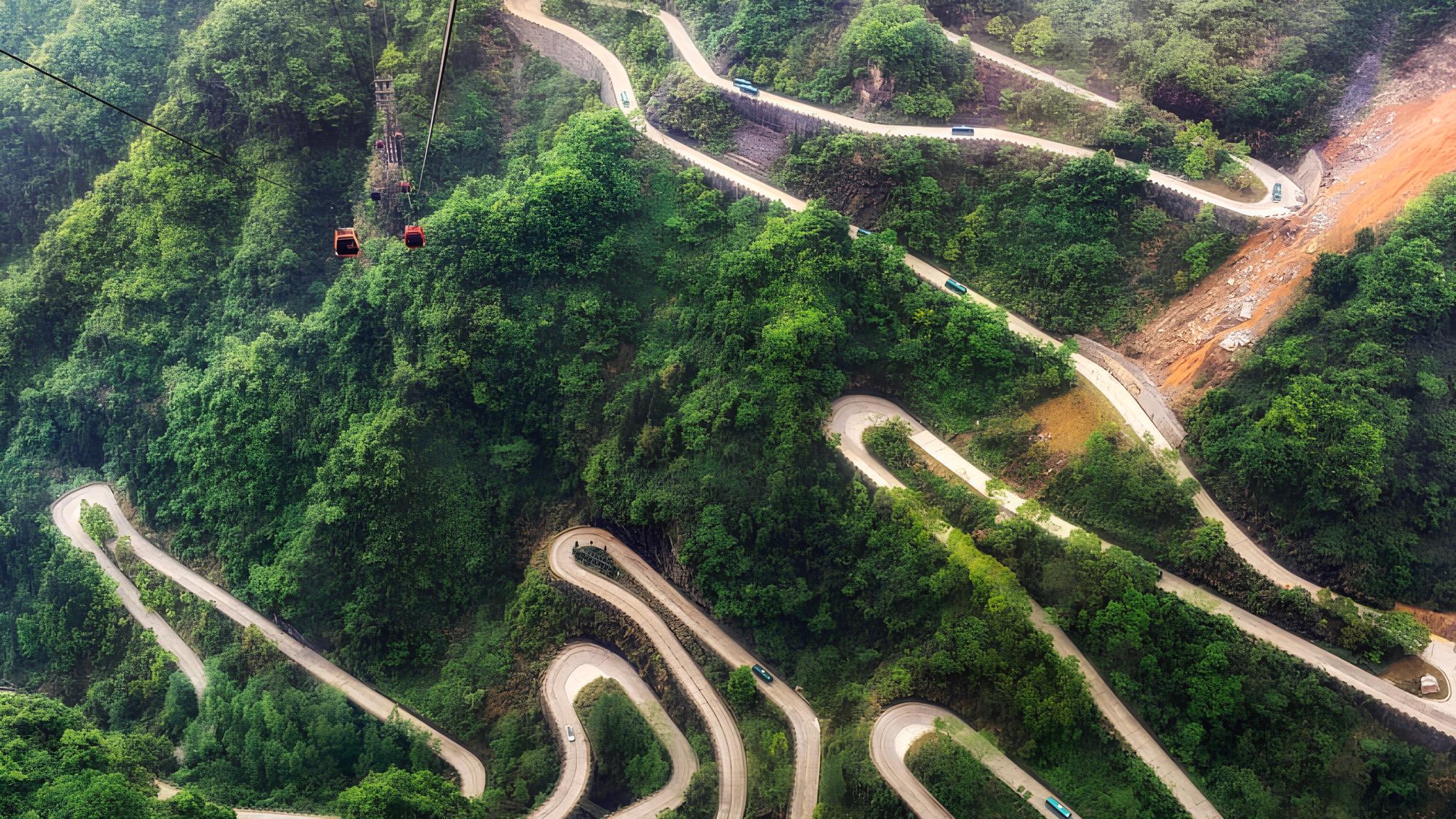


99-Bend Road in 11 km at Tianmen Mountain Challenges Drivers, Curves Around Cliffs and Became One of the Most Extreme and Cinematic Routes in China.
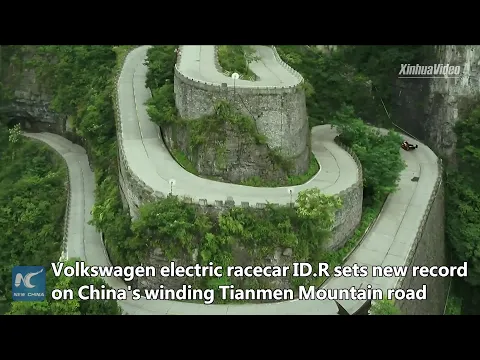
At first glance, it looks like a traditional Chinese painting brought to life. Along a mountain taken by vertical cliffs and limestone walls that rise almost vertically, a narrow, winding white road draws an impossible line over the deep green of Tianmen, in Hunan Province. The road, officially known as Tianmen Mountain Road, features 99 hairpin turns in just 11 km, a sequence so extreme that it resembles the backbone of a dragon climbing the mountain.
Built amid slopes with brutal declines, the road has become one of the most challenging routes in the country. In some sections, the driver finds themselves just a few centimeters from an abyss that drops hundreds of meters below, while the next turn already demands a precise and controlled maneuver. There is no moment of rest: each curve hides another, and every meter of the track seems to test the limits of those who pass by.
A Work That Took Years to Complete
The construction of Tianmen Mountain Road began in the late 1990s, when the Chinese government decided to transform the mountain into a tourist hub. The goal was not just to create an access road but to conceive a work that visually dialogued with the natural grandeur of the region.
-
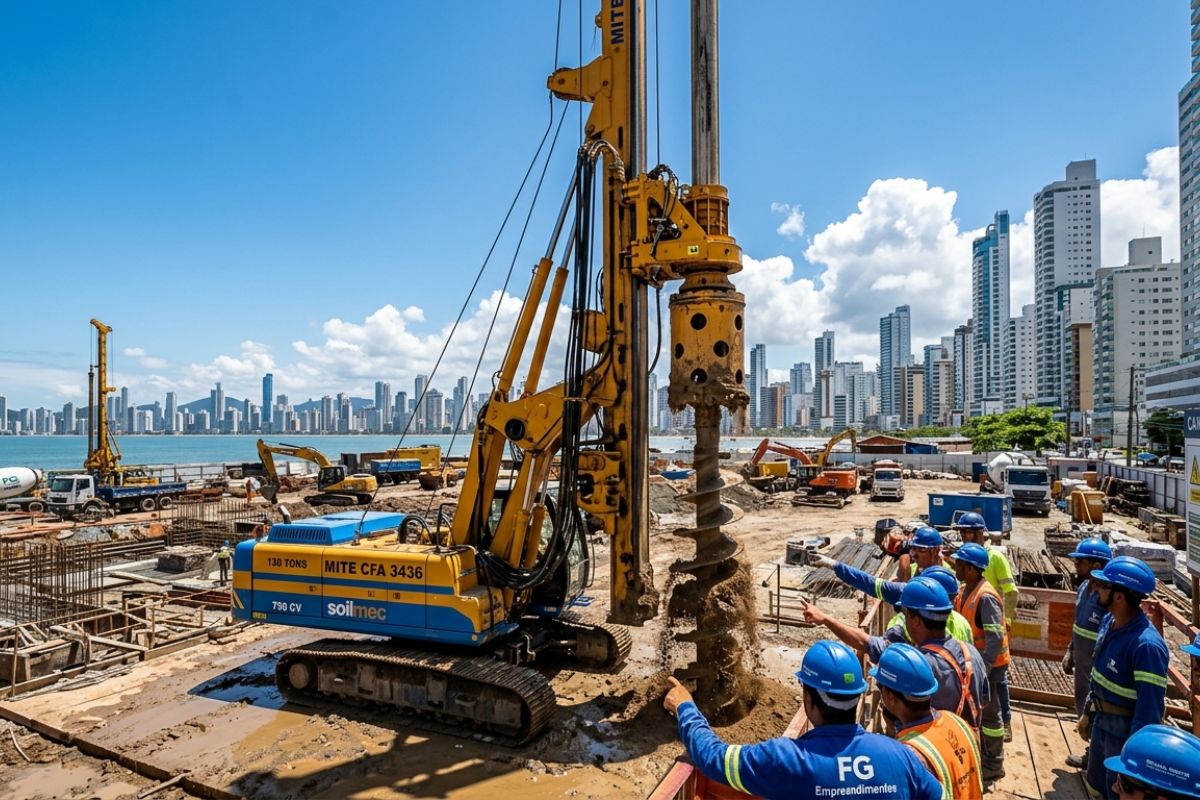
Italian giant of 130 tons arrives at the Senna Tower construction site and accelerates foundations: Mite CFA 3436 drills up to 50 m, 750 hp engine, investment of R$ 20 million, unique in Latin America.
-
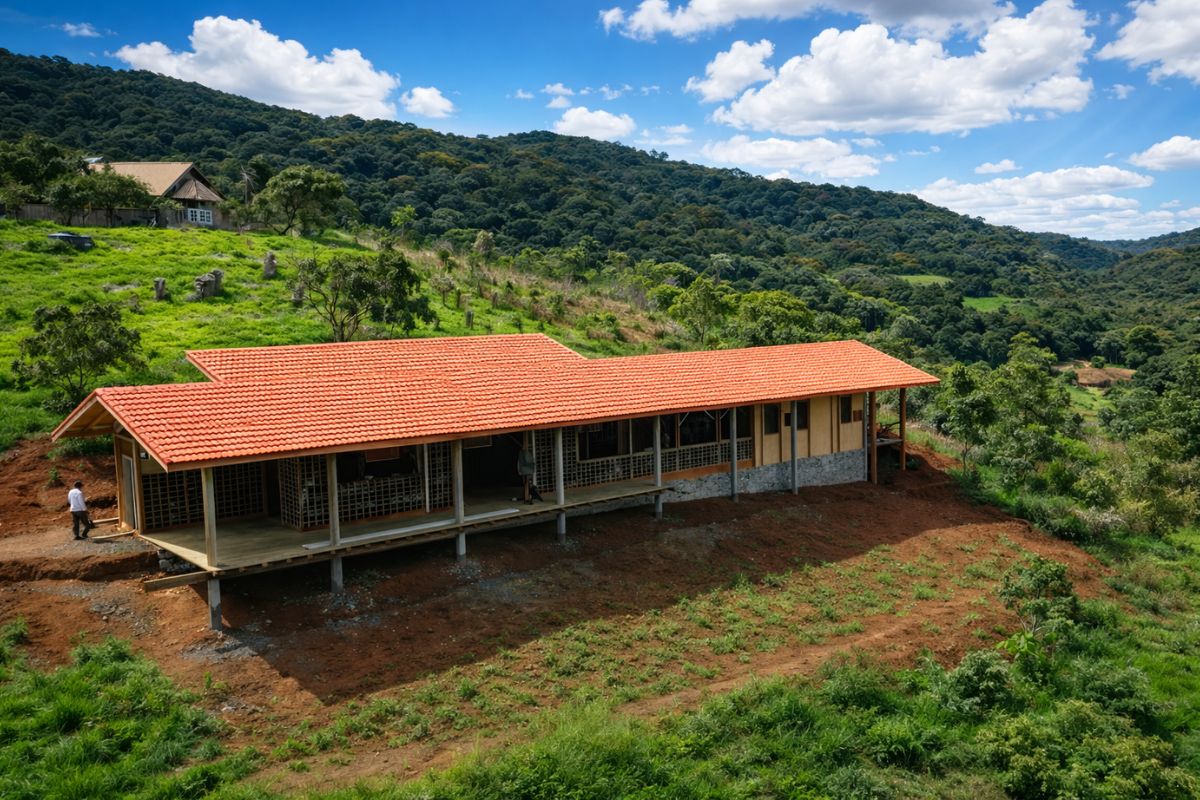
The adobe house in Monteiro Lobato takes shape with bamboo and clay from the land, a stone foundation, and a roof for the wind; cracks are normal, and finishing with lime turns it into a “common house.”
-
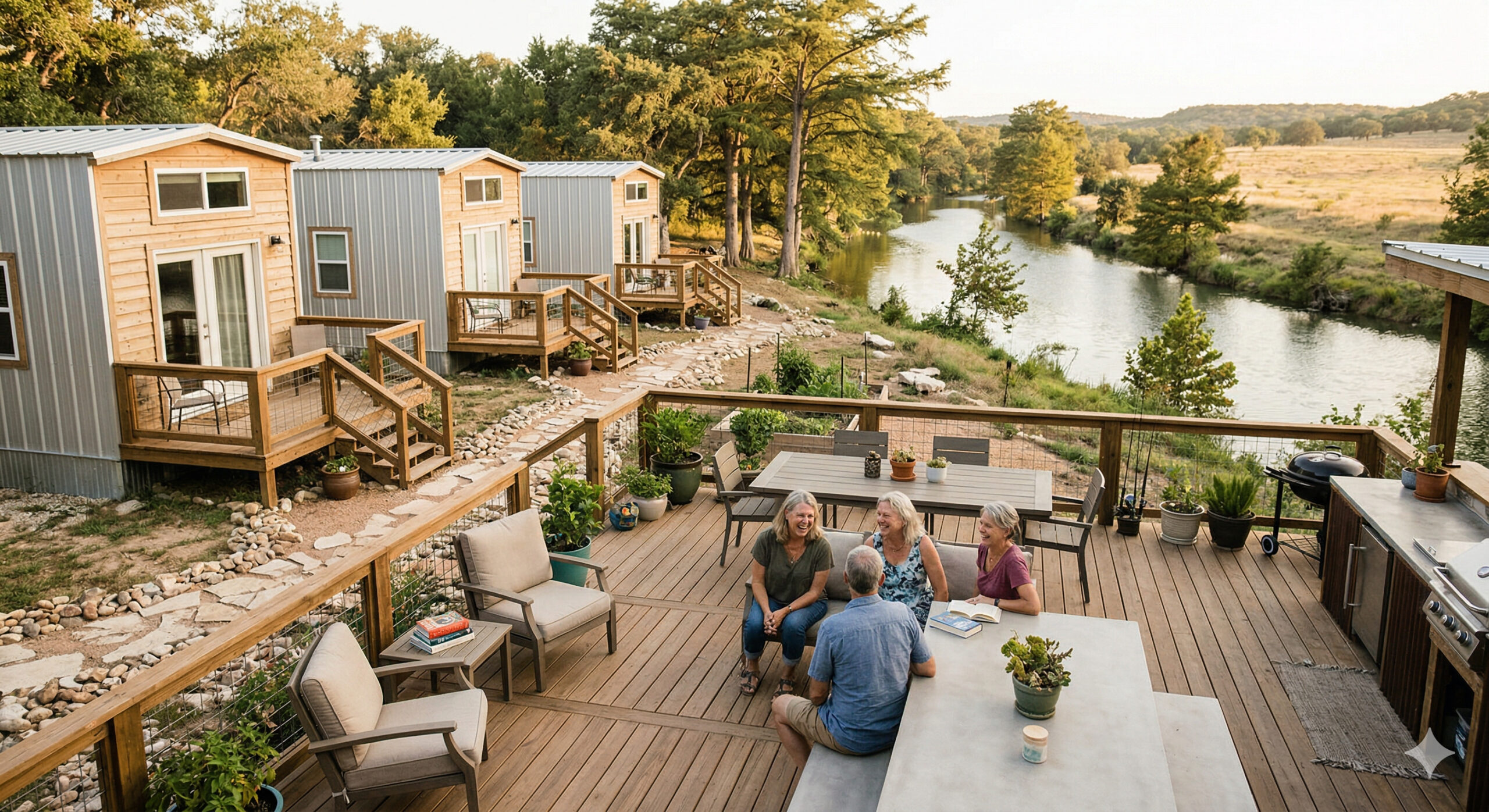
Four friends with over 30 years of friendship built a “mini village” by the banks of a river in Texas to grow old together, with houses of just 32 m² and a shared common space. The Bestie Row project has become a model of alternative living that is starting to spread around the world.
-
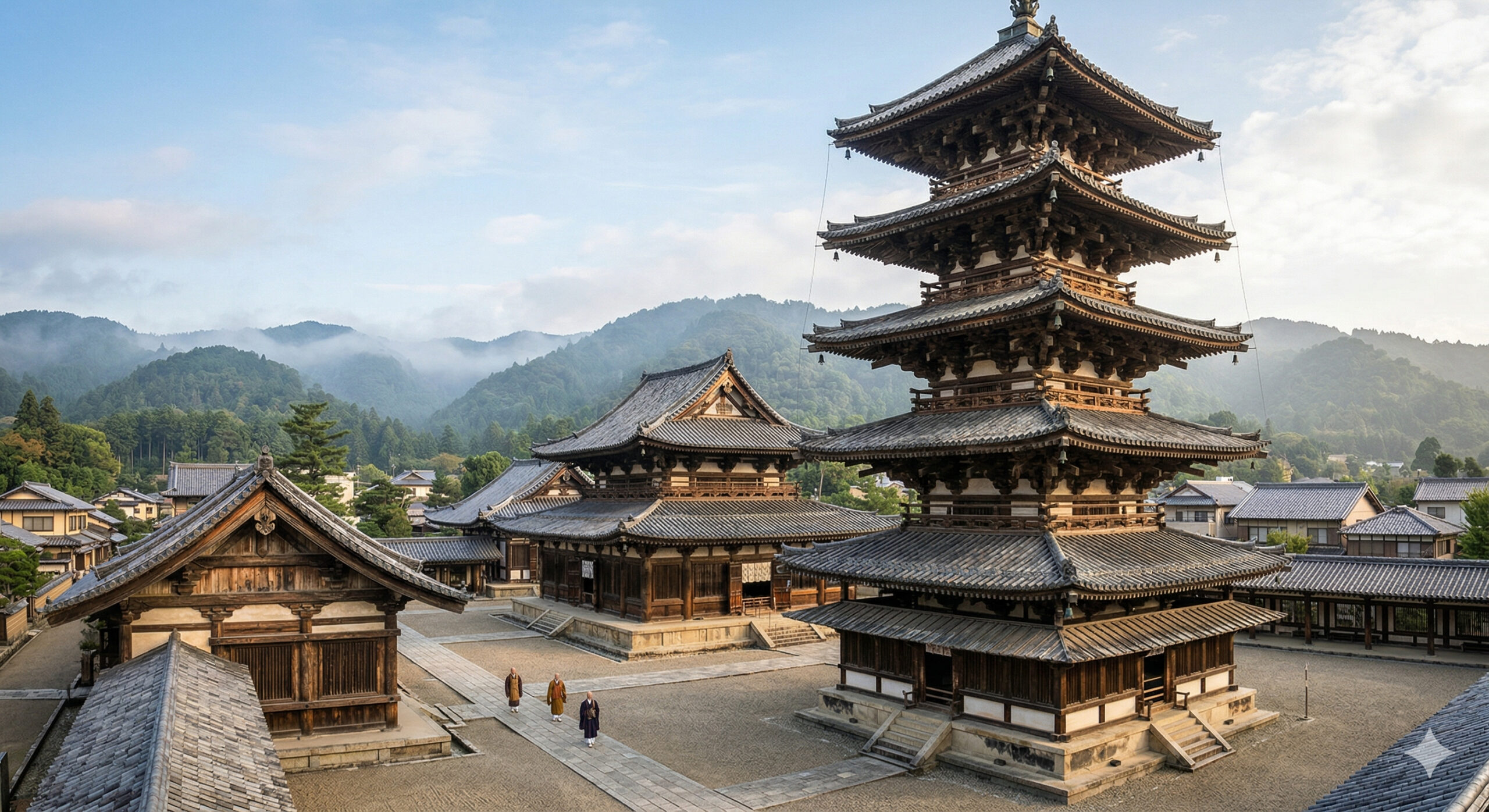
The ancient Japanese capital, planned over 1,200 years ago, still withstands earthquakes with colossal wooden temples and palaces, built without concrete or modern steel, by masters who created engineering capable of enduring centuries.

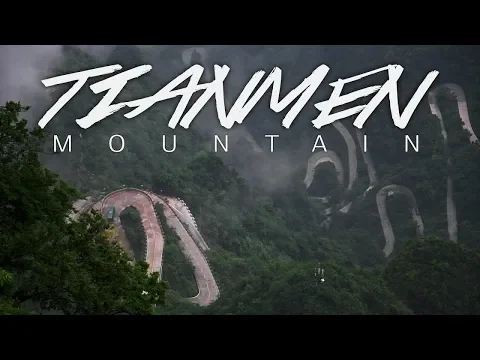

It took almost eight years of work, excavations in steep walls, retaining walls, and tunnels that needed to navigate complex geological formations. In the most difficult sections, machines were unable to work — workers suspended by cables had to drill the rock manually.
The end result is a road that integrates into the landscape as if it had always existed there. The zig-zag layout, inspired by symbolic Chinese concepts, refers to the “nine times nine curves,” symbolizing ascent to the sky — just like the climb to the top of the mountain.
A Ascent that Requires Skill, Attention and Composure
The average incline of the road varies between 7% and 10%, with sections that reach 15%. Under ideal conditions, it is already a challenge to maintain vehicle stability. On cloudy or rainy days, the clouds descend upon the track, reducing visibility to just a few meters. On certain mornings, the driver can only see a silver line disappearing into the fog.
Tour buses travel up and down the road daily, driven by experienced drivers who know every turn. The Chinese government enforces strict speed and traffic control rules — rightly so. A minimal error can result in a fall of hundreds of meters.
For those who prefer to avoid the terrestrial route, there is a cable car with over 7 km in length, one of the largest in the world, which departs from the city and takes visitors to the top of the mountain. But it is the road, with its immense cliffs and curve after curve, that has become the trademark of the place.
Tianmen: The Mountain That Guards a Natural Portal
At the top of the road, the landscape opens up to a unique geological formation: the Tianmen Cave, a natural arch 131 meters high that looks like a giant portal carved in stone. It is a spiritual symbol and one of the most photographed spots in China. To reach it, visitors must face a staircase of 999 steps, reinforcing the numerical symbolism of the mountain.
The road and the portal have become inseparable in the visual identity of Tianmen. Since its opening to the public, the site has welcomed millions of visitors and has entered global rankings of the most extreme roads in the world. Sports cars, cyclists, and professional drivers have tested their limits on the route, turning the trip into a setting for television challenges and special events.
A Meeting Between Engineering, Risk, and Natural Beauty
The Tianmen Mountain Road is not just a path; it is a spectacle. Each curve reveals a different landscape, each ascent brings a new viewpoint over the cliffs, and each narrow section makes the heart race. It is a road that offers no neutrality: it either fascinates or scares.
What makes it such a striking experience is precisely this balance between engineering and nature, between risk and fascination. It does not attempt to tame the mountain. It follows it, curve by curve, decline by decline, accepting its limitations and embracing its verticality.
And that is why, two decades after its construction, Tianmen continues to attract visitors from all over the world. Because few roads can unite, in just 11 km, so much challenge, so much beauty, and so much symbolism as this white ribbon that winds around the mountain as if it were the very embodiment of a dragon climbing to the sky.






No Brasil temos a Serra do Rio do Rastro que é muito mais bonita. Mania de valorizar só coisas estrangeiras.
Se fosse no Brasil, essa estrada seria usada como ponto de desova😅
Estrada Espetacular
A SC-390 na Serra do Rio do Rastro possui cerca de 12 km de subida íngreme e desafiadora, com impressionantes 284 curvas fechadas. A altitude chega a mais de 1.421 metros, oferecendo vistas panorâmicas que, em dias claros, permitem avistar até mesmo o litoral catarinense. Devido à sua complexidade e beleza, a estrada já foi eleita uma das mais espetaculares do mundo.
Veja que a nossa não tem só 99 curvas, são 284 curvas, quase o triplo do número da estrada chinesa. Sem falar que a serra ali é uma pintura, como um quadro maravilhoso do Melhor dos Pintores.
Além disso, a estrada da Serra do Rio do Rastro sobe 14,21 Km, enquanto a da serra Chinesa sobe somente 13 Km, ou seja, a nossa vai 1.210 m mais ao alto! Com aquela paisagem!