





 English
  Francês
  Alemão
  Italiano
  Japonês
  Norueguês
  Portuguese
  Spanish
  2 min of reading


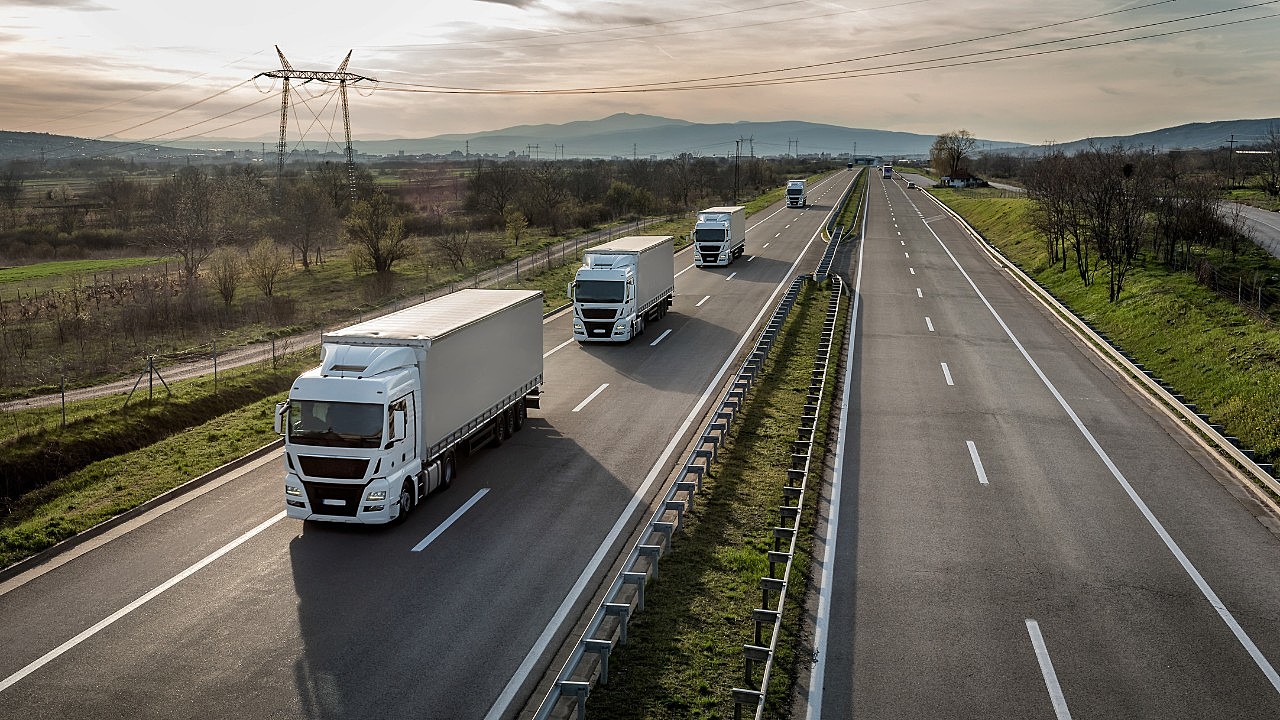
The Freight Per Kilometer Increased By About 40% In The Consolidated Year Of 2022 Compared To 2021, Closing At Around R$ 7.14, According To The Freight Repom Index (IFR) Released This Wednesday, Mainly Driven By The Increase In Diesel Prices.
From January to September, the price closed at around R$ 7.10 km, with spending corresponding to 40.12% on fuels. From August to September, there was a slight drop of 4.6%, during which Petrobras made about three consecutive price reductions for diesel at its refineries.
Repom’s expectations for the year 2023, however, mark a line of business for fleets and the mobilization of Edenred Brazil, indicating some retreat in the increases of road freight prices. “There is a scenario of decline in the average freight price for this year, impacted by international and domestic factors, such as the extension of federal tax exemptions on diesel for another year and new reductions in the ANTT minimum freight table,” said Repom’s director, Vinicios Fernandes, in a statement.
The director also commented on truck drivers: “We see that these professionals end up lowering their wages to continue working, as the prices of other items only increased the operational costs of freight in recent years.”
-
The government puts R$ 8.6 billion on the table to change the highway (BR) with 50 overpasses, 28 bridges, 4 tunnels, and 40 km of bike lanes in 180 km of historic duplication.

-
São Paulo surprises the world with a colossal railway network project that promises over 1,000 km of tracks, R$ 194 billion in investments, and 40 projects connecting the capital to the interior with fast and sustainable trains.

-
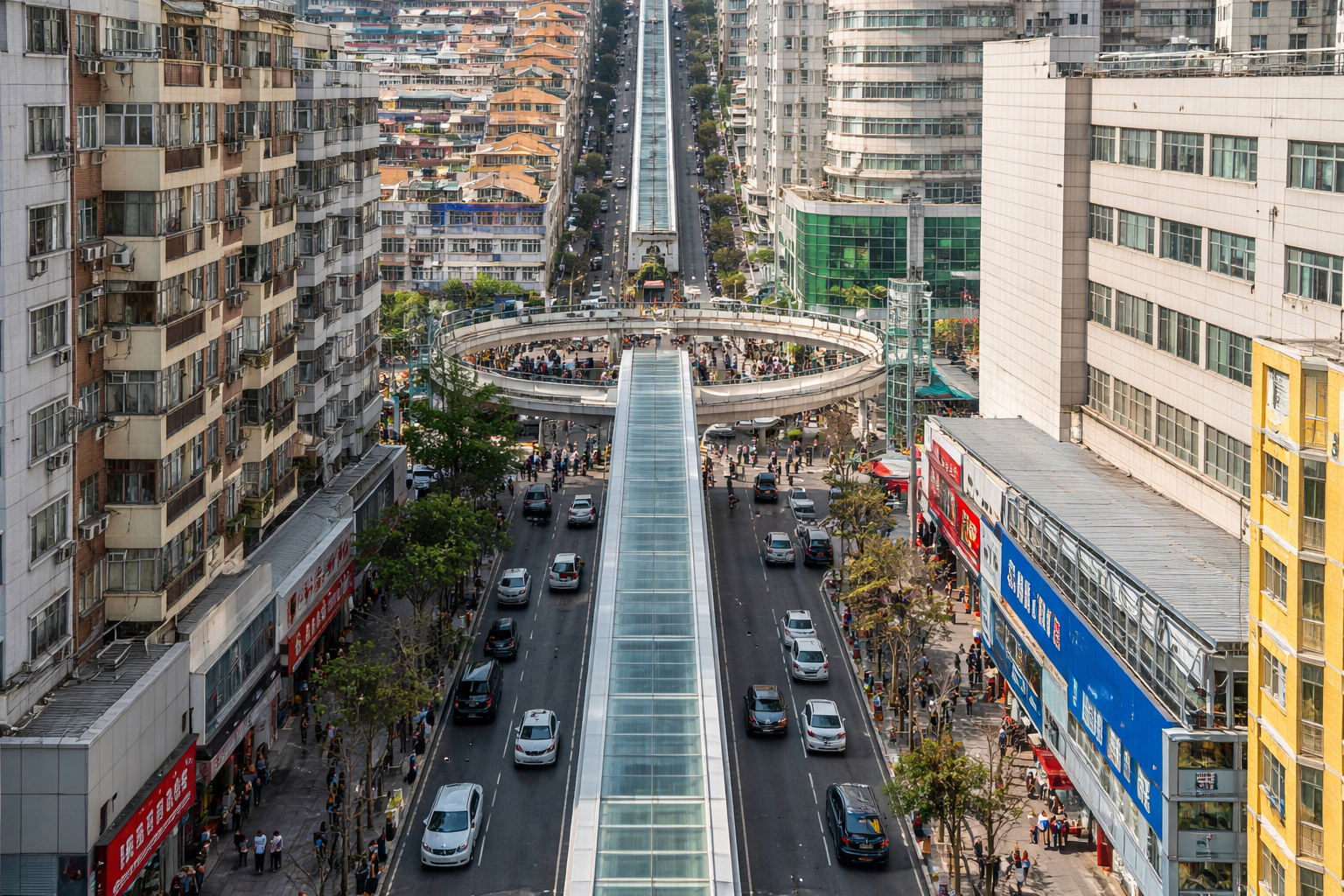
The world’s largest escalator, measuring 905 meters in China, reduces urban travel time from 1 hour to about 20 minutes and transforms mobility in mountainous regions with an engineering solution adapted to the terrain.
-
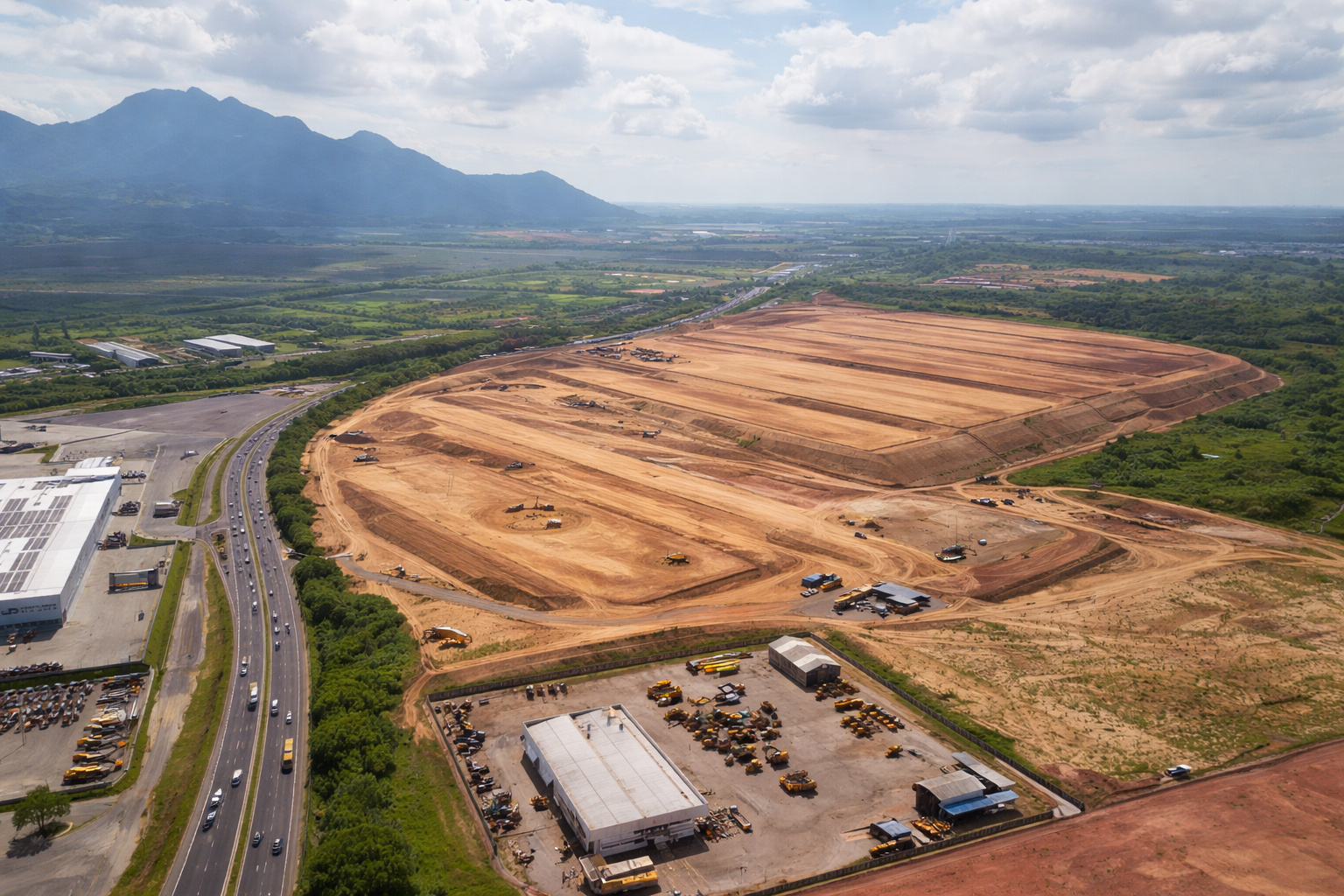
A R$ 300 million logistics giant is taking shape in Serra with over 100,000 m² and raises a question: how can this transform e-commerce and distribution in the state?

From the cargo perspective, this survey stood out, as freight for corn was about 67% higher, while soybean freight was around 33%, throughout the year compared to the same period in 2021. Despite a slight decrease compared to the previous year, the average freight price will still remain high compared to previous historical levels from 2022.
In the middle of last year, freight prices peaked in July, averaging around R$ 8.4, highlighted Repom. “In the successive recovery of business, one of the reflections of the end of the most difficult phase of the pandemic has been the difficulty companies face in finding truck drivers to carry out cargo transportation. Due to supply and demand issues, this factor also raises freight prices and is expected to be one of the challenges for the sector in 2023,” added director Vinícios Fernandes.
The IFR is an index that shows the average freight prices and their compositions, measured based on the 8 million annual freight transactions and toll vouchers managed by Repom. Repom is specialized in technological solutions for management and expense payments for the road freight transportation markets.









Seja o primeiro a reagir!