





 Portuguese
  English
  Spanish
  4 min of reading
  8 comments


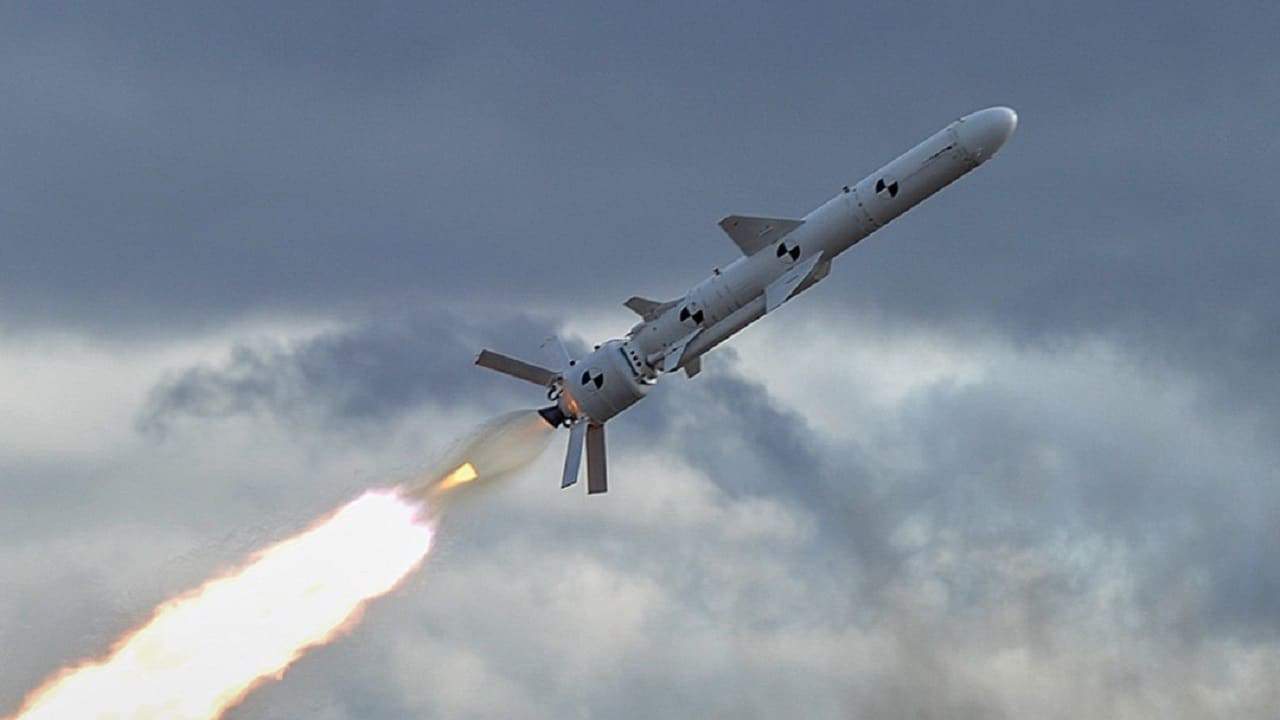


With a Range of Over 1,500 km and Flying Close to the Ground, the Kalibr Missile Extends the Range of the Russian Navy and Joins the Ranks of the World’s Leading Cruise Missiles.
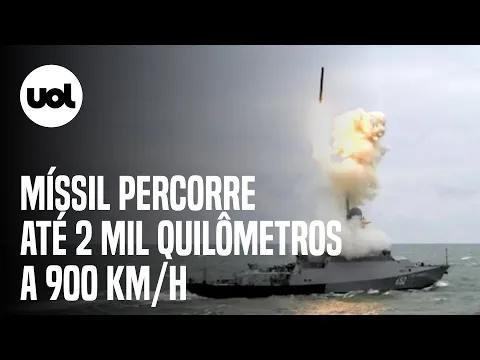
The cruise missile 3M-14 Kalibr (NATO: SS-N-30A) is one of the highest operational range naval strike systems today. Developed by NPO Novator, the Kalibr gained global attention after its documented use in real operations, demonstrating an unusual capability for a missile launched from ships and submarines: to hit land targets hundreds of kilometers away while flying at very low altitudes to reduce radar exposure.
But before any technical analysis, it is important to understand the context: cruise missiles are not showpiece weapons, but strategic instruments that countries test and operate within specific military doctrines. In the case of the Kalibr, the declared objective by Russia is to extend the operational range of its Navy without relying on aircraft carriers or strategic bombers—something similar to what the United States does with the Tomahawk.
How the Kalibr Is Launched and Where It Can Operate
The Kalibr system exists in several versions, with the main ones being:
-
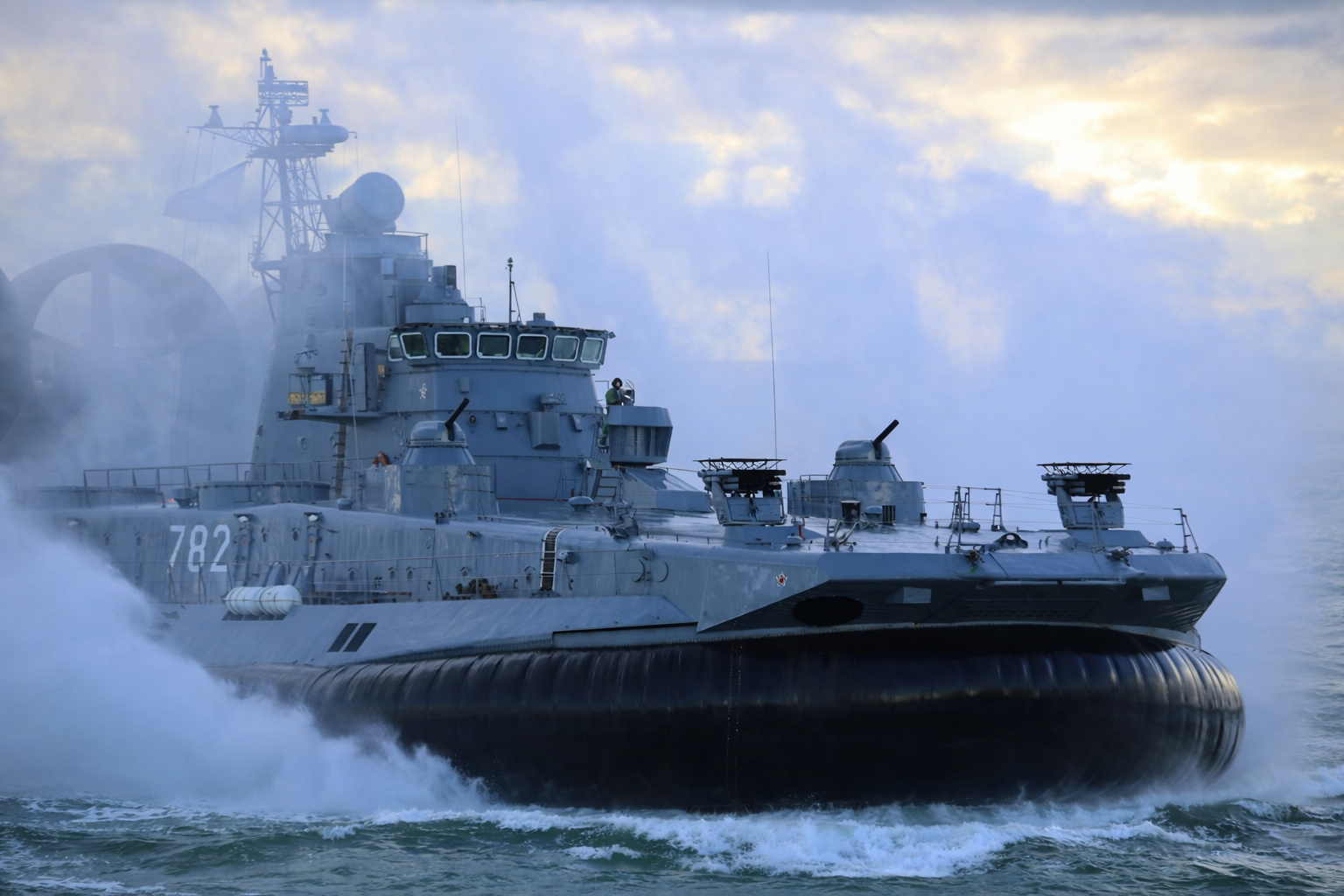
Classified as a “amphibious monster” weighing 555 tons, 57 meters long, and featuring three propellers with a diameter of 5.5 meters, the Zubr is the largest military hovercraft ever built, capable of transporting 3 tanks or 500 soldiers at speeds exceeding 100 km/h over water, ice, and sand, and China has resumed production of it to project power in the South China Sea.
-
The U.S. Army receives the first Black Hawk helicopter that can fly without pilots, be controlled by a tablet, and even land on its own during high-risk missions.

-
With 11,000 tons and sensors capable of hunting submarines at long distances, the Type 055 has become one of the most feared floating arsenals of the Chinese navy.

-
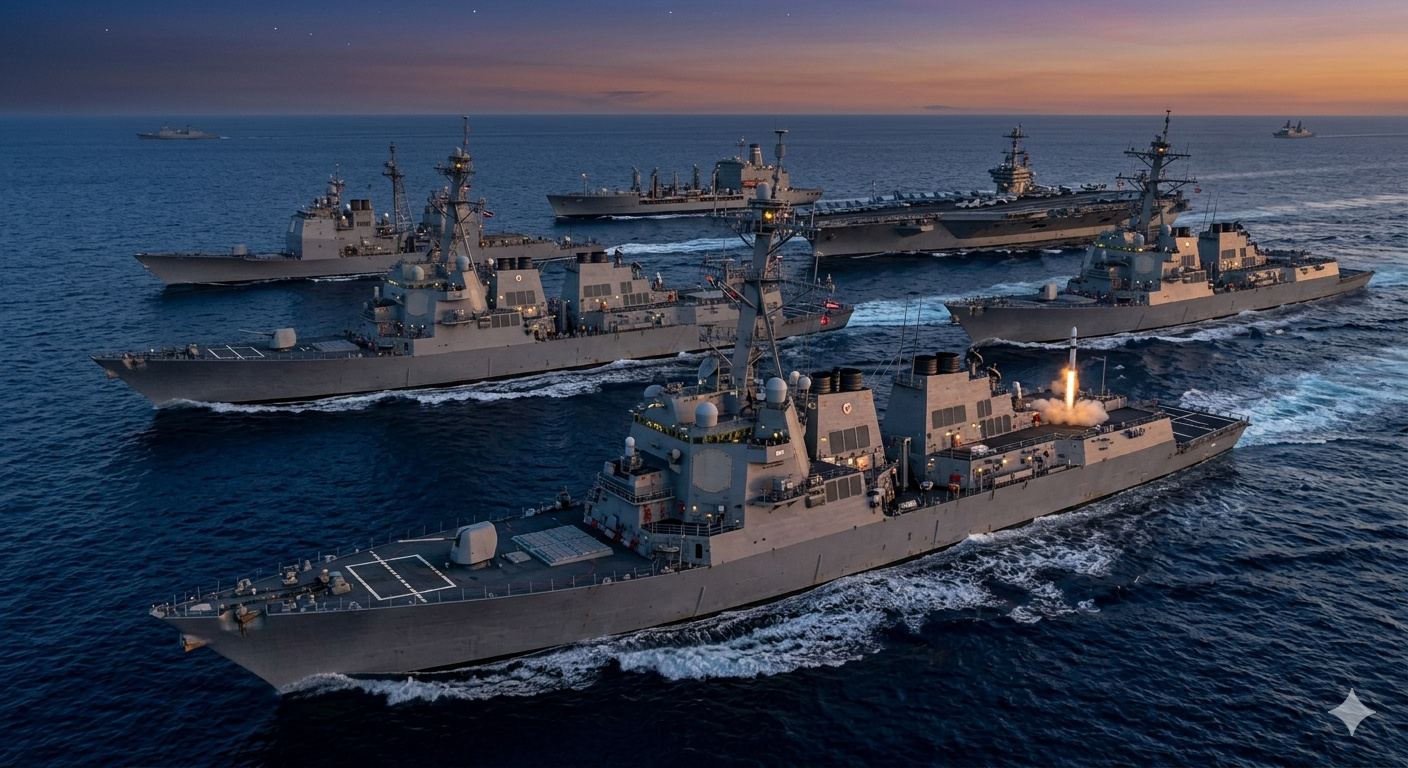
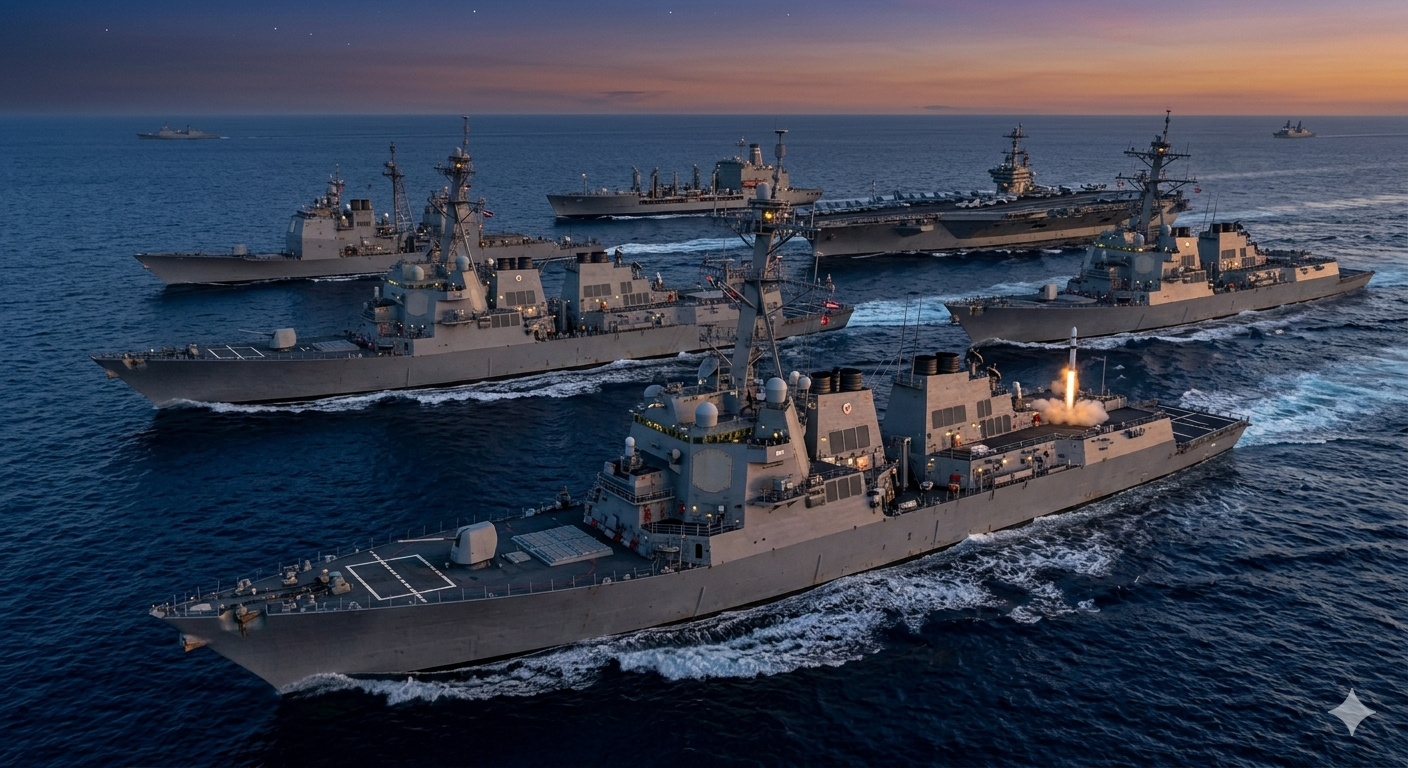
With over 15,000 tons, radars capable of tracking hundreds of targets simultaneously, and more than 120 missiles ready for launch in seconds, modern destroyers cease to be escorts and begin to dominate the naval battlefield.

• 3M-14 — land-attack
• 3M-54 — anti-ship attack
• 91R — anti-submarine variant
The 3M-14 version is the most well-known and can be launched from:
• Submarines (SSK/SSN) equipped with 533 mm tubes
• Frigates, corvettes, and small ships using vertical launch systems (VLS)
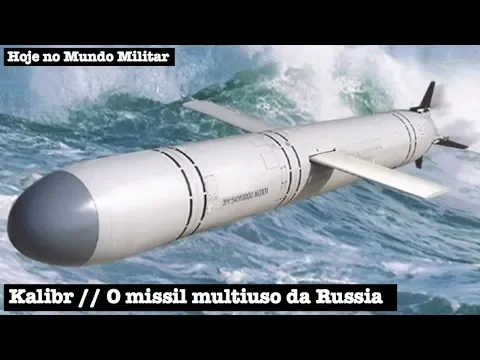

This transforms relatively small units into long-range strike platforms. One of the most cited examples is the Buyan-M corvette, a ship weighing less than 1,000 tons that can operate Kalibr and hit targets located in other countries, which is considered unusual for vessels of this size.
Range and Flight Profile
The most cited data in Western sources is that the 3M-14 version has a range greater than 1,500 km, which can vary depending on the variant and payload. The missile uses:
• INS/GPS Navigation (Inertial + Satellite System)
• Corrections via GLONASS
• TERCOM/DSMAC in more complex phases of guidance
The flight profile is a central technical point. The Kalibr:
• ascends at medium altitude
• descends to fly close to the ground or over the sea (10 to 50 m in the terminal phase)
• makes continuous corrections to avoid obstacles and defenses
• performs terminal maneuvers to complicate interception
This profile reduces the apparent radar cross-section, delaying detection in short- and medium-range air defense systems.
Payload and Warhead
The publicly disclosed warheads include:
• Conventional Fragmentation Warheads
• Piercing Warheads for hardened targets
Information on special warheads is not detailed for obvious reasons—and any operational discussion about it belongs in the realm of defense policies, not technical disclosure.
Speed: Subsonic with Supersonic Components
The land-attack Kalibr is predominantly subsonic (~0.7–0.9 Mach), but anti-ship variants (3M-54) feature a supersonic terminal stage (Mach 2.5–3) to reduce the chance of interception.
This combination is not exclusive, but it is technically interesting because it requires different engines in distinct phases of flight.
Platforms That Carry the Kalibr in the Russian Navy
Among the documented platforms are:
• Kilo-class Submarines (636.3)
• Yasen-M-class Submarines (885M)
• Admiral Gorshkov-class Frigates
• Buyan-M and Karakurt Corvettes
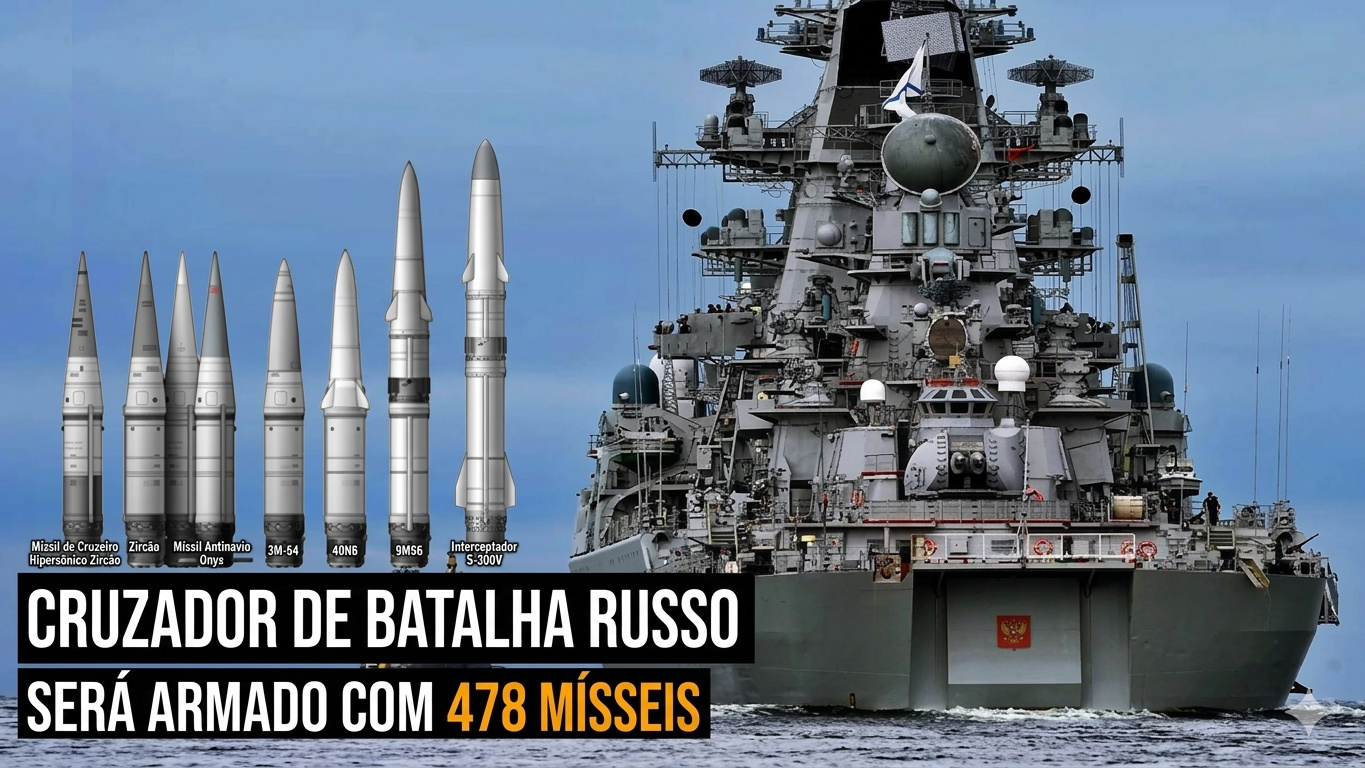
The central idea is to distribute the system across various ships, avoiding dependency on large cruisers.
Operational Employment and Strategic Impact
The Kalibr drew international attention when small ships in the Caspian Sea launched missiles at targets in Syria in 2015, demonstrating:
• terrestrial attack capability
• long-distance launch
• coordination among different fleets
For military analysts, the point was not the tactical impact, but the technological message: even navies without large aircraft carriers can achieve strategic range using cruise missiles.
On the global stage, the Kalibr is in the same technological grouping as:
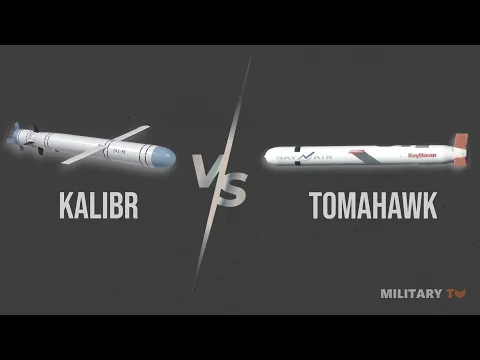
• Tomahawk Block IV/V (USA) — >1,600 km
• MdCN Naval Cruise Missile (France) — ~1,000 km
• Hyunmoo-3 (South Korea) — >1,000 km
Each has specific doctrines and functions, but all adhere to the logic of projecting power at a distance with less risk to personnel.
The Kalibr missile is a technological milestone within Russian naval doctrine because:
• it expands the Navy’s range
• it transforms small ships into strategic vectors
• it operates with low flight and combined navigation
• it enters the same technological group as other modern missiles
An important point is that cruise missiles, regardless of the country, raise ethical and geopolitical debates about their use in real conflicts. Thus, technical analyses like this serve only to understand the technology and not to promote use or practical instruction, which is entirely outside the scope here.








España posee el Taurus o Taurus neo, pero solo para ensamblar en aviones se debería crear también para barcos y submarinos de esta forma estaríamos a la par de las mejores armadas, o al menos equiparados a estas.
Todo indica “más rollo que película ” , fanfarronadas rusas, pues es raro que no lo hayan utilizado ya contra Ucrania, que es como se demostrarla de verdad sus capacidades en pleno campo de batalla…
No tuvieron batallas maritimas y no seria de extrañar q si hallan utilizado ese misil crucero en la version tierra/tierra.
Rusia tiene tecnología militar muy avanzada. Los países occidentales deberían ser muy prudentes; si no quieren tener problemas graves.
La misma tecnología de los s300 qué tenia Venezuela y no detectaron a ninguno de los casi 150 aviones americanos que volaron sobre Venezuela…