





 Portuguese
  English
  Spanish
  3 min of reading


With the nuclear void left by the Fukushima nuclear power plant, Japan has been studying ways to change its energy matrix and reduce its dependence on coal and oil. This is a way found by the government to make the environment more sustainable and address its expressive population growth associated with the lack of space for building plants on land.
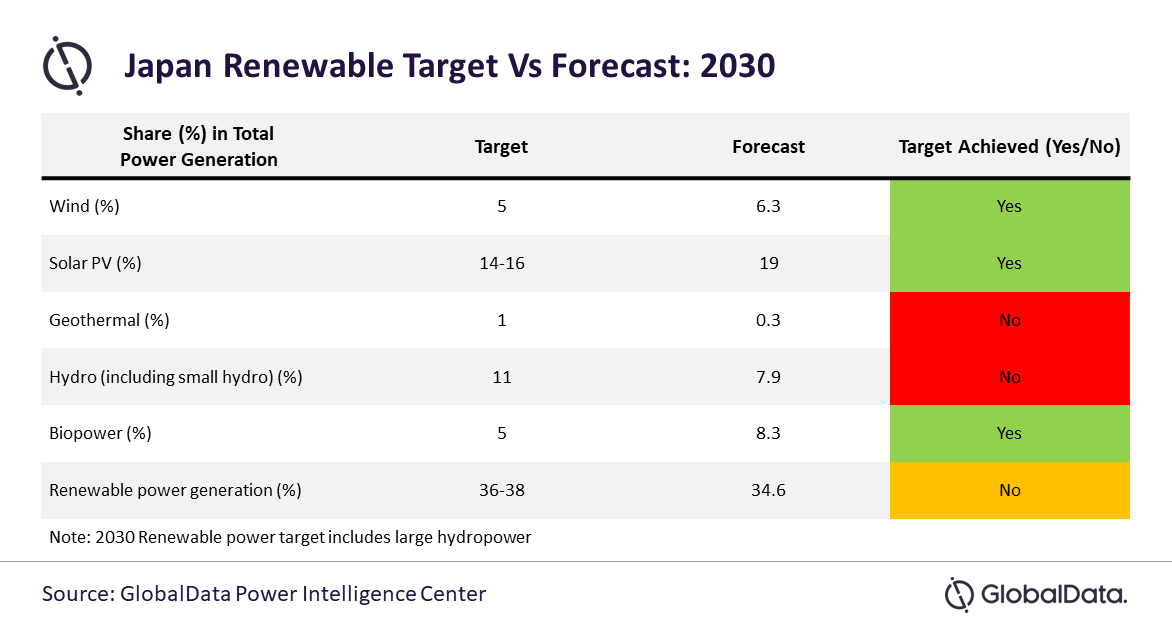
According to data revealed by Energy Global, it is estimated that Japan can have at least 36% of its energy matrix focused on renewable energies, such as wind and solar, one of the focuses of the island being offshore (plants in the open sea), which will allow the spread of various plants without being on land. The offshore plants are a way to meet high energy demand without occupying space that could be used for building homes for the population and businesses.
Global Data states that the global generation mix will be 34% by the year 2030 for renewable energy, focused on hydrogen, solar, and wind usage. It is not only Japan that has been heavily investing in this transition, but also other countries: the United States has recently developed a solar panel that can be added to apartment windows because it is transparent. Thus, it would not need to occupy land and roof space.
Meanwhile, a Mexican startup has also reportedly developed a project to create algae solar panels. It would work as follows: the algae receive sunlight and react to produce their own food through photosynthesis. Photosynthesis releases heat. The heat would be used by households when converted. Another advantage of this panel is that the algae can capture carbon dioxide from the environment, releasing O2, used by humans in their breathing process and can “dampen” the greenhouse effect.
-
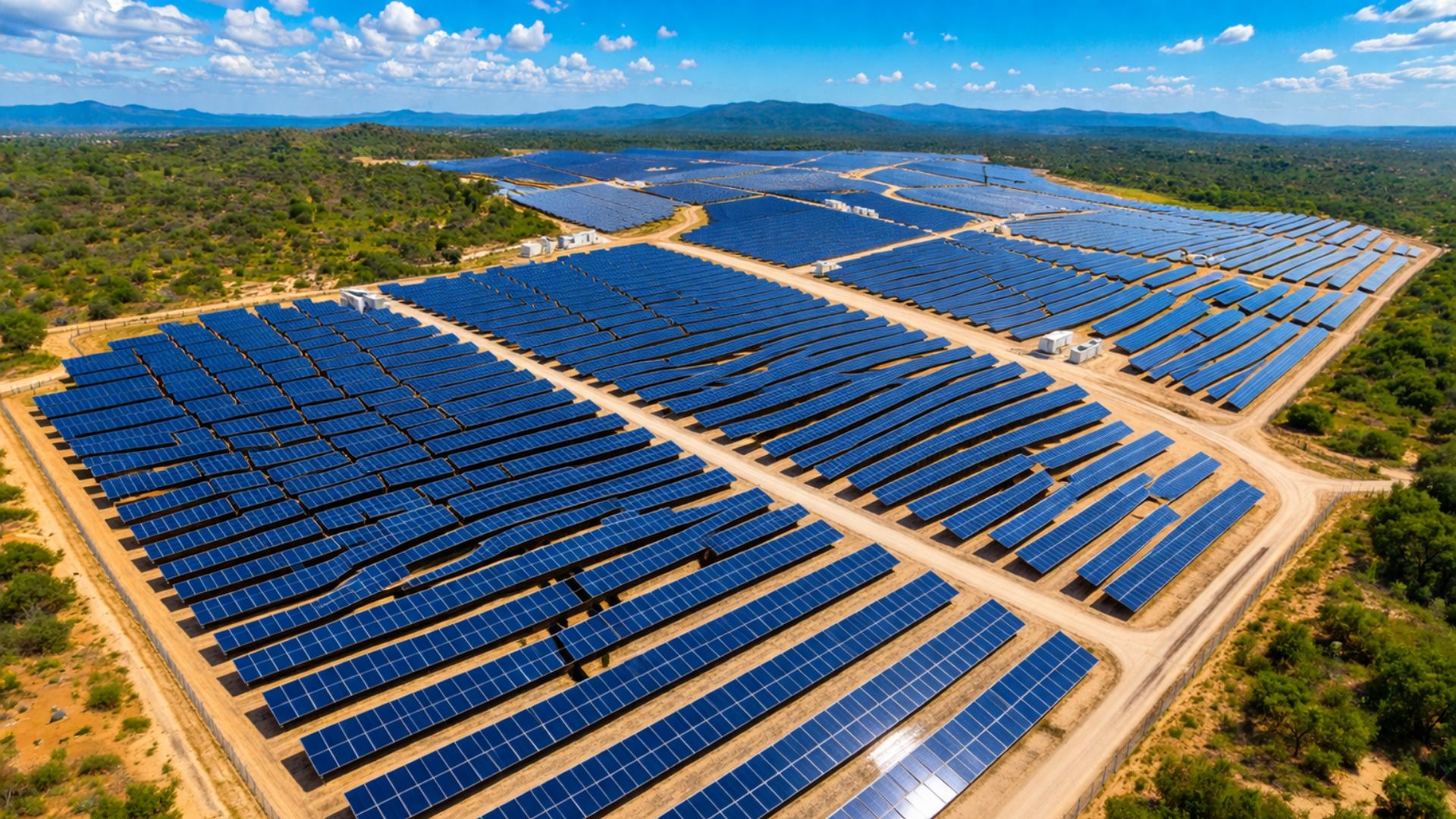
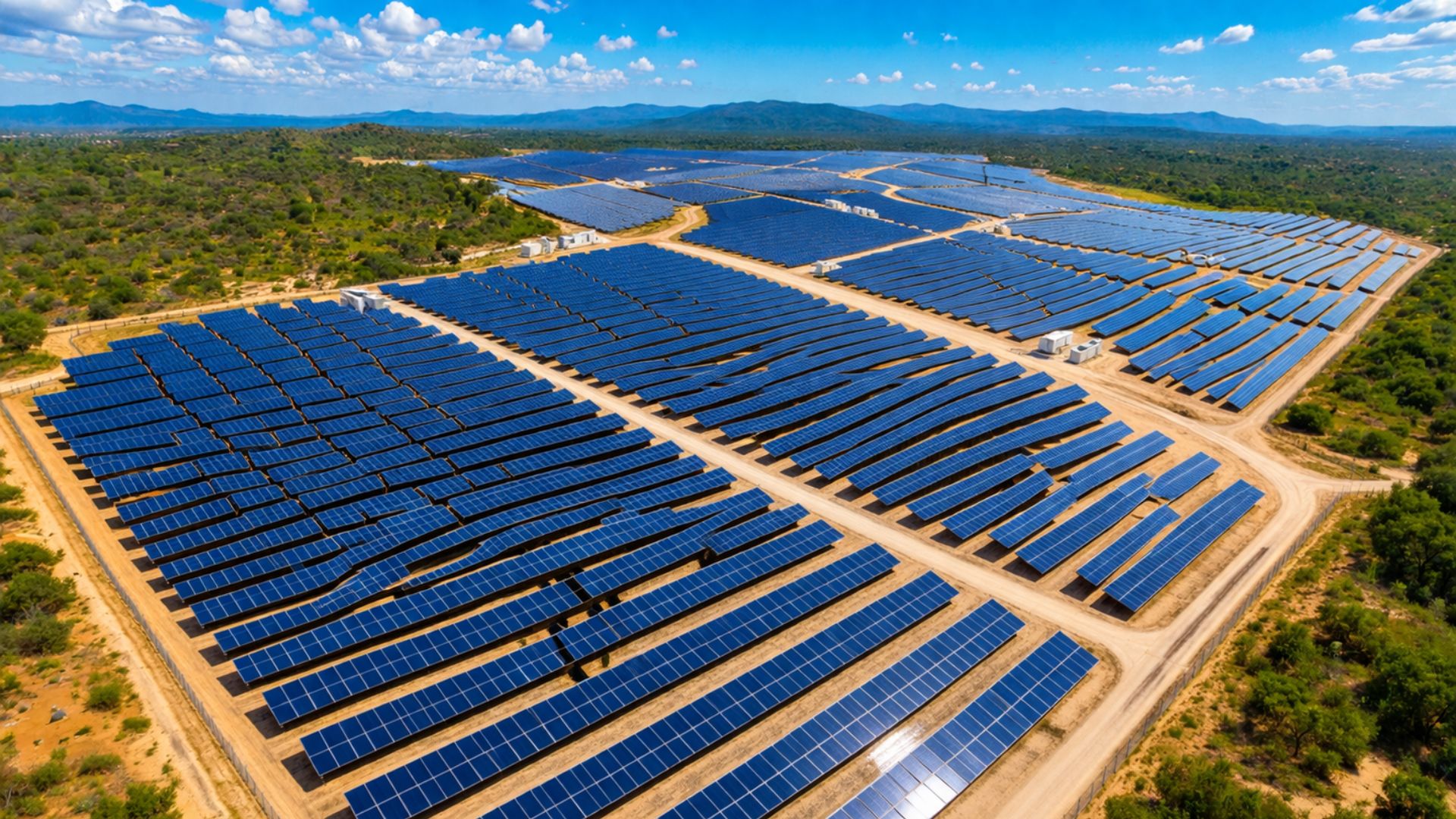
The Sol do Agreste Photovoltaic Complex begins operations in Pernambuco and accelerates the expansion of solar energy in Brazil, directly impacting the reduction of emissions and strengthening the sustainable energy matrix.
-
The Sol do Agreste Photovoltaic Complex begins operations in Pernambuco and accelerates the expansion of solar energy in Brazil, directly impacting the reduction of emissions and strengthening the sustainable energy matrix.
-
Renewable energy advances over protected areas in Brazil, and a survey by the Energy Transition Observatory reveals silent impacts that challenge environmental conservation and pressure sensitive traditional territories.

-
Rio Grande do Sul accelerates energy transition: State invests in renewable technologies and consolidates decarbonization strategies and pathways to attract billions in new industrial investments.


Sixth Energy Strategic Plan for the Use of Solar and Wind Energy Was Launched by Japan in 2021
In October 2021, Japan launched a strategic plan that would address how it would transition to the use of renewable sources through offshore solar and wind energy, that is, off the coast due to the lack of space.
However, a report released by ‘Japan Power Market Size, Trends, Regulations, Competitive Landscape, and Forecast, 2022 – 2035‘ shows that the country has been facing specific difficulties for this transition, such as the rising costs of panels and the lack of highly productive technology to meet the demands of its large population. Additionally, several utilities operating in the country have high connection fees, which complicates the transition process. It is estimated that, just to begin the more massive investments, they had to lose more than 4 years in regulatory processes.
Saibasan concludes in his analysis: “Offshore wind energy is an option, and the country is also experimenting with floating solar energy. These resources were expensive, but are now more economical with improvements in technology. Once again, Japan’s efforts to implement a public bidding system to approve new renewable energy projects may take advantage of the falling prices of the latest technologies.”
Read More: Thinner Steel Plates May Be a Way to Speed Up the Energy Transition
A study conducted by Origami Solar predicts that the creation of solar panels made using steel may be a way for countries to reduce their dependence on aluminum and lower costs for the energy transition. By using steel sourced from Germany, carbon dioxide emissions in the environment can be reduced by up to 94%.








Seja o primeiro a reagir!