






 Portuguese
  Spanish
  3 min of reading


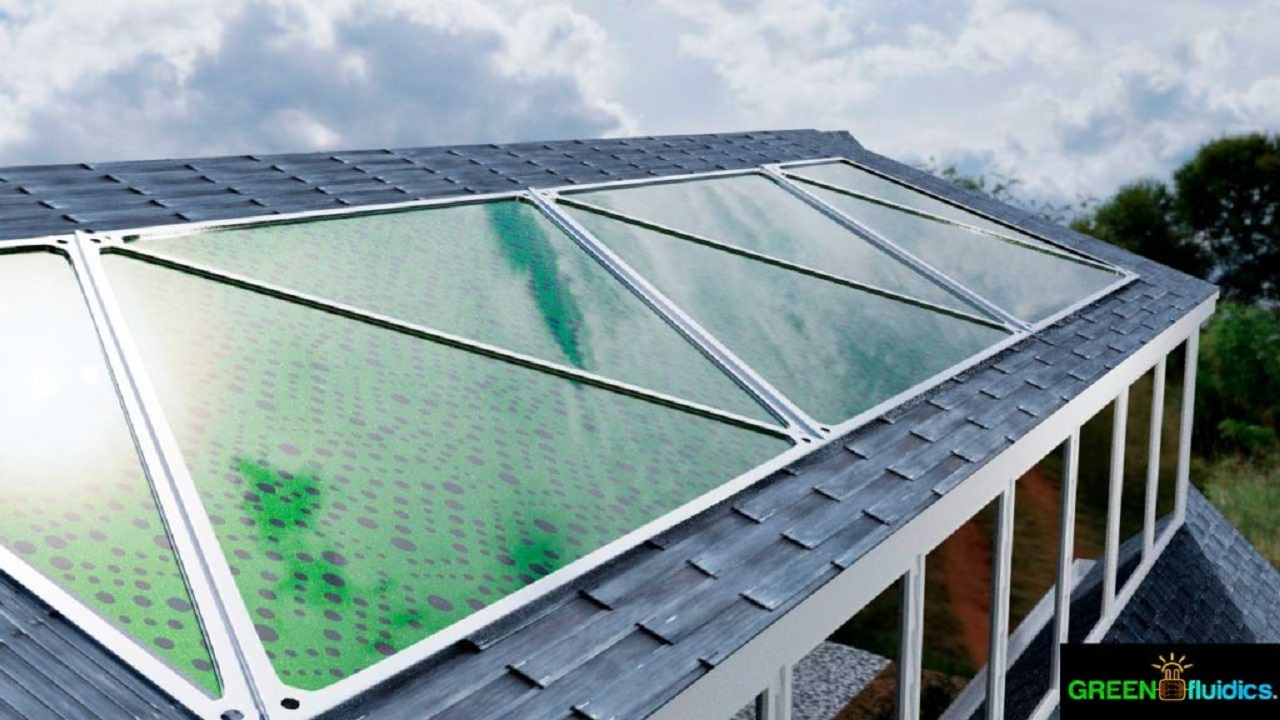
The Mexican Startup Greenfluidics Developed New Algae-Based Solar Panels That, Besides Revolutionizing The Renewable Market, Will Help Preserve The Environment
A Mexican company specialized in renewable energy, Greenfluidics, developed an innovative technology, a solar panel capable of generating renewable energy through algae, which removes carbon dioxide Co₂ from the air. The solar panel is based on one of the most essential organisms for the earth, algae, which has the merit of producing more than half of the planet’s oxygen.
Algae-Based Solar Panels Can Reduce High Electricity Bills And Boost The Renewable Energy Market
The algae-based solar panel consists of two video plates, containing an aqueous solution enriched with recyclable Co₂ nanoparticles, in which the algae are immersed. The solar panel works by consuming Co₂ and returning biomass for the extraction of fertilizers and also renewable energy through a thermoelectric generator.
The biomass produced from algae can be extracted and reprocessed as biofuel, becoming an alternative energy source for a building or even for the electric vehicle segment.
-
Brazilian scientists are simultaneously advancing two research projects on clean hydrogen and driving solutions that could transform the energy matrix, enhance industrial competitiveness, and accelerate large-scale emission reduction targets.

-
Advancement in renewable energy: A R$ 150 million project launched by Petrobras and Finep aims to create state-of-the-art electrolyzers for green hydrogen, strengthening national research and preparing Brazil to compete in a billion-dollar energy market.
-
Solar energy can increase property value by up to 10% and become a selling point.
-
Illiterate or semi-literate grandmothers were trained to repair solar systems, open rural workshops, and light up homes that still depended on kerosene.




The technology of the nanoparticles found in the solar panel increases the thermal conductivity of the system, contributing to the generation of renewable electrical energy without excessive heating during the summer period.
Sustainability Through Algae
According to the Mexican startup, a small amount of algae can capture around 1 kg of Co₂. This entire sustainability idea is coupled with its visual appeal, aiming to attract architects with modern tastes.
However, the solar panel is still an abstract idea. The company’s scientists fear that production costs may be too high, hindering its popularization.
Regarded as the third-largest biofuel generation, energy production based on algae can be a great alternative to replace fossil fuels. With a more efficient yield than soy and other common raw materials, algae practically do not harm the environment.
The Growth of The Renewable Energy Market
Last year, the renewable energy sector remained notably firm. Rapid advancements in technology and decreasing costs of renewable energy resources, along with increased competitiveness in battery storage, made renewable energy one of the most competitive energy sources in various areas.
Many states, cities, and utilities have set ambitious renewable energy goals, raising standards in the renewable chain and declaring energy storage acquisition mandates.
The growth of renewable energy globally is continuous, as public concern about climate change and support for environmental, social, and governmental issues increase, along with demand for renewable energy sources rising in most segments.
The current scenario of renewable energy in Brazil is gaining strength, impressing specialists and investors in both national and international markets. In a span of 10 years, renewable energy in Brazil has grown by around 30%, accounting for over 40% of the country’s entire energy matrix. This presence is even greater when considering only electricity, which totals over 80%, compared to the global index of approximately 20%.


Be the first to react!