





 Portuguese
  English
  Spanish
  5 min of reading
  1 comment


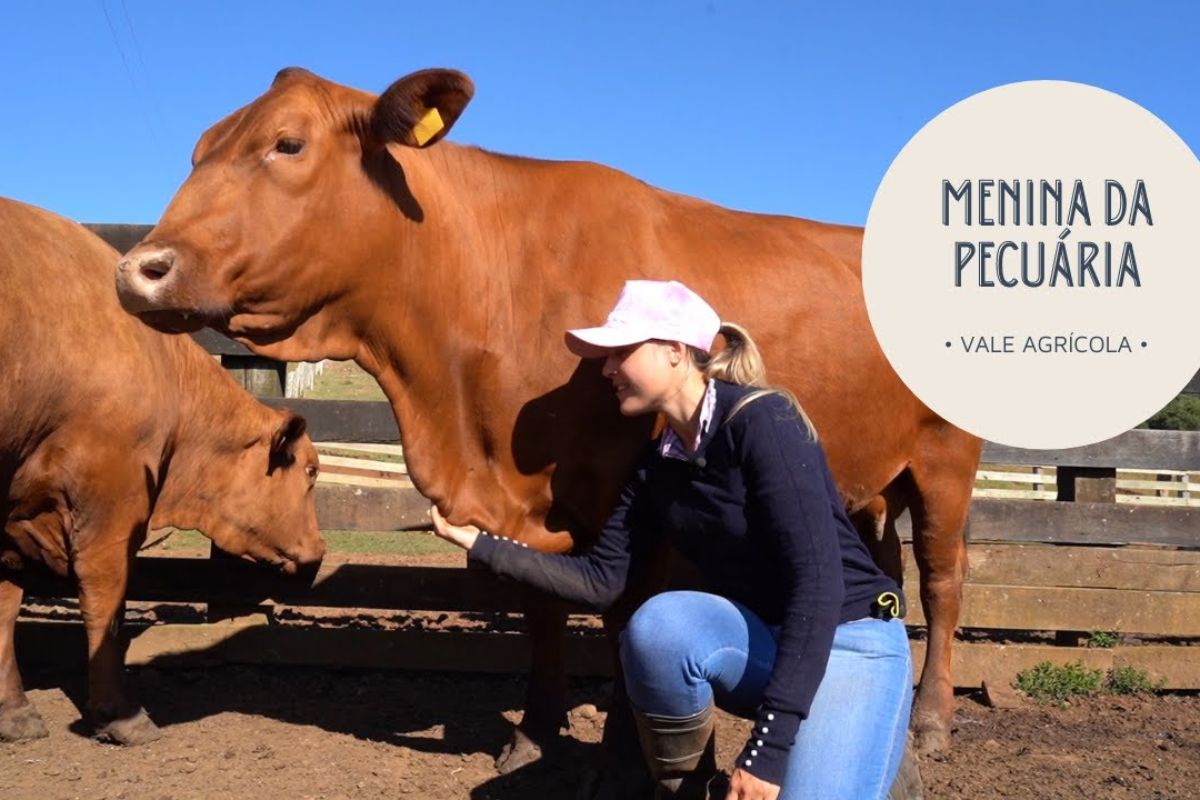


With the Shock of Her Father’s Death, the Livestock Girl and Her Mother Refuse to Leave the Farm, Restructure the Herd on 48 Hectares, Bet on Senepol, Technical Knowledge, Detailed Management, Partnerships, Auctions, Strong Genetics and Become a Consolidated Example of Female Protagonism in Brazilian Agri for New Rural Generations
Since her teenage years, when she lost her father at the age of 13, the livestock girl has seen the farm routine go from being just an emotional inheritance to a concrete responsibility, filled with bills, decisions, and risks. Instead of following the most expected path and moving to the city, she and her mother decided to stay on the 48-hectare property in Rio das Antas, Santa Catarina, facing alone the management of a business that previously relied on the patriarch as the family’s main “right-hand man.”
Years later, at 26, the producer transforms this same area into a showcase of genetics, refined management, and strategic positioning in a high value-added breed. With planning, study, and discipline, the livestock girl transitions from being an unexpected successor to becoming a national reference in Senepol, connecting family tradition, technology, and female protagonism in one of the most competitive segments of agriculture.
From Mourning to the Decision to Stay in the Field

When her father died in 2011, the farm’s structure was still marked by extensive management: cattle in native pasture all year round, white salt, occasional deworming, and a basic health calendar, with few technical interventions.
-
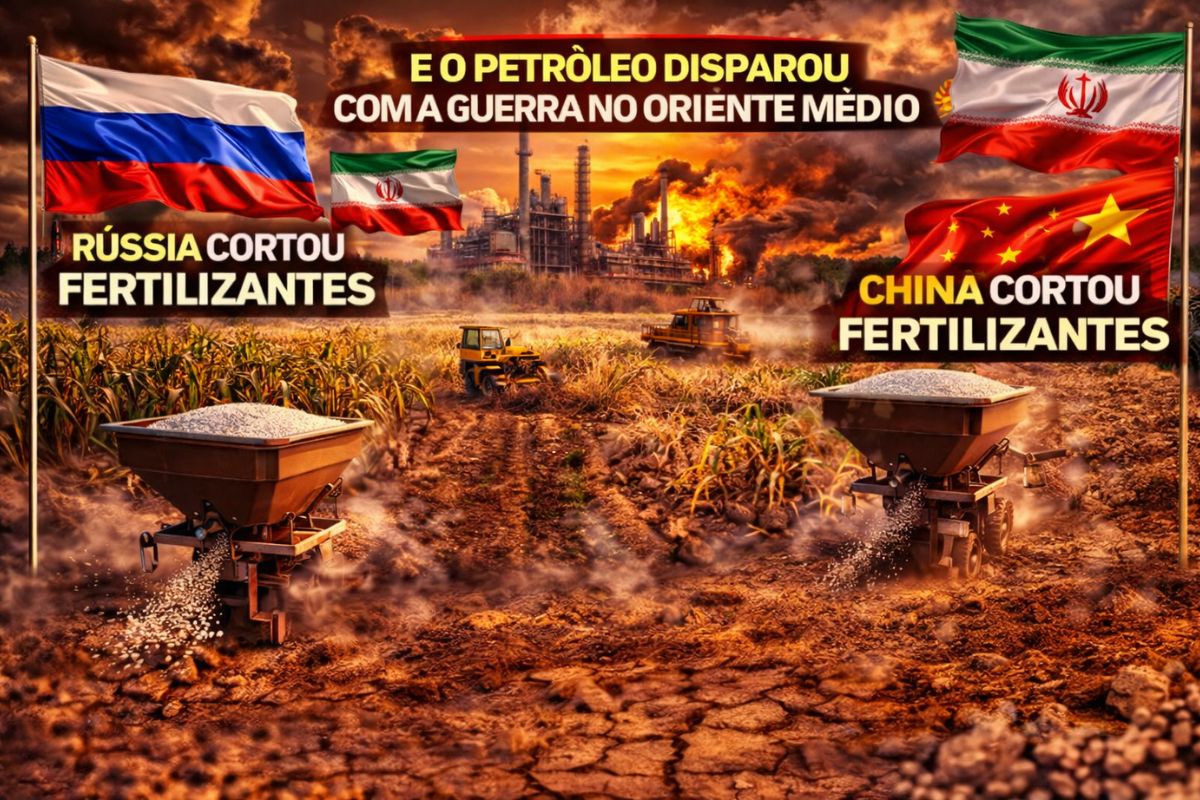
Russia cut fertilizers, China cut fertilizers, and oil prices soared with the war in the Middle East: sugarcane producers in the interior of São Paulo are seeing costs explode from all sides and warn that the effects will take months to be absorbed.
-
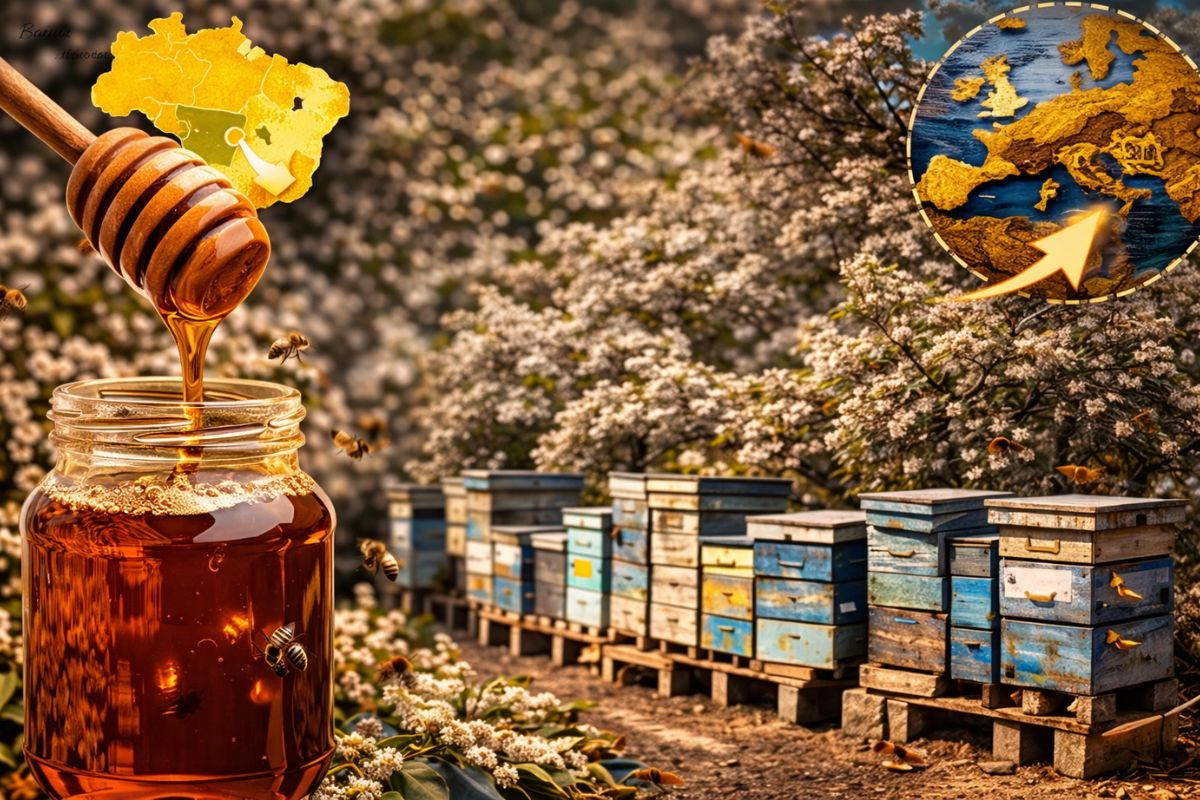
It does not come from flowers, is produced only every two years, and more than 90% goes straight to Europe: meet the bracatinga honeydew honey from Santa Catarina, considered one of the rarest in the world and overlooked by Brazil itself.
-
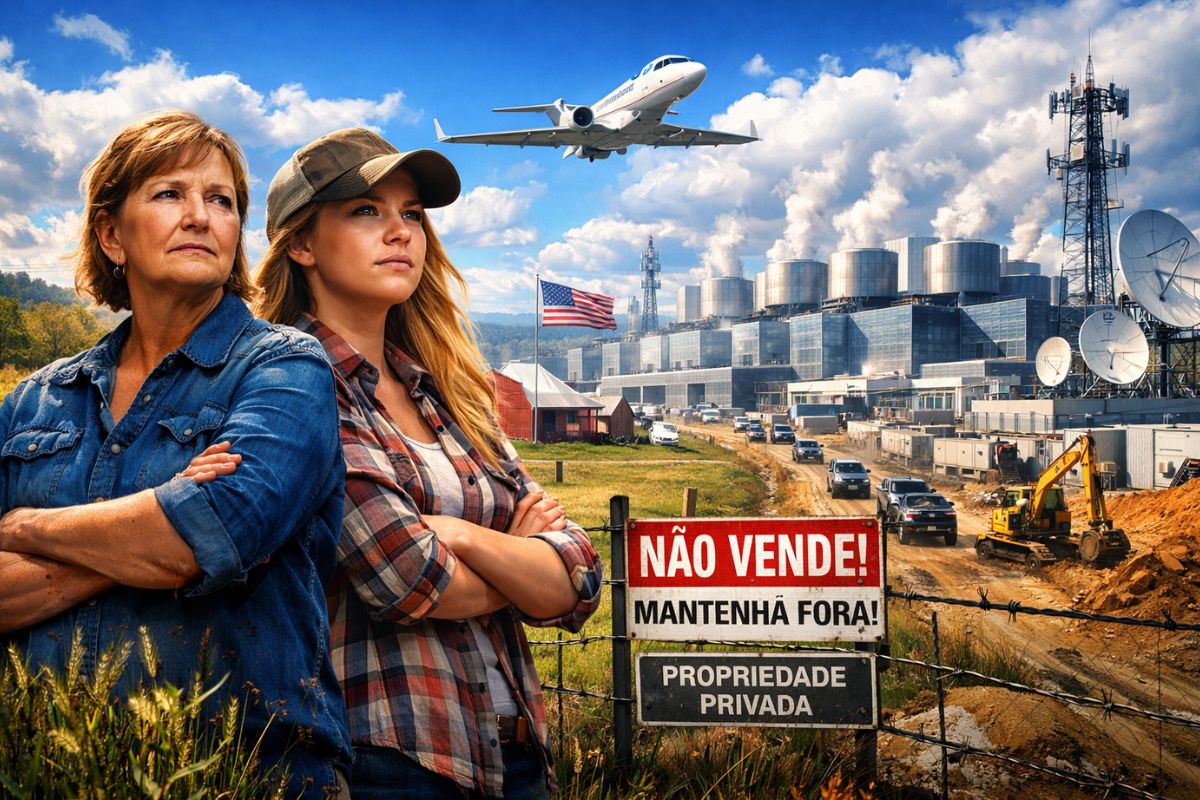
They said no to 26 million dollars and would do it all over again: mother and daughter from Kentucky reject a million-dollar offer from a mysterious company that wants to build the largest data center in the state on more than 2,000 acres of rural land.
-
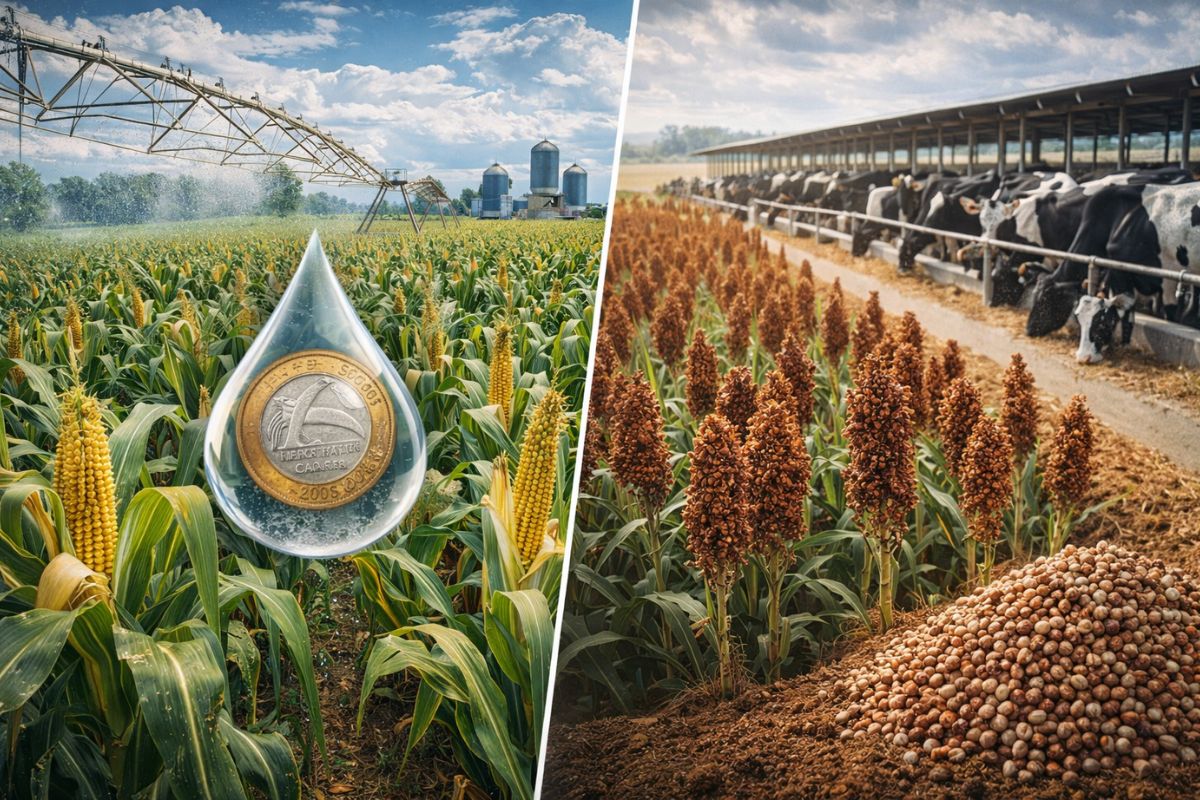
While corn requires rain and is expensive, sorghum produces almost the same volume per hectare at a cost up to 80% lower and uses less water, and it is revolutionizing dairy farming in the Triângulo Mineiro, where producers save hundreds of reais per hectare.

The sudden loss of the manager brought a double shock.
In addition to mourning, mother and daughter had to face the challenge of keeping the property financially viable in an environment where there was still strong prejudice against women on the front lines of livestock farming.
Without a phone, no internet, and with difficult access to the urban center, each decision required more improvisation and resilience than comfort.
It was in this context that the livestock girl learned, in practice, how to negotiate with cooperatives, engage with banking institutions, and seek support from technicians who truly understood the family’s project.
The transition from a traditional model to a more technified system began precisely with the willingness to ask, listen, and test, even when the environment was not favorable.
Turning Point: From Common Cattle to High-Value Senepol

The second major break came in 2016, when, watching a virtual auction, the young woman became enchanted with the rusticity and docility of Senepol animals.
Curiosity turned into strategy: she sought technical information, visited properties, studied genetics, and decided that this could be the new productive identity of the farm.
That same year, the first 10 embryos arrived, generating foundational matrices for the current herd.
From the beginning, mother and daughter understood that it was not enough to have good animals; they needed to build a business model.
The farm began working with embryo sales, preparing bulls for market, offering technical support to clients, and participating in auctions.
The livestock girl began to listen to the producer, understand the goals of each herd, and design crossbreeding aligned with the realities of the field, shortening cycles, anticipating sexual maturity, and efficiently gaining weight on pasture.
Management, Nutrition, and Genetics as a Performance Triad
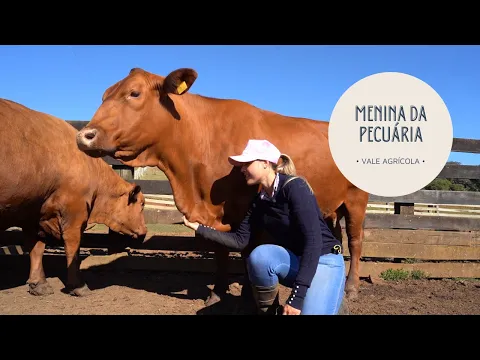

In the current routine, nothing is treated as improvisation.
The producer frequently repeats that there is no secret, only balance between management, nutrition, and genetic improvement.
Winter pastures with grasses such as oats and ryegrass are combined with crop areas, confinement at strategic moments, and supplementation with silage and specific feed in critical phases, such as pre-auction and preparation for exhibitions.
The adaptation of Senepol to the cold of the South was a recurring doubt for other producers.
Field experience showed the opposite: in winter, the hair grows and protects the animal; in summer, it shortens and returns to the breed standard, showing rusticity and adaptation.
This practical observation became a technical argument, reinforcing the farm’s image as a showcase of genetics that responds well even in frost-prone regions and lower temperatures.
Risk Management, Market Cycles, and Decisions Without Attachment
One of the most striking traits of the livestock girl’s journey is the ability to make quick decisions, without excessive attachment to the herd.
Part of the area is leased, and the income generated is reinvested in matrices and genetics.
Whole lots of cows from other breeds can be sold if the economic cycle and the property planning indicate that capital would be better used in another format.
The logic is clear: the calf and breeding market is cyclical, alternating between phases of highs and lows.
Instead of acting impulsively, the producer follows market information, observes price trends, assesses production costs, and adjusts the size of the herd according to the scenario.
Expanding in moments of opportunity and retreating with discipline during downturns has become part of the farm’s management DNA, reducing risks and ensuring resilience to weather difficult cycles.
Field, Technology, and Social Networks at the Service of the Business
Although she spends most of her time between pastures, fences, corrals, and breeding planning, the producer has also turned her digital presence into a work tool.
On social media, the livestock girl shares the behind-the-scenes of her work, discusses management decisions, talks about embryos, bulls, and breeding schedules, bringing other producers closer to the real routine of the farm.
This exposure is not just aesthetic.
By sharing successes and challenges, she strengthens client confidence, inspires other women in agriculture, and helps spread more technical practices, such as the use of constant veterinary assistance, participation in field days, dialogue with laboratories, and testing new technologies.
The result is a virtuous circle where the digital image reinforces the farm’s credibility, which in turn delivers consistent results in productivity and genetic quality.
Female Protagonism and Family Legacy in Progress
Even with a busy schedule, the producer insists on one point: taking care of herself is part of business management.
Vanity, with always done nails, she argues that women from the countryside do not need to give up their own identity to run farms, negotiate with auctioneers, or close genetic contracts.
This balance between firmness in decision-making and personal care reinforces the message that female protagonism in agriculture is compatible with any style.
Looking back, the livestock girl sees in her father’s figure the starting point of everything: he was the one who introduced her to working with cattle, the value of keeping one’s word, and the importance of keeping the farm alive.
What is now seen in Rio das Antas is the continuation of this legacy under a new leadership, more connected, technical, and prepared to face a constantly changing sector while maintaining the roots that sustain the family’s history.
And you, would you leave the city to take over a farm like the one from the livestock girl if life placed that decision in your hands?








Parabéns. Admiro muito essas atitudes, especialmente de mulheres e pequenos produtores