





 Português
  Inglês
  Espanhol
  4 min de leitura
  0 comentários


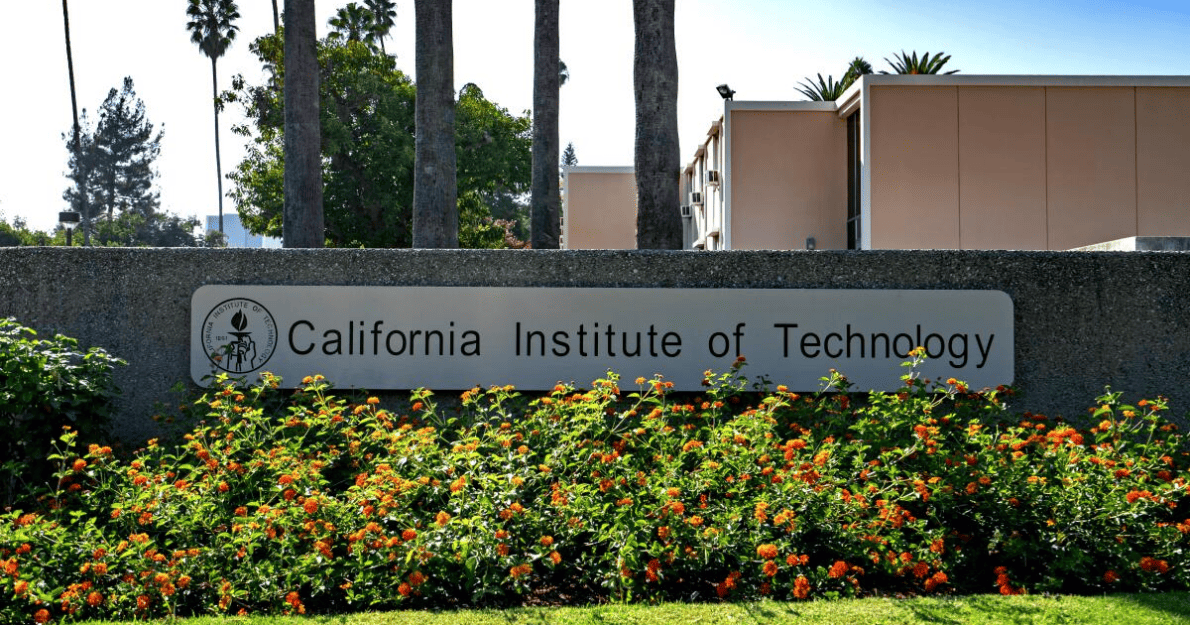
World-Class Institution – Caltech Opens Access to Online Classes for Those Interested in Astronomy, Physics, and Biotechnology
The renowned Caltech (California Institute of Technology), recognized worldwide for its leading role in training scientists and engineers, is offering free online courses with the support of experts linked to NASA. The initiative is aimed at students, curious individuals, and professionals who wish to expand their knowledge in areas such as astronomy, physics of the universe, and biotechnology.
Available through the Coursera platform, the courses are taught by renowned professors from the American university, many of whom are directly involved in research conducted at NASA’s centers. The classes follow the model of MOOCs (Massive Open Online Courses), which have been democratizing access to cutting-edge education around the world.
Discover the Free Courses Offered by Caltech
Among the highlights available on the platform are:
-
Excel dominates job openings even in the era of artificial intelligence: analysis reveals high demand and highlights 5 courses to move beyond the basics and advance in the job market.

-
Senai launches free technology courses in Amapá and creates a strategic opportunity for those seeking quick qualification, entry into the job market, and professional growth in areas with high digital demand.

-
Take a free course at the Federal University: UFPR calls 200 candidates for intensive preparation for master’s and doctoral programs.
-
Learn English and Spanish at the Federal Institute without leaving home and 100% free: IFSP calls for interested parties for EAD vacancies starting in April and selection by order of registration.

- The Science of the Solar System: taught by Professor Mike Brown, known for discovering the dwarf planet Eris, this course delves into topics such as Saturn’s rings, Mars’ atmosphere, and Jupiter’s internal structure. It is ideal for those who want to understand how our solar system operates based on scientific data and real NASA missions.
- The Evolving Universe: aimed at those interested in cosmology, the course covers everything from the origin of the universe to potential forms of life beyond Earth. The classes include explanations about cosmic radiation, galaxy formation, and the nature of dark matter.
- Introduction to Cryo-EM: focused on students and professionals in biotechnology, this course presents the fundamentals of cryo-electron microscopy, a revolutionary technique used to observe molecular structures with high resolution. The content is ideal for those looking to stay updated on modern techniques applied to medicine and materials science.
All courses are taught in English, with subtitles available in different languages depending on the user’s settings on the Coursera platform. Access to content is free, but those wishing to obtain a completion certificate validated by Caltech need to pay an additional fee.
Online Courses with NASA Support: A Unique Opportunity to Learn from the Best
The major differentiator of this initiative is the participation of professors and researchers directly involved with NASA missions and projects, which ensures up-to-date, rigorous content with practical application.
Caltech maintains a strong partnership with the Jet Propulsion Laboratory (JPL), a NASA research and development center responsible for some of the most significant space missions in modern history, such as the rovers sent to Mars and the satellites that monitor Earth’s climate. This close connection is reflected in the courses, which often include real case studies, images from missions, and discussions about recent discoveries in the field of space science.
Studying with the support of one of the most respected space agencies in the world is a privilege that few have — and now, thanks to the digital format, this knowledge is just a click away.
Why Choose Caltech for Your Studies?
Founded in 1891 and located in Pasadena, California, Caltech consistently ranks among the best universities in the world in international rankings. Its reputation has been built on scientific rigor, innovation, and academic excellence.
Throughout its history, the institution has trained and welcomed more than 30 Nobel Prize winners, and it is the birthplace of revolutionary scientific discoveries in physics, chemistry, engineering, and space sciences. Caltech’s laboratories are considered benchmarks in research and technology, and its professors frequently collaborate with leading centers such as NASA, the National Science Foundation (NSF), and CERN.
In addition to technical training, the university stands out for its commitment to democratizing knowledge. Offering free courses is part of an educational policy aimed at breaking down barriers and encouraging the emergence of new talents around the world — especially in developing countries.
Who Can Take Caltech’s Courses?
Caltech’s free courses are aimed at anyone interested in the topics covered, without any requirement for prior academic training. However, as the content is technical and in English, it is recommended that students have at least an intermediate knowledge of the language and basic understanding of natural science subjects.
Undergraduate students, exact sciences teachers, astronomy enthusiasts, and professionals transitioning careers will find an excellent opportunity to delve into updated and high-quality scientific content.
Additionally, the courses offer complete flexibility regarding schedules, allowing students to proceed at their own pace, with access to videos, texts, tests, and discussion forums with other students around the world.
How to Enroll in Caltech’s Free Courses?
Enrollment is done through the Coursera platform, one of the largest in the online education sector. To register, simply:
- Access the website coursera.org;
- Create a free account;
- Search for “Caltech” or directly by the desired course name;
- Select the free access option (“Audit the course”) to study at no cost.
Those wishing to obtain the certificate may activate the paid option, with fees varying according to the course. The certificate can be added to resumes, LinkedIn profiles, or used as proof of professional development.









-

Uma pessoa reagiu a isso.