





 Portuguese
  English
  Spanish
 6 min of reading
  4 comments


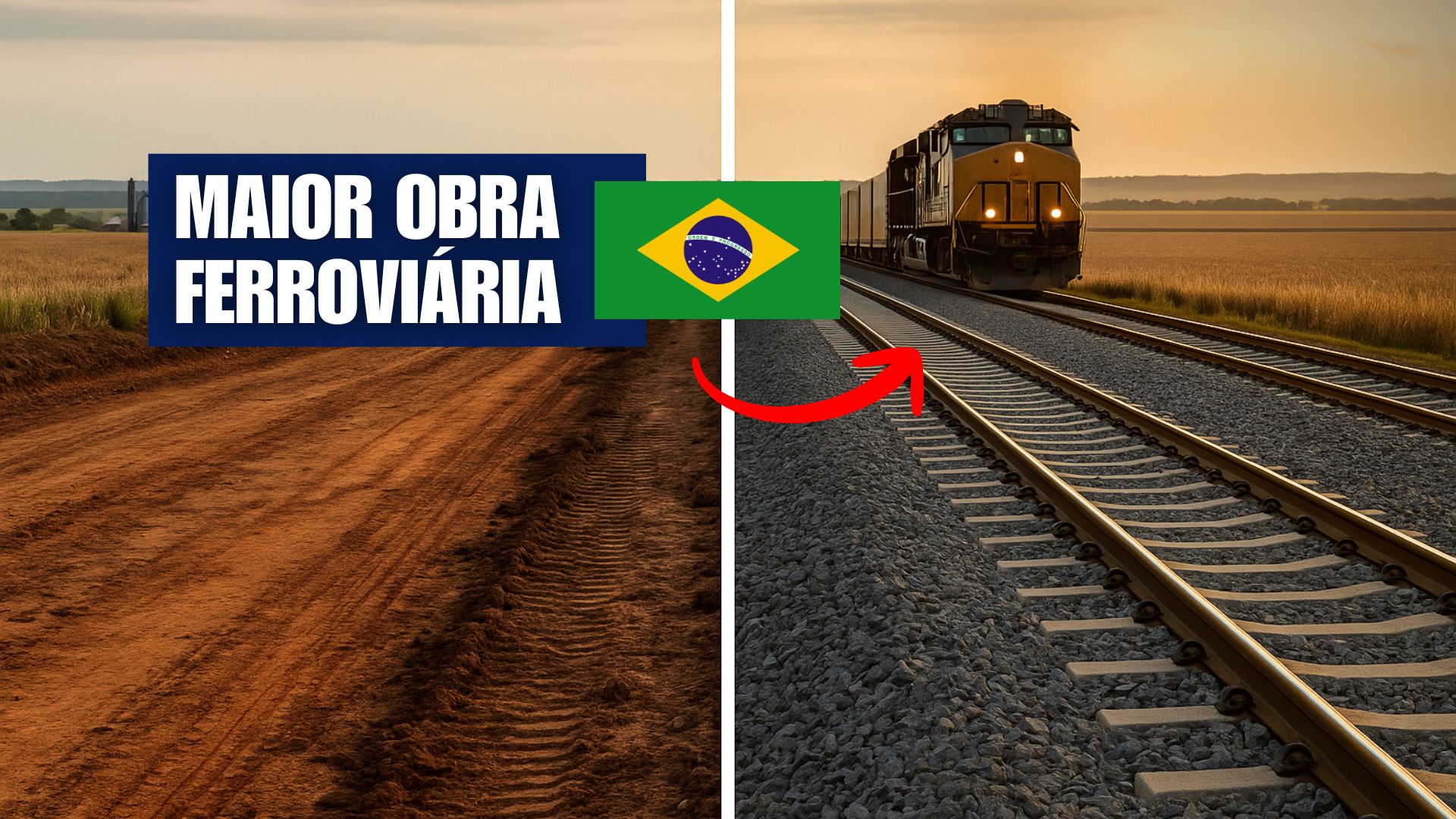


The Largest Railway Project Underway in the Country Changes the Logistics Logic of the Midwest, Advances Through Dozens of Municipalities, and Integrates with a Strategic Megaterminal, Expanding the Transportation Capacity of Agricultural Production.
The largest railway project underway in the country is advancing at a declared pace of up to one kilometer of tracks installed per day in Mato Grosso.
The Mato Grosso Railway (FMT), also known as the Vicente Vuolo State Railway, totals 743 kilometers planned, connects to the Rondonópolis railway megaterminal, and includes 22 bridges, 21 viaducts, and 2 kilometers of tunnels, forming a new transportation corridor aimed at agribusiness.
The works initiated in 2022 have already reached approximately 73% physical execution, according to official information, with land clearing virtually completed and a good part of the special structures in advanced stages.
-
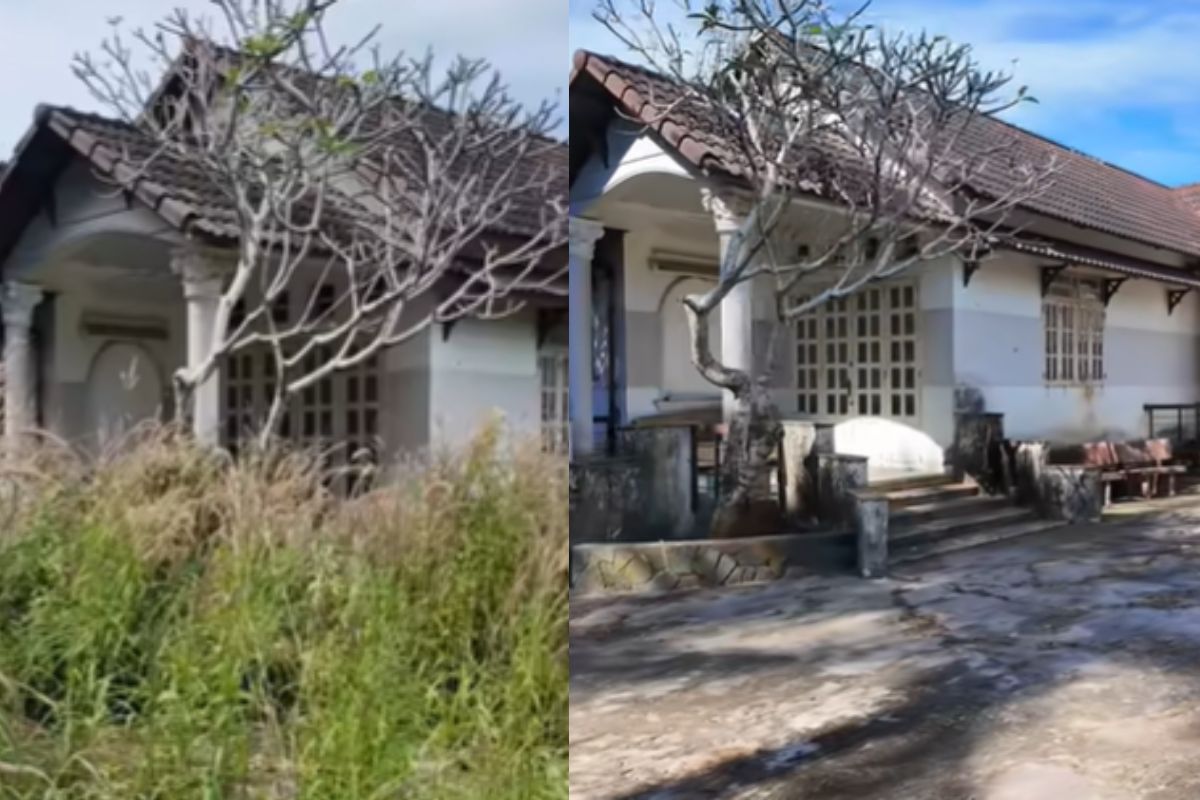
Abandoned house for 15 years disappears in the woods, shocks owner with unrecognizable scenery and is reborn in an intense transformation after almost 90 hours of work in just 10 days.
-
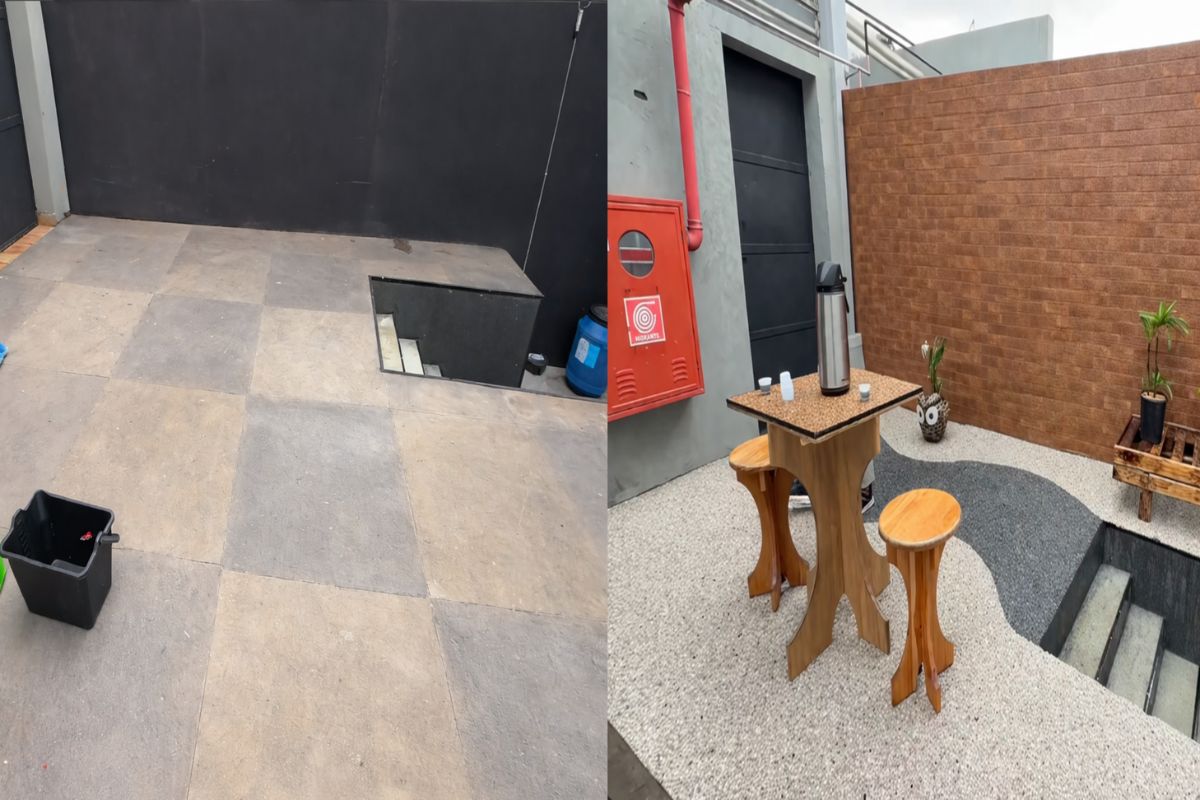
In just three hours, a natural stone floor transforms the entrance of the house with an organic effect, immediate drainage, and a sophisticated non-slip finish that doesn’t puddle water, dries quickly, and impresses with the final result.
-
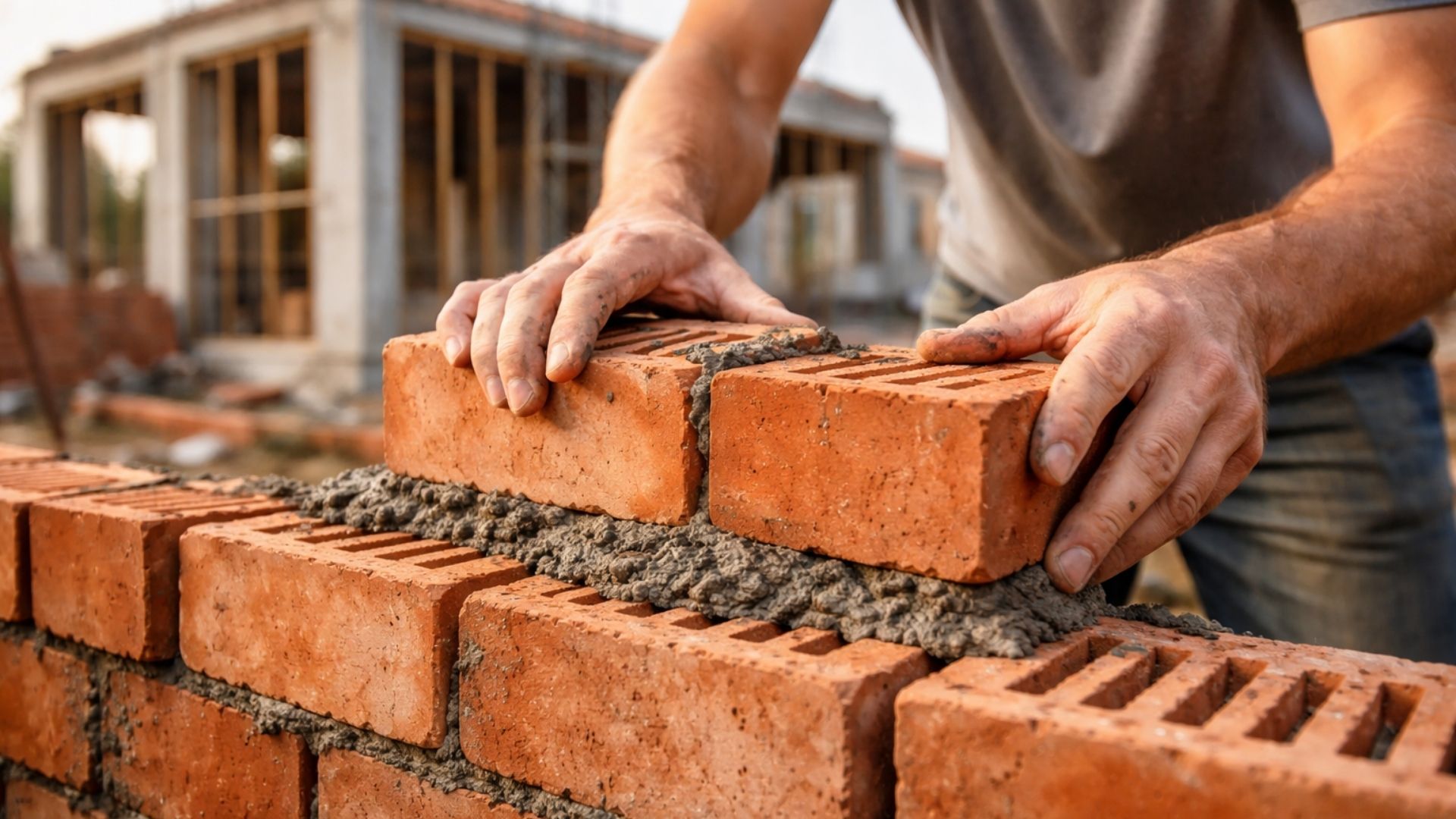
‘Interlocking brick’ made of earth arrives in the construction industry with cost reductions of up to 40% on the project.
-
Espírito Santo will receive the largest engineering project in its history with the duplication of BR 262, which will have 50 viaducts, 28 bridges, and 2-kilometer tunnels cutting through the most challenging mountainous region of the entire state.
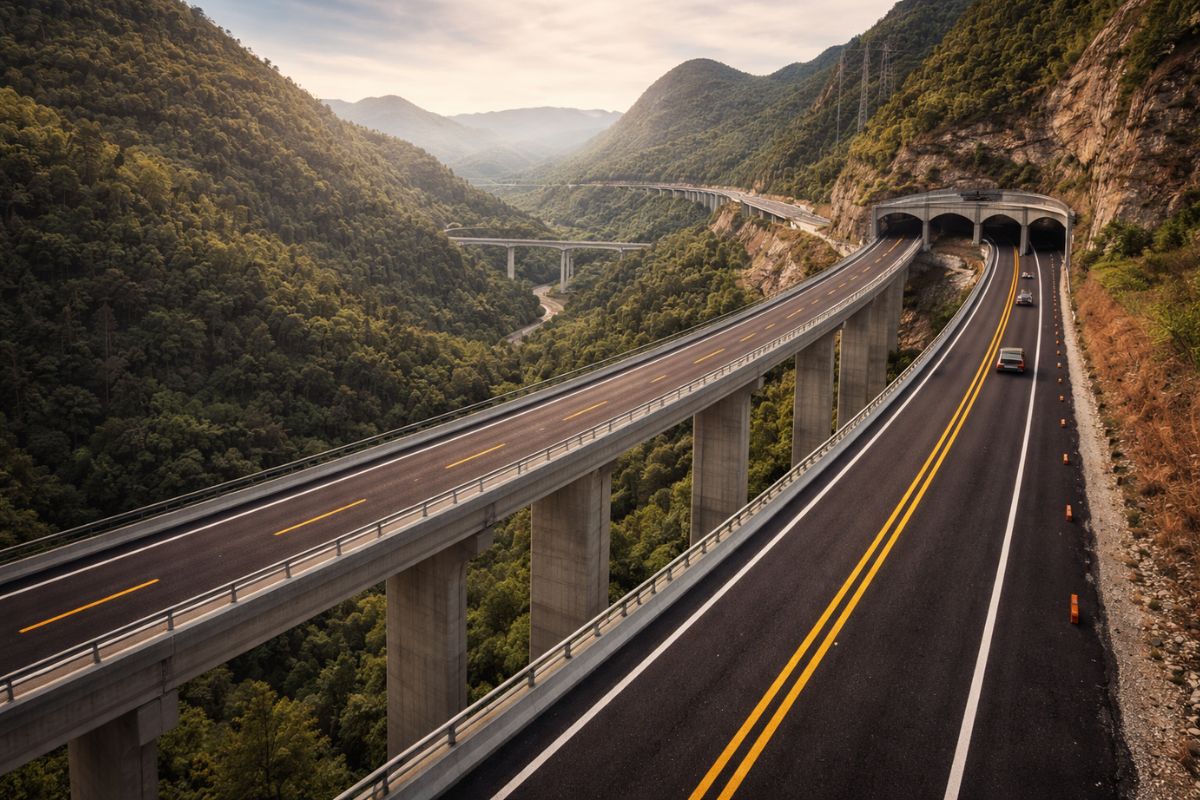
The construction is being conducted by Rumo Logística, under a state authorization regime, with private capital and an expected operation of the first segment in 2026.
What is the Mato Grosso Railway and Its Connection to the Megaterminal
Created as the first state railway under the authorization model, the FMT was designed to extend the Northern Network to the main grain production hub of Mato Grosso.
The route will connect Rondonópolis to Lucas do Rio Verde, with branches to Cuiabá, crossing 16 municipalities and connecting production directly to the railway network that reaches the State of São Paulo and the Port of Santos.
The starting point is the railway complex of Rondonópolis, recognized as one of the main terminals for the Northern Network’s flow.
The new line enhances this connection by allowing cargo to be loaded closer to production areas, reducing the road routes currently used.
This reduction in displacement is mentioned by sector technicians as one of the main factors for logistical gains.
The project also envisions a multimodal terminal along BR-070, between Dom Aquino, Campo Verde, and Primavera do Leste, structured with an initial estimated capacity of around 10 million tons annually, aimed at transporting soybeans, corn, and industrial inputs.

Extension, Route, and Financing Model of the Railway
With 743 kilometers planned, the railway corridor will start from Rondonópolis, go to Cuiabá, and advance to Nova Mutum and Lucas do Rio Verde.
Projections released by the state government indicate an intention to complete the entire length by the end of the decade, although the execution depends on the technical and financial conditions of each phase.
The railway is entirely financed by the private sector.
The initial phase involves approximately R$ 5 billion, and public estimates indicate that the total investment could reach between R$ 12 billion and R$ 15 billion throughout the entire implementation.
This amount is associated with the advance to the north of the state.
The authorization model, adopted after the new railway framework, is cited by authorities as an alternative to accelerate projects by transferring part of the investment decisions to interested operators.
Construction Phases and Execution Schedule
The construction is divided into three phases.
The first links Rondonópolis to the railway terminal in the regions of Dom Aquino, Campo Verde, and Primavera do Leste, in a stretch of over 160 kilometers, with an expected start of operation in 2026.
The following phases advance to Cuiabá, Nova Mutum, and Lucas do Rio Verde.
The connection with the existing railway network allows for transportation of Mato Grosso cargo directly to the Port of Santos, reducing the need for long road trips to other junction points.
The final schedule for the 743 kilometers depends on the progress of construction fronts and periodic economic viability assessments conducted by the state government and the responsible company.
Construction Progress and Structures Already Completed

Official reports and information released by the concessionaire indicate that approximately 73% of the work is completed, considering earthworks, drainage, artworks, and track laying.
In specific segments, the laying progresses on average one kilometer per day, a pace made possible mainly during the dry season.
The implementation of the 22 bridges, 21 viaducts, and 2 kilometers of tunnels is carried out by different simultaneous teams, mobilizing around 5,000 workers.
Among the structures in testing phase is a bridge over the Vermelho River, whose load evaluation was reported as satisfactory by the technical teams.
The sleeper manufacturing facility set up in Rondonópolis is integrated into the industrial planning of the project and continuously supplies the work with concrete parts, helping to reduce interruptions due to material shortages.
Economic Impacts on the Agribusiness of Mato Grosso
The reduction of logistical costs is one of the main expected effects by economists and infrastructure specialists.
In long routes, estimates released by sector agencies indicate that railway freight can reduce total cost by up to 50% compared to exclusively road transport.
The percentage depends on the distances of origin and destination.
Mato Grosso accounts for a significant share of Brazilian grain exports.

Analysts highlight that any structural cost reduction is likely to impact the competitiveness of the producer and the capacity to invest in their properties.
The railway also facilitates the transportation of fertilizers and other inputs, which return from the coast to the interior of the state at a lower operational cost.
In municipalities along the line, data from city halls and reports from business owners indicate an increase in the establishment of warehouses, processing units, and service companies linked to agribusiness.
This movement is associated with the expectation of the railway’s operation commencement.
Environmental Benefits and Reduction of Trucks on the Highways
The transfer of part of the transport to the tracks is highlighted by logistics specialists as a significant factor for reducing CO₂ emissions, as railway transport has lower emissions per ton-kilometer.
The reduction in heavy truck traffic on the highways may also contribute to less pavement wear, reduced congestion, and a decrease in the number of accidents involving cargo vehicles.
According to technicians monitoring the environmental licensing, the studies presented include measures to mitigate impacts on fauna, flora, and areas near the highways.
Deadlines, Execution Challenges, and Railway Expansion in Brazil
The first phase is expected to be operational by 2026.
The others will depend on the completion of the works and economic analyses that will guide the continuation of the implementation.

Public documents mention the intention to finalize the 743 kilometers by the end of the decade, although this goal may vary according to the pace of execution and financial conditions.
In the environmental field, specialists emphasize that the partial migration of road transportation to the tracks reduces emissions and improves the predictability of operations.
The project faces typical challenges of large projects in the Midwest, such as rainy periods that limit field activities, sections requiring complex tunnels and viaducts, and financial costs influenced by interest rates.
Reprogramming has been made as needed technically
The FMT is part of a broader set of railway projects studied in the country, including branches aimed at the Northern Arc and additional connections with existing networks.
These expansions enhance the participation of railway transport in agricultural flow.
The advancement of this logistical transformation raises a central question: how will the full operation of this railway change the daily lives of cities along the route and the competitiveness of producers in domestic and foreign markets?








Transporte ferroviário de passageiros: quando??? Aqui em Salvador ACABARAM com a delícia de passear de trem, com paisagens de tirar o fôlego da gente, de tão lindas… Forró no Trem foi uma das coisas mais deliciosas de minha vida… Muito triste o que fizeram!!! Acabaram com tudo!!!
O Brasil é um país de dimensões continentais. Razão pela qual uma malha ferroviária integrada seria uma excelente solução para escoamento da produção e transporte de passageiros a um custo menor.
Infelizmente, na década de 80 houve o total abandono das ferrovias brasileiras, não cabendo aqui enumerar os reais motivos que levaram a isso.
Uma questão é crucial a ser discutida nessa iniciativa do Mato Grosso: o escoamento da produção vai melhorar até o Porto de Santos. A questão é se o Porto de Santos está, logisticamente, preparado para receber esse aumento de escoamento.
O bom era quer chegasse pra aqui como salvador Aracaju Sergipe ir outros estados tá em