





 Portuguese
  English
  Spanish
  4 min of reading
  1 comment


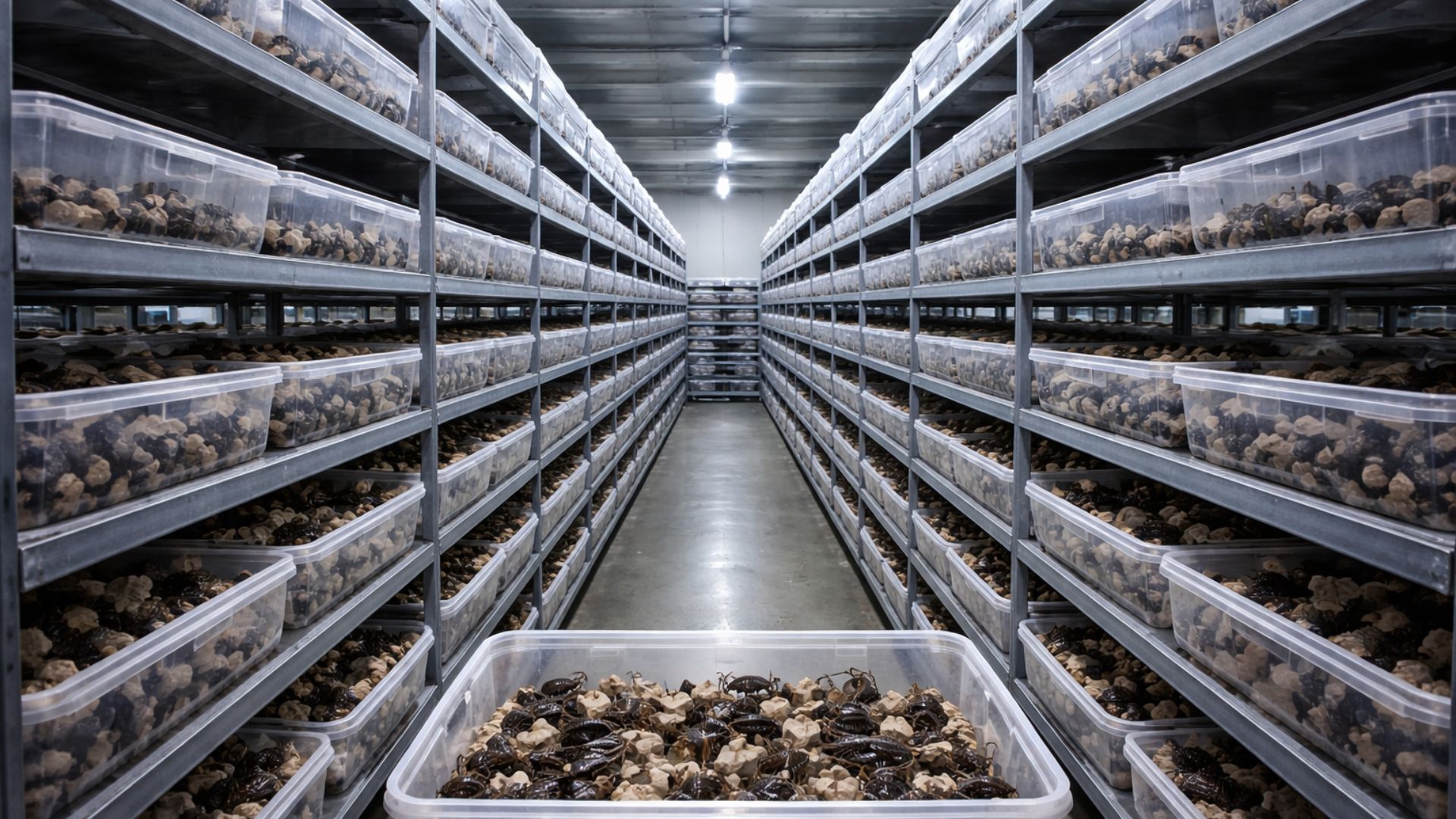


Intensive Scorpion Farming in Controlled Sheds Gained Scale in China, Joining Standardized Management, Pharmaceutical Interest, Traditional Medicinal Use, and Little Visible Commercial Circuits Outside the Country.
Chinese Scorpion Farms Gain Industrial Scale
A type of farming that rarely appears in traditional animal protein statistics has established itself as an organized activity in parts of China.
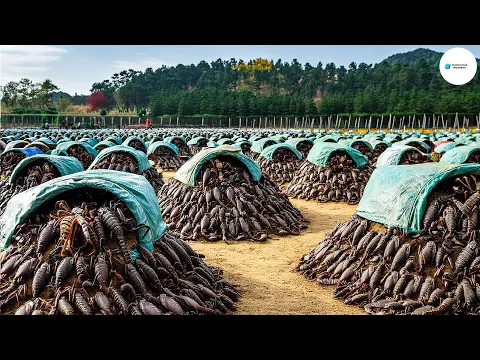
Scorpion farms maintained indoors, with temperature and humidity control and standardized management in stackable containers, have begun to operate continuously.
In this system, the scorpion is no longer just an animal associated with domestic risk and is treated as a productive asset.
-
Coruripe Mill secures international financing of R$ 530 million and boosts the sugar-energy sector.
-
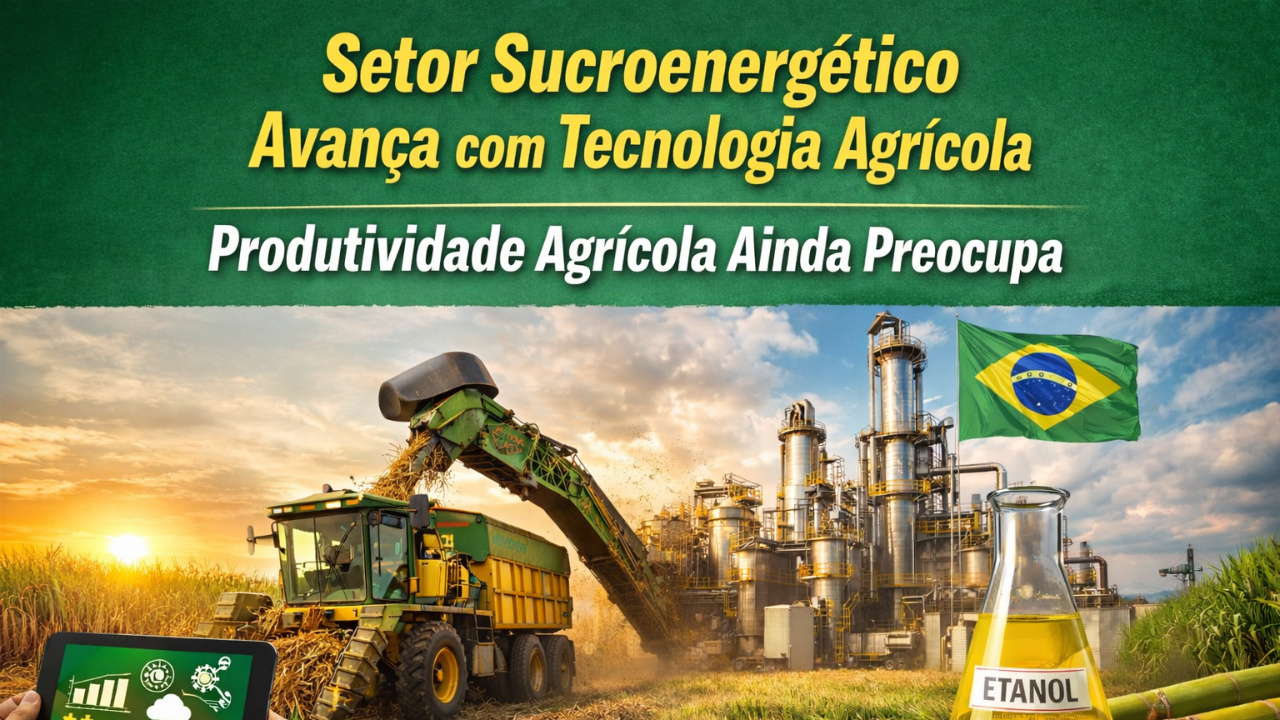
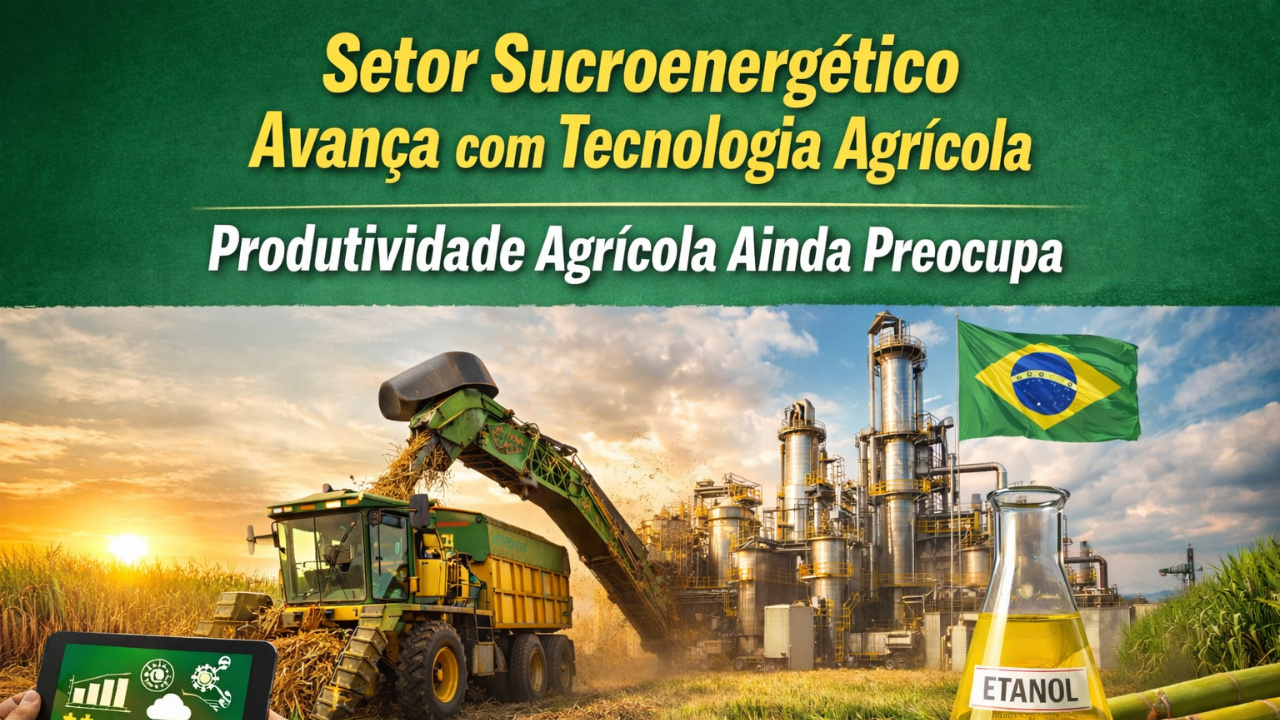
The sugar-energy sector advances with agricultural technology, but agricultural productivity still raises concerns.
-
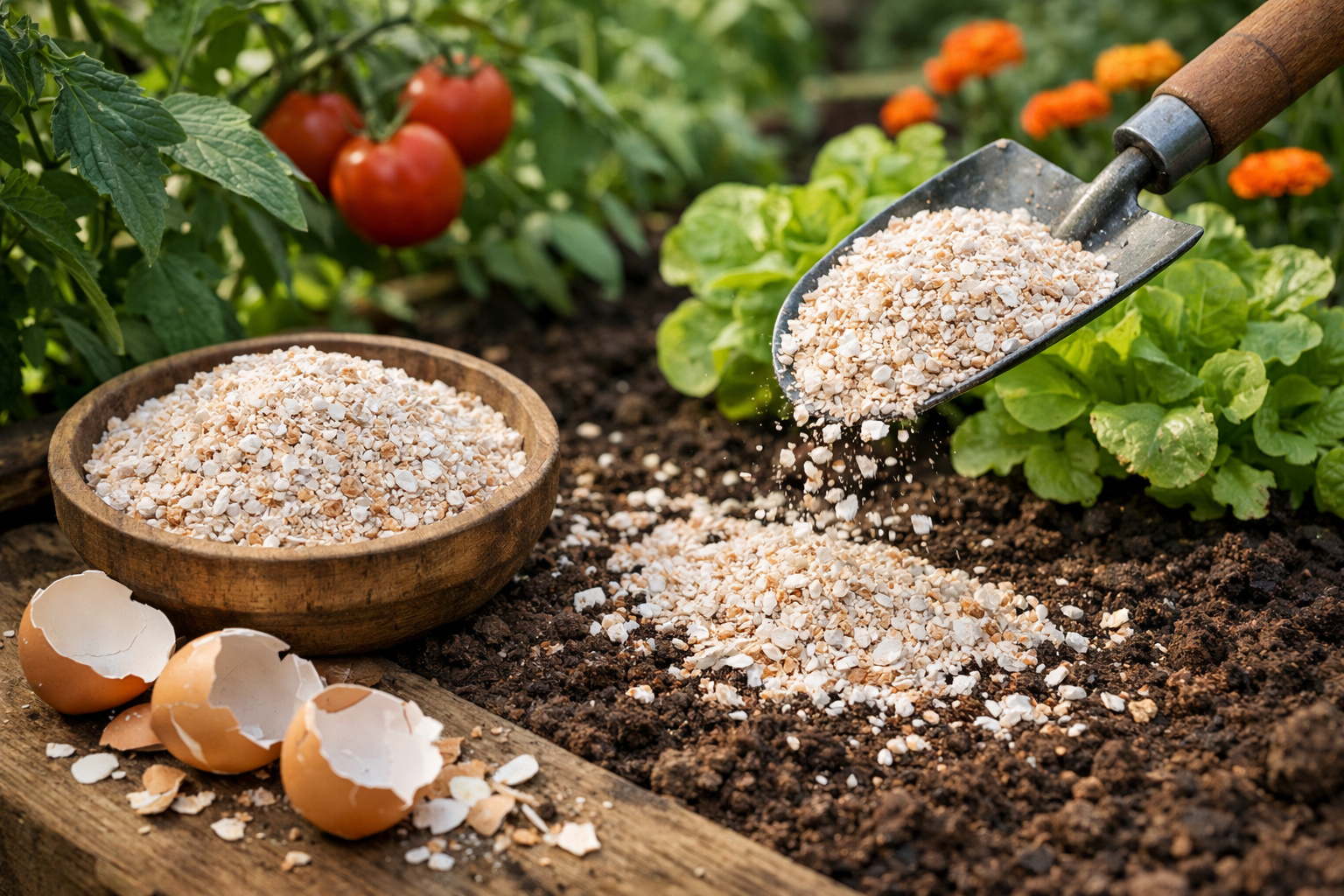
The eggshell that almost everyone throws away is made up of about 95% calcium carbonate and can help enrich the soil when crushed, slowly releasing nutrients and being reused in home gardens and vegetable patches.
-
This farm in the United States does not use sunlight, does not use soil, and produces 500 times more food per square meter than traditional agriculture: the secret lies in 42,000 LEDs, hydroponics, and a system that recycles even the heat from the lamps.


This chain is mainly linked to three fronts documented in scientific and journalistic sources: use in traditional Chinese medicine, supply for research and development of compounds derived from venom, and marketing of processed animals, including trade circuits that cross borders.
Most Farmed Species and Producing Regions
The species most often associated with this market in China is the scorpion known as Mesobuthus martensii.
The scientific literature describes this species as widely distributed in the country and abundant in northern, central, and eastern provinces.
There are consistent records of occurrence and farming in areas like Henan, Hebei, Shandong, and Shanxi, regions that also concentrate traditional consumption and productive initiatives.
How Scorpion Farms Work

The logic of the farms follows principles observed in other intensive farmings.
The central objective is to reduce environmental variability and make the system predictable.
Local reports describe facilities that simulate stable conditions for an animal sensitive to climatic fluctuations.
These structures include heating in winter, ventilation in summer, and handling routines adapted to the scorpion’s life cycle.
In a report published by China Daily, a farmer from Shandong province describes the expansion of a “breeding house” that started on a small scale and was gradually enlarged, associating the results with mastering suitable environmental conditions.
Stacked Trays and High Density
The physical structure of the farms prioritizes density, modularity, and ease of maintenance.
Instead of large enclosures, boxes, trays, and stacked compartments dominate, with simple hiding spots and basic substrates.
This arrangement allows for maintaining a large number of animals in reduced areas, facilitates frequent inspections, and helps separate phases of the production cycle.
Technical reports indicate that this model helps reduce losses associated with stress, territorial disputes, and cannibalism, phenomena documented in captive scorpion breeding.
Economic Value of Venom and Medicinal Use
The economic objective of farming varies by producer, but there is a clear convergence around the value of venom and the medicinal use of the scorpion.
Scientific reviews on scorpion toxins and literature on traditional Chinese medicine register the use of the animal as a medicinal input, usually after processing and drying.
A review published in 2025 describes the “Scorpio” in traditional Chinese medicine and also mentions the culinary consumption of the scorpion at regional banquets, especially in provinces like Shandong and Henan.
These records indicate the coexistence of a medicinal axis and a food axis within the same production chain.
Venom Extraction and Scientific Interest

In addition to traditional consumption, the scorpion value chain includes venom extraction for scientific research.
Studies describe the venom as a complex set of bioactive molecules of interest for fields such as pharmacology and neuroscience.
This interest drives the demand for venom collected under controlled conditions, which influences the organization of part of the farms.
There are specific extraction routines, with protocols aimed at reducing mortality and maintaining herd productivity.
A report from ABC Australia describes the “milking” process in scorpions and highlights that the amount of venom obtained per individual is small.
This factor helps explain why commercial operations depend on large quantities of animals and the frequent repetition of the procedure.
Reproduction, Management, and System Limitations
The production cycle is directly linked to reproduction and growth.
In controlled breeding, producers keep matrices in stable environments, ensure a continuous food supply, and reduce thermal fluctuations.
The scientific literature points out that temperature, diet, and extraction method influence both the animal’s stress and the dynamics of the venom.
This set of factors makes environmental control a central element of the production model.
Trade, Exportation, and Data Gaps
Although the term exportation is recurring in popular content, the most solid public evidence is the existence of international trade in venoms and processed products, in addition to the global trafficking of inputs used in traditional medicine.
In the specific case of the scorpion, there is extensive scientific documentation on the medicinal use and pharmaceutical interest of the toxins.
There are also journalistic records on extraction and commercialization practices.
However, there are no consolidated and updated public statistics, on a national scale, that detail exported volumes, destinations, or the participation of farms by province.
Scorpion as a Productive Asset
What emerges from verifiable sources is the formation of a chain with typical agribusiness characteristics.
There is environmental standardization, repetition of processes, regional concentration, and integration with different markets.
For some buyers, the scorpion is a processed medicinal input sold dry.
For others, it is a source of molecules studied in the laboratory. In certain regions, it also appears as a culinary item associated with festive contexts.






Estes chineses são muito trabalhadores.