





 Português
  Inglês
  Espanhol
  9 min de leitura
  4 comentários


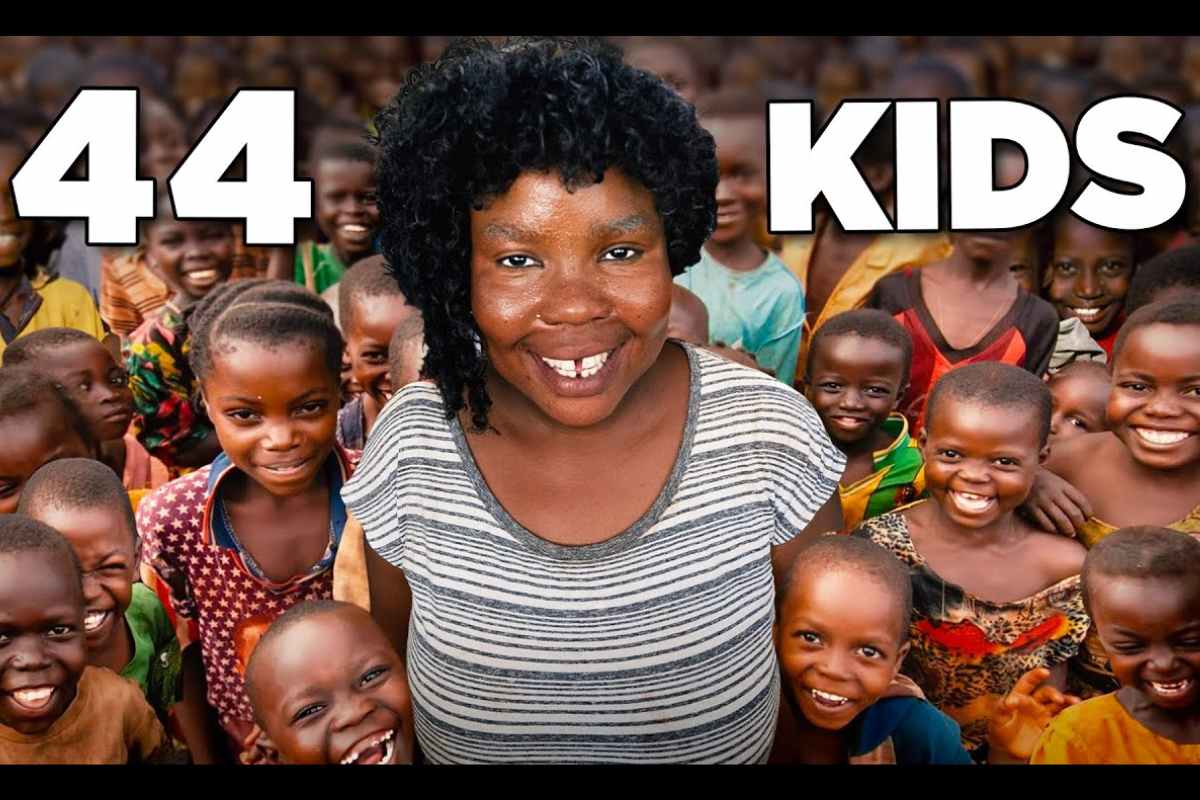


With a Forced Marriage at 12, Rare Hyperovulation, and 44 Children, Mama Uganda Survives as a Single Mother in Extreme Poverty, Raising Grandchildren, Holding Three Jobs, Fighting for School and Food for All, While Transforming Her Young Village into a Silent Reference of Everyday Courage and Love for the Entire Community
At 12, Miriam was ripped from childhood and thrust into a forced marriage to a 45-year-old man, who already had other wives. By 13, she had given birth to her first twins. Today, known as Mama Uganda, she lives surrounded by 44 children, more than ten grandchildren, and a stubborn poverty that cannot bury the dignity within her small yard.
Amid tight mattresses in crowded rooms, giant pots over the fire, and a backyard that turns into an improvised playground, Mama Uganda manages a routine that would be impossible for many. As a single mother, she cooks, pumps water, manages debts, faces the loneliness left by the husband who abandoned her, and calmly repeats that a child is never a mistake. There, amidst this crowd of children, she has turned pain into a survival method.
The Sold Childhood: Forced Marriage at 12 and the Logic of Dowry

The story of Mama Uganda starts with a brutal rupture. She was only 3 days old when her mother left and never returned.
-
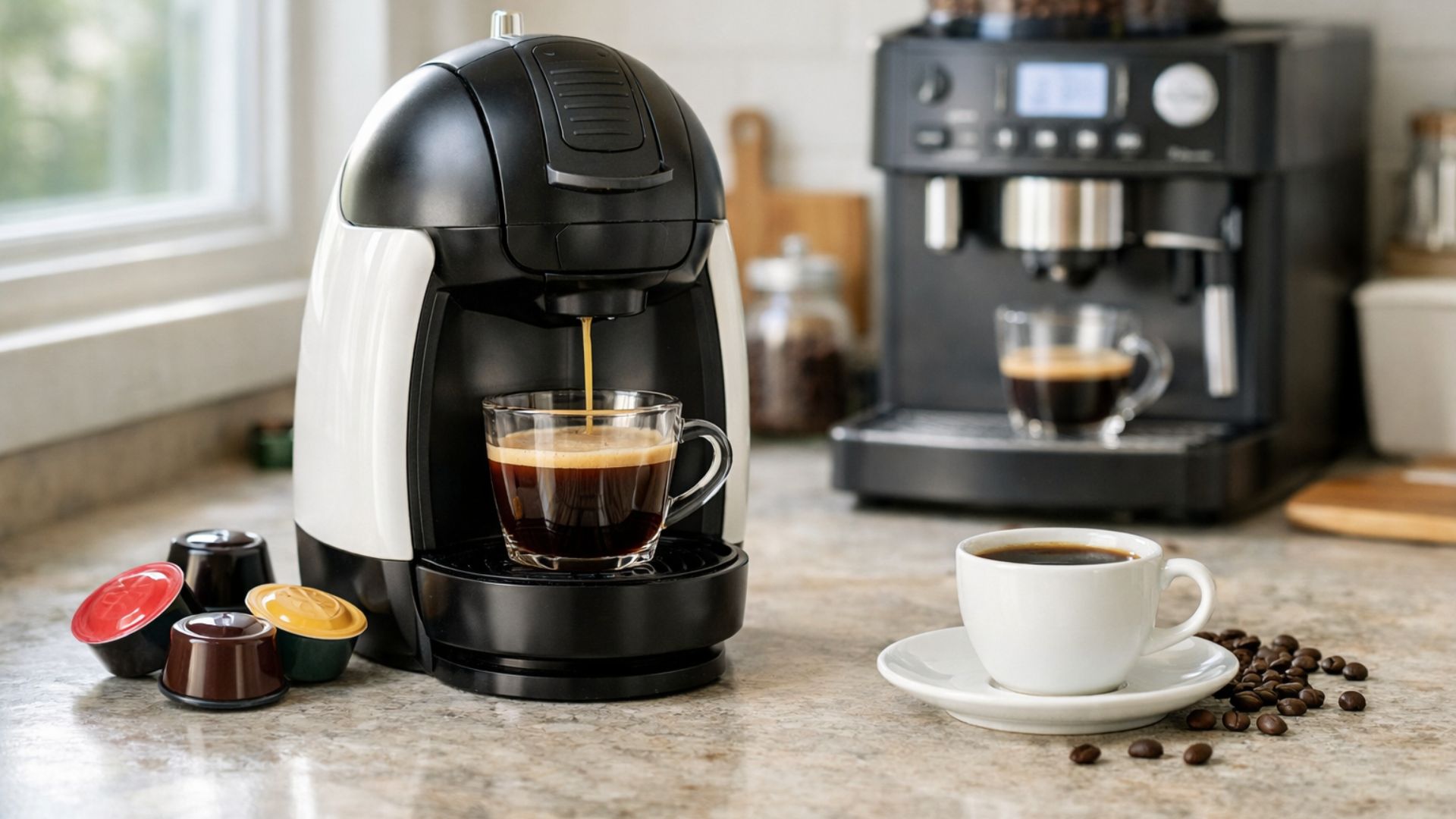
Goodbye capsule coffee maker: consumers around the world are replacing the old item with this machine that grinds beans on the spot, reduces waste, and cuts recurring coffee expenses.
-
Measuring about 44 meters in length, with a nuclear reactor and retractable wheels in its hull, the NR-1 was the only atomic research submersible in the world capable of moving along the ocean floor and remaining submerged for weeks.

-
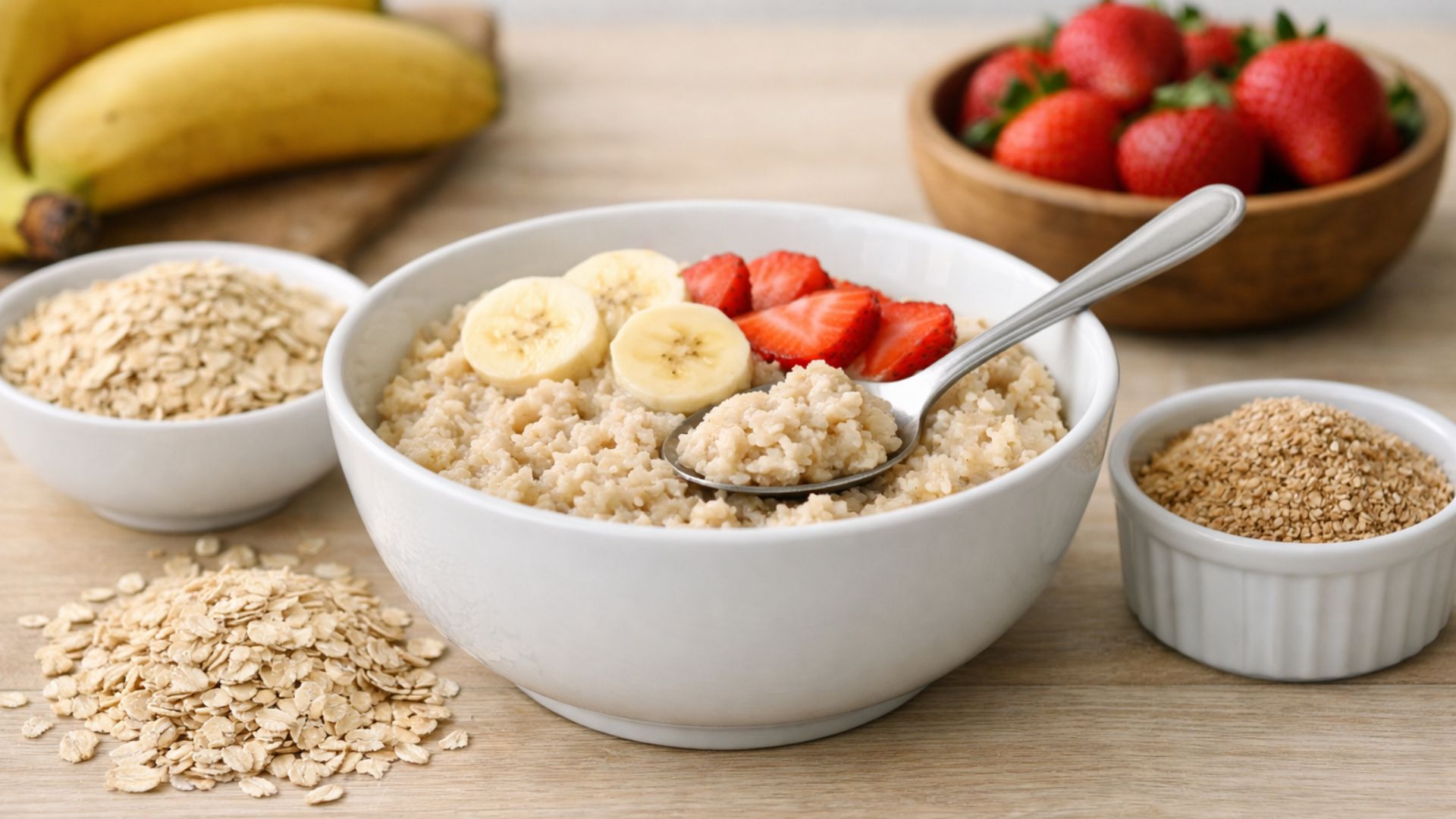
Millions of people eat oats without knowing that this simple cereal contains a fiber called beta-glucan, which studies have linked to lower bad cholesterol and smaller spikes in blood sugar.
-
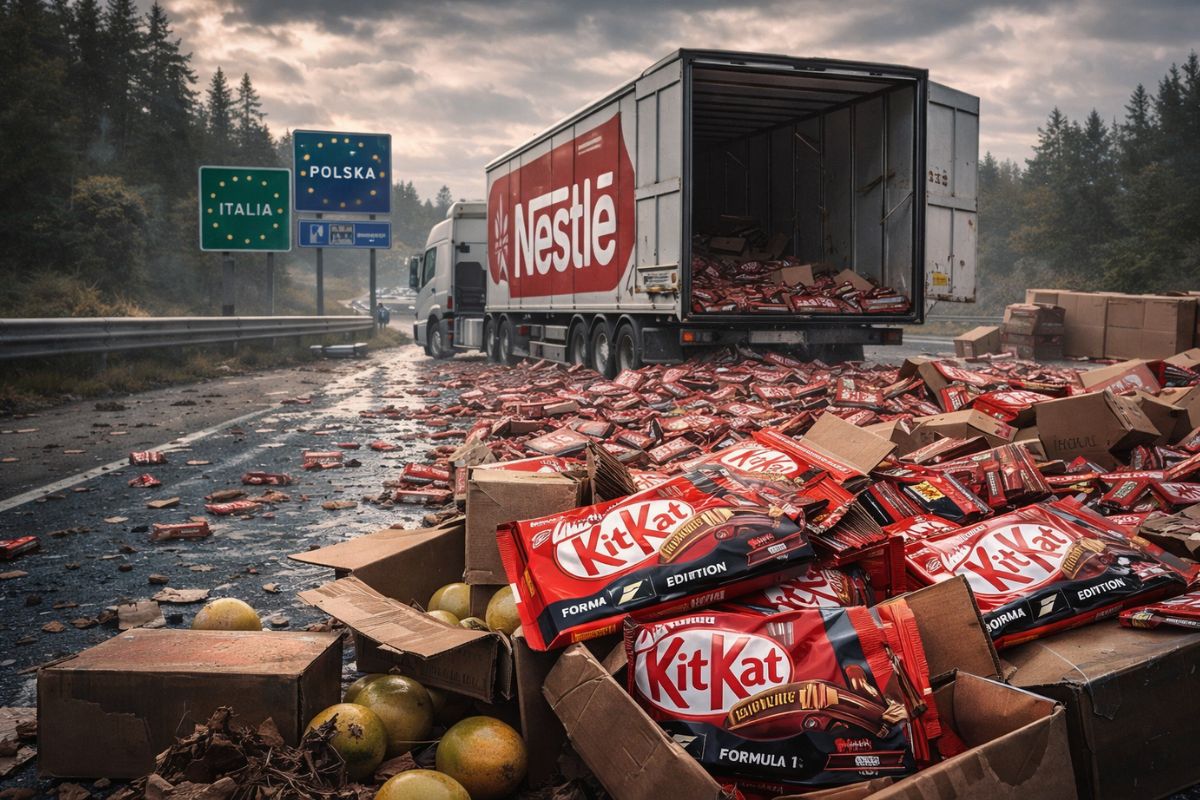
Nestlé said it always encourages people to take a break with KitKat, but the thieves took the message too far by stealing 12 tons of chocolate from a truck that disappeared between Italy and Poland.

Raised by her father, she grew up without knowing her mother’s face. At 12, she was handed off in a forced marriage to a 45-year-old man, already with four wives.
For her, there was no choice. For her father, it was a business deal: cows, goats, and money in exchange for his own daughter.
In her words, it was like being sold.
The husband never represented affection. There was no love or companionship, only the formality of a marriage that served economic and cultural interests.
In this asymmetric relationship, the teenager was pushed into motherhood in series, propelled by a little-understood medical condition in the community: hyperovulation, which made her release many eggs and increased the chance of multiple births.
Hyperovulation, Quintuplets, and 44 Children in Less Than 30 Years

The doctors explained to Mama Uganda that if she didn’t get pregnant and give birth, the eggs could turn into fibroids, damaging her uterus.
The biological response was extreme hyperovulation.
The concrete result of this condition is brutal in numbers: twins, triplets, quintuplets, a sequence of pregnancies that summed up to 44 children before the age of 40.
There were 16 births in total, many of them multiples.
She repeated the experience so many times that the initial fear gave way to a kind of active resignation. She kept moving forward.
Meanwhile, the husband viewed the proliferation of children as a problem. Disturbed by the number of kids he himself fathered, he eventually abandoned Miriam and the 44 children, seeking a new wife who, according to him, would not “produce so much.”
From then on, the single mother was left with all the responsibility.
A Small House for So Many Children, Grandchildren, and Stories
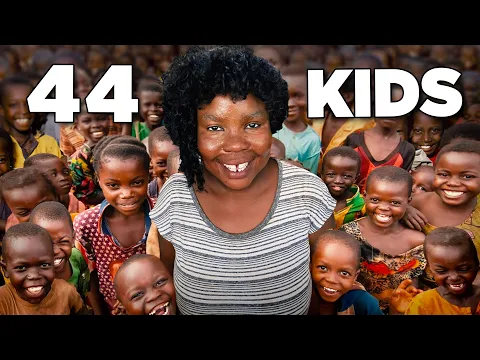

Mama Uganda’s house functions as a mix of dormitory, improvised school, and communal dining room.
In one of the rooms, nine children sleep side by side, in bunk beds and aligned beds like in a small dormitory.
In the adjacent room, another 12 kids squeeze in. Just in these two spaces, there are 21 children of varying ages.
The daughter-in-law shares the space with one of the grandchildren, expanding the labyrinth of family ties under the same roof.
The kitchen is local, simple, and functional.
A stove, huge pots, and basic utensils are enough for a gigantic mission: to ensure three meals a day for around 40 people.
She cooks breakfast, lunch, and dinner, repeating full pots of rice, sweet potatoes, meat, chicken, maize, and other local foods.
It’s in this rhythm that the single mother organizes domestic life, with no full-time employee, no industrial structure, and a budget always at its limit.
Water, Hygiene, and Respect for Food Amidst Extreme Poverty
In the backyard, a 5,000-liter reservoir ensures a minimum level of water security.
The water is pumped manually, used for bathing, cooking, and drinking.
When the tank runs low, the older ones help Mama Uganda fetch water again.
There is no luxury, no surplus, but there is a visible discipline in every gesture.
When preparing food, some of the girls kneel on the floor to peel ingredients. It is not punishment. It’s tradition.
In Uganda, kneeling is a sign of respect, and here this gesture is directed toward the food itself. In a context of extreme poverty, the rule is clear: nothing is wasted.
The scene of dozens of children sharing watermelon or pilaf rice, smiling, while the mother watches to ensure everyone is eating, helps to illustrate the complexity of managing so many plates with so little resources.
School, Tuition Fees, and the Burden of Keeping So Many Children in School
The biggest challenge, according to Mama Uganda, is not just feeding the 44 children, but ensuring education.
The school fees, of about 200,000 per term, are too high for a household with so many kids.
The result: some of the older ones are at home, temporarily out of school, precisely because the single mother cannot afford all the fees.
The teenagers themselves clearly explain the situation. They say the hardest part is sitting still, unable to attend classes, despite their desire to study.
At the same time, they stress that the house is never a lonely place.
With so many children and siblings, “it’s impossible to be bored”. They play football together, have fun, help with chores.
Still, the absence of school weighs heavily, especially for those who dream of being engineers, working in big countries, or turning the family’s YouTube channel into a source of income for all.
The Youngest Country in the World and the Village Growing Alongside the Children
Uganda has over 50 percent of its population under 18 years old.
It is described as the youngest country in the world, and Mama Uganda’s village is practically a miniature portrait of this statistic.
Wherever the report goes, smiling, curious children appear, following visitors and turning any dirt road into a large playground.
In this scenario, the family of 44 children is known to everyone. Mama Uganda has become a sort of local celebrity, not for glamour, but for the human scale of her home.
When she walks through the village surrounded by children, it looks like a small parade.
Some hold her hand, others run ahead, a few disappear and reappear at the door of the restaurant where the mother works.
Her presence reorganizes the flow of the village, shaping it around this single mother and her many children.
Three Jobs, Simple Restaurant, and a Gaming Business to Supplement Income
To support so many children, Mama Uganda combines three work fronts.
At home, she takes care of the cooking and routine. In the city, she runs a small restaurant that serves breakfast and lunch to local workers. In parallel, she does odd jobs and extra activities.
In practice, there is no day off. She works, goes home, cooks again, cares for the sick, and starts over the next day.
The teenage son decided to supplement the family income with his own business: he set up a mini arcade with a PlayStation 2, charging a small fee for playtime.
Youngsters from the area pay to compete in games while the rain falls outside.
The incoming money goes toward food, school supplies, and small daily expenses.
It’s little, but it’s symbolic. This young man, who dreams of being an engineer, already manages customers, cash, and maintenance of the consoles, helping to sustain a piece of the informal economy in a household with dozens of children.
Illness, Medicines, Local Herbs, and Health Care
Health is another field where extreme poverty imposes itself. When a child gets sick, Mama Uganda tries to take her to a private hospital.
However, with 44 children, the medical bills quickly become unaffordable. Therefore, she keeps a small stock of basic medicines at home.
When there are not enough medications, she turns to local herbs, boiled in teas following traditional recipes.
There is no guarantee of quick care for everyone, but there is a network of care that combines formal medicine and community practices.
Amid all this, the mark of hyperovulation remains present in her life, no longer by births but by the recent memory of so many successive pregnancies.
The same biological condition that filled the house with children also increased the risks of health complications, requiring even more attention and resilience from this single mother.
What Makes Mama Uganda Happy Amidst So Much Responsibility
When asked what makes her happy, Mama Uganda answers directly: her children and the soap operas she watches on TV, as well as the wrestling matches they watch with curiosity.
It’s a simple yet powerful list, considering the amount of concerns she carries alone. Seeing all the children eating, even if on simple plates, is a source of pride.
The young ones themselves reinforce the image of a mother who does not give up. They say they argue sometimes, like any large group of siblings, but love and cooperation prevail.
They say she “loves them” and that, even with little money, she tries to share everything she has.
Some of the older children already help take care of the younger ones, taking on roles as tutors, improvised cooks, and play monitors, proving how this house functions as a miniature community.
Children Are Never a Mistake: The Philosophy of a Single Mother in Uganda
Summarizing her worldview, Mama Uganda formulates a kind of editorial of her own life. “A child is never a mistake”, she says.
For her, even if a man abandons a woman, whatever little exists can and should be shared with the children.
It is the opposite of the logic of her husband, who rejected her when the births multiplied. In Miriam’s mind, the partner’s abandonment is no excuse to abandon the children.
This philosophy gives rise to hard choices: to work without rest, to accept that some of the children will be out of school for a while until money is available, to cook in giant pots, to endure days without meat, to rely on seasonal fruits to supplement the diet, to insist on check-ups whenever possible.
The single mother who resulted from a forced marriage has effectively become a silent leader, caring for 44 children, more than 10 grandchildren, and a village that has grown accustomed to calling that yard the pulsating heart of the community.
The combination of forced marriage, hyperovulation, abandonment, and tireless work has transformed Mama Uganda’s journey into an extreme but real case of how a woman’s body can be controlled by others’ decisions and still reinvented as a form of resistance.
In the midst of extreme poverty, she has built a structure of affection and discipline that organizes the lives of dozens of children, in a country that remains one of the youngest on the planet.
How Would You Respond to a Mother Who Never Gives Up on Her Children?
The story of Mama Uganda is at once a denunciation and an inspiration.
A denunciation of a system where a father can profit from his daughter’s forced marriage, where a man can abandon 44 children without any concrete consequences, where the responsibility falls entirely on a single mother.
But it is also an inspiration of a woman who, marked by hyperovulation and successive pregnancies, decided that none of her children would be treated as a mistake.
Amidst enormous pots, crowded rooms, a small restaurant, and an improvised video game business, she daily transforms a young village in Uganda, sustained by courage, discipline, and a love that truly seems unshakable.
In light of all this, here’s a question for you who have read this far: if you could speak directly to Mama Uganda, what would you say to this mother and her children in the comments?





Deus te abençoe
Que Deus abençoe sempre Mama Uganda e sua família
Você é uma quereria exemplo de resiliência, coragem, determinação, amor etc.