





 Portuguese
  English
  Spanish
  3 min of reading
  0 comments


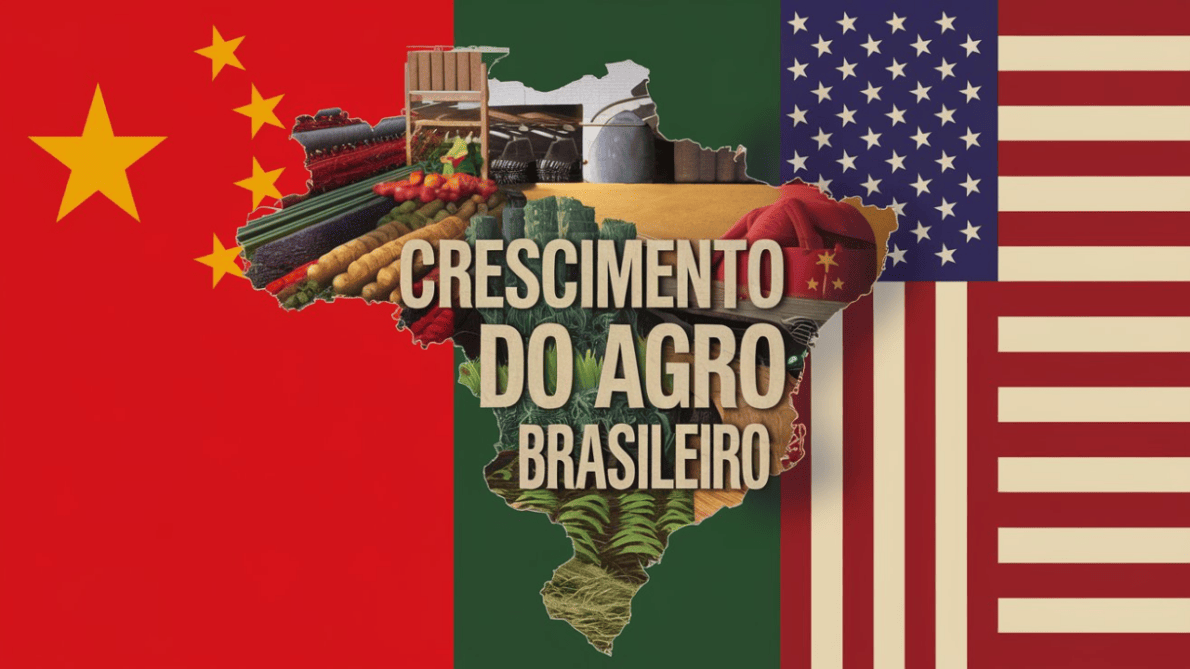
The Trade War Between China and the USA Favors Brazil, Which Shines in the Agricultural Sector With Increases in Exports and Growing Global Interest.
The intensification of the trade war between the United States and China has opened a window of opportunities for Brazilian agriculture, which has been standing out as a stable and strategic alternative in the global food supply.
The escalation of tensions between the two largest economies in the world is already causing losses to the U.S. agricultural sector, while countries in South America, especially Brazil, are reaping the benefits of growing Asian and European demand for food products.
According to a report from the Financial Times published on Sunday (13), the recent decision by the U.S. government to raise tariffs against China by up to 145% further strengthens Brazil’s prominence in the agro-export scenario.
-
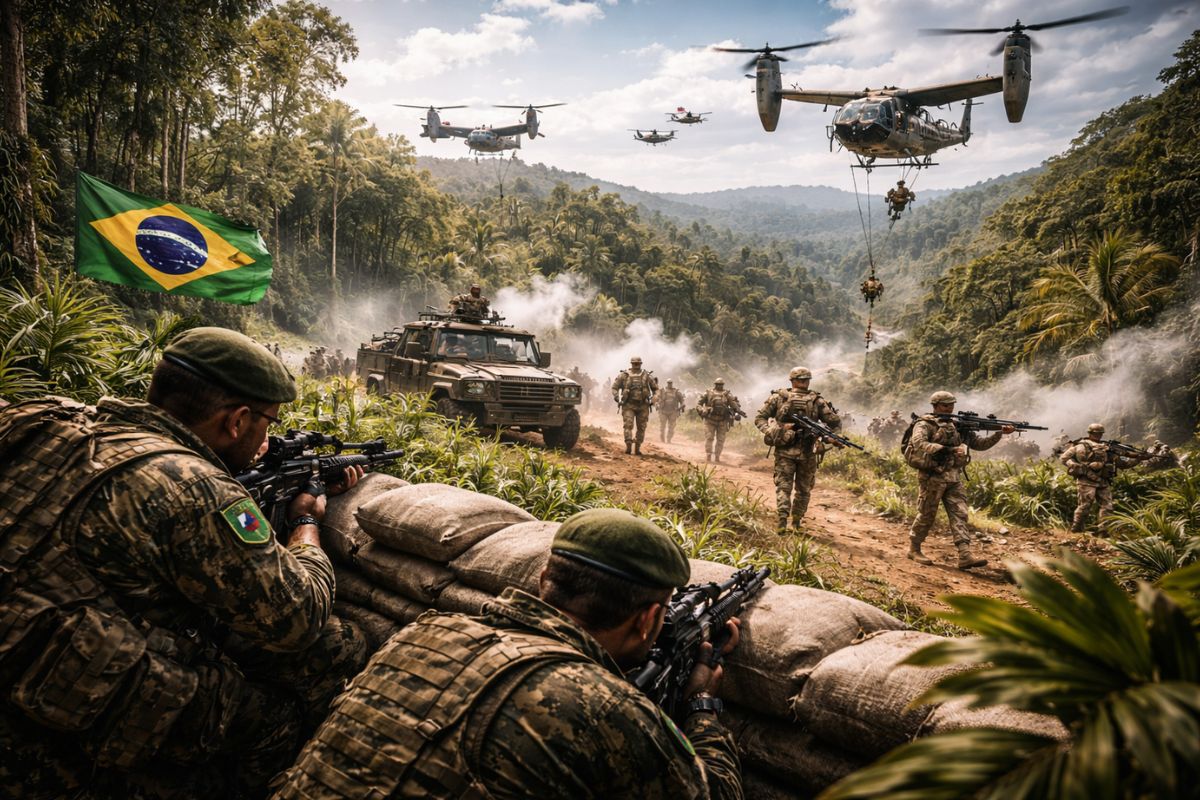
If the USA were to go to war with Brazil, Washington’s greatest fear would not be the attack itself, but facing a vast territory, prolonged resistance, and a costly, chaotic, and unpredictable occupation.
-
In 2013, Nicaragua sold the concession for a canal to rival Panama to a Chinese billionaire who lost 85% of his fortune, disappeared, and was declared bankrupt. Now the project resurfaces with a new route, a new Chinese partner, and a cost of $64.5 billion.

-
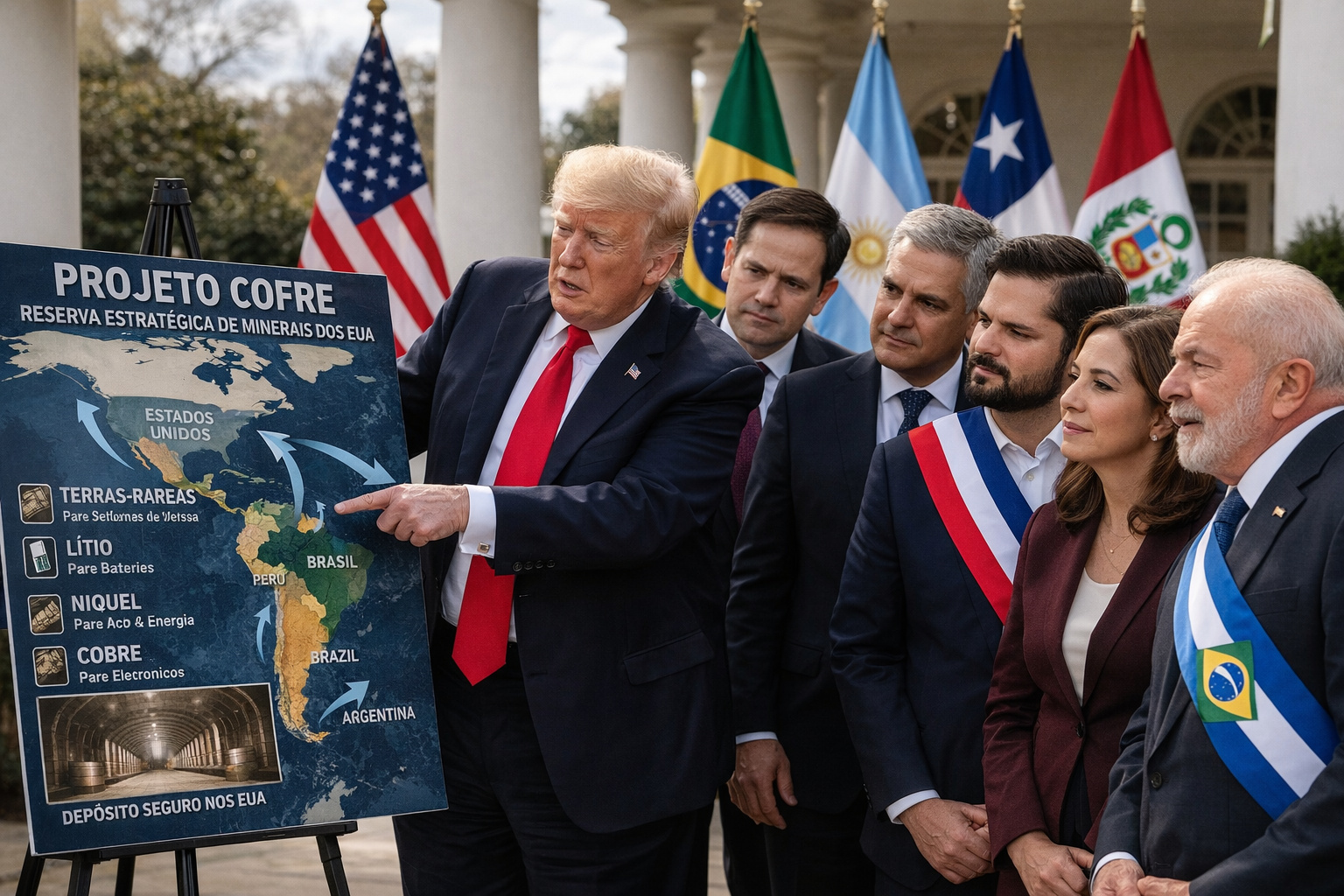
The USA announces a mysterious billion-dollar vault project to store critical minerals, but what intrigues experts is not just the plan itself, but why Latin America, including Brazil, has entered the center of this global dispute against China.
-
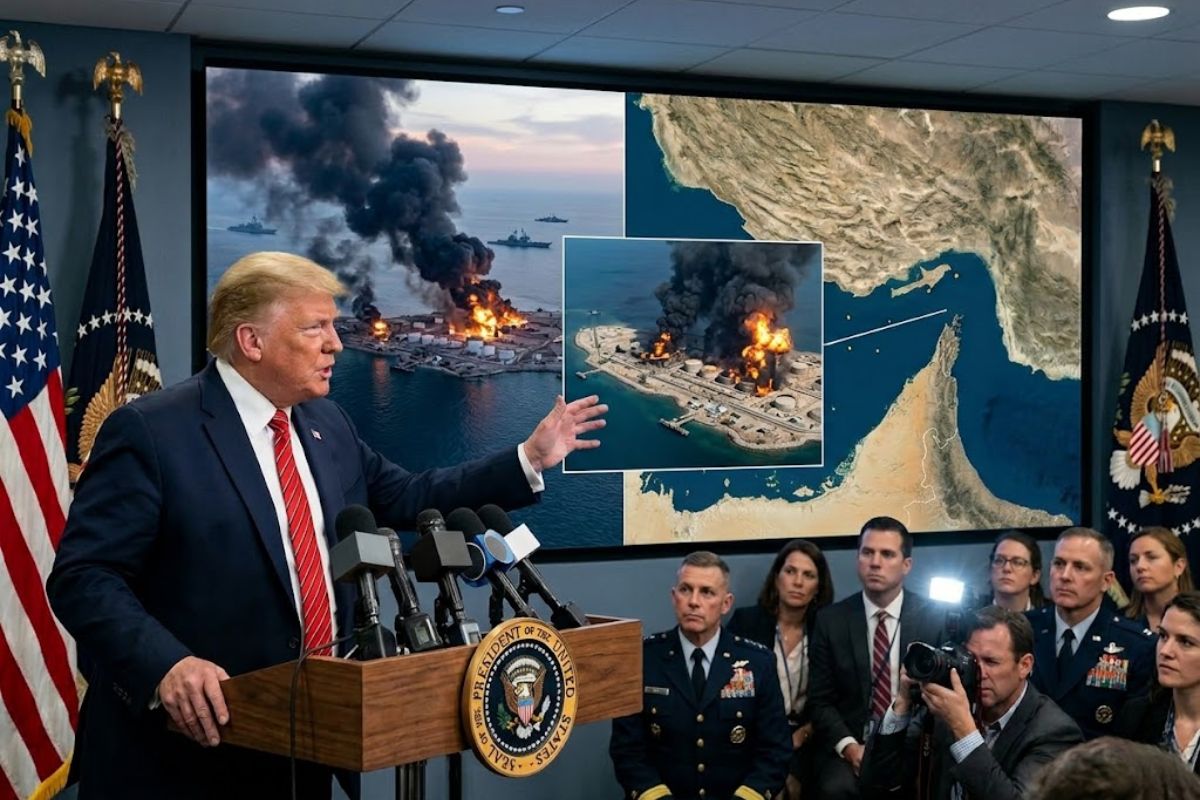
Trump Announces Bombing of U.S. Military Targets on Iranian Island Responsible for About 90% of Iran’s Oil Exports, Warns of Further Attacks if Navigation in Strategic Strait of Hormuz Is Threatened

According to experts consulted by the British newspaper, this move constitutes a true boomerang effect for the USA, while countries like Brazil and Argentina are identified as the main beneficiaries of this trade reconfiguration.
Soy, Meat, and Poultry Lead Increases in Brazilian Exports
The latest data confirms the trend: only in the first quarter of 2025, Brazilian beef exports to China grew by 33% compared to the same period the previous year.
Poultry followed the same pace, with a 19% increase. Soy, the flagship of the agricultural sector, also recorded a significant rise in external demand, surpassing the volumes exported by the United States.
According to agricultural analyst Isham Bhanu, the trade war acts as a “blessing” for Brazil and its South American neighbors.
“Asian countries will seek even better relations with South America”, Bhanu told the FT.
Brazil Consolidates Leadership for China
The report also highlights that Brazil had already established itself as the main food supplier to Beijing after the first round of tariffs between Americans and Chinese, during Donald Trump’s presidency.
With recent developments, this leadership is expanding. In numbers, Brazil’s share in China’s food imports jumped from 17.2% in 2016 to 25.2% in 2023.
Meanwhile, the USA saw its share plummet from 20.7% to just 13.5% in the same period.
Aurélio Pavinato, an executive at SLC Agrícola, emphasized that the country is “in a privileged position to capitalize” on this tariff dispute.
“With China looking to diversify suppliers and Europe seeing Brazil as a stable option, we are witnessing a growth in foreign demand and a significant increase in prices,” he stated.
Logistical Concerns and New Investments on the Horizon
Despite the achievements, Brazil still faces challenges in its logistics infrastructure. According to the Financial Times, bottlenecks such as limited port capacity hinder the efficient flow of production.
However, experts point out that the current context of the trade war may attract foreign investments in logistics, precisely to make the country even more competitive in international trade.
American infrastructure still represents a significant advantage, but this could change if Brazil manages to modernize its export corridors.
Beyond China, Europe Is Also Eyeing Mercosur
Another highlight of the report is the expectation surrounding the ratification of the trade agreement between Mercosur and the European Union. For Europe, the search for alternatives to U.S. products also involves strengthening ties with the Brazilian agricultural sector.
Pedro Cordero, representative of the European Federation of Food Manufacturers, emphasized to the FT that the competition between Europe, China, and other countries for the same Brazilian products may further pressure international food prices.
If the country can overcome its logistical challenges and maintain the quality and consistency of production, the outlook is promising — both for the national agricultural sector and for Brazil’s overall trade balance.








-

Uma pessoa reagiu a isso.