





 Portuguese
  English
  Spanish
  6 min of reading
  1 comment


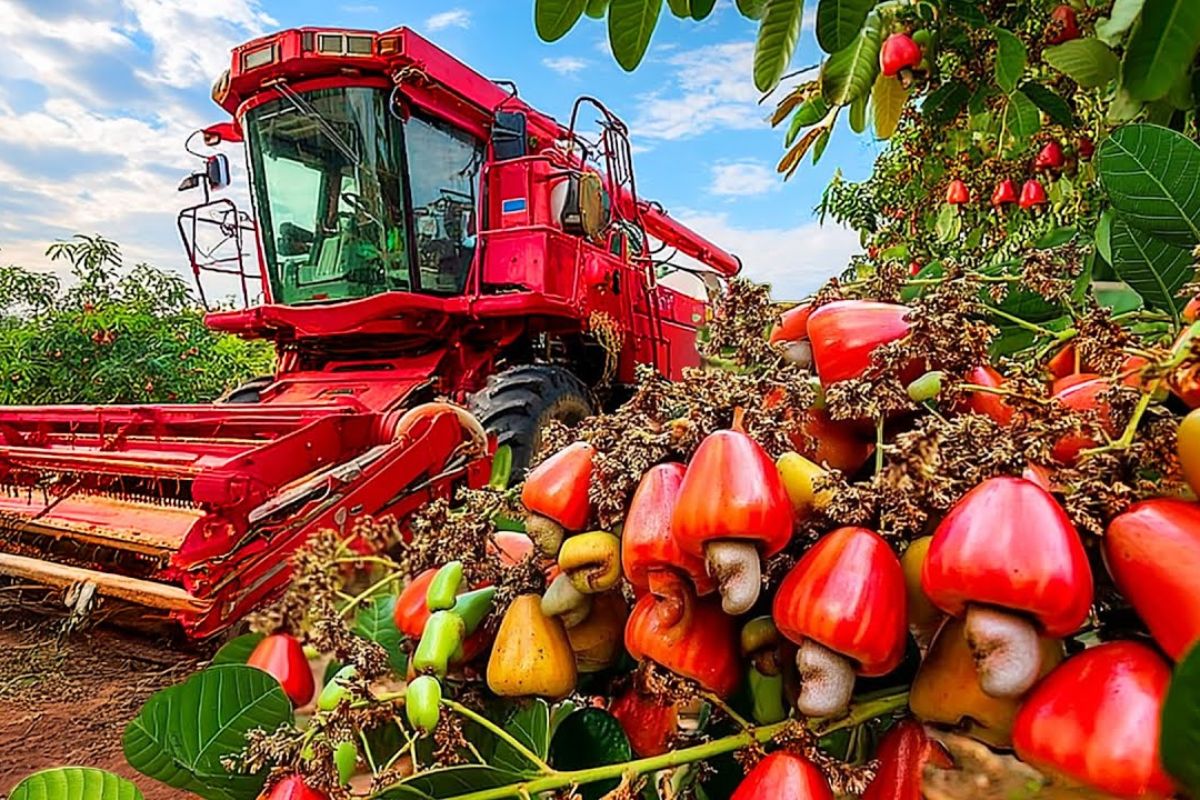


From The Selection Of Seedlings To Steaming That Removes The Toxic Shell, The Journey Of Cashew Nuts Combines Ancient Techniques, Heavy Manual Labor, And Precise Machines To Transform 3.9 Million Tons Per Year Into Premium Foods That Support Millions Of Farmers In Tropical Countries Like Côte d’Ivoire.
The cashew nuts that you casually throw in your mouth carry a much more complex story than the crunchy flavor. Behind each package, there is a chain that starts in the strong heat of tropical countries, passes through sandy, well-drained soil, and ends in factories filled with steam and sharp machines.
In countries like Côte d’Ivoire, India, Vietnam, Tanzania, and Nigeria, the warm climate and the right combination of sand, rain, and human care transform cashew nuts into one of the most sought-after agricultural products on the planet, with an annual production of 3.9 million tons that travels from the field to supermarkets all over the world.
From Perfect Climate To The First Cashew Tree

In this story, nothing starts on the shelf. It starts with the right seedling. To ensure quality cashew nuts, farmers select grafted seedlings or young trees that promise higher productivity and resistance to diseases. It’s not just about planting randomly.
-
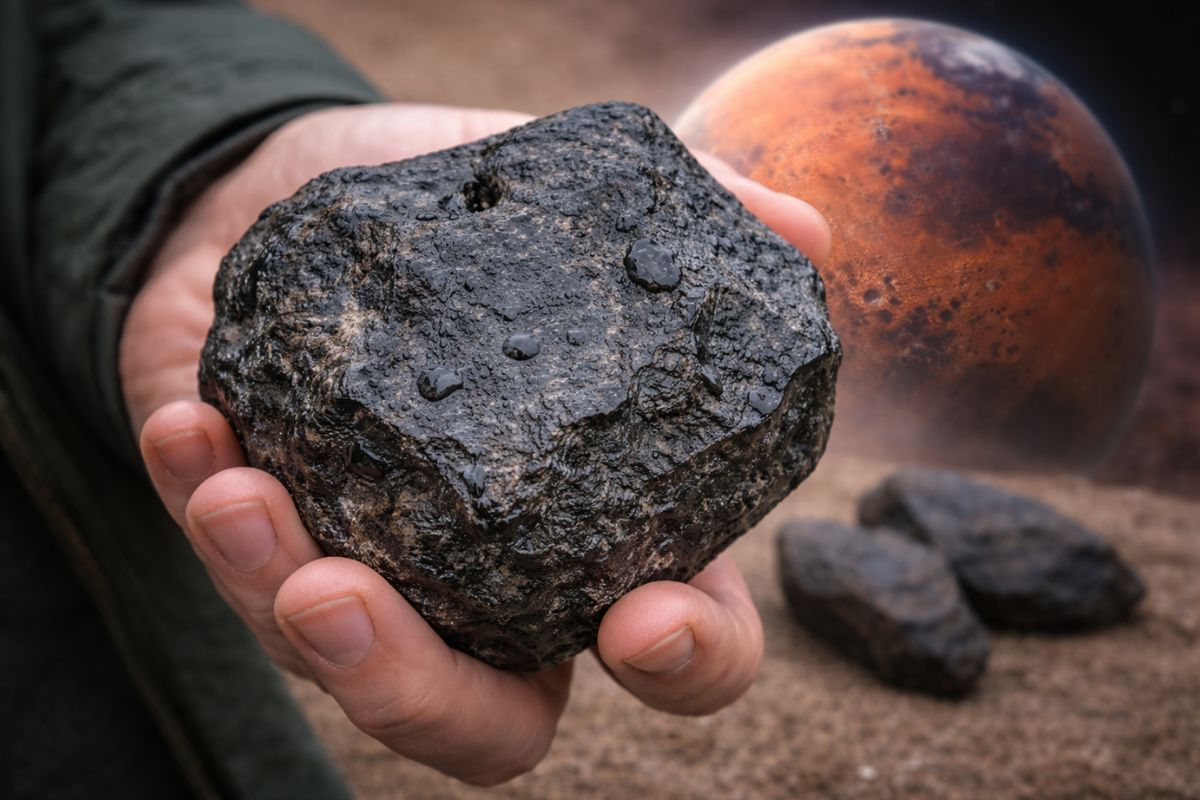
A collector bought a black stone in Morocco in 2011 without knowing that he had in his hands a Martian meteorite 4.45 billion years old with ten times more water than any other fragment of Mars ever found on Earth.
-
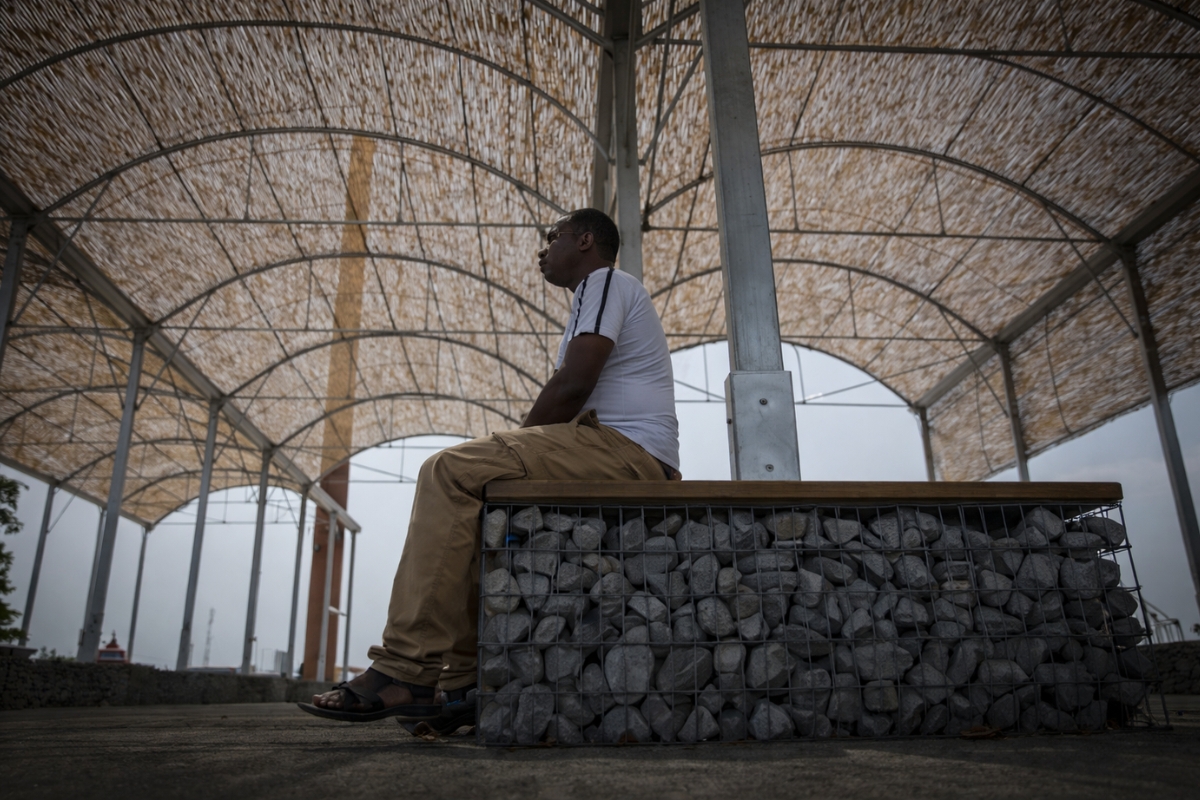
European cities are building public climate refuges to cope with extreme heat.
-
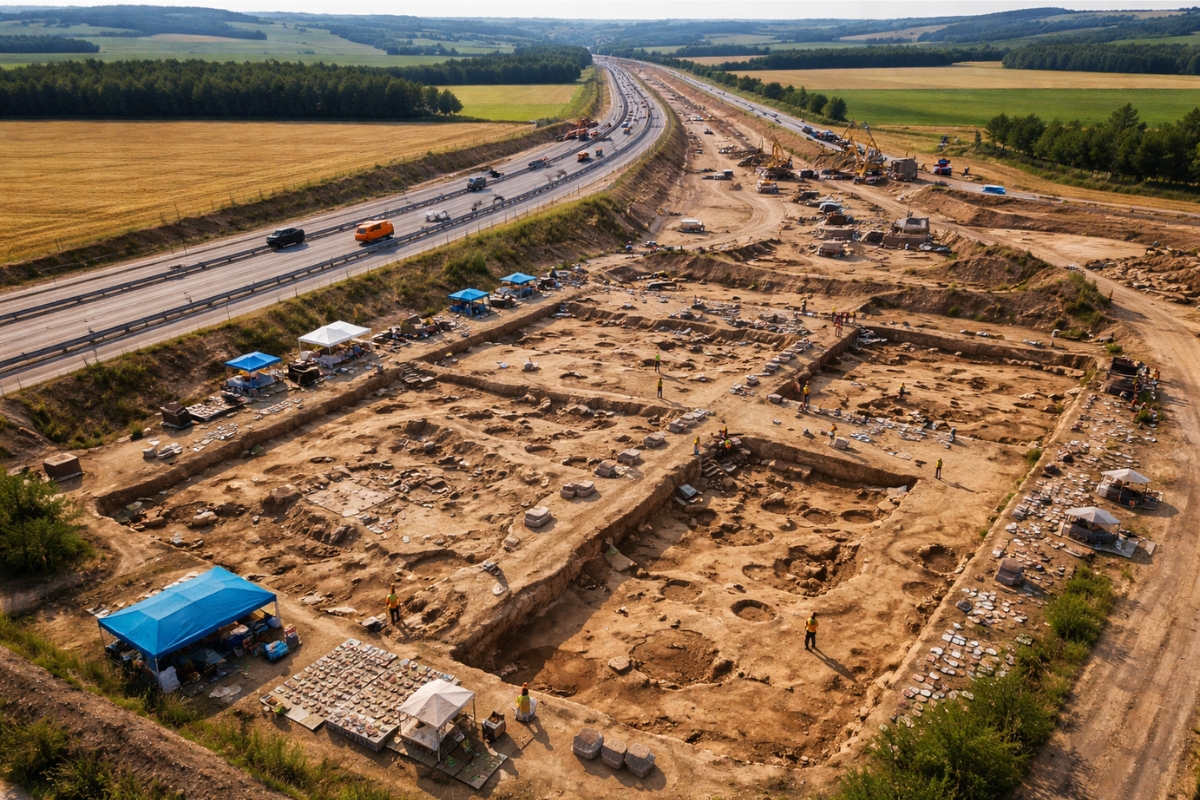
Excavations for a highway uncovered an intact Celtic city with gold, jewelry, and ancient production structures.
-
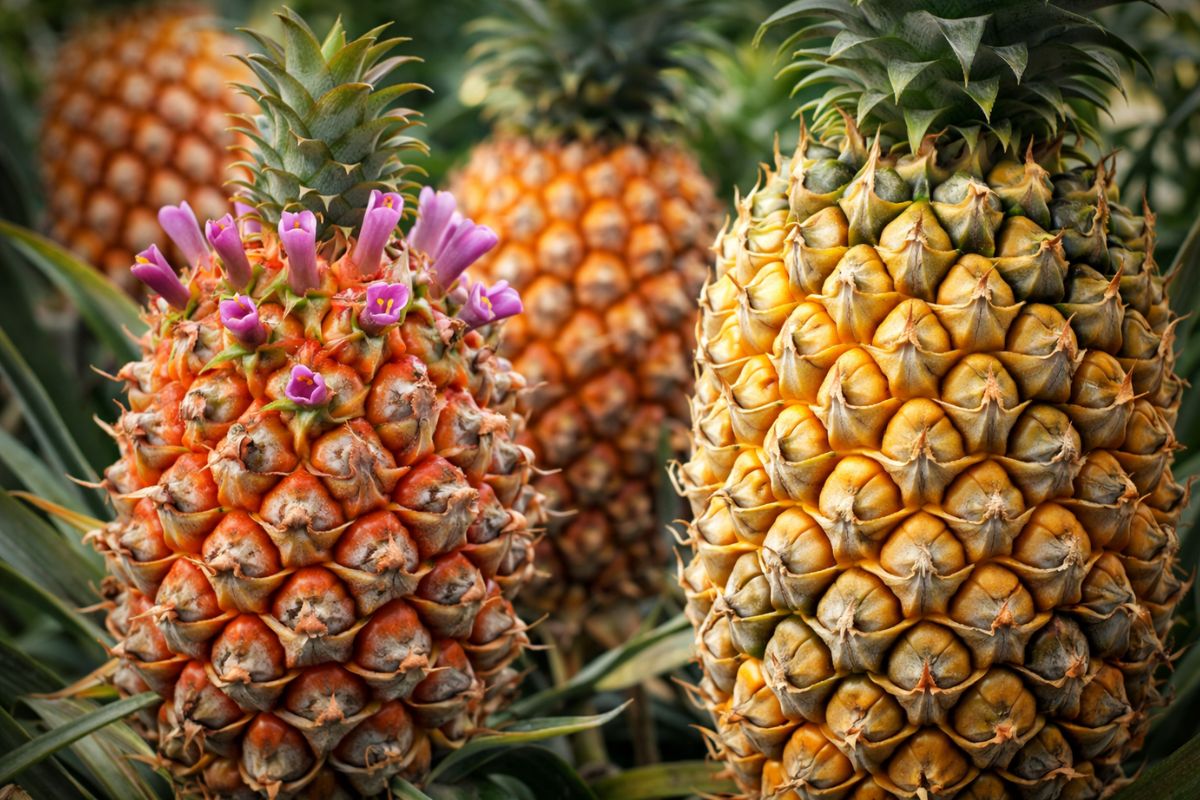
Every pineapple you eat is actually up to 200 different fruits fused into one: discover the fascinating process in which each flower opens for just one day and produces the pieces that form the whole fruit over the course of 3 weeks.

The best time to place these seedlings in the soil is when the rainy season begins. The rain helps the roots to settle before the dry months. The ideal soil is sandy, well-drained, with controlled acidity, and receives organic fertilizer and compounds rich in nitrogen, phosphorus, and potassium to feed the plants over the years.
Ancient Techniques, Strategic Pruning, And Patience
The cashew nuts also depend on a silent maintenance effort. Pruning is essential for the health of the trees, as weak or overly long branches hinder air circulation and steal energy from the plant. With the right pruning, the tree concentrates its energy on producing better fruits.
None of this happens overnight. Cashew trees can take 3 to 5 years after planting to start producing for real. When they mature, each tree can generate dozens of kilos of nuts per harvest, resulting from a combination of climate, technique, and a lot of fieldwork.
Harvesting On The Ground And The Role Of The Forgotten Fruit

Unlike other crops, cashew nuts are not harvested directly from the branch. The signal that it’s time comes when the fruit falls to the ground. The natural drop indicates that the nut has reached the ideal point of ripeness.
On small farms, workers walk through the orchard collecting the nuts one by one or using long poles to knock down the fruits from the higher parts. On larger farms, specific machines come into play that speed up the collection of fallen fruits.
That colorful part that many people call the cashew fruit is not always utilized. In several places, the fruit is discarded, but in many regions, it gains new life in the form of juice, jelly, or even fermented alcoholic beverages. Even so, the economic focus is on cashew nuts, which are the real gold of this chain.
Sun Drying And Waiting In Large Warehouses
After harvesting, cashew nuts cannot be sent directly to the factory. First, they need to lose a good part of the moisture.
The next step is sun drying, which lasts several days. This simple and ancient process is crucial to avoid mold, reduce the risk of contamination, and extend the shelf life of the nuts.
When they reach the right drying point, the nuts are bagged in large volumes and stored in warehouses.
These bags await the next chapter of the journey when they leave the field and enter a completely different environment: the factory floor.
Toxic Shell, Steam, And The Battle To Protect The Kernel
In the industry, the most dangerous and sensitive part of the journey of cashew nuts begins. The outer shell contains toxic oils that can cause skin burns if handled carelessly. Therefore, the first mission of the factory is to clean and prepare the material for processing.
The cashew nuts go through machines that remove stones, dirt, and other residues. Next, there are autoclaves and high-pressure steam systems.
The steam has two central functions: to soften the hard shell and to neutralize the toxic oils, making handling safer for workers and for the subsequent stages in the line.
Machines, Human Hands, And The Art Of Not Breaking The Nut
Even with so much technology, the cashew nut industry still depends heavily on human precision. The peeling stage is extremely delicate because the aim is to open the shell without breaking the kernel inside.
Factories combine automatic equipment with trained labor to separate shell and seed. After this, the kernels still have a thin film, almost like a paper shell.
To remove it, they go through another round of controlled drying, which helps to loosen this film and facilitates removal by hand or by specific machines.
Each whole nut that arrives intact at the next stage represents a small technical triumph, as any carelessness can generate broken product that is worth less in the market.
Classification By Size, Color, And Market Value
With the bare kernels, the classification work begins. Cashew nuts are separated by size and color. The largest and lightest ones generally turn into the most noble product, sold as premium whole nuts.
The smaller or darker ones are destined for other uses, such as paste, butter, or snack mixes.
Even with automated lines, human eyes remain essential to ensure the quality standard, removing stained, overly broken, or out-of-spec nuts.
This fine sorting is one of the reasons why the cashew nut chain employs so many people and drives entire economies in producing countries.
Roasting, Vacuum Packaging, And Journey Around The World
In the final stretch, cashew nuts can take two paths: being packaged while still raw or going through roasting. Roasting intensifies the flavor, improves the texture, and helps to eliminate any remnants of impurities. It’s at this moment that the crunchiness that consumers recognize from afar is born.
Then, another decisive technology comes into play: vacuum packaging, which preserves freshness and extends the product’s shelf life.
These packages go to exporters, supermarket chains, restaurants, and food industries, crossing continents until they reach the table of someone buying a simple bag of cashew nuts at the neighborhood market.
Cashew nuts are not just a sophisticated snack. The production chain supports millions of farmers and their families in tropical countries, driving entire industries and connecting to sustainable agricultural practices, as well-managed cultivation helps maintain productive areas and generates long-term income.
From the carefully selected seedling to the final vacuum-packed package, every step of the journey of cashew nuts mixes traditional knowledge, modern technology, and a level of risk and precision that almost never appears on the price tag.
The next time you open a package, you will remember that inside there is much more than just a simple snack.
After learning about this entire journey, do you think the price of cashew nuts truly reflects all this work or should they be worth even more?








Vale mais