





 Portuguese
  English
  Spanish
  5 min of reading
  5 comments


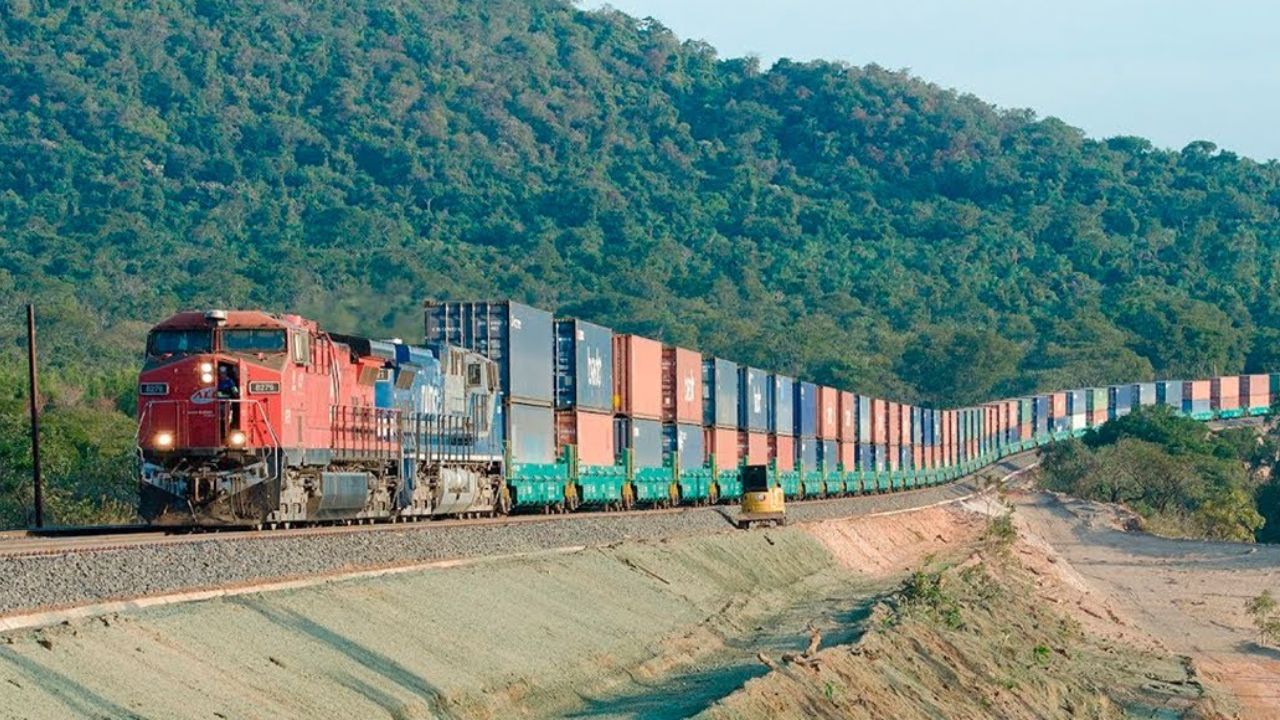


With Two Levels of Containers, the Double Stack Train Expands Cargo Transport, Strengthens Rail Transport, Reorganizes the Rail Network, and Boosts Brazilian Logistics.
The Double Stack train is the new protagonist of Brazilian logistics infrastructure. With cars designed to carry containers on two levels, it places more cargo on the same train, reduces the number of trips, and challenges the absolute dominance of highways in freight transport. In a continental country like Brazil, this scale change makes all the difference in the final costs for producers and consumers.
By increasing the capacity of each trainset and concentrating more cargo on the tracks, the Double Stack train helps reduce the flow of trucks on the roads, fuel consumption, and pollutant emissions. The idea is simple, but the impact is strategic: to connect producing areas to industrial centers and ports more efficiently, safely, and at a lower cost for the entire economy.
Brazil Still Relies on Highways
Brazil’s economy is led by the tertiary sector, with a strong presence of trade and services, but the country also stands out in agricultural production, petrochemical industry, and automotive industry.
-
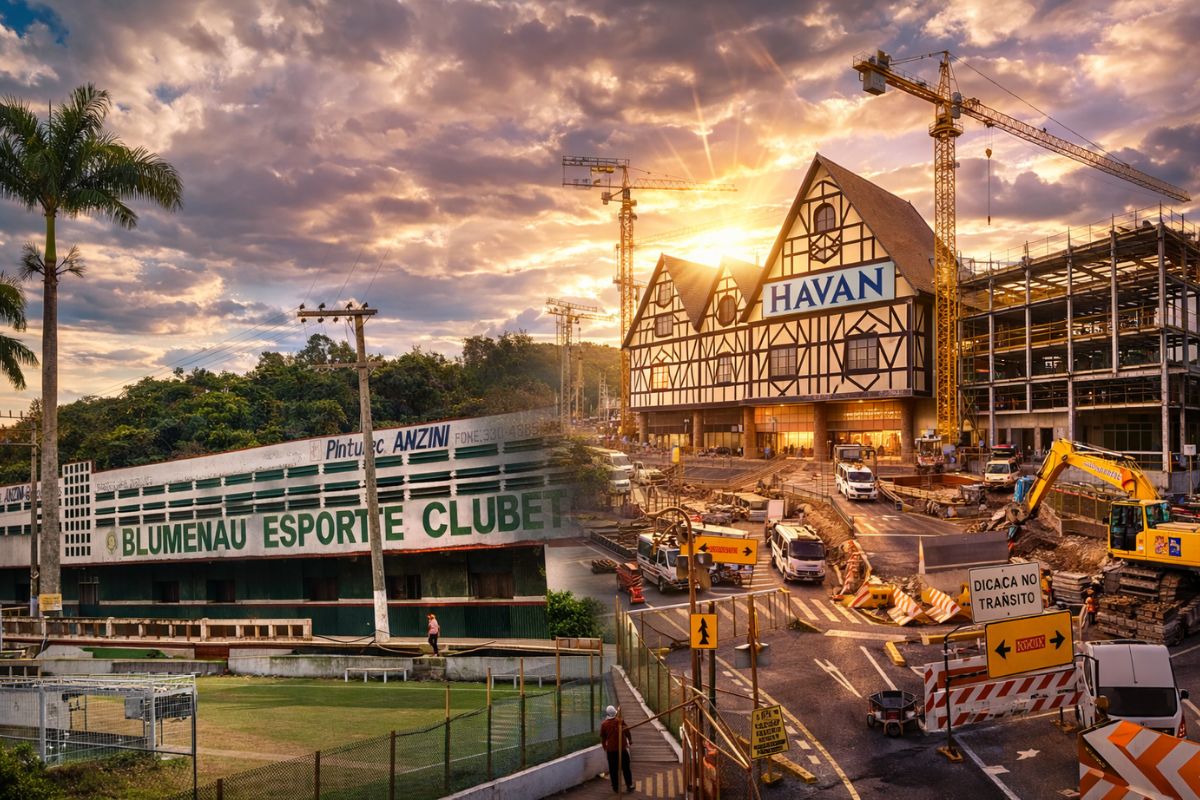
Havan buys historic football land in Blumenau for a million-dollar amount protected by a confidentiality clause and is already planning to change even the layout of streets to build a megastore in half-timbered style costing 80 million reais.
-
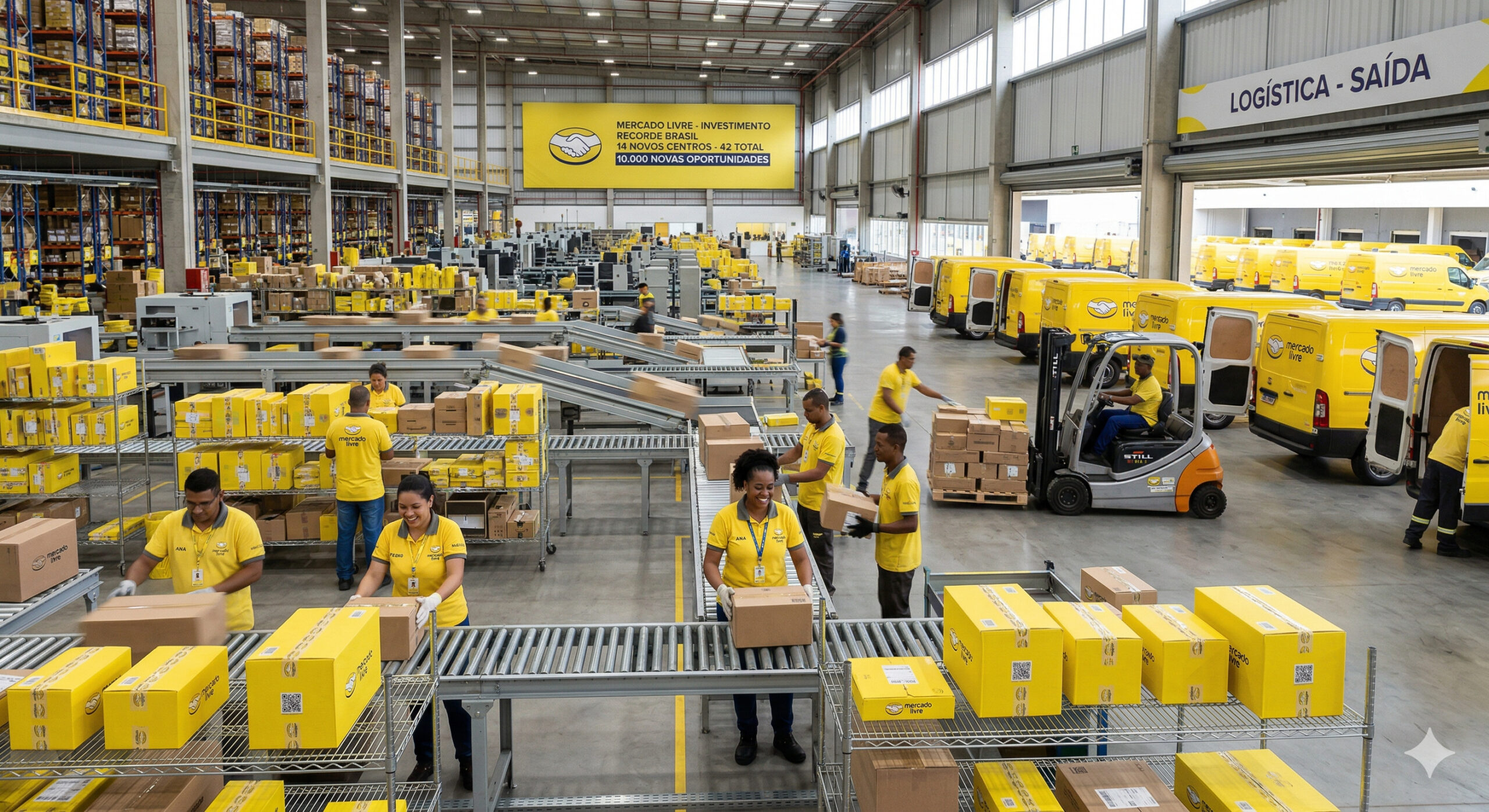
Mercado Livre “opens the vault” and announces a record investment of R$ 57 billion in Brazil in 2026, a value 50% higher than the previous year, with an expansion plan that includes 14 new logistics centers, totaling 42 units in the country and hiring an additional 10,000 employees.
-
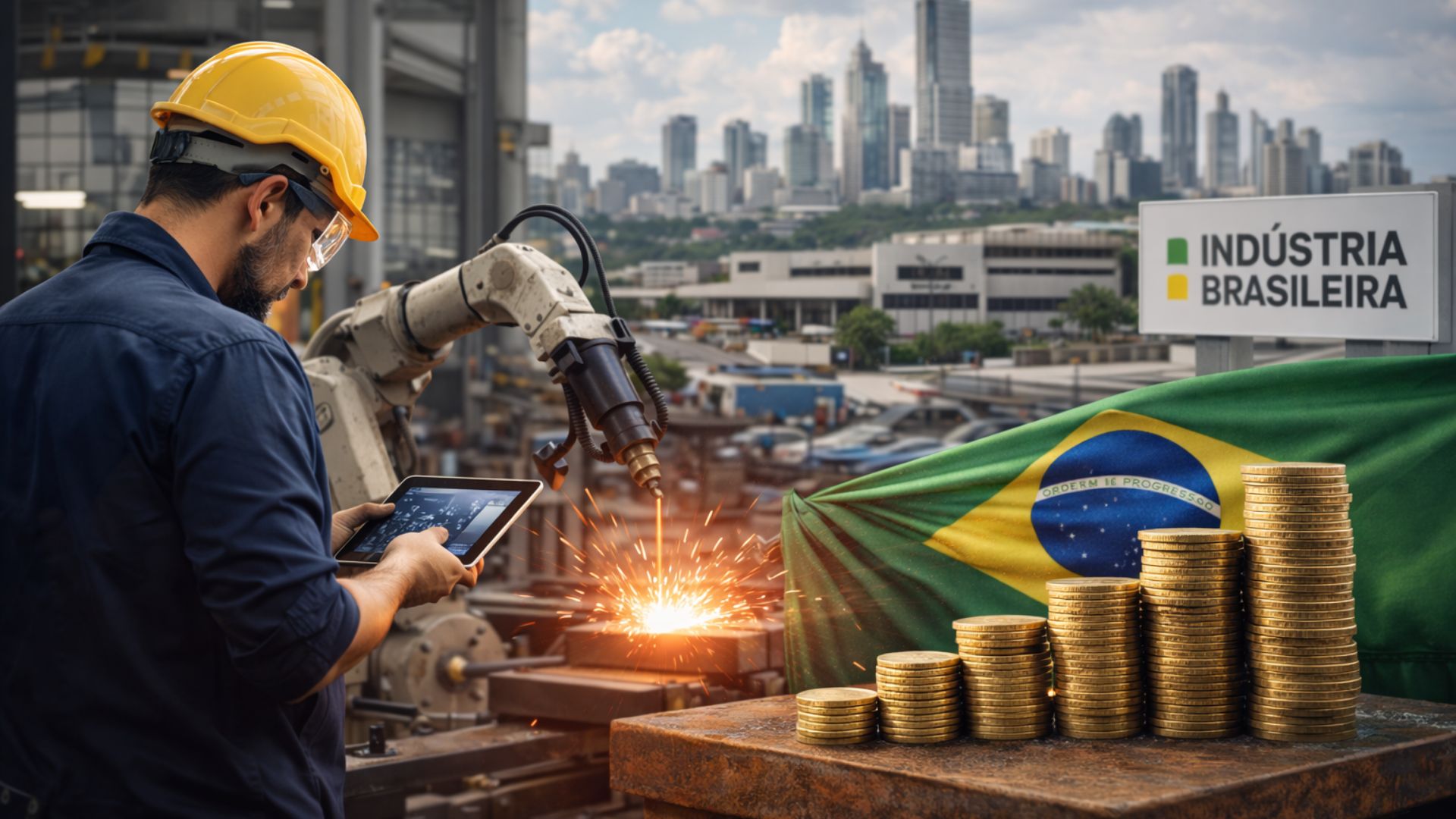
How investment in technology can revolutionize the national economy and enhance industrial gains, according to a study that highlights the direct impact on productivity, innovation, and wealth retention within Brazil.
-
The largest food company on the planet, JBS, has just opened a 4,000 square meter laboratory in Florianópolis to develop customized proteins that modulate muscle mass gain, immune response, and metabolic performance.


Covering over 8.5 million square kilometers, the largest country in South America needs a transportation system that matches this size.
In practice, Brazil’s main means of transport is the highways, which cross the territory from north to south and east to west. Trucks dominate the circulation of goods, overload roads, and make freight more expensive, especially over long distances.
The railways appear in specific segments, often aimed at the transport of heavy cargo in key regions of the Midwest and Southeast.
It is in this scenario that the Double Stack train emerges as a symbol of railway network renewal. The more cargo is pulled by the tracks, the less pressure there tends to be on highways, the risk of accidents, and the logistics costs for producers and businesses.
How the Double Stack Train Works

The concept of the Double Stack train is straightforward. Containers are positioned on two levels, one above the other, in cars designed to support this arrangement.
This allows for more cargo to be concentrated in each trainset without needing to proportionally increase the number of locomotives or energy consumption.
For the Double Stack train to operate safely, the infrastructure needs to keep up. Bridges, tunnels, crossings, and even the power grid along the railway must provide sufficient height for the trainset to operate with containers on two levels.
It’s not just a new train; it’s a different way of thinking about the available space on the tracks.
Loading and unloading terminals also factor into the equation. Cranes, yards, and equipment need to be adapted to quickly load and unload containers on two levels.
When all these elements align, the Double Stack train becomes a significant cargo concentrator, shortening delivery times and making logistics flows more predictable.
Cost, Efficiency, and Environmental Gains

By accommodating more containers on the same route, the Double Stack train reduces the number of trips required to transport the same volume of cargo.
Fewer trips mean less fuel, less equipment wear, and lower costs at the end of the month. For shippers, this translates into more competitive freight rates and greater operational predictability.
From an environmental standpoint, the gain is also clear. Rail transport emits fewer pollutants per ton transported than road transport, and the Double Stack train enhances this advantage by tripling the container capacity compared to traditional alternatives.
Each container that leaves the road and goes to the tracks helps reduce pollution and alleviate traffic on highways.
This combination of economy and sustainability makes the Double Stack train an important ally for sectors that need to move large volumes, such as agribusiness, base industry, and foreign trade, which relies on efficient connections to ports.
Linking Strategic Regions and Logistics Integration
Brazil faces a classic logistics challenge. Areas that produce on a large scale are often far from major consumer centers and port terminals.
Without good rail connections, the only solution ends up being to put everything on trucks and face thousands of kilometers of asphalt.
With the Double Stack train, the idea is to reinforce logistics corridors that link producing regions to industrial hubs and ports, creating a more consistent and voluminous flow of goods on the tracks.
This helps organize transportation, reduce bottlenecks, and lower the total cost of the supply chain, from origin to final destination.
When a well-structured rail corridor begins to operate with the Double Stack train, the impact spreads. Companies start planning inventories more securely, exporters gain more agility in shipping, and cities along the railway can attract new investments in warehouses and distribution centers.
What it Takes for the Double Stack Train to Change the Game
The Double Stack train has the potential to transform cargo transport in Brazil, but this change doesn’t happen overnight.
Continuity in investments in the rail network, modernization of old sections, and expansion of strategic routes is essential. Without adequate infrastructure, the model loses some of its strength.
It is also vital to better integrate the modalities. The efficiency of the Double Stack train depends on access roads in good condition, ports prepared to receive large volumes, and well-equipped intermodal terminals.
When each stage functions in harmony, operations flow smoothly, and the benefits reach the pockets of producers, businesses, and consumers.
In summary, the Double Stack train is more than just a double-decker train. It represents a new way of thinking about Brazilian logistics, focused on scale, efficiency, and reduced environmental impact, paving the way for a more modern and competitive cargo transport system.
And you, do you think the Double Stack train can really change the future of cargo logistics in Brazil, or is there still much investment needed for this revolution to become a reality?
With information from: Construction Time







Os trens nunca deveriam ter saído de cena no transporte de cargas e também no de passageiros, já é hora de nos livrarmos destes caminhões que além de poluir o meio ambiente deixaram tantas mortes pelo meio do caminho.
Esqueceram de falar da infraestrutura dos trilhos
Que bom, que agora, já meio tarde, mas está valendo, estão se falando em substituir os caminhões carregadores de cargas, por trens, que ficaram adormecidos por décadas! Com a volta dos trens, os caminhões continuarão trabalhando, mas sem a pressão que existe hj com motoristas exaustos pelas extensas distâncias que precisam percorrer para entregar suas cargas. Todos os países, com grandes extensões como o nosso, sao cortados por trens, menos o Brasil, até agora claro, mas espero que os trens, realmente, voltem Brasil afora!!!