





 Portuguese
  English
  Spanish
  5 min of reading
  12 comments





China and Vietnam Turned Snake Farming into a Billion-Dollar Industry of Meat, Leather, and Venoms Used in Cardiovascular and Neurological Medications.
Industrial snake farming has transitioned from an exotic curiosity in Asia to one of the most profitable and quietly strategic production chains in the biotechnological world. In China and Vietnam, millions of snakes are bred every year not only for food consumption but primarily for extraction of high-value pharmaceutical venoms, leather production for the luxury industry, and complete utilization of the carcass for medicinal purposes.
What was once limited to traditional medicine has undergone a deep industrialization, integrating biotechnology, modern pharmacology, international export, and regulated animal husbandry chains. The result is a sector that moves billion-dollar amounts in a dispersed manner, with branches reaching from cardiovascular laboratories to the fashion industry.
From Ancient Tradition to Pharmaceutical Biotechnology
In Asia, snakes have always been used as a source of protein and also as the basis for medicinal extracts. For centuries, their use was artisanal, with direct collection from nature. This model became unfeasible when:
-
Historic bankruptcy of Centauro shocks the market, and the century-old company puts more than 500,000 products, machines, and complete infrastructure up for online auction.

-
New shoe factory in Ceará is expected to create 400 jobs and strengthen the local economy.

-
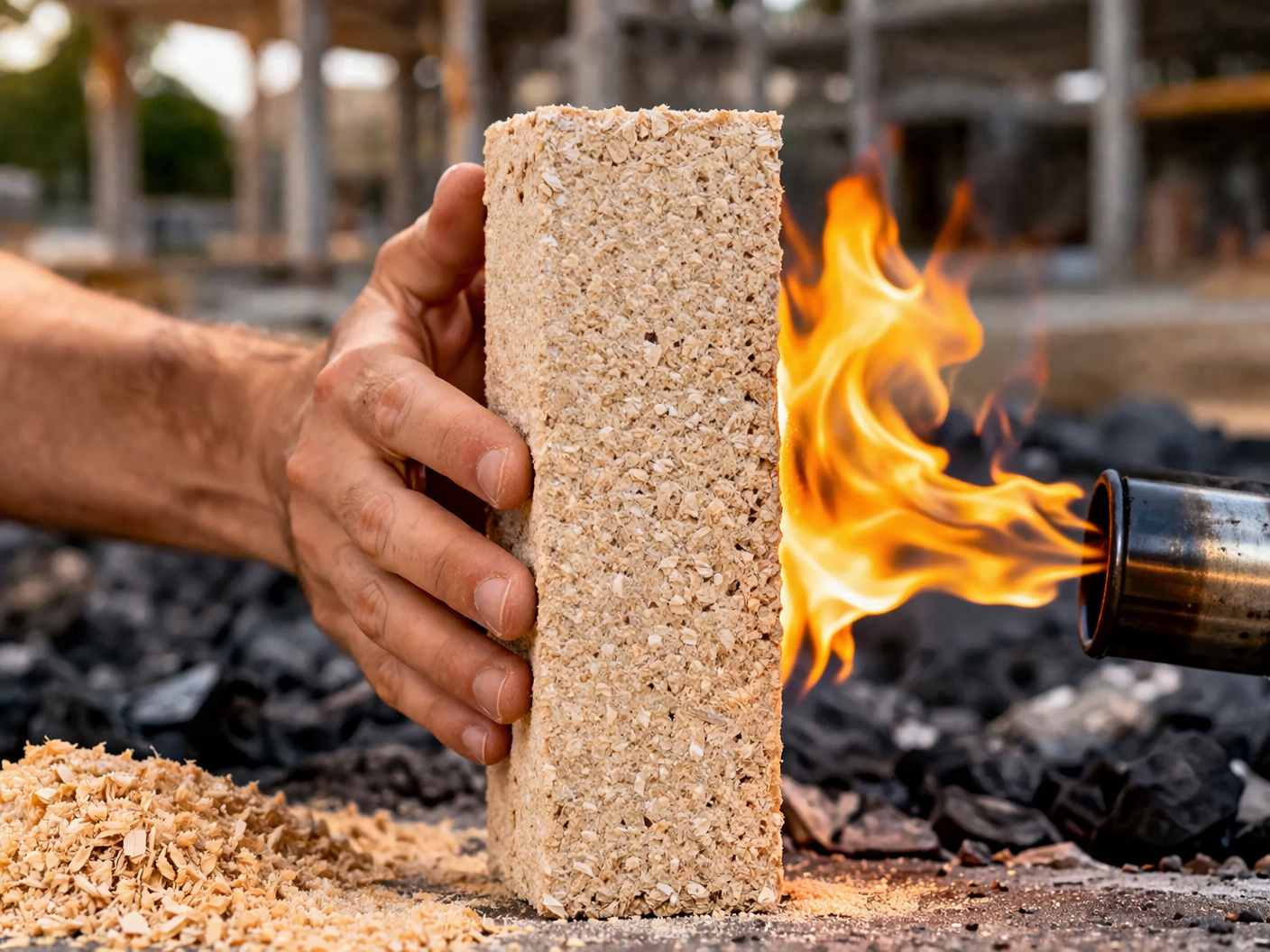
No one imagined it, but a mixture of sawdust with a mineral that fights fires surprises scientists with a result that changes the course of fire-resistant construction.
-
From empty land to a high-end house, wooden construction uses a lightweight system, metal structure for the foundation, ventilated ceramic cladding, and special windows to create an efficient and comfortable living space throughout the year.


– demand grew on an industrial scale
– species became endangered
– governments began imposing environmental restrictions
– pharmacology started requiring absolute standardization of the venom
The response was the creation of legalized snake farms, with captive breeding, sanitary control, genetic traceability, and strict extraction protocols.
Millions of Snakes Bred Annually in Controlled Systems
Today, in China alone, there are hundreds of registered farms, primarily concentrated in southern and southeastern provinces. Some of these units can produce tens of thousands of snakes per cycle, including species such as:
– Naja naja (cobra)
– Deinagkistrodon acutus
– Trimeresurus
– Bungarus
In Vietnam, the model is similar, with entire regions specializing in snake farming for meat and venom, integrated with slaughterhouses, extraction centers, and laboratories.
The total annual volume is not officially disclosed for strategic reasons, but estimates from Asian universities suggest millions of snakes per year across the China-Vietnam spectrum.
The Venom as a High-Value Pharmaceutical Active Ingredient
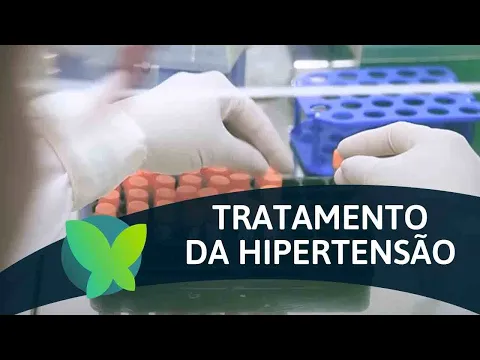

The economic heart of this chain lies not in the meat but in the venom. Snake venom is one of the most valuable raw materials in medical biotechnology. It is used to develop:
– anticoagulants
– thrombolytics
– antihypertensives
– potent analgesics
– medications for neurological disorders
– diagnostic kits
A single gram of purified venom can reach thousands of dollars in the international market, depending on the species and biochemical composition.
Laboratories in Asia, Europe, and the United States purchase standardized toxins for research and the production of pharmaceuticals used globally.
Snake Meat: Food Consumption and the Gourmet Market
Although it is not the main driver of the chain, snake meat is widely consumed in China, Vietnam, and parts of Southeast Asia. It is utilized in:
– medicinal soups
– traditional dishes
– specialized restaurants
– high-value exotic cuisine
The meat is considered rich in protein and low in fat, culturally viewed as a functional food. In tourist regions, its consumption also becomes a gastronomic attraction for foreigners.
Snake Leather Fuels the Global Luxury Market
Another billion-dollar axis of this sector is snake leather, used by international brands in the production of:
– footwear
– bags
– belts
– jackets
– luxury accessories
Farming allows standardization of size, texture, and coloration, which is impossible in the extractive model. This ensures a continuous supply for the global fashion industry, which relies on stable contracts and predictable volumes.
How Venom Extraction Works in an Industrial Environment
The extraction is not artisanal. The process takes place in a highly controlled environment:
– the snake is securely contained
– the venom is collected in sterile containers
– the material is immediately frozen or dehydrated
– it undergoes purification processes
– it is converted into lyophilized powder
– stored in a controlled environment
– sent to certified laboratories
The entire process is monitored by veterinarians, biologists, and biosafety technicians, as any failure can be fatal.
Regulation, Licenses, and Combating the Illegal Market
Commercial farming is only allowed with a government license, sanitary registrations, and periodic inspections. This control arose to replace illegal capture in nature, which led several species to population collapse in previous decades.
There is still a black market, but large pharmaceutical companies only purchase from certified and traceable producers, which has shifted the economic focus toward legal farming.
Vietnam as a Link Between Production, Tourism, and Export
In Vietnam, in addition to industrial production, several regions have turned snake farming into a tourist attraction. There are entire villages dedicated to snake farming, featuring:
– themed restaurants
– visitor centers
– byproduct markets
– local museums
– handling demonstrations
This creates a hybrid chain that unites agro-industry, biotechnology, and cultural tourism, with a strong regional impact.
The Role of China as the Largest Integrator of the Global Chain
China acts as the major global integrator of this chain. The country concentrates:
– the largest farms
– the main extraction centers
– a significant portion of domestic buyers
– a large fraction of toxin exports
– the transformation into active principles
Chinese laboratories provide toxins to international pharmaceutical companies that develop medications sold in dozens of countries.
Why Snakes Became Strategic Assets of the Bioeconomy
Unlike traditional livestock farming, where value is concentrated almost exclusively in the meat, the snake generates multiple high-value assets:
– pharmaceutical venom
– functional meat
– premium leather
– biochemical byproducts
– themed tourism
This multiplication of revenue per animal transforms snake farming into one of the activities with the highest added value per living unit on the planet.
The Silent Impact on Modern Medicine
Millions of patients around the world use medications derived directly or indirectly from the toxins of Asian snakes, often unknowingly. Modern anticoagulants, cardiovascular therapies, and advanced neurological research depend on this biological input.
In practice, venomous reptiles have become the invisible foundation of part of the high-complexity medicine of the 21st century.
From Feared Creature to Gear in the Global Pharmaceutical Industry
The snake, for centuries a symbol of fear and danger, has been transformed into the silent gear of one of the most valuable areas of modern biotechnology.
China and Vietnam lead this process, sustaining a production chain that goes from the farm to the laboratory, from the laboratory to the pharmacy, and from the pharmacy to the patient.
In the 21st century, venom has ceased to be merely a natural weapon. It has become a strategic raw material for global health.










A invasao silenciosa
A invasion silenciosa
O GRANDE DRAGÃO AVANÇA!