





 English
  Francês
  Alemão
  Italiano
  Japonês
  Norueguês
  Portuguese
  Spanish
  3 min of reading
  0 comments


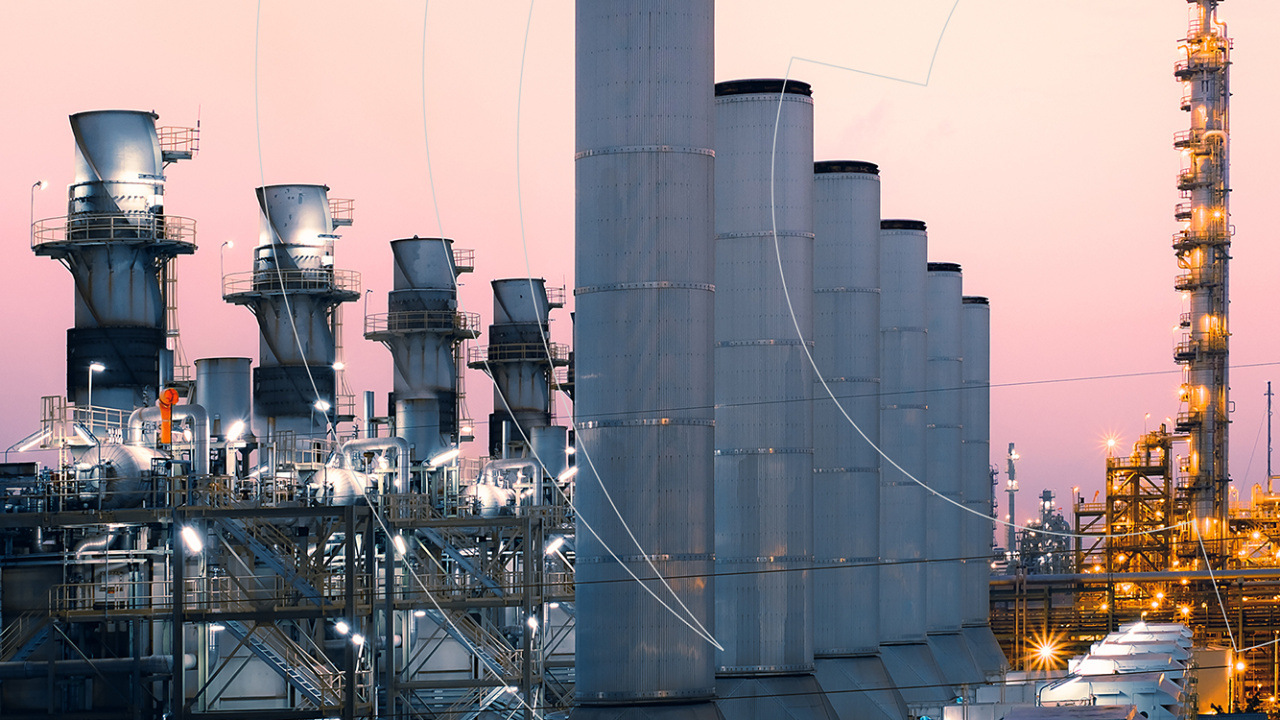
Study Points Out That The Reduction Of Hydroelectric Power Plants And The Delay In The Implementation Of Batteries Should Expand The Use Of Thermoelectric Plants In Brazil, Raising Emissions And Changing The Profile Of The Electricity Matrix.
Brazil may experience a silent turnaround in its electricity matrix. While renewable sources advance, thermoelectric plants are expected to increase their share in the coming years.
The reason is straightforward. Fewer hydroelectric plants with reservoirs. More intermittent energy, such as solar and wind. And, in addition, batteries still far from large-scale deployment.
This projection comes from the consultancy Aurora Energy Research. According to the study, the share of hydroelectric power plants is expected to drop from 42% in 2026 to 36% in 2030.
-
Equatorial adopts new national number for consumer units on electricity bills starting in April, following ANEEL standards and modernizing energy bills in several states.

-
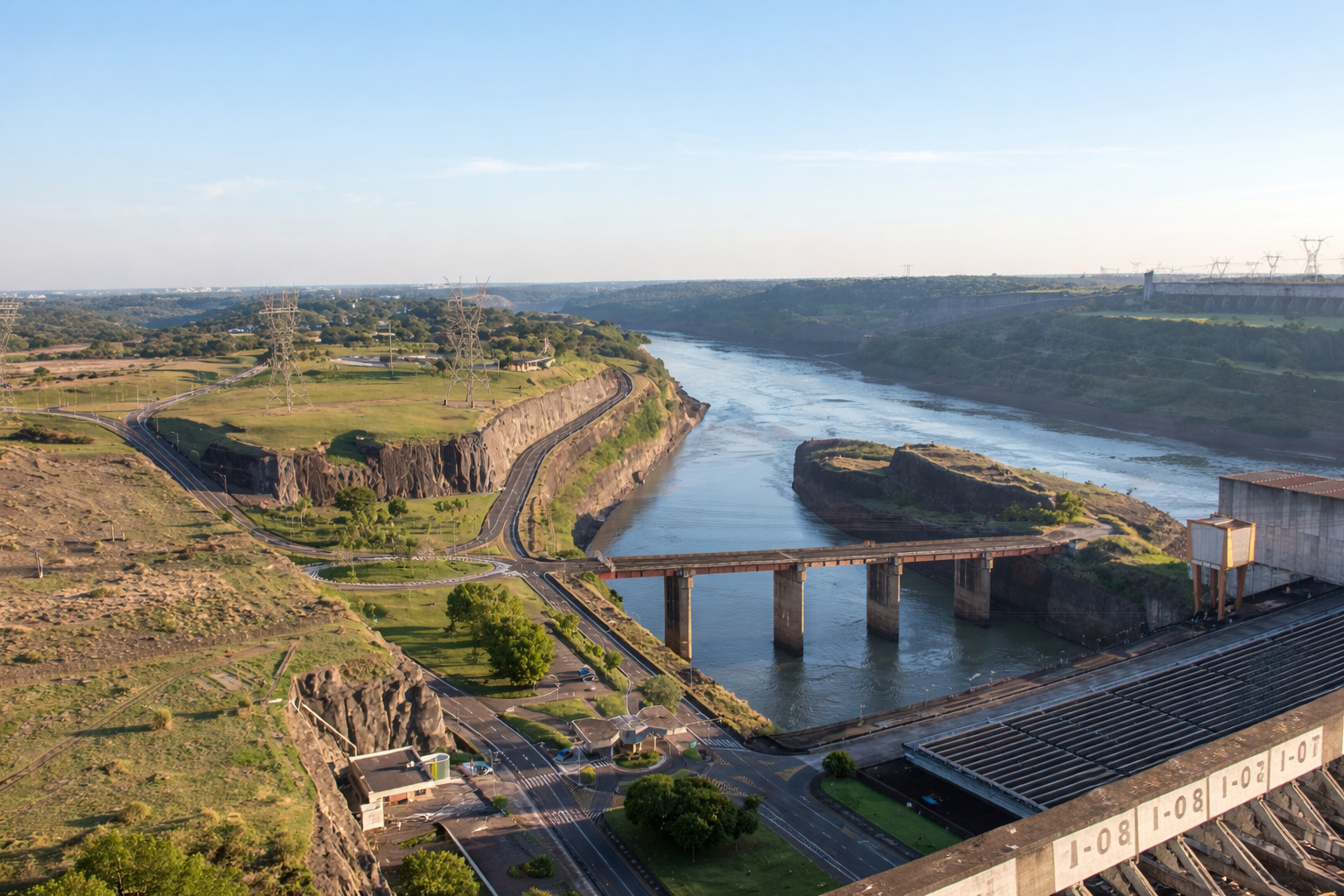
Itaipu Impresses the World: Hydroelectric Plant with 20 Turbines and 14,000 MW Generates Over 2.9 Billion MWh and Leads Global Clean Energy Production
-
Aneel Revokes CMAA Thermal Power Plants After Network Restrictions and Excess Energy in the System

-
13-Year-Old Scientist Creates Clean Energy Device For Just R$ 16, Wins $25,000 Prize And Surprises The World With Affordable Solution


By 2040, the figure could reach 28%. Meanwhile, thermoelectric plants powered by natural gas, fuel oil, and coal are expected to rise from 10% to 16% by 2030 and reach 18% by 2040.
In other words, the country could become more dependent on fossil sources right when the world is discussing emission reduction.
Emissions Could Almost Double In Less Than Ten Years
The projections align with studies from the Energy Research Company (EPE), presented in the Decennial Energy Expansion Plan 2034.
The document indicates that thermoelectric generation from fossil fuels could nearly double in less than a decade.
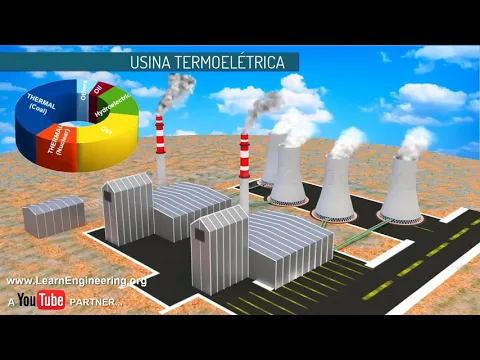

As a result, emissions from the Brazilian electricity matrix could reach 24 million tons of CO₂ equivalent by 2034. For comparison, in 2024 the estimated volume was 14 million tons.
Furthermore, the latest Decennial Energy Expansion Plan 2035 reinforces the need to expand flexible sources. The rationale is clear: to ensure security for the system in the face of the accelerated growth of renewables.
Lack Of Large Reservoirs Changes The Game
Historically, hydroelectric plants with large reservoirs functioned as a kind of “natural battery.” They stored water and released energy when needed. However, new projects of this kind have become rarer.
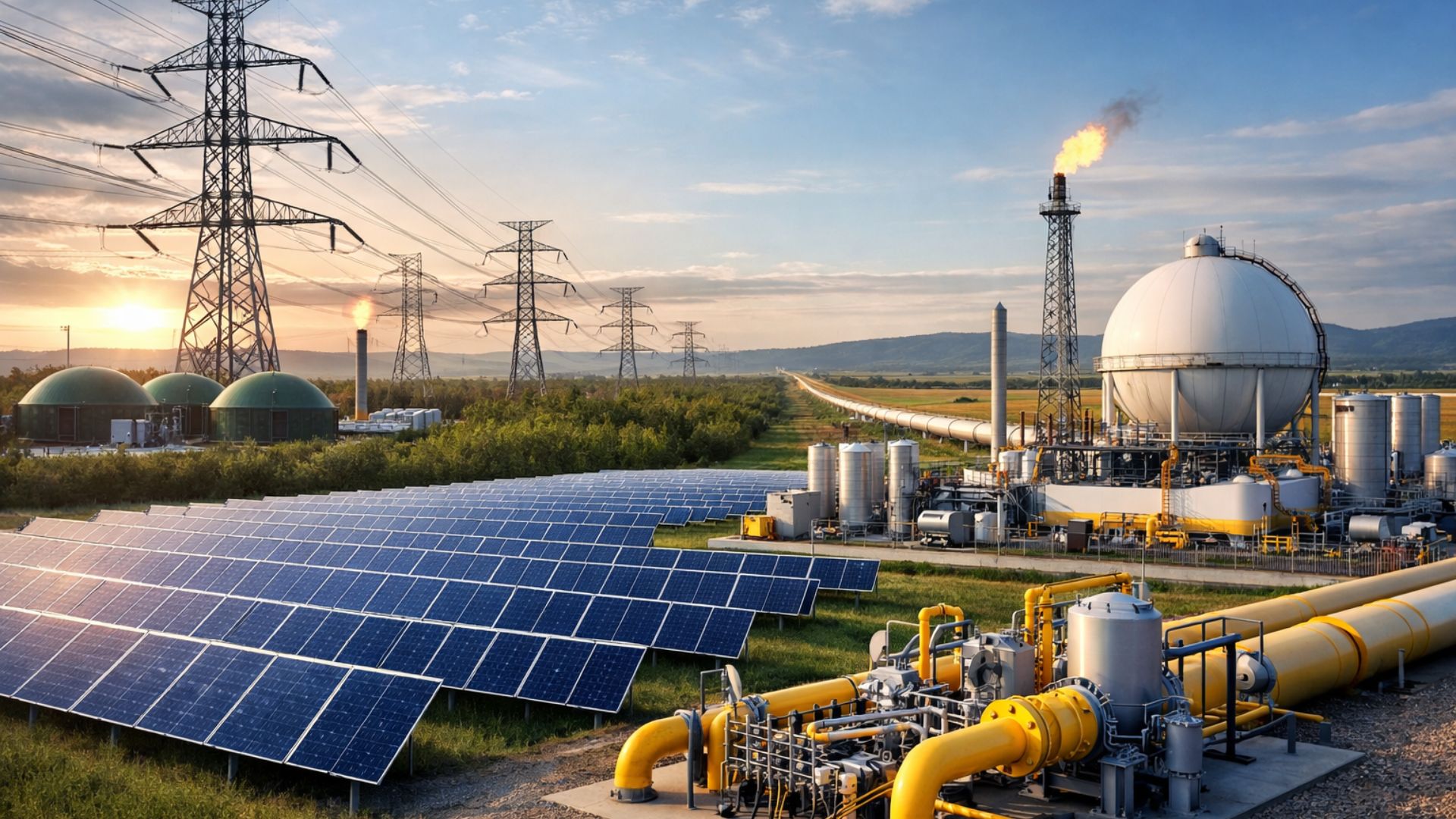
As a result, dependence on thermoelectric plants grows to supply periods without sun or wind. Aurora projects that Brazil will need to add about 47 GW of flexible capacity by 2045.
Although batteries are seen as a solution, their expansion remains uncertain. The Ministry of Mines and Energy has signaled, since 2023, the intention to contract storage systems to strengthen the National Interconnected System.
A specific auction is scheduled for April. However, the definitive model raises doubts. And there is a risk of postponement, as occurred in 2025.
In the meantime, thermoelectric plants continue to serve as a supply guarantee. But at what environmental and financial cost?








Seja o primeiro a reagir!