





 Portuguese
  English
  Spanish
  5 min of reading
  0 comments



Designed as a Public-Private Partnership, the New Headquarters of the SP Government will concentrate secretariats currently spread across more than forty addresses, restore 17 listed buildings, expand Princess Isabel Park by over 40 percent, and promises to inject new economic life into the Campos Elíseos and reposition the downtown area of São Paulo on the map.
The New Headquarters of the SP Government is not just a pretty building for an official photo. The project includes seven buildings with ten towers, an estimated investment of R$ 6 billion, and the concentration of around 22,000 employees currently scattered across more than 40 different addresses. The idea is simple yet ambitious: bring the public administration into a single complex to gain efficiency and simultaneously shake up the economy of downtown.
Located in the Campos Elíseos, one of São Paulo’s historic neighborhoods, the new structure has been designed as a Public-Private Partnership, with a concessionaire responsible for building, operating, and maintaining the complex for 30 years. In addition to the administrative buildings, the new headquarters of the SP Government will include a theater, auditoriums, and multi-purpose rooms, providing space for cultural and community use as well as just for meetings of secretaries.
Why Is the New Headquarters of the SP Government So Large and So Expensive?

When discussing the New Headquarters of the SP Government costing R$ 6 billion, the first reaction is to raise an eyebrow. The project was designed to replace more than 40 different addresses, where various functions of the state government are currently dispersed.
-
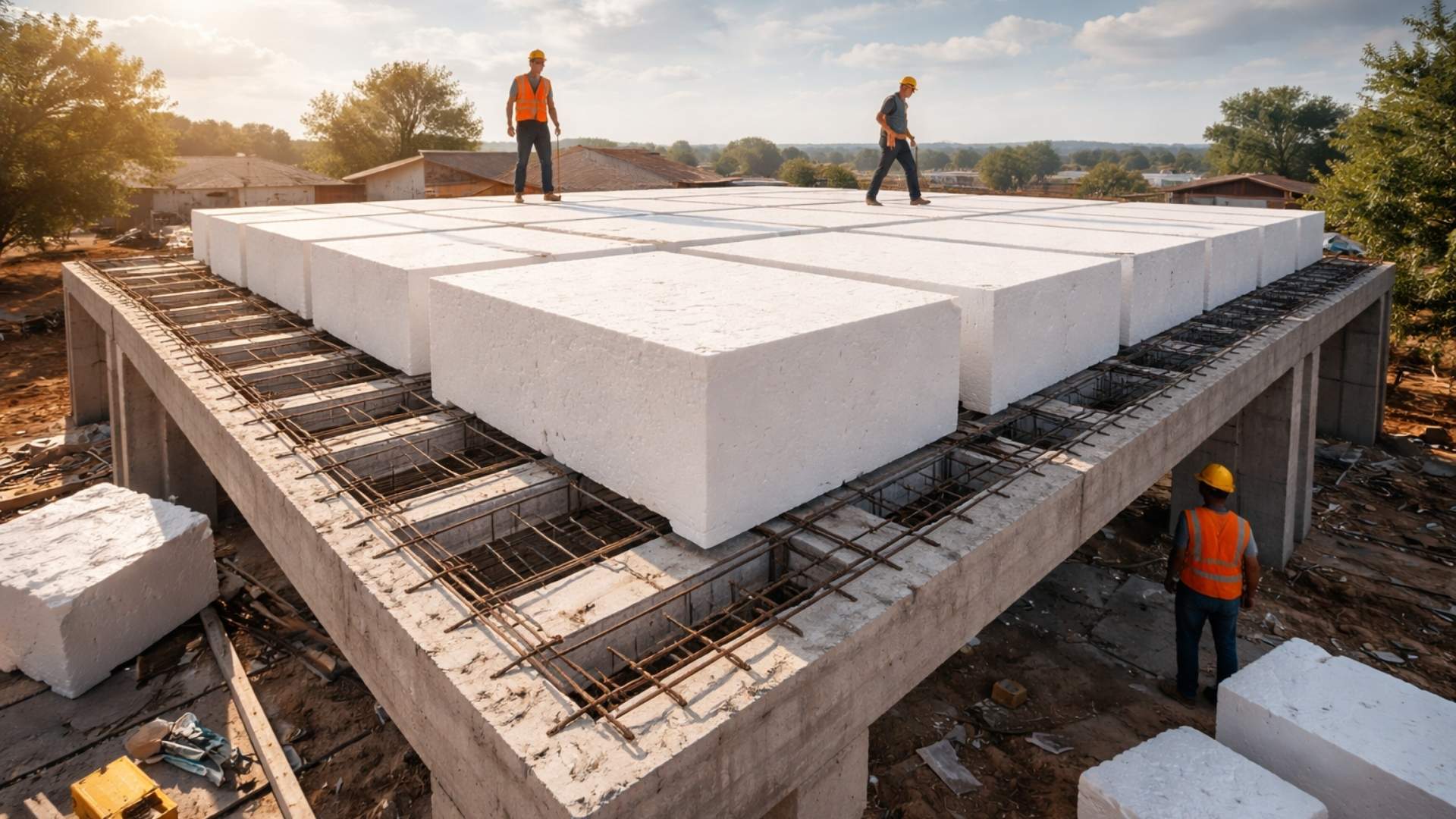
Forget concrete: architects are replacing tons of concrete with giant blocks of expanded polystyrene to build the roofs of houses and reduce structural weight by up to 50%, cut costs, improve thermal insulation, and speed up construction.
-
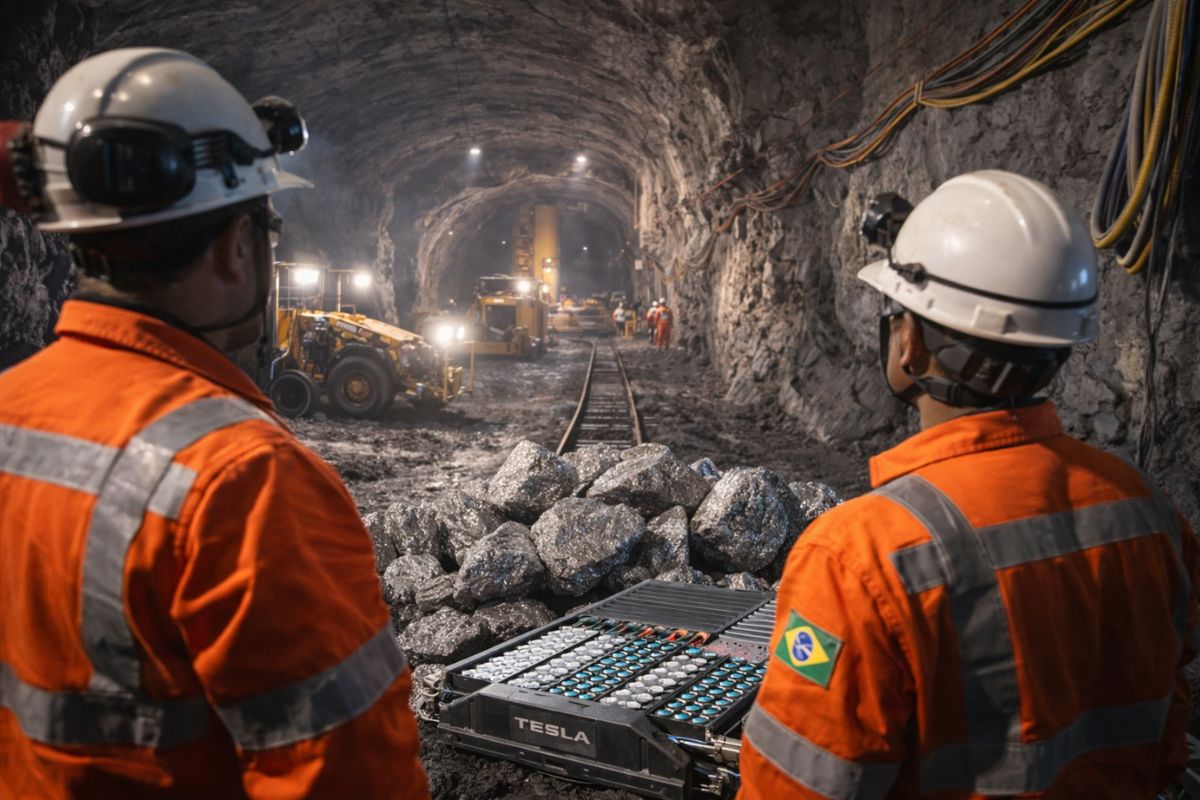
The Brazilian state enters the center of the global race for critical minerals by starting the construction of the largest underground nickel mine in Latin America, a mineral essential for electric car batteries that the entire world is competing for at this moment.
-
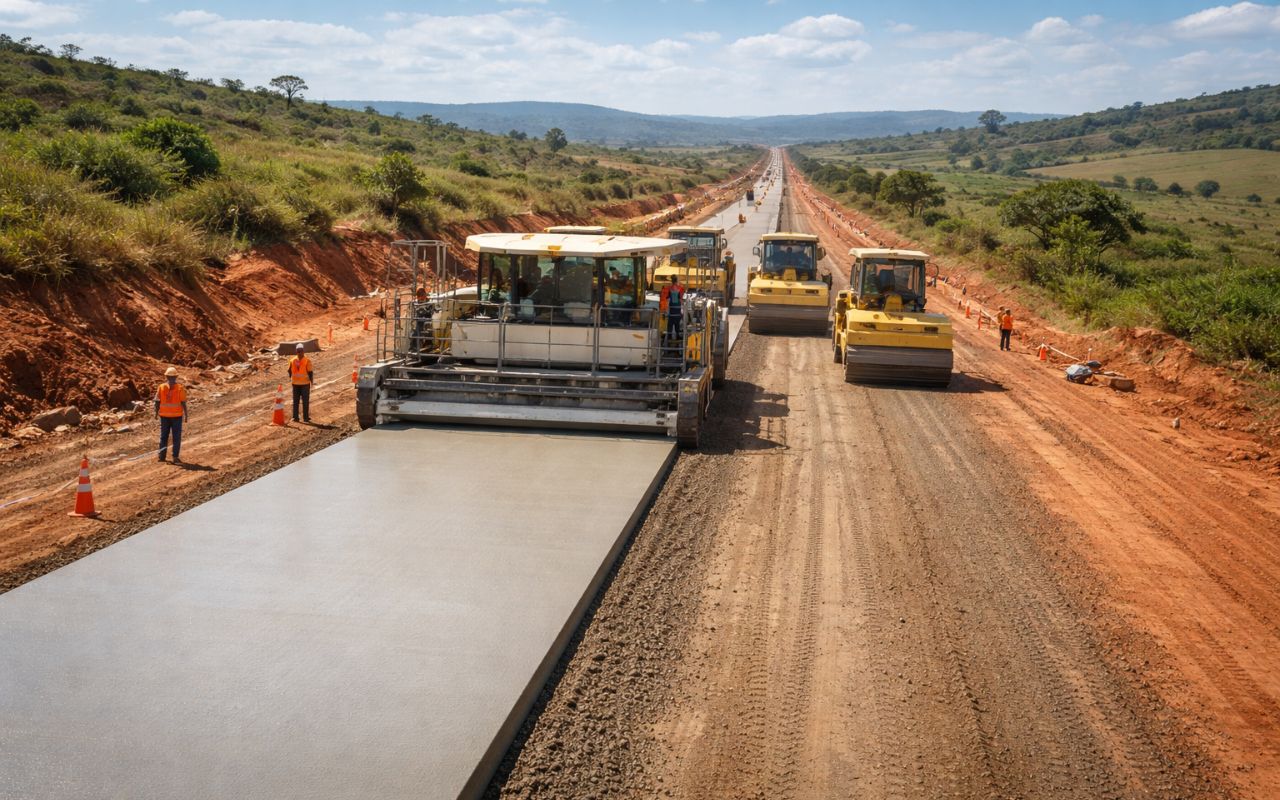
New CCR concrete paving technology promises roads up to 3x more durable, less maintenance, and cost reduction in Brazil.
-
Made from recycled plastic, plastic wood is gaining space in the construction industry because it does not rot, resists moisture, and reduces maintenance costs over the years.


It concentrates everything into a complex with seven buildings and ten towers, planned to accommodate approximately 22,000 employees.
The logic is that instead of paying rents and maintaining separate structures throughout the city, the new headquarters of the SP Government becomes the central point of administration, with long-term operational savings, increased integration among sectors, and time savings for those needing to navigate between various agencies. Less internal travel, more work done in the same place.
Campos Elíseos in the Center of the Urban Board
The choice of Campos Elíseos was not by chance. The neighborhood is historic, has a strategic location, and has been grappling for years with degradation and underutilized buildings.
The bet is that the new headquarters of the SP Government will serve as an anchor for revitalization, drawing commerce, services, and new investments to the region.
The project speaks not only of new concrete. It includes the restoration of 17 listed properties, which helps preserve the neighborhood’s memory while creating a more active urban environment.
The expansion of green areas in Princess Isabel Park by over 40 percent is also part of the plan, providing breathing space, leisure, and enhancement of the surroundings for residents, employees, and visitors.
What Changes for Employees and for the Population
For public service workers, the new headquarters of the SP Government means no longer having to make a daily pilgrimage between different buildings.
With secretariats and agencies concentrated in the same complex, communication is likely to become faster and bureaucracy less cumbersome, at least in theory.
For the population, the impact appears in two ways. On one hand, the centralization of public services promises to reduce the back-and-forth between scattered addresses, making it easier for those who need to resolve issues with the government.
On the other hand, the theaters, auditoriums, and multi-purpose rooms of the new headquarters of the SP Government are expected to host events, cultural activities, and community meetings, opening up space for broader use of the facilities beyond the administrative workday.
Revitalization, Listed Properties, and a Larger Park
One of the most sensitive points of the project is precisely the urban revitalization of Campos Elíseos. Instead of simply erecting new towers, the plan includes:
- Restoration of 17 listed properties by heritage preservation
- Expansion of green areas in Princess Isabel Park by over 40 percent
- Integration between the architectural past of the neighborhood and the new urban design
- Creation of a more qualified environment for residents, workers, and visitors
In practice, this means that the new headquarters of the SP Government does not arrive alone, but comes alongside a broader requalification effort.
The preservation of listed properties helps maintain the historic character of the neighborhood, while the expanded park gives breathing space and attractiveness for daily use of the area.
Public Consultation and Adjustments to the Project
Before finalizing the plans, the government opened a public consultation from January to March, receiving 268 contributions from citizens, entities, and interested parties.
According to the published data, 64 percent of these suggestions were fully or partially accepted, indicating some degree of real adjustment based on feedback from society.
The main topics of the consultation revolved around expropriations, contractual guarantees, and risk allocations in the Public-Private Partnership.
In other words, many people wanted to understand how the new headquarters of the SP Government would affect residents and properties in the vicinity, what protections would exist in the contract, and who would be responsible for what if things went wrong over the 30-year concession.
Who Wants to Build the New Headquarters of the SP Government?
On the business side, the project has already attracted well-known names in infrastructure and construction. Among the interested parties are:
- Acciona, which has a history in projects such as the renovation of the Júlio Prestes station
- Construcap, a company with experience in large-scale projects
- Sete Partners, which has also expressed interest in participating in the construction and local management
This combination of players shows that the new headquarters of the SP Government has become a relevant asset on investors’ radar, mixing a complex project, long-term management, and a robust package of operational and maintenance responsibilities.
Maintenance, Operation, and Responsibilities in the PPP
In the Public-Private Partnership, the winning company of the process will be responsible for the construction, operation, and maintenance of the complex for 30 years. This includes:
- Security of the ensemble of buildings and common areas
- Cleaning and maintenance
- Management of the public spaces within the complex
- Continuous operation to keep the new headquarters of the SP Government fully functional
This model transfers to the concessionaire the obligation to maintain quality standards over time, not just to deliver the works at the outset.
If the service is not well provided, accountability comes through the contract, goals and indicators, which, at least on paper, reduces the risk of the complex becoming just another large building that ages quickly and poorly maintained.
In the end, with R$ 6 billion invested, ten towers, restoration of historical buildings, and a larger and greener Princess Isabel Park, the question that remains is straightforward: do you think the new headquarters of the SP Government in Campos Elíseos can really transform downtown São Paulo or does it risk becoming just another mega project that looks good on paper?








Seja o primeiro a reagir!