





 Portuguese
  English
  Spanish
  4 min of reading
  7 comments


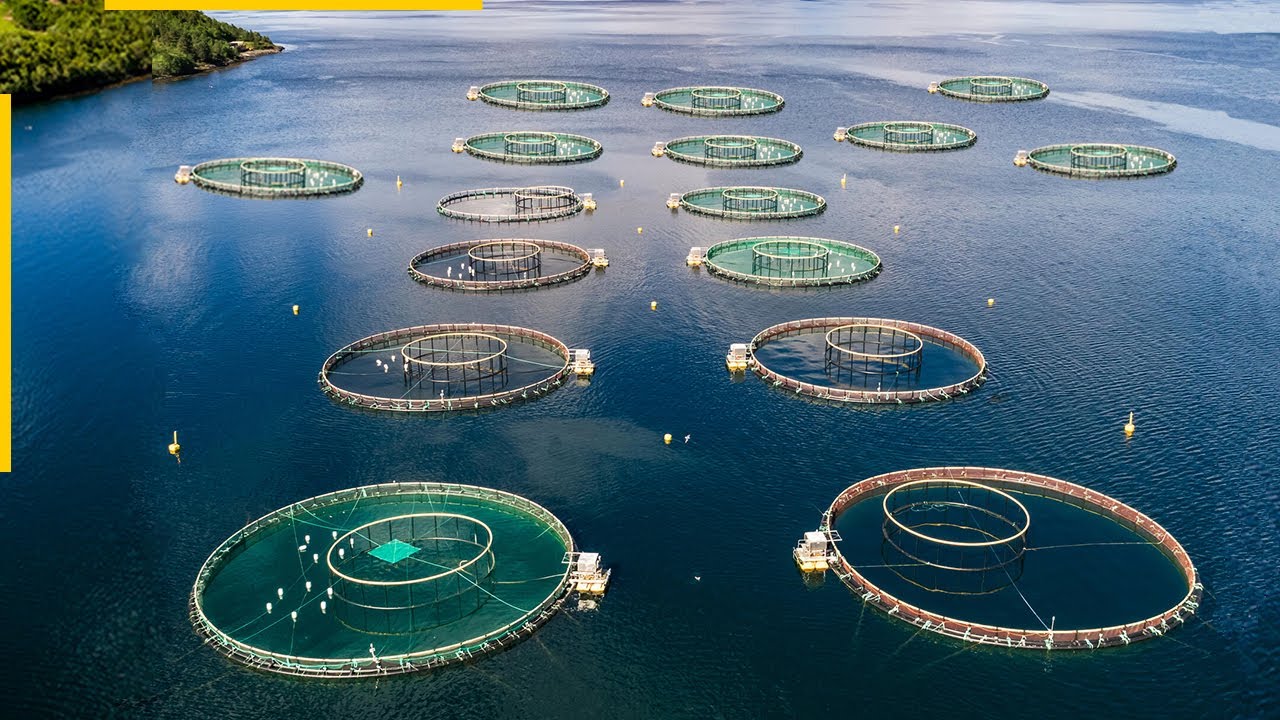


Norway Invests Billions in Offshore Cages Up to 110 Meters, Moves Fish Farming to Open Sea, and Changes the Future of Global Aquaculture.
For decades, global aquaculture has been concentrated in protected coastal areas, fjords, estuaries, and calm water regions. This model allowed for the initial expansion of production but also created environmental bottlenecks, conflicts with local communities, and physical limits that are hard to overcome. Norway, the world’s largest producer of farmed salmon, decided to break this barrier and moved fish farming to a previously unexplored territory: the deep ocean.
In recent years, the Scandinavian country has begun investing billions of dollars in offshore aquaculture projects, with giant structures installed in open sea, many of them over 30 kilometers from the coast, operating in deep waters, with intense waves, strong currents, and extreme weather conditions. This movement is not experimental or symbolic: it is a structural change in how aquatic protein will be produced in the coming decades.
Why Norway Decided to Leave the Fjords and Go to Open Sea
The Norwegian decision arises from a combination of technical, environmental, and economic factors. In the fjords, where salmon production has historically concentrated, the sector is facing clear limitations: environmental pressure, the incidence of parasites like sea lice, conflicts with tourism, and regulatory restrictions on new licenses.
-
The water that almost everyone throws away after cooking potatoes carries nutrients released during the preparation and can be reused to help in the development of plants when used correctly at the base of gardens and pots, at no additional cost and without changing the routine.

-
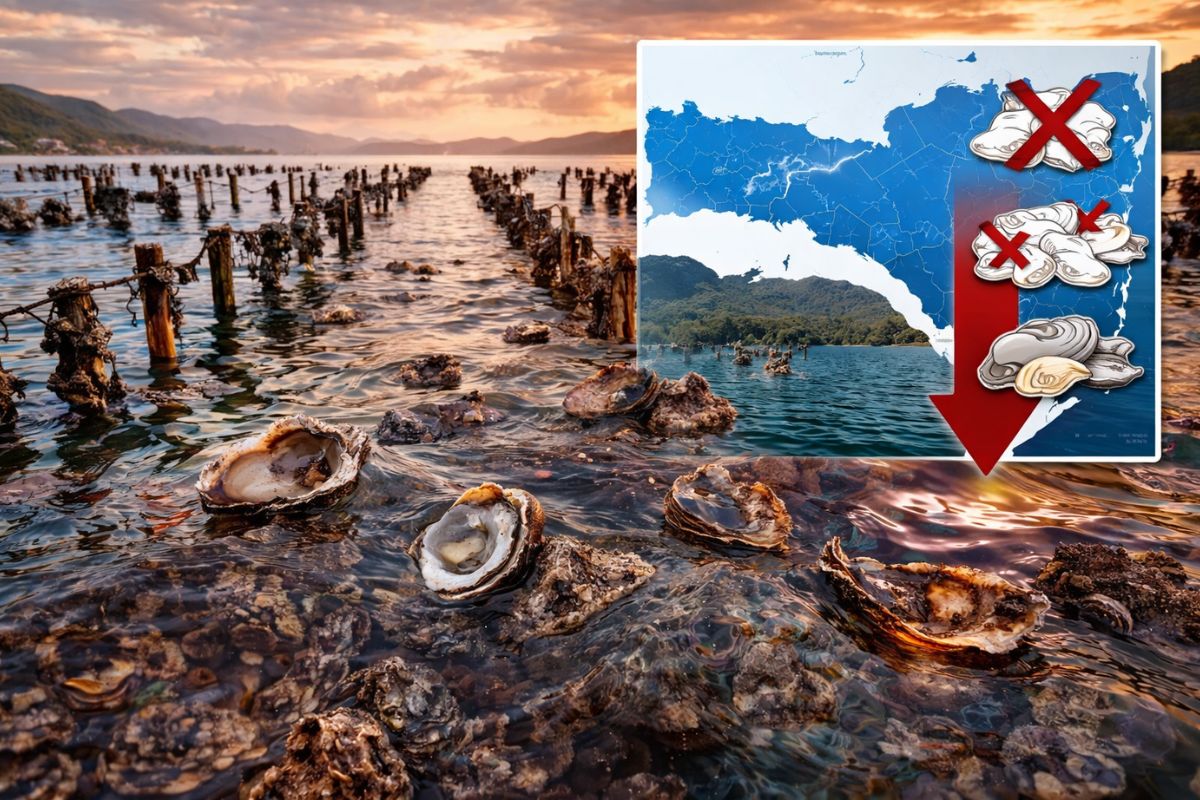
The sea water temperature rose from 28 to 34 degrees in Santa Catarina and killed up to 90% of the oysters: producers who planted over 1 million seeds lost practically everything and say that if it happens again, production is doomed to end.
-
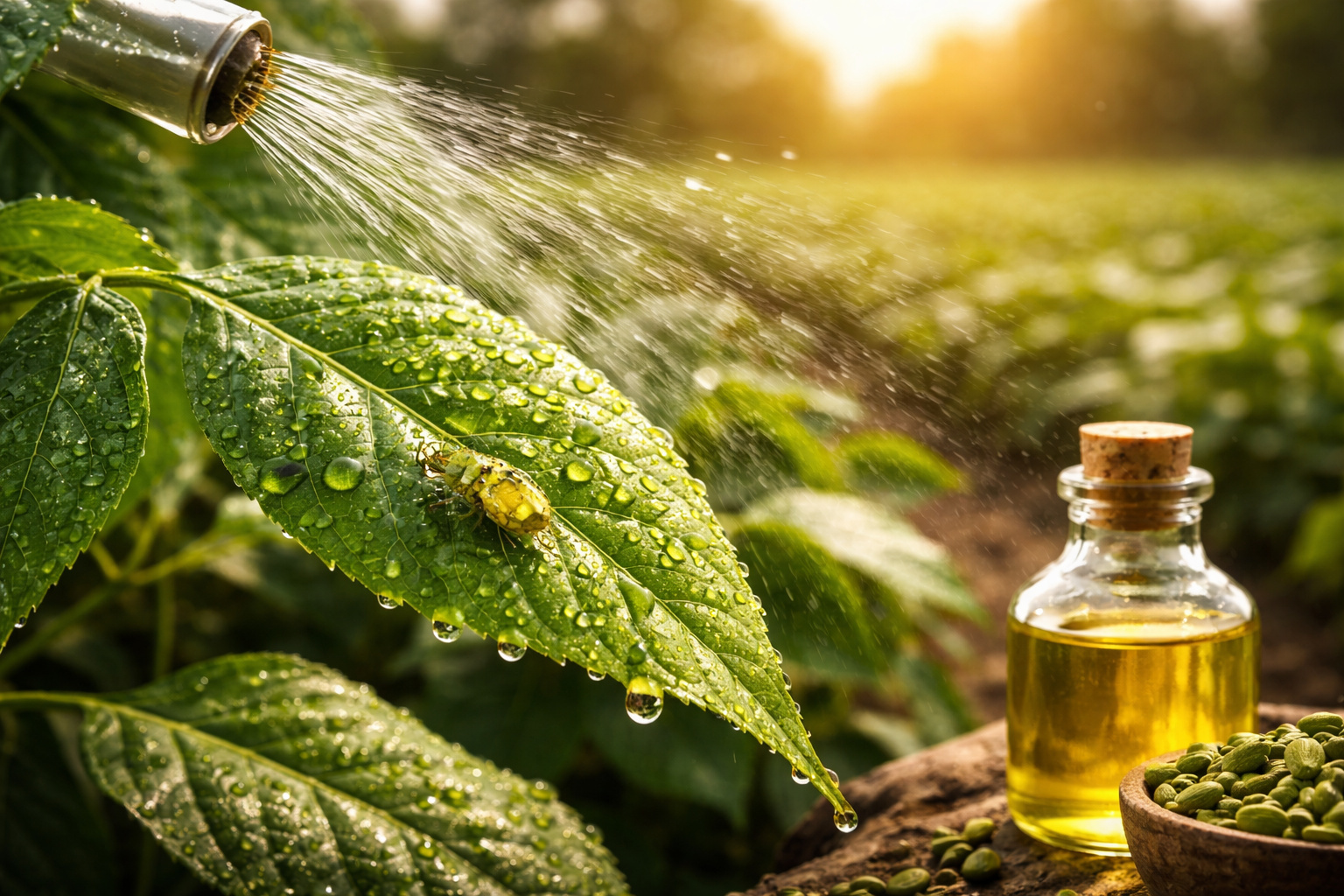
An Indian tree that grows in the Brazilian Northeast produces an oil capable of acting against more than 200 species of pests and interrupting the insect cycle, gaining ground as a natural alternative in soybean, cotton, and vegetable crops.
-
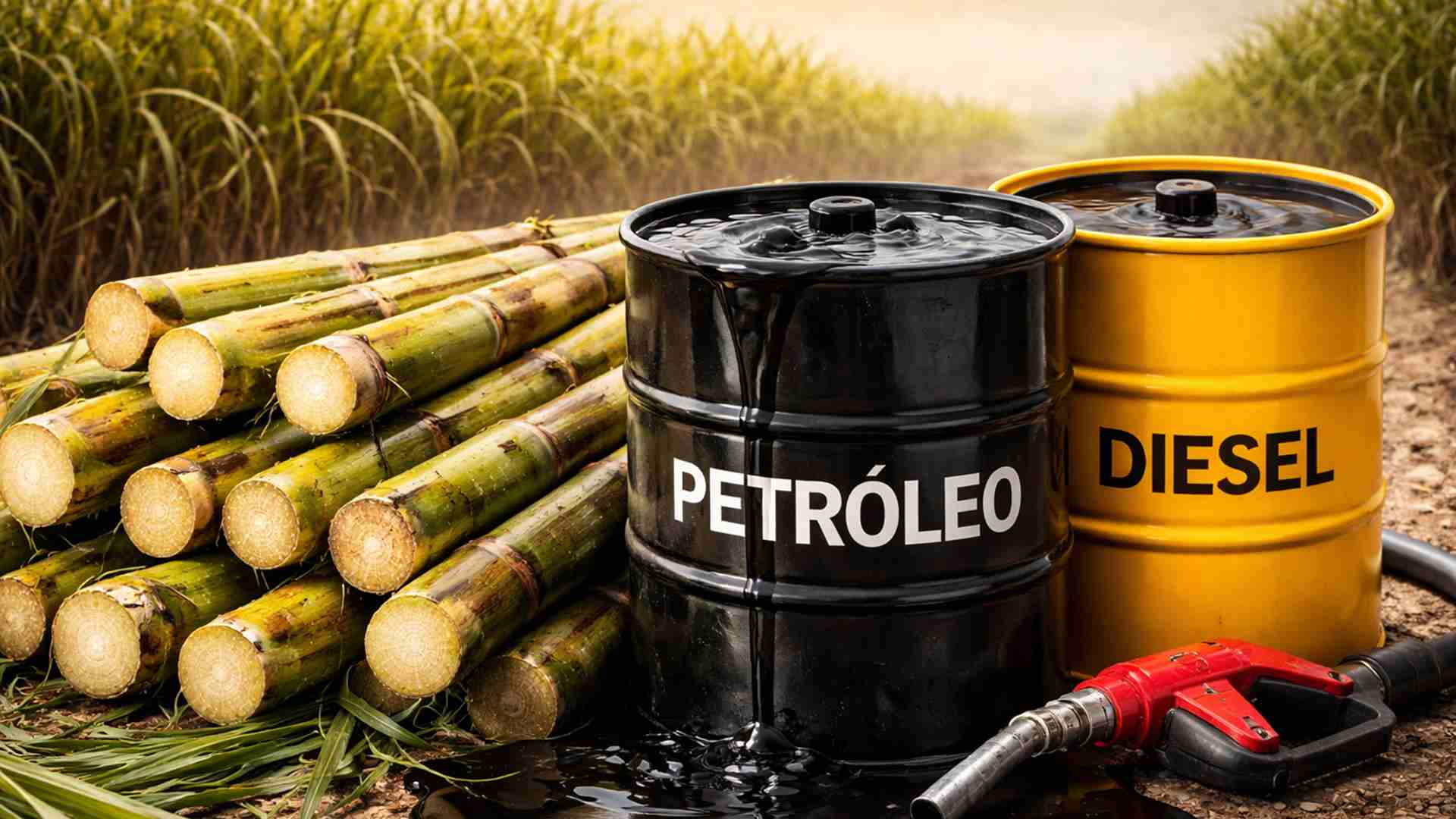
The rise in oil prices in the Middle East is already affecting Brazilian sugar: mills in the Central-South are seeing their margins shrink just as ethanol gains strength.

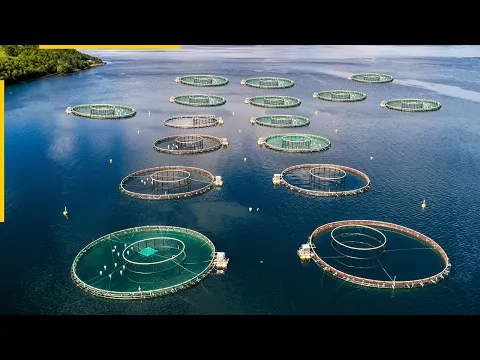

By moving farms to open sea, the country found an environment with greater water renewal, lower concentration of pathogens, and virtually unlimited capacity for expansion.
In offshore areas, ocean currents disperse organic waste much more efficiently, reducing local impacts on the seabed and improving sanitary conditions for fish.
Giant Cages: Structures Up to 110 Meters in Diameter in Open Sea
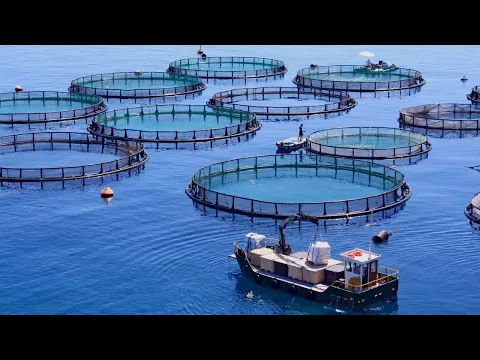
The symbol of this new phase is the giant offshore cages, some with up to 110 meters in diameter, equivalent in height to a multi-story submerged building, with capacity for hundreds of thousands of fish in a single module.
Unlike traditional coastal structures, these cages are designed to withstand waves over 10 meters, intense winds, and permanent ocean currents.
These platforms utilize advanced anchoring systems, real-time sensors, remote monitoring, and feeding automation.
In many cases, operations are monitored by control centers on land, which track oxygen, temperature, current, fish behavior, and structural integrity 24 hours a day.
Deep Sea Production Changes the Sanitary Standard of Aquaculture
One of the biggest technical gains of the offshore model is the significant reduction of diseases and parasites. In open waters, natural dispersion drastically reduces the proliferation of sea lice, one of the biggest problems in global salmon farming.
Furthermore, the depth allows fish to occupy different layers of the water column, something impossible in shallow areas. This improves animal welfare, reduces stress, and contributes to more stable growth rates, with less need for chemical interventions.
Billion-Dollar Investments and Strategic State Support
The transition to offshore would not be possible without massive investments. Norwegian companies in the aquaculture sector, in partnership with shipyards, maritime engineering firms, and investment funds, have directed billions of dollars towards the development of these structures.
The Norwegian government played a central role in creating special licenses for offshore aquaculture, allowing pilot projects on an industrial scale. Unlike experimental initiatives, these licenses already foresee significant production volumes, indicating that the country sees the open sea as the next definitive frontier of aquaculture.
Production Capacity and Global Impact on the Fish Market
Each offshore megacage can produce thousands of tons of fish per cycle, which, on a large scale, represents a huge leap in the global supply of aquatic protein. Norway, already among the world’s largest seafood exporters, sees this model as an opportunity to expand its production without putting pressure on sensitive coastal areas.
With global demand for protein growing and natural fish stocks under pressure, offshore aquaculture emerges as a strategic alternative to ensure large-scale supply, with less relative environmental impact.
Maritime Technology and Convergence with the Oil and Gas Industry
Interestingly, much of the know-how used in offshore megafarms comes from Norway’s own industrial history.
The country is a world leader in deep-water oil and gas platforms, and this experience has been transferred to aquaculture.
Anchoring systems, corrosion-resistant materials, advanced naval engineering, and remote operation are technologies adapted directly from the energy sector. This convergence transformed aquaculture into a new branch of the high-tech maritime industry.
The Domino Effect: Other Countries Observe and Study the Model
The Norwegian advancement is being closely monitored by countries like Canada, Scotland, Japan, and Australia. All face similar challenges: environmental pressure on coasts and increasing demand for seafood.
By proving that offshore aquaculture is technically viable and economically scalable, Norway may redefine the global map of fish production, shifting a significant portion of the activity to ocean areas that have been underutilized.
A Structural Change in How to Produce Protein in the World
More than a one-off innovation, offshore megafarms represent a paradigm shift. Aquaculture moves from being an activity limited to bays and fjords to occupying the open ocean, with an industrial scale comparable to that of large land-based animal protein plants.
If the model consolidates, the impact will be global: new production hubs, reduced pressure on coastal ecosystems, and a new chapter in the history of aquatic food production.










Ridículo. Aprisionando animais ainda mais. Ser humano não tem limites.
As “jaulas” têm diâmetro de 110m.
E qual a a*ltura* delas ?
What about micro-plastics?