





 Portuguese
  English
  Spanish
  6 min of reading
  0 comments


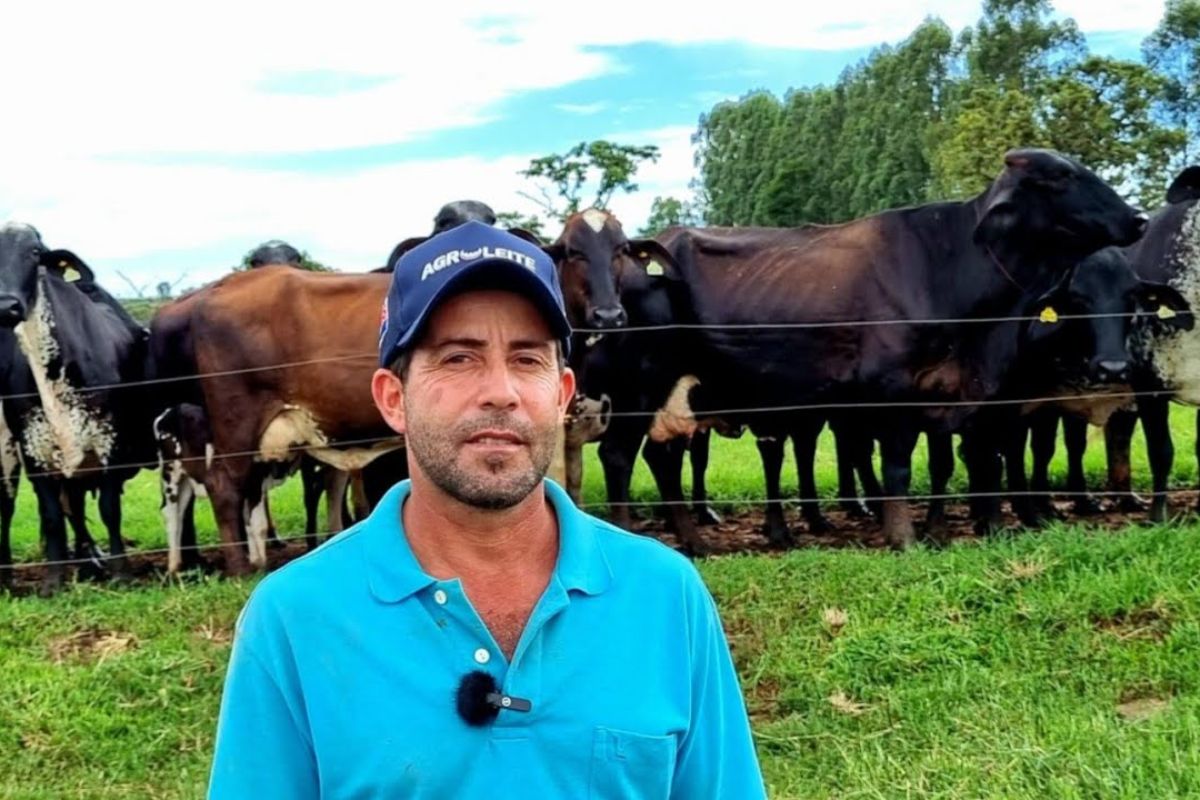
On The Farm In Minas, Continuous Irrigation, Rotating Paddocks, Irrigated Pasture, And The Use Of Citrus Pulp, Feed, And Discard Planning Allow For The Maintenance Of 58 Lactating Cows, Guarantee 1,200 Liters Daily, And Stability To The Herd Year Round With Assisted Reproductive Management, Mechanical Milking, Quality Water, And A Routine Without Time Off
The farm in Minas portrayed in this story does not rely on chance. The result of 1,200 liters of milk per day with only 58 lactating cows is the result of a rare combination of well-planned irrigation, rotating paddocks, finely tuned nutrition, and strict health control. In a relatively small area, the herd remains stable, productive, and with green pasture year-round.
Behind this routine is the rural worker Rogelmo, along with his wife, managing the daily tasks of a farm in Minas that has invested in infrastructure, but primarily in method. The owner Matheus continues the legacy of his father, the late Veinho, who started the dairy farming in the family. Today, the combination of tradition, simple technology, and discipline makes the property a concrete case of high milk production in irrigated and well-managed land.
Routine That Begins Before Sunrise And Ends With The Barn Cleaned

The clock of the farm in Minas revolves around milk. The first milking begins around 4 a.m.
-
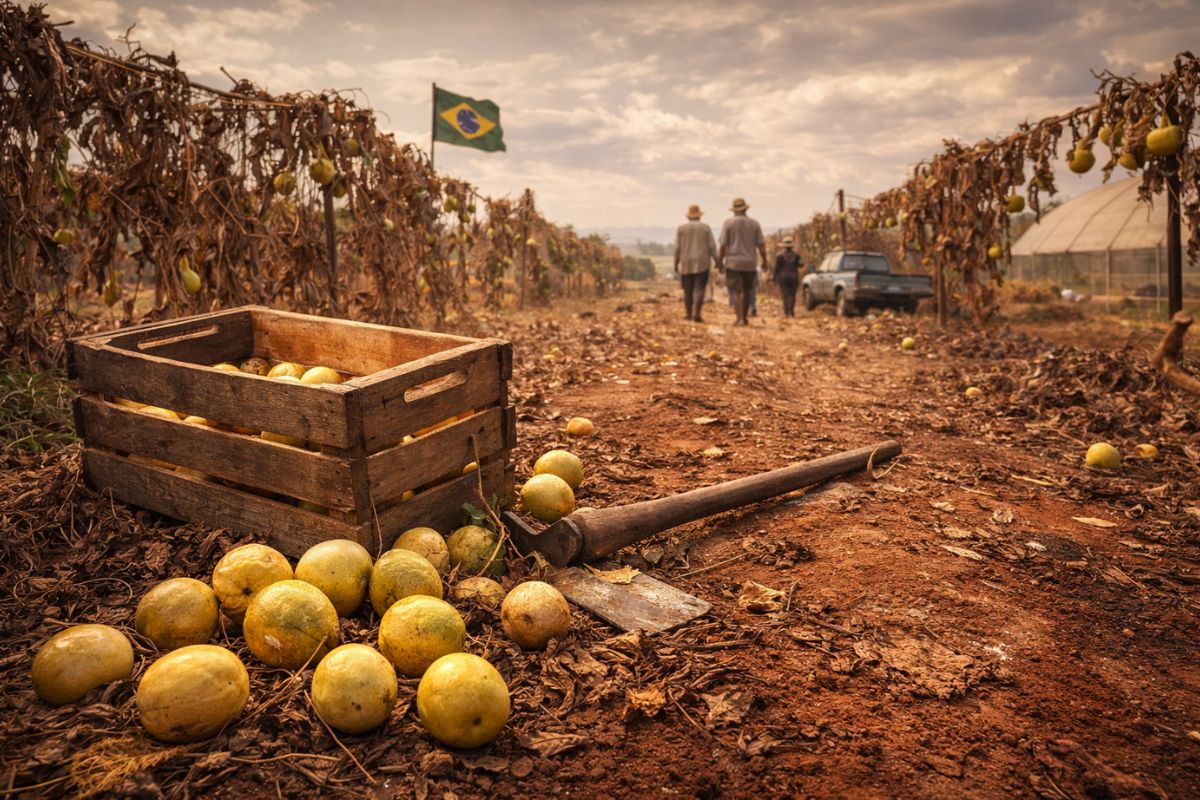
From 130 producers in the year 2000 to just 15 today: the dramatic decline of passion fruit in Araguari shows how the lack of labor in the Brazilian countryside is killing a decades-old agricultural tradition, even with Brazil being the largest producer in the world.
-
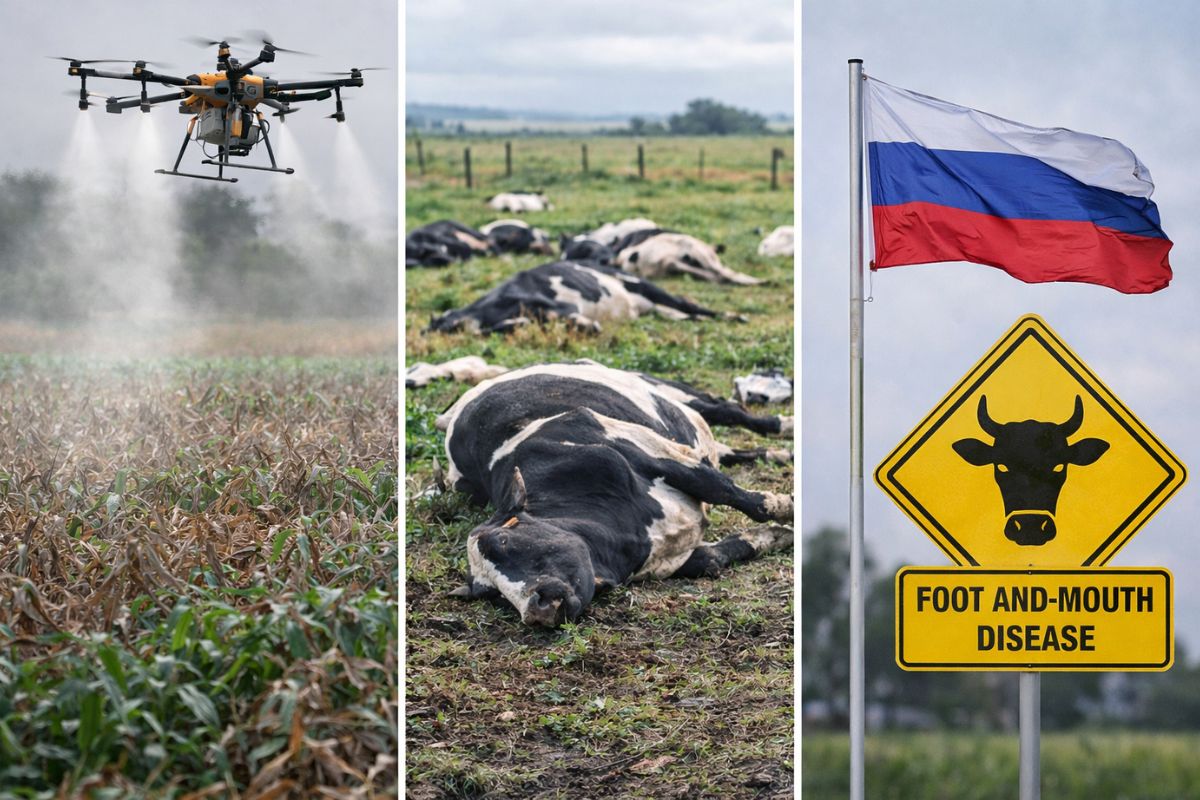
Agricultural drone sprayed poison into the air and destroyed the neighbor’s crops, causing 1 million in damages; 48 cows died from nitrite poisoning in the pasture, and Russia is hiding a possible outbreak of foot-and-mouth disease: the week was brutal for the rural sector.
-
Russia cut fertilizers, China cut fertilizers, and oil prices soared with the war in the Middle East: sugarcane producers in the interior of São Paulo are seeing costs explode from all sides and warn that the effects will take months to be absorbed.

-
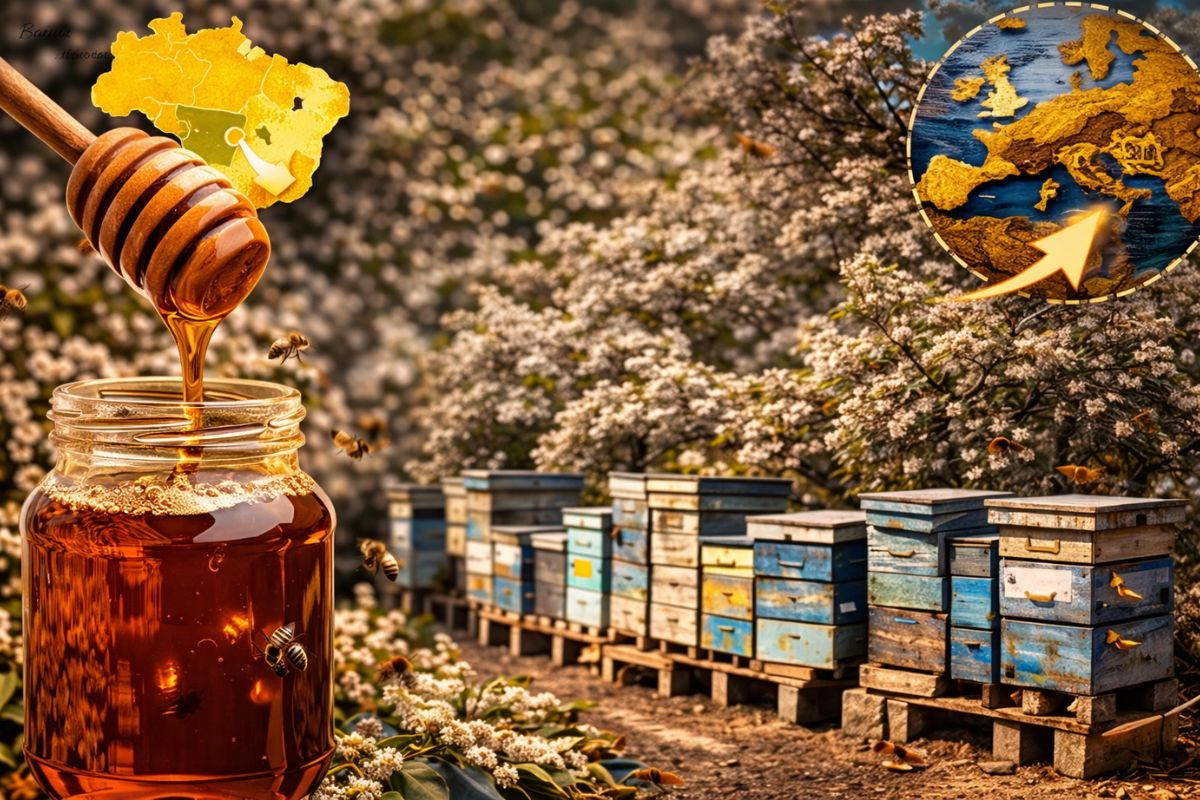
It does not come from flowers, is produced only every two years, and more than 90% goes straight to Europe: meet the bracatinga honeydew honey from Santa Catarina, considered one of the rarest in the world and overlooked by Brazil itself.

For about two hours, Rogelmo and his wife handle, separate, prepare, and milk the cows, without extra help. The same sequence repeats in the afternoon, starting around 2:30 p.m.
Between milkings, work doesn’t stop.
There is paddock management, care for the calves, water checks, cleaning of facilities, and attention to the tank, which stores about 1,200 liters daily for collection on alternate days by the cooperative.
The heavy routine is supported by a key point: standardized processes, which prevent improvisation and reduce the risk of failures in herd management.
Irrigation Year Round And Rotating Paddocks In Controlled Rotation

One of the differentiators of the farm in Minas is the irrigation in all paddocks. There are about 36 irrigated paddocks, divided into sectors, with automatic programming.
The pump is activated in the late afternoon and travels through the sectors during the night, turning off in the morning after completing the cycle.
This system ensures green pasture throughout the year, even during the dry season.
The rotation is planned so that each lot of cows stays only a few days in each paddock, returning to the same spot only after the grass recovers.
On average, the resting period for areas ranges from two to three weeks, depending on grass growth and weather conditions.
With constant irrigation, fertilization through the water system, and control of trampling, the grass remains tall, dense, and nutritious.
This strategy allows concentrating 58 lactating cows, plus heifers, young stock, and dry cows in a relatively compact area, without a sharp drop in forage availability, reinforcing the role of the farm in Minas as an example of intensive land use.
Nutrition Adjusted: Feed, Citrus Pulp, And Cow Control
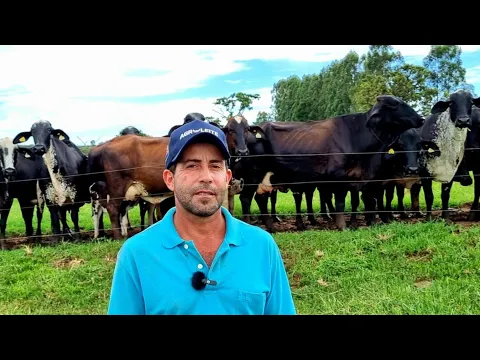

In the trough, the performance of the farm in Minas relies on another pillar: well-calculated nutrition.
The cows receive concentrate feed and citrus pulp, adjusted by individual production.
The highest-producing cows can consume about 8 kilos of feed per day, while cows with lower milk volumes receive around 4 kilos, always associated with citrus pulp and irrigated pasture.
During milking, the feed is distributed in individual troughs, and each cow is identified by bands around the neck, indicating the level of production.
Nobody is relying on guesswork: periodically, the milk is measured per animal, and based on this data, the amounts of concentrate are recalibrated.
This avoids both waste of inputs and underfeeding of high-potential cows.
The citrus pulp is stored in bulk in a protected structure, shielded from moisture, and forms the energy base of the herd.
Combined with pasture management, this combination allows maintaining an average of approximately 1,200 liters daily with the 58 lactating cows, consolidating the farm in Minas as an intensive system with high area utilization.
Reproduction, Health, And Technical Discard As Strategy
Reproduction at the farm in Minas combines the use of Nelore bulls with artificial insemination and reproductive protocols.
The bull stays with the herd of cows, and the veterinarian visits the property periodically for pregnancy diagnosis.
Empty cows enter hormonal protocols and insemination, increasing the chances of conception and reducing the intervals between calvings.
In health, the routine includes cup testing every morning for early detection of mastitis.
When there is a change in the milk, the producer starts treatment, sanitizes the equipment, and isolates the problem to avoid compromising the tank.
After milking, the udder receives post-dipping with a disinfectant solution, a simple measure that reduces the incidence of infections.
Discard is also handled strategically.
Cows with persistently low production below a certain level, chronic udder problems, severe mastitis, or compromised fertility are placed on the discard list and sent for slaughter.
This technical definition keeps the herd younger, functional, and with a better cost-production ratio, which is central to the competitiveness of the farm in Minas.
Calves, Heifers, And Successor Of The Productive Herd
The replacement herd is managed from an early age with a focus on future productivity.
Calves receive specific feed and citrus pulp, in addition to daily access to paddocks with irrigated grass.
In some cases, the system allows the calf to stay with the cow in the first months, with controlled consumption to avoid diarrhea and performance losses.
Heifers of better genetics, especially those from artificial insemination, are raised on the farm in Minas, occupying specific paddocks and maintaining appropriate weight gain until their first breeding.
Upon entering lactation, many of these heifers already reach volumes close to or exceeding those of older cows, refeeding the cycle of high production on the property.
People, Legacy, And Management: The Other Side Of Productivity
Behind the numbers, the farm in Minas relies on people. Rogelmo, raised in the countryside, has always worked in the field.
Today, alongside his wife, he takes on almost the entire daily routine of barn, paddocks, feeding, and maintenance.
There are few days off, the hours are long, but the organization of work allows them to manage the structure with a lean team.
On the management side, Matheus continues the project started by his father, Veinho, maintaining investments in irrigation, mechanical milking, fertilization, and water infrastructure.
This alignment between owner and rural worker reduces noise and ensures that technical decisions are implemented consistently, consolidating the farm in Minas as a professional operation, even in a family environment.
What This Farm In Minas Teaches Other Producers
The case of this farm in Minas shows that high milk production does not only depend on large areas or sophisticated structures.
What sustains the 1,200 liters daily with 58 cows is the combination of irrigated and well-managed pasture, nutrition adjusted per animal, monitored reproduction, overseen health, and discipline in the routine.
In a scenario of high costs and unstable milk prices, properties that can extract more liters per cow and per hectare, with loss control and technical discard, are ahead.
The example of this farm indicates that planning, heavy routine, and firm hands can transform seemingly simple production systems into high-performance operations.
In your opinion, what is today the biggest challenge for a dairy farm to achieve results similar to those of this farm in Minas: pasture, labor, cost management, or discipline in daily routine?









-

-

-

-

-

-

25 pessoas reagiram a isso.