





 Portuguese
  English
  Spanish
  5 min of reading
  1 comment


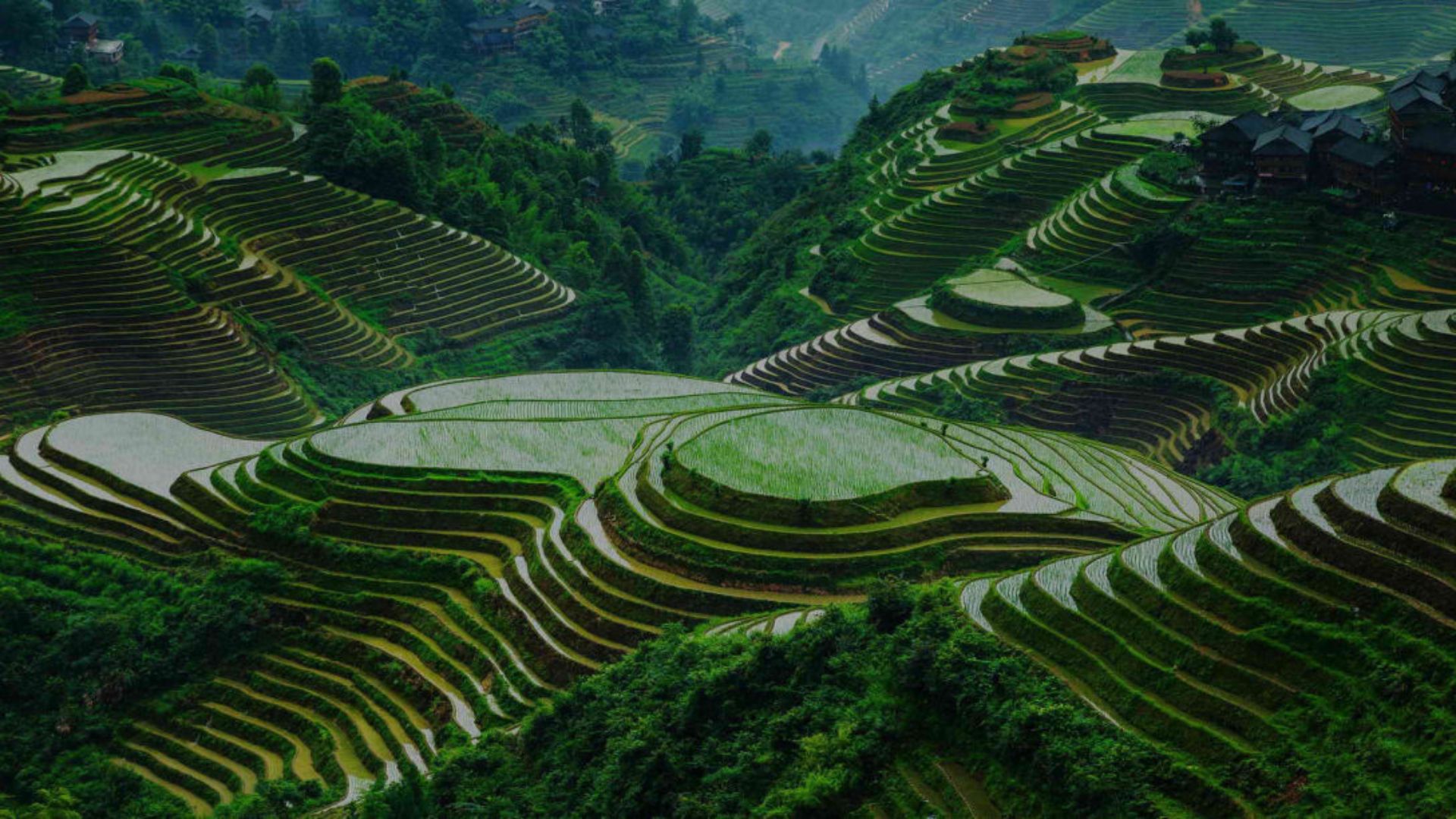


Chinese Rice Production Drives Technology, Vast Irrigated Areas, and an Agricultural System That Influences Global Markets, Attracts the Attention of Experts, and Redefines Productivity Standards.
China has established itself as the world’s largest rice producer, accounting for nearly 30% of global rice production, with around 200 million tons of paddy rice per year.
In 2023, international official data indicates Chinese production of about 208 million tons of paddy rice, while global rice production was close to 800 million tons in the same comparison.
India, Indonesia, Bangladesh, and Vietnam complete the list of the largest producers, but no individual country matches China’s volume.
-
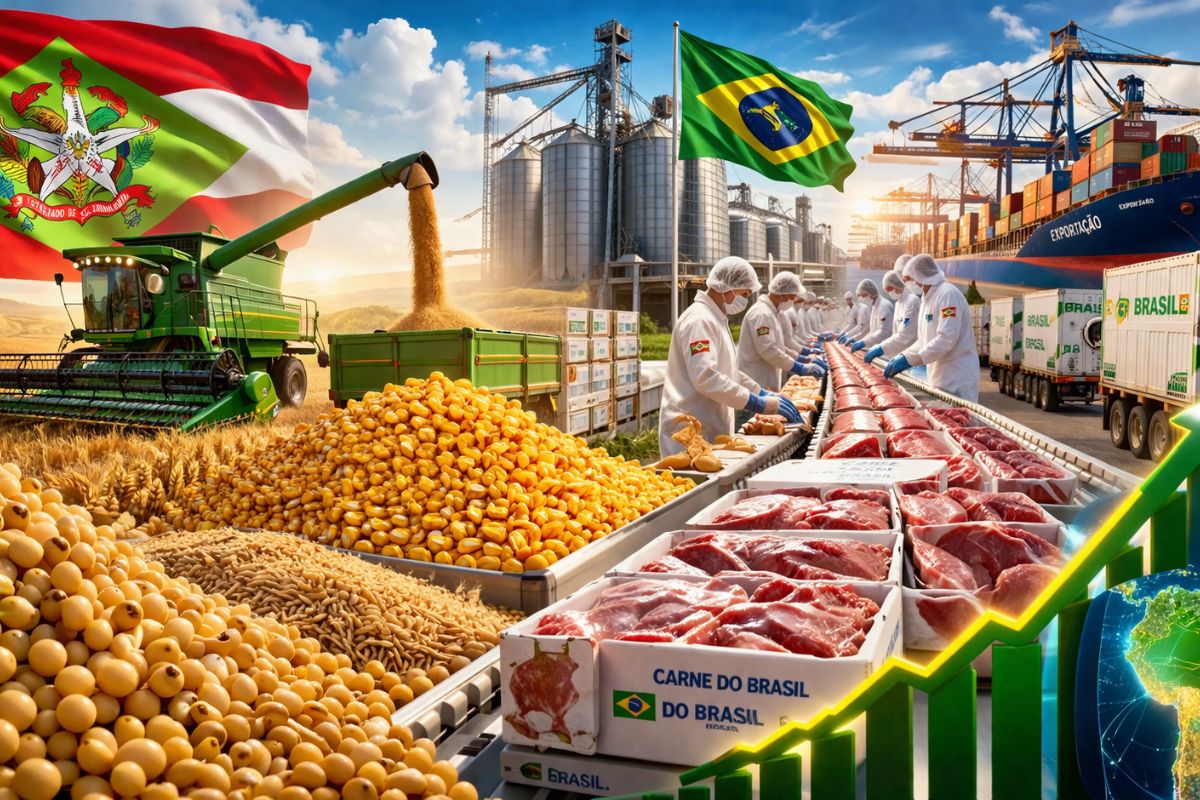
Santa Catarina harvested 7.85 million tons of grains and exported 2 million tons of meat in 2025: a growth of almost 6% in the food industry, which is four times higher than the national average and drives the entire Brazil.
-
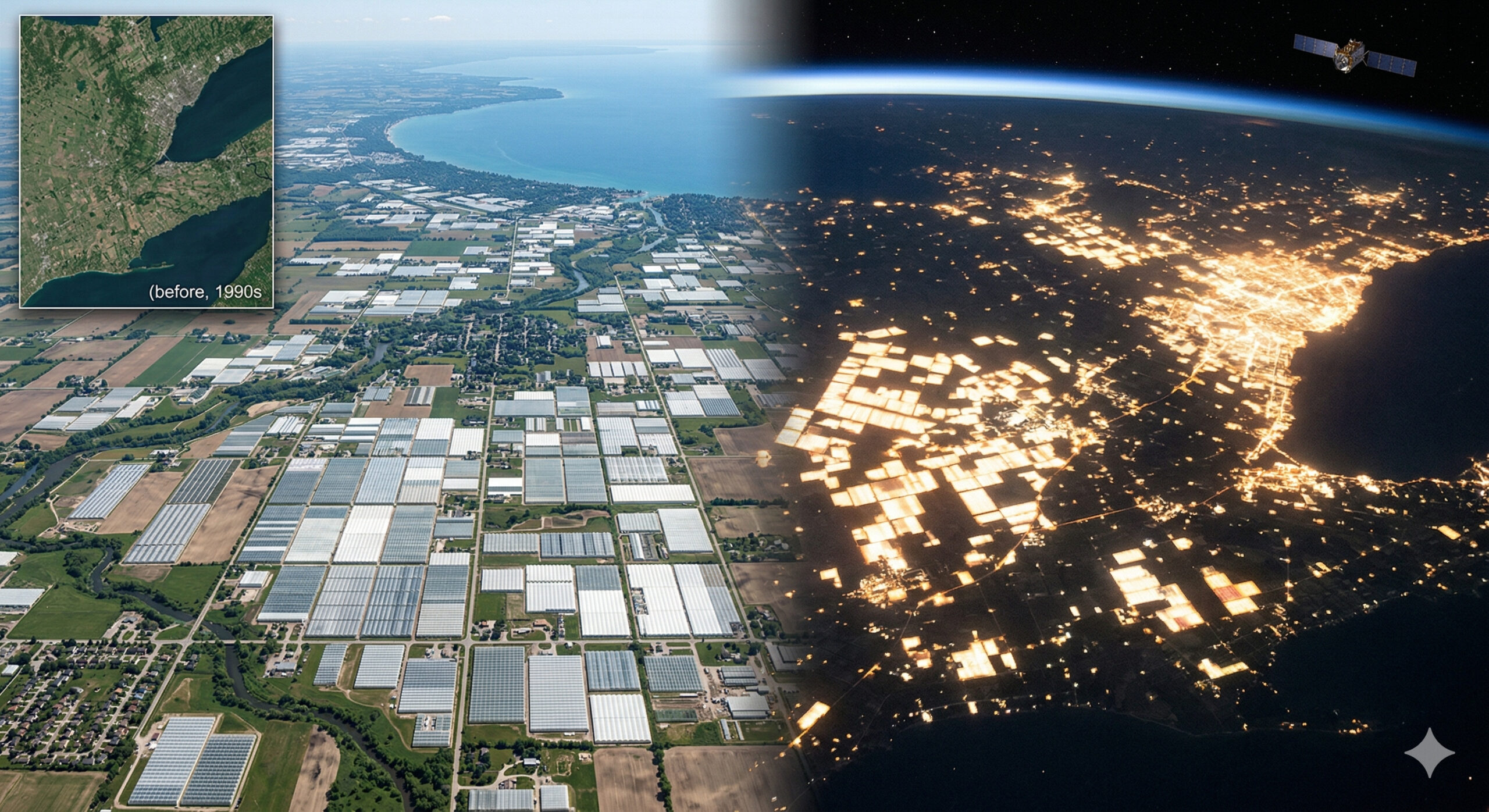
The expansion of greenhouses in southern Canada has become so intense that it has changed the appearance of the soil and even the nighttime glow of the region, transforming Ontario into one of the most visible agricultural hubs in North America from space.
-
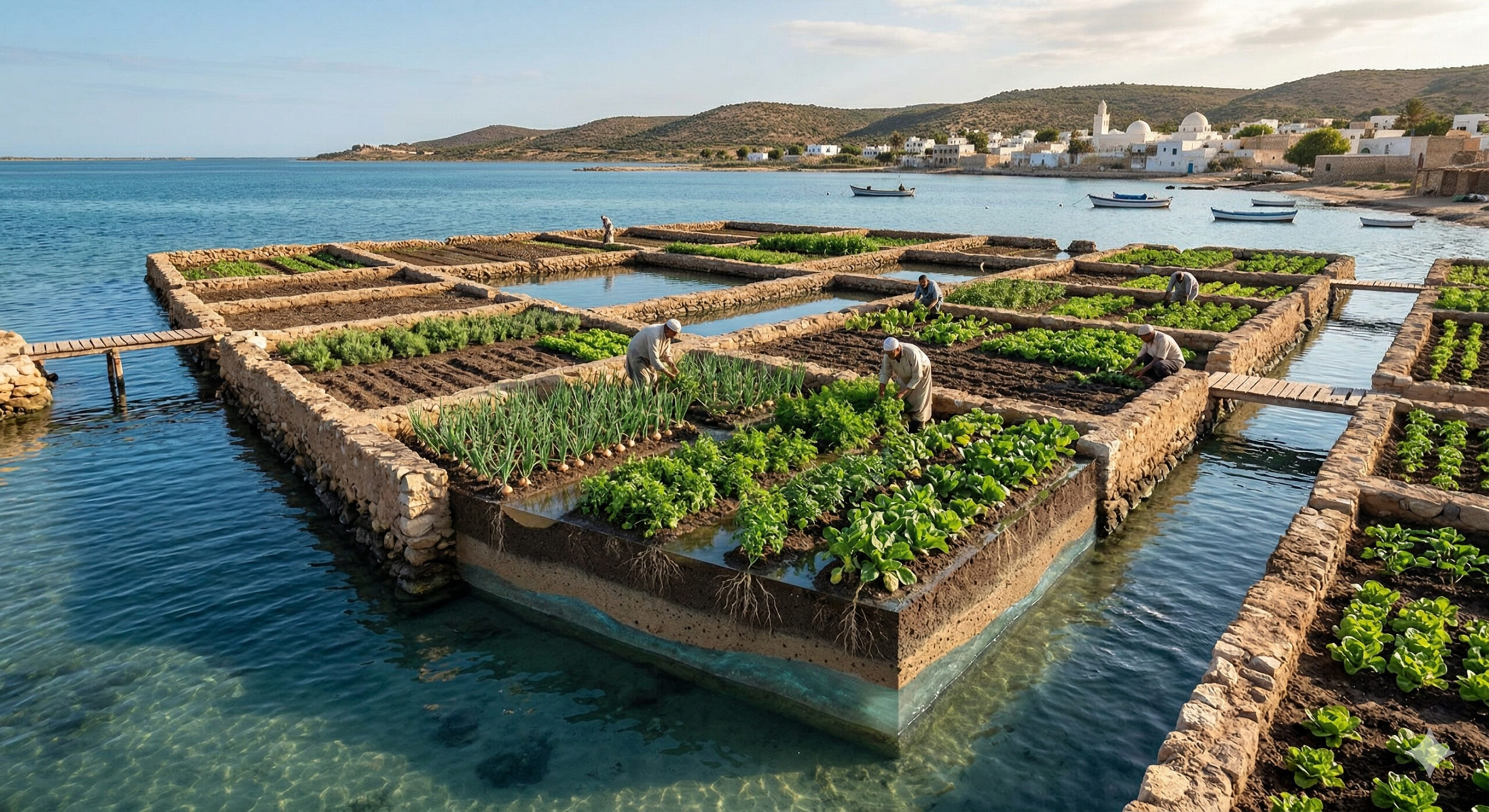
Almost nobody imagines it, but farmers in Tunisia grow food in the sand and make the roots drink fresh water that floats on top of seawater in an agricultural system considered unique in the world.
-
More than 20,000 km² of wheat fields form nearly perfect lines and geometric shapes in Montana, creating an agricultural pattern so symmetrical that the landscape looks like an abstract artwork visible from space.


Although China is not the largest rice exporter – a position held by India – the country is simultaneously the main producer and the largest global consumer.
The combination of large cultivated areas, cutting-edge technology, and incentive policies results in more than a quarter of the rice harvested in the world coming from Chinese farms, even though most of this volume remains within its own borders.
Producing Regions and Chinese Agricultural Structure

Production areas spread across different regions, particularly in the provinces of Hunan, Jiangxi, Hubei, Anhui, and Heilongjiang, as well as extensive plains along the Yangtze River, the historical cradle of rice cultivation in the country.
In these regions, large state-owned groups and cooperatives operate continuous planting blocks covering tens of thousands of hectares.
In Heilongjiang, in the northeast, the state conglomerate Beidahuang manages about 2 to 3 million hectares of cultivated land, much of it dedicated to high-yield irrigated rice.
Agricultural Technology and the Use of AI, Sensors, and Satellites
It is in this environment that China has been transforming part of its agricultural areas into true open-air laboratories of digital agriculture.
Satellite monitoring systems, especially from the Chinese constellation Gaofen, provide high-resolution images capable of tracking crop development, estimating yields, and identifying areas with water stress or planting failures.
The information feeds platforms that cross-reference climate, soil, and management data to guide decisions in almost real-time.
At the farm level, digitization deepens.
Sensors installed at strategic points in irrigated areas measure moisture, soil temperature, and electrical conductivity, allowing inferences about nutrient levels and salinity.
These readings integrate with automatic weather stations and management software that plan irrigation and fertilization based on artificial intelligence models.

Agricultural Drones and Heavy Mechanization
Over the crops, there is an increasing contingent of agricultural drones.
Recent estimates indicate that China has surpassed the mark of hundreds of thousands of drones in use in the field, placing it at the forefront globally in agriculture with unmanned aerial vehicles.
Companies like the Chinese XAG, one of the world’s largest manufacturers of agricultural drones, provide equipment for direct seeding, pesticide spraying, and localized fertilizer application.
Heavy mechanization completes the picture.
Modern harvesters, equipped with satellite navigation systems – using both the BeiDou system, a Chinese system, and GPS signals – operate with centimeter precision in irrigated rice areas.
These machines can harvest large areas in a short time, reducing losses and accelerating the production cycle.
Storage and Reduced Losses
Post-harvest infrastructure has also undergone rapid modernization.
Chinese grain warehouses and silos have been adopting automated systems for temperature and humidity control, with ventilation and aeration controlled by algorithms.
In modern facilities, the Chinese government and state-owned enterprises claim to work with loss rates of stored grains close to 1%, well below the levels observed in many developing countries.
Advanced Research and Super-Hybrid Varieties
Alongside physical infrastructure, China maintains a strong effort in genetic research and improvement.
Hybrid rice programs initiated in the 1960s led to the introduction of varieties with yields significantly above the global average.
In 2014, the super-hybrid variety Y Liangyou 900 reached about 15.4 tons per hectare in a demonstration area in Hunan province.
Since then, research on hybrids and more efficient cultivars continues to advance.
Institutions such as the China National Rice Research Institute, affiliated with the Chinese Academy of Agricultural Sciences (CAAS), lead genetic and management studies in partnership with universities and international centers.


Brazilian Landscape and Productivity Challenges
Meanwhile, Brazil is trying to sustain its production in a scenario of smaller cultivated area.
According to Conab, Brazilian rice production in the 2023/24 crop season was around 10.6 million tons, with an average productivity of 6.5 to 6.6 tons per hectare.
In the 2024/25 crop season, the projection is an increase to about 12.3 million tons, driven by higher productivity.
In Rio Grande do Sul, productivity often exceeds the national average, reaching about 8 tons per hectare in favorable years.
Despite this, levels of automation and digitization advance unevenly, and many regions still face challenges related to connectivity and technology costs.
Brazilian Imports and International Influence
On the import side, Brazil increased purchases in years of climatic difficulties.
In 2023, the country imported about 1.03 million tons of rice.
In 2024, following floods in Rio Grande do Sul, external purchases reached about 1.49 million tons, concentrated between Paraguay and Argentina.
In the global market, large exporters determine prices, especially India, Vietnam, and Thailand.
China, despite producing a lot, exports little and keeps most of the volume for domestic consumption.
Recent estimates suggest that the country holds around 60% of global rice stocks, reinforcing Chinese food security.
Compared to this scenario of mega-investments, intensive research, and increasing automation in China, Brazil is still advancing at a slower pace.
There are centers of excellence, but the adoption of sensors, connectivity, AI, and drones is still limited by cost, credit, and infrastructure.
In light of this accelerated transformation of rice worldwide, the question gaining traction is: to what extent is Brazil willing to invest in technology and productive organization to reduce its dependence on such a strategic food, increasingly shaped by Asian dynamics?







INVEJA MESMO BRASIL. NOSSO PAÍS, DESDE QUE EU ERA ADOLESCENTE, OUVIA FALAR QUE O BRASIL SERIA O CELEIRO DO MUNDO. DÉCADAS DEPOIS, AINDA NÃO CONSEGUIU ESSE TÍTULO, E AGORA VÊ A CHINA NOS AMEAÇANDO.