





 Portuguese
  English
  Spanish
  5 min of reading
  10 comments


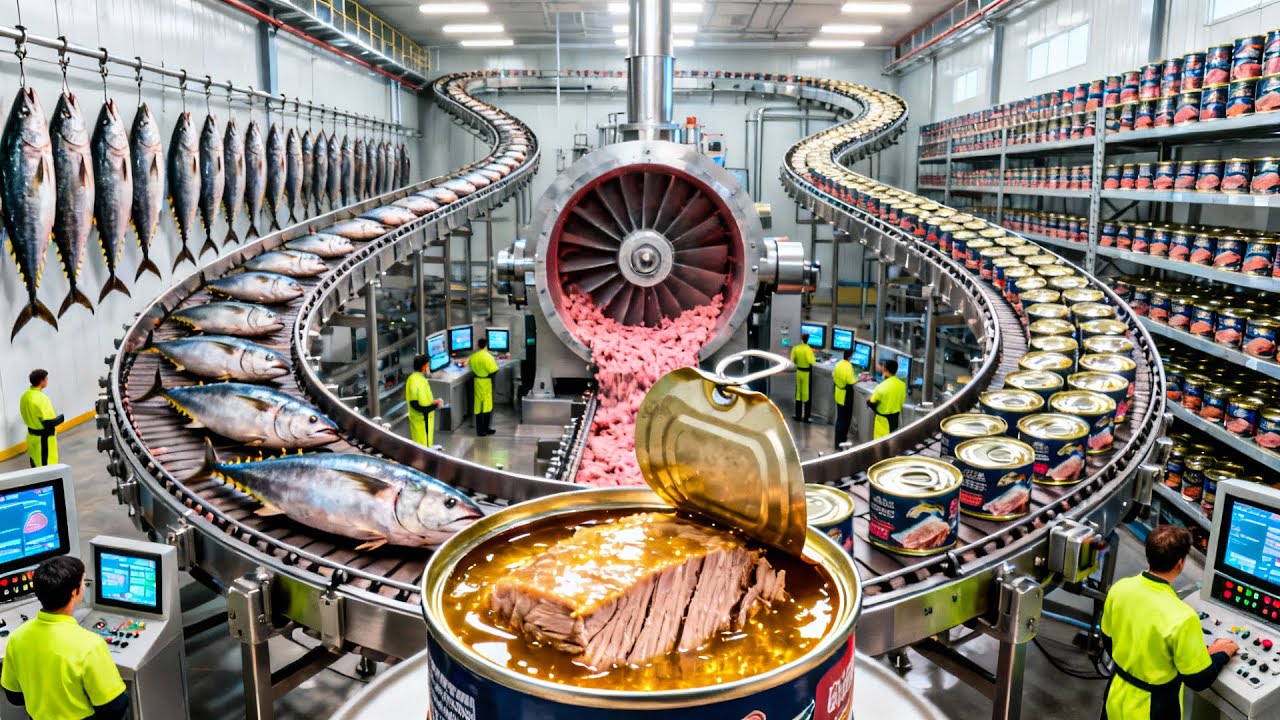


With More Than 1 Million Tons Captured Annually, Indonesia Leads 15% of Global Tuna Production and Establishes Itself as the World’s Largest Fishing Power.
Tuna fishing is one of the most competitive and strategic economic activities in the global food sector. Among dozens of countries competing for stocks, markets, and ocean routes, none stands out as much as Indonesia. The archipelago, made up of over 17,000 islands, has become the world’s largest producer of tuna, accounting for about 1 million to 1.1 million tons per year and concentrating approximately 15% of global production of species such as skipjack, yellowfin, and bigeye.
This dominance is no accident: it is the result of an extraordinary combination of geography, marine biodiversity, fishing traditions, and industrial expansion. While other nations depend on specific fishing zones and long capture routes, Indonesia operates over one of the largest and richest ocean areas in the world, positioned between the Pacific and Indian Oceans, two of the most abundant tuna nurseries in the history of global fishing.
The Most Productive Waters on the Planet: The Geographic Factor That Propelled Indonesia to the Top
Indonesia has one of the largest coastlines in the world, with hundreds of thousands of square kilometers of incredibly rich maritime zones. The meeting of deep ocean currents, warm waters, and upwelling areas creates a perfect ecosystem for high-value commercial tuna species.
-
The water that almost everyone throws away after cooking potatoes carries nutrients released during the preparation and can be reused to help in the development of plants when used correctly at the base of gardens and pots, at no additional cost and without changing the routine.

-
The sea water temperature rose from 28 to 34 degrees in Santa Catarina and killed up to 90% of the oysters: producers who planted over 1 million seeds lost practically everything and say that if it happens again, production is doomed to end.

-
An Indian tree that grows in the Brazilian Northeast produces an oil capable of acting against more than 200 species of pests and interrupting the insect cycle, gaining ground as a natural alternative in soybean, cotton, and vegetable crops.

-
The rise in oil prices in the Middle East is already affecting Brazilian sugar: mills in the Central-South are seeing their margins shrink just as ethanol gains strength.


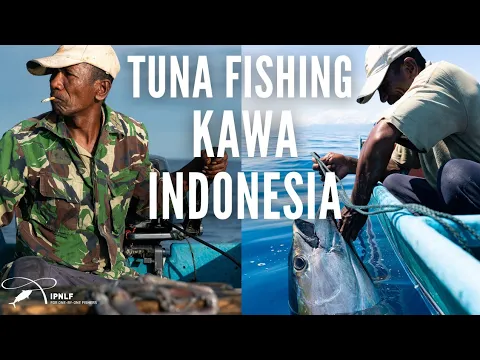

In this environment, species such as skipjack (the most abundant in the world), yellowfin, bigeye, and western bluefin find favorable conditions for reproduction and rapid growth. Few countries on the planet have such naturally favorable areas for fishing these species and this differential has allowed Indonesia to create a continuous fishing industry, capable of supplying global markets year-round.
Unlike some nations that rely on international waters for industrial fishing, much of Indonesia’s catch occurs within its own Exclusive Economic Zone, which strengthens its autonomy and reduces operational costs.
The Structure That Supports the Power: Thousands of Vessels, Artisanal Fishing, and Integrated Industry
Indonesia’s strength in the global market comes from the diversity of its fishing fleet. The country operates:
• large industrial vessels
• mid-sized boats for purse seine and longline fishing
• thousands of artisanal vessels operated by traditional fishermen
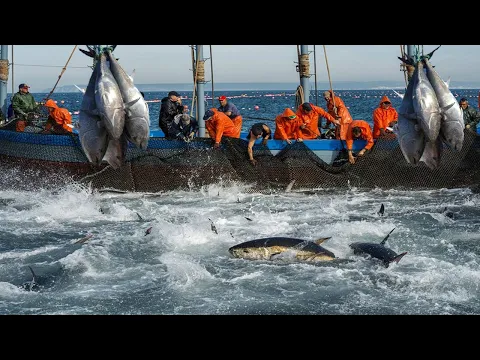
This combination creates a rare integrated supply chain in the global fishing sector. The skipjack, for example, a fundamental species in global canned production, is widely caught using traditional methods such as pole-and-line and handline, techniques internationally recognized for reducing bycatch and environmental impacts.
On the other hand, species such as yellowfin supply both domestic markets and export industries that sell to Japan, the European Union, the United States, and the Middle East.
This combined network — artisanal and industrial — allows the country to maintain a continuous and diversified flow of fish, consolidating an annual volume difficult to match by other industry powers.
Indonesia: The Logistics Hub Supplying the World with Fresh, Frozen, and Processed Tuna
The value chain of Indonesian tuna does not stop at capture. The country has become an industrial hub capable of processing tons of fish daily in different formats, including:
• fresh tuna for air export
• frozen fillets and portions for Asian and European markets
• frozen cooked tuna (loins), a raw material for factories in Thailand and Spain
• value-added products, such as canned goods and preserves
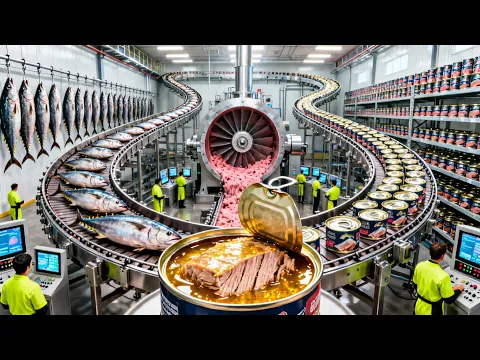
This model strengthens the archipelago as a global supplier of both raw materials and semi-finished products. In many cases, canned goods sold as “Thai origin” use tuna captured in Indonesia, reinforcing the country’s role as a base for the international production chain.
Moreover, the strategic location between two major trade routes facilitates exports by cargo ships and expands global supply capacity.
Sustainability and Control: The Quest to Maintain Leadership Without Depleting Stocks
Becoming the world’s largest tuna producer places a significant responsibility on Indonesia: balancing production and preservation. In recent years, the government has implemented:
• monitored fishing zones
• agreements with the Marine Stewardship Council (MSC)
• traceability policies
• stricter rules against illegal fishing
• stock management initiatives for skipjack and yellowfin
These measures aim to protect the production chain and ensure that the country does not repeat the trajectory of nations that suffered tuna population collapses due to overfishing. Indonesia therefore seeks to combine economic leadership with conservation, an essential strategy to maintain its position in the most demanding international markets.
The Economic Impact: How Tuna Supports Millions of Indonesians
The tuna chain in Indonesia is not just an industry: it is an economic system that supports millions of families. From artisanal fishermen and industrial boat crews to processors, exporters, and logistics workers, the sector:
• generates hundreds of thousands of direct jobs
• moves billions of dollars in exports
• ensures continuous income in island regions
• stimulates the development of port infrastructure
On many islands, tuna is the main economic engine, a source of livelihood and local development that connects traditional communities to global trade.
Why Indonesia Will Continue to Dominate the Global Tuna Market
The combination of privileged geography, fishing tradition, diverse fleet, and strong industrial presence creates a natural barrier to new competitors. Few countries are able to gather:
• extremely productive waters
• thousands of islands with integrated fishing communities
• expanding processing industries
• stable supply throughout the year
The result is a robust, resilient system increasingly valued by the international market. Indonesia is not just a production leader: it is the heart of a global chain that supplies the planet with one of the most consumed and valued proteins of recent decades.
And in light of the current scenario, the question guiding analysts is evident: who can challenge the leadership of an archipelago that has made tuna a symbol of its economic and geopolitical strength?







Open sea fishing activities has the tendency to be abused due to the long coastlines and that some fishing areas are poorly monitored or not at all.
Com esse absurdo de produção, mais cedo que se pensa os peixes irão começar a desaparecer nos oceanos
Indonesia has 17000+ islands not 17.