





 Portuguese
  English
  Spanish
  4 min of reading
  1 comment


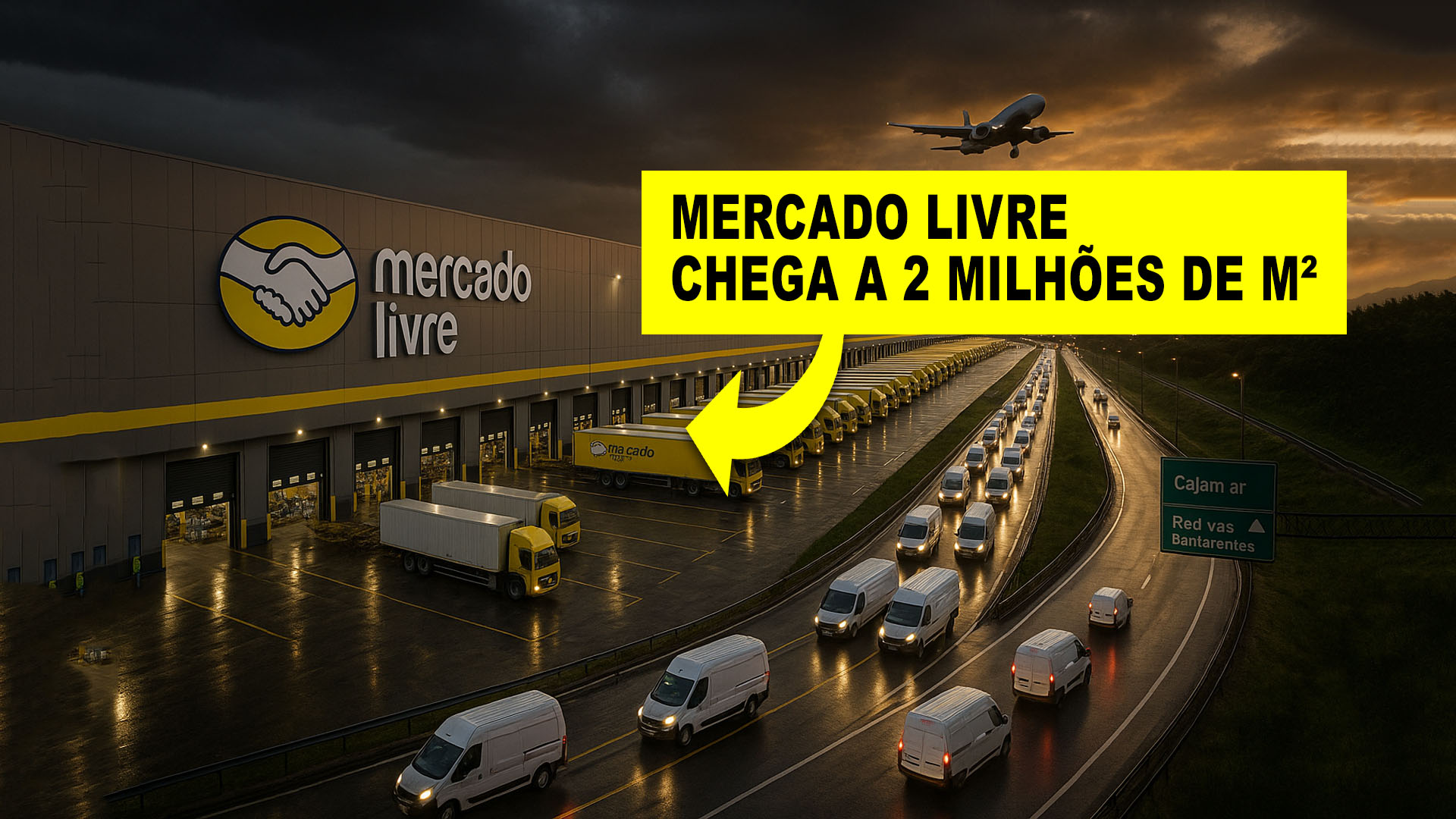


Mercado Livre Surpasses 2 Million m² of Warehouses in Brazil and Accelerates the Occupancy of ABL Class A/A+ in the Metropolitan Region of São Paulo, with Impacts on Price, Vacancy, and New Projects.
The Mercado Livre has surpassed the mark of 2 million m² of occupied area in A and A+ standard warehouses in Brazil after leasing 105,000 m² in Guarulhos in the second quarter of 2025, according to Exame with data from Binswanger. This advancement increases the pressure for spaces in Greater São Paulo, the most expensive and contested region in the country.
The expansion occurs in a heated market. The national vacancy of A/A+ warehouses has dropped to 8.74% in Q2/2025, with the Southeast at 9.3%. Asking rents continue to rise, with São Paulo (capital) at R$ 41.23/m², Guarulhos at R$ 34.41/m², and Cajamar at R$ 31.31/m².
In the same period, Cajamar and Guarulhos continue to be priority hubs for e-commerce operations seeking fast deliveries in the metropolis. Cushman & Wakefield highlights Guarulhos, Cajamar, Jundiaí, Campinas, and Embu as leading players in the São Paulo logistics market.
-
Friends have been building a small “town” for 30 years to grow old together, with compact houses, a common area, nature surrounding it, and a collective life project designed for friendship, coexistence, and simplicity.

-
This small town in Germany created its own currency 24 years ago, today it circulates millions per year, is accepted in over 300 stores, and the German government allowed all of this to happen under one condition.

-
Curitiba is shrinking and is expected to lose 97,000 residents by 2050, while inland cities in Paraná such as Sarandi, Araucária, and Toledo are experiencing accelerated growth that is changing the entire state’s map.

-
Tourists were poisoned on Everest in a million-dollar fraud scheme involving helicopters that diverted over $19 million and shocked international authorities.


In addition to occupying more areas, Mercado Livre is investing in automation. In September, the company announced sorting robots that reduce multi-item order cycles by up to 25%, with 125 units in operation and a capacity of up to 105,000 items/day.
Strong Demand and Low Vacancy Drive Up Logistics Rental Prices
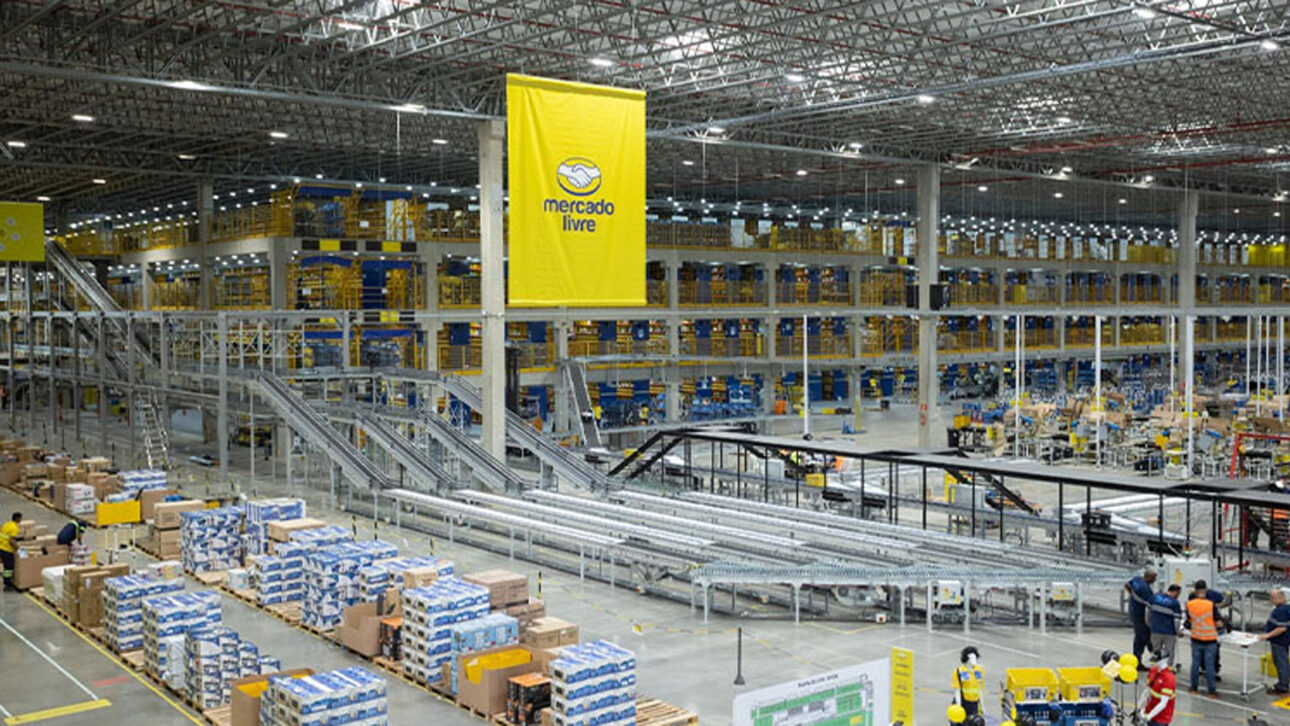
The decrease in vacancy and strong net absorption in Q2/2025 indicates a market that absorbs new stock smoothly. The national average rental price has increased and reflects the quality of new projects and the competition for premium locations. Firm price + strong demand = more expensive and longer contracts.
In Greater SP, three zones are under pressure: capital, Guarulhos, and Cajamar. All offer high construction standards, abundant docks, high ceilings, and direct access to major highways, critical factors for last mile networks.
For investors and logistics operators, the situation is clear: low vacancy opens room for rent adjustments and selects occupants with scale. For medium retailers, the side effect is increased competition for modular areas in A/A+ condominiums.
Cajamar and Guarulhos Concentrate the New Expansion of Mercado Livre
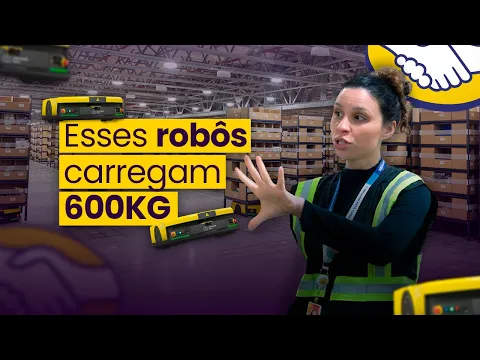

The latest move occurred in Guarulhos, where Mercado Livre made the largest lease of the year up to July and, with that, surpassed 2 million m² in the country. The goal is to shorten routes to the East Zone, Alto Tietê, and the International Airport.
In Cajamar, the company reinforces the network in one of the largest logistics hubs in Brazil. Real estate funds and developers continue to raise A/A+ product in the city to serve e-commerce and 3PLs.
Example: a fund managed by BTG Asset acquired land on the Rodovia dos Bandeirantes to build a complex with an estimated ABL of 228,000 m², a project associated with the operation of Mercado Livre. The land of approximately 742,000 m² will cost R$ 333 million, signaling the scale required by the sector.
Logistics Automation: Robots, Productivity, and the Promise of More Same-Day Deliveries
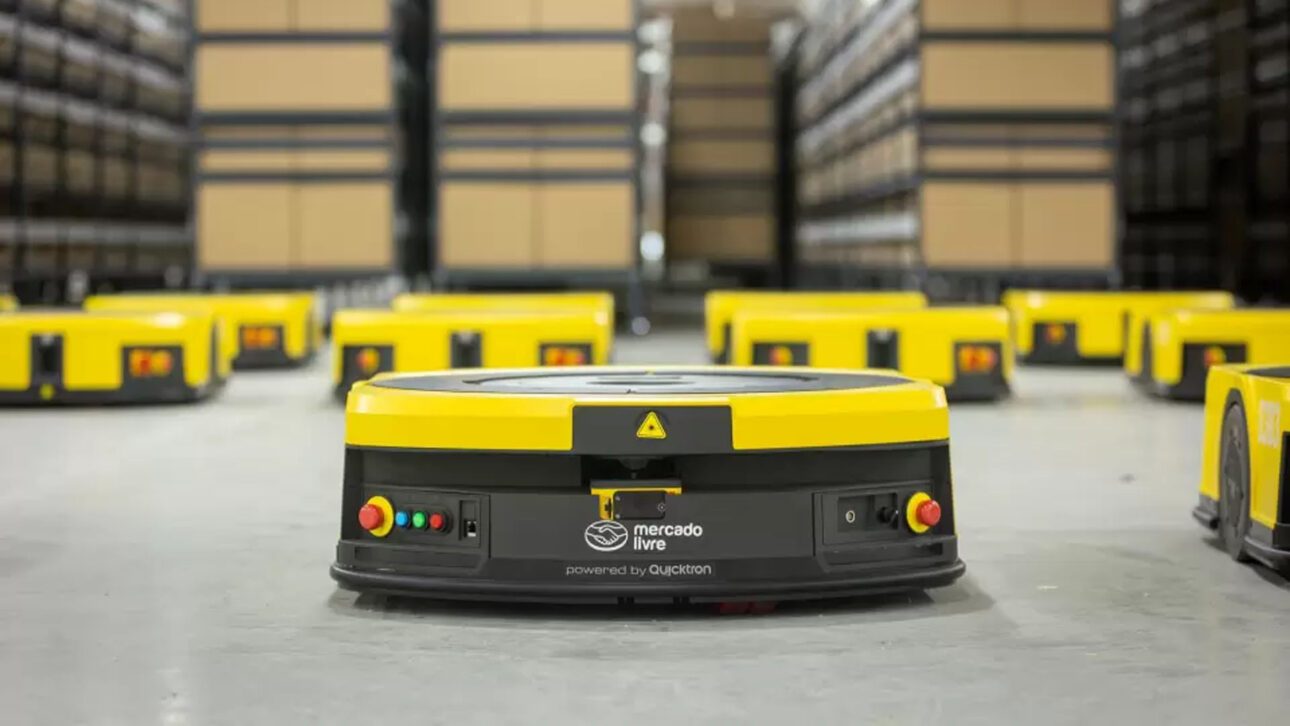
The company presented, at the Mercado Livre Experience 2025, a new generation of sorting robots. The technology consolidates items from different orders and shortens the preparation cycle by up to 25%, helping to extend the dispatch window for same-day deliveries in major centers.
According to executives, automation does not replace teams. The design is to increase scale by reallocating functions to higher value-added stages. The practical result is more productivity per square meter without sacrificing reach.
For the real estate market, the message is clear: leading tenants are now demanding “robot-ready” infrastructure. This includes floors with higher tolerance, redundant power, mezzanines, and flexible layouts for conveyors and AMRs, a standard already seen in the best parks in Cajamar and Guarulhos.
Future Supply, New Projects, and Impact on ABL Class A/A+
The supply of warehouses in Brazil more than doubled in five years, and the sector projects 2.9 million m² in new deliveries in 2025. The expansion reinforces hubs around the capital and seeks to reduce last mile bottlenecks.
Even with new constructions, the active national stock hovers above 35 million m², and absorption is expected to follow growth, sustained by e-commerce, contractual logistics, and pharma. Base scenario: balance with firm prices.
For Greater SP, the reading is of selective pressure: A/A+ well-located assets remain scarce and expensive, while secondary regions gain momentum with lower costs and shorter construction timelines.
From your perspective, does Mercado Livre’s expansion drive up rents and concentrate supply in a few hubs, or accelerate modernization and pull in more investments that benefit the entire chain? Leave your comment, agree or disagree.










I must say this article is extremely well written, insightful, and packed with valuable knowledge that shows the author’s deep expertise on the subject, and I truly appreciate the time and effort that has gone into creating such high-quality content because it is not only helpful but also inspiring for readers like me who are always looking for trustworthy resources online. Keep up the good work and write more. i am a follower.