





 Portuguese
  English
  Spanish
  3 min of reading
  0 comments


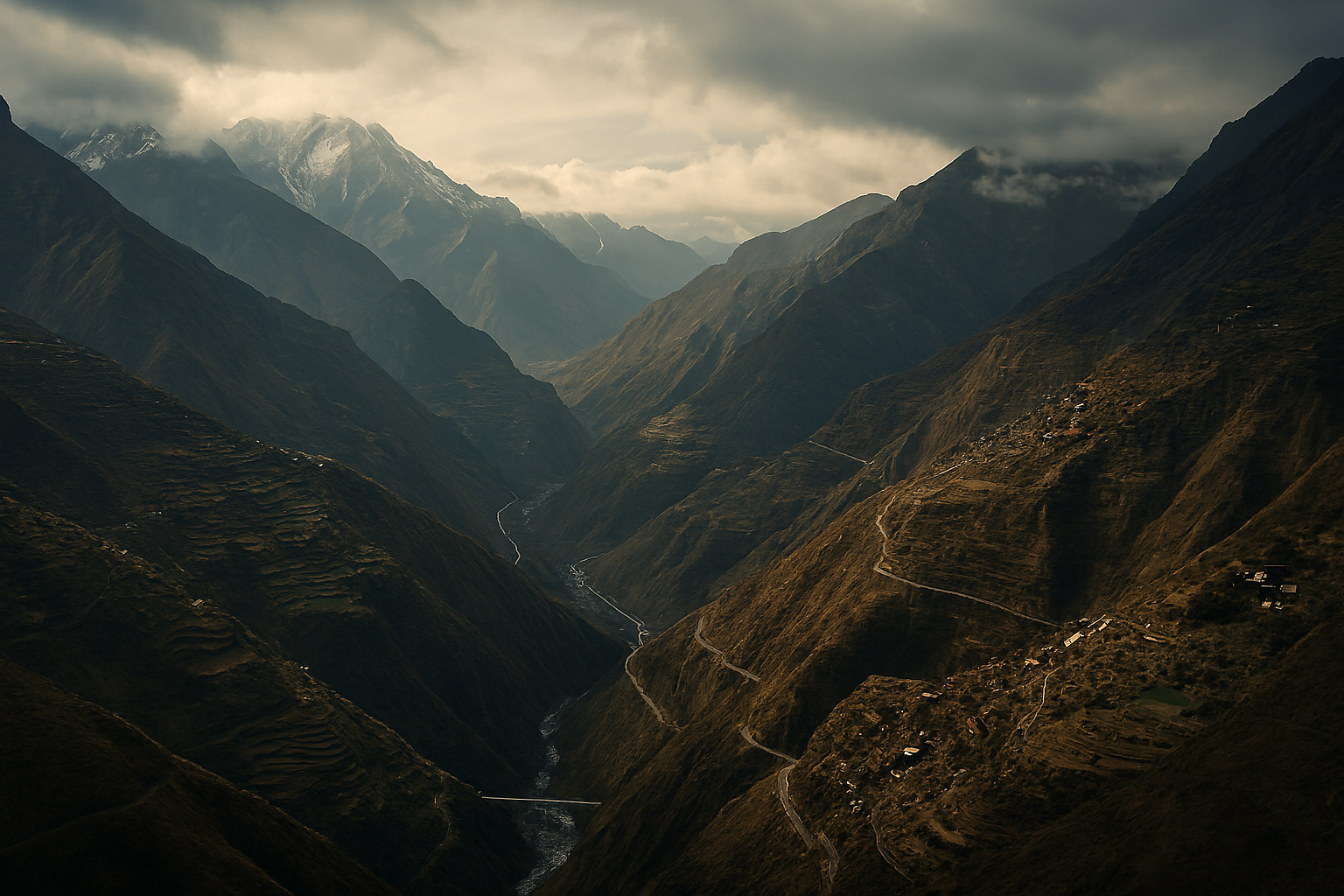
Nepal faces extreme terrain, regions above 2,000 m, and direct impacts on agriculture, logistics, and urban growth.
There are countries where the terrain is not just a geographical detail, but the main factor defining everyday life, the economy, and even public policies. In this case, more than 70% of the population lives in mountainous areas, where high altitude and steep terrain limit land use, increase infrastructure costs, and make travel a constant challenge. A large part of the Nepal territory is situated above 2,000 meters, which directly influences the climate, soil fertility, and the availability of flat areas for mechanized agriculture or continuous urban expansion.
Nepal: Agriculture Conditioned by Terrain and High-Altitude Climate
Agricultural production in this country primarily occurs on slopes and narrow valleys, often through terraced farming built manually over centuries. High altitude reduces the growing window, limits the types of viable crops, and increases reliance on traditional practices.
Crops such as rice, corn, and wheat exist, but on a smaller scale with variable productivity. The terrain prevents large continuous planting areas and makes the use of machinery difficult, which keeps agriculture heavily dependent on human labor.
-
The Argentine government celebrates the lowest poverty rate in 7 years, but experts warn that the methodology has changed, real wages have fallen, unemployment has risen, and the number of people on the streets of Buenos Aires has increased by 57% since Milei took office.

-
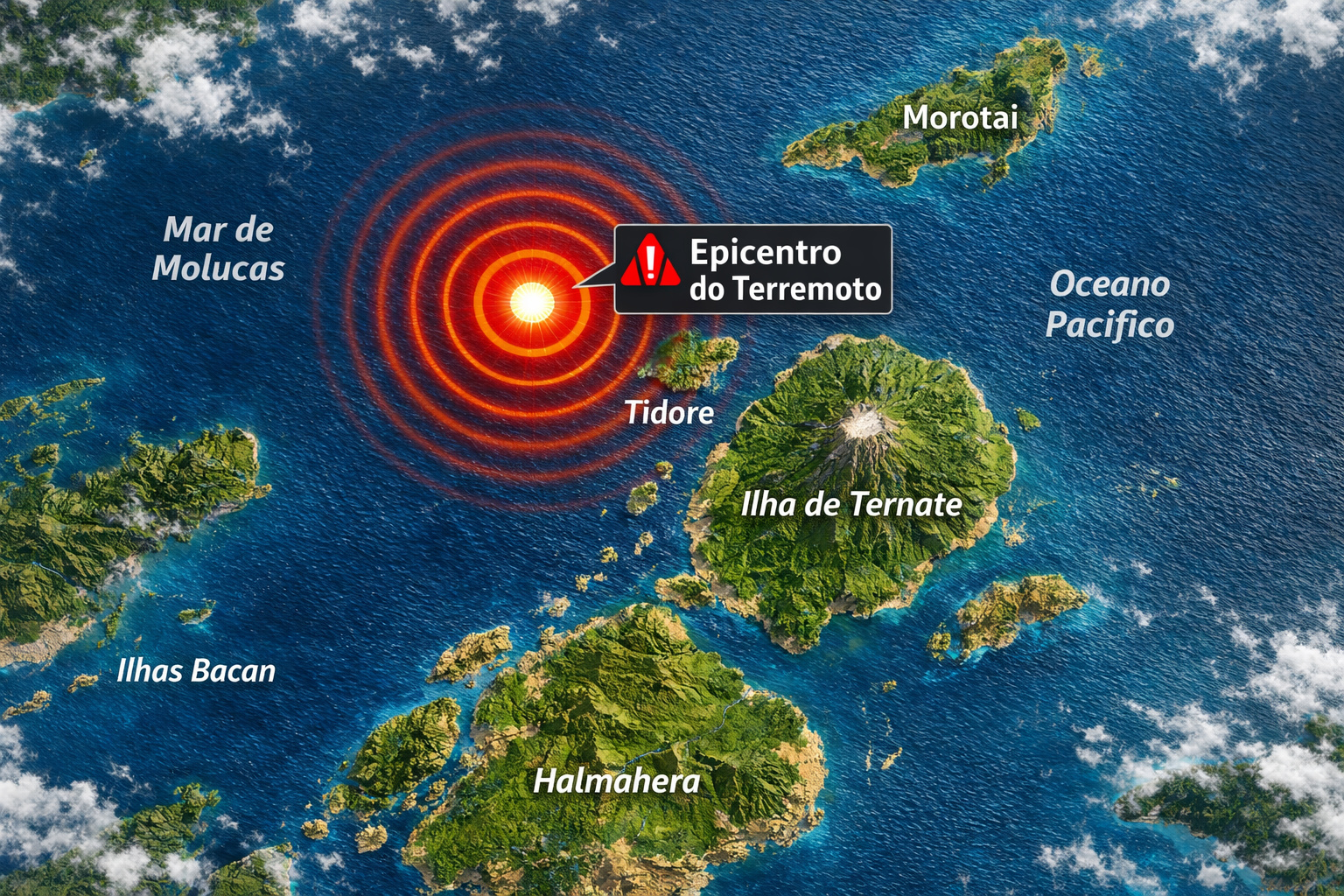
7.8 magnitude earthquake in Indonesia frightens the population, triggers tsunami alert, and hits an island with over 200,000 inhabitants this Thursday.
-
Google will finally let you change that embarrassing Gmail address you created in your teenage years without losing any accounts, logins, or old emails: the feature is already available in the United States.

-
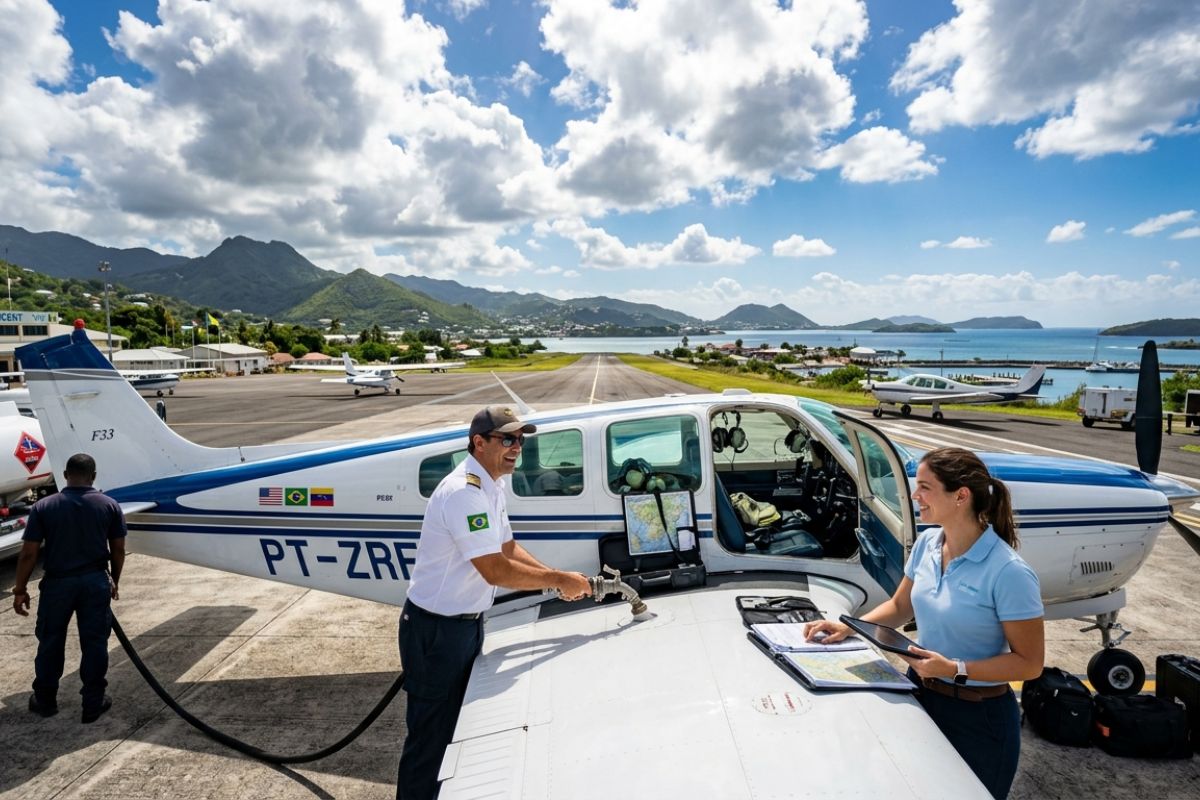
Heading to Brazil in a Bonanza F33 single-engine aircraft: a couple departs from Florida on a visual flight, makes technical stops in the Caribbean to refuel and organize paperwork, and begins the staged crossing until they reach the country.

Slow, Expensive, and Vulnerable Transportation
Transportation is one of the sectors most impacted by the mountainous terrain. Roads must navigate steep slopes, cross deep valleys, and face constant risks of landslides, erosion, and snow blockages in higher regions.
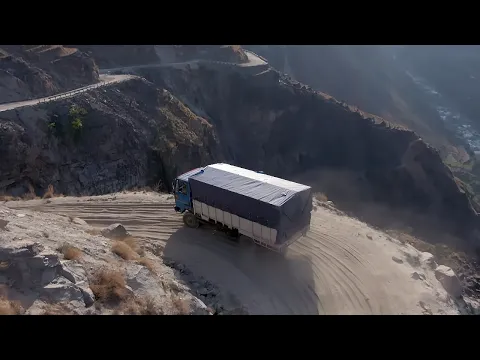

Railways are rare or nonexistent over large stretches of the territory due to technical difficulties and high implementation costs. In many areas, the transportation of goods relies on winding roads, traveled at low speeds, which increases product costs and hampers economic integration between regions.
Urban Expansion Limited by Lack of Flat Areas
Unlike countries with vast plains, urban expansion here occurs in a vertical or fragmented manner, concentrated in limited valleys and plateaus.
Cities grow in restricted spaces, putting pressure on infrastructure, raising housing costs, and making the implementation of modern urban systems challenging.
The lack of flat areas also restricts the establishment of large industries and logistics centers, which require extensive and accessible land. As a result, urban economies develop unevenly and are concentrated.
The Revealed Country: Nepal, in the Heart of the Himalayas
The country in question is Nepal, located in South Asia, between India and China. A large part of its territory is part of the Himalayas, including eight of the ten highest mountains on the planet, among them Mount Everest, at 8,848 meters.

This extreme geography results in more than 70% of the Nepali population living in mountainous areas, according to demographic and geographical data widely used by international organizations. Regions above 2,000 meters are common, and areas above 3,000 meters are not an exception.
Direct Impacts on the Economy and Development
The mountainous terrain of Nepal directly affects economic growth. High logistics costs, difficulty in regional integration, and agricultural limitations slow development compared to countries with more favorable geography.
On the other hand, this same geography drives specific sectors, such as mountain tourism, trekking, and mountaineering, which represent an important source of income and jobs.
Still, dependence on a limited number of economic activities increases the country’s vulnerability to external crises and climate change.
A Country That Grows Despite Geography, Not Because of It
In Nepal, the terrain is not a neutral backdrop; it is the main factor shaping daily life, the economy, and the pace of development.
Every road, every city, and every agricultural area exists after overcoming limits imposed by altitude and the slope of the land.
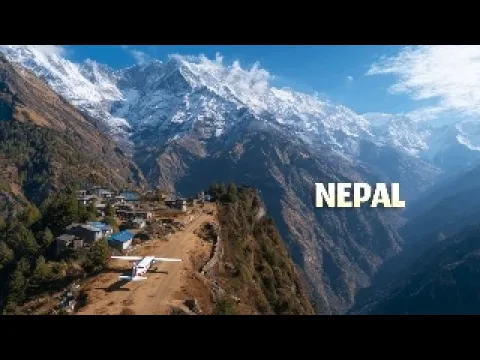
Living with mountains above 2,000 meters defines not only the landscape but also the country’s economic and social choices. It is a clear example of how geography can be decisive for the fate of an entire nation.









-

-

-

7 pessoas reagiram a isso.