





 Portuguese
  English
  Spanish
  5 min of reading
  0 comments


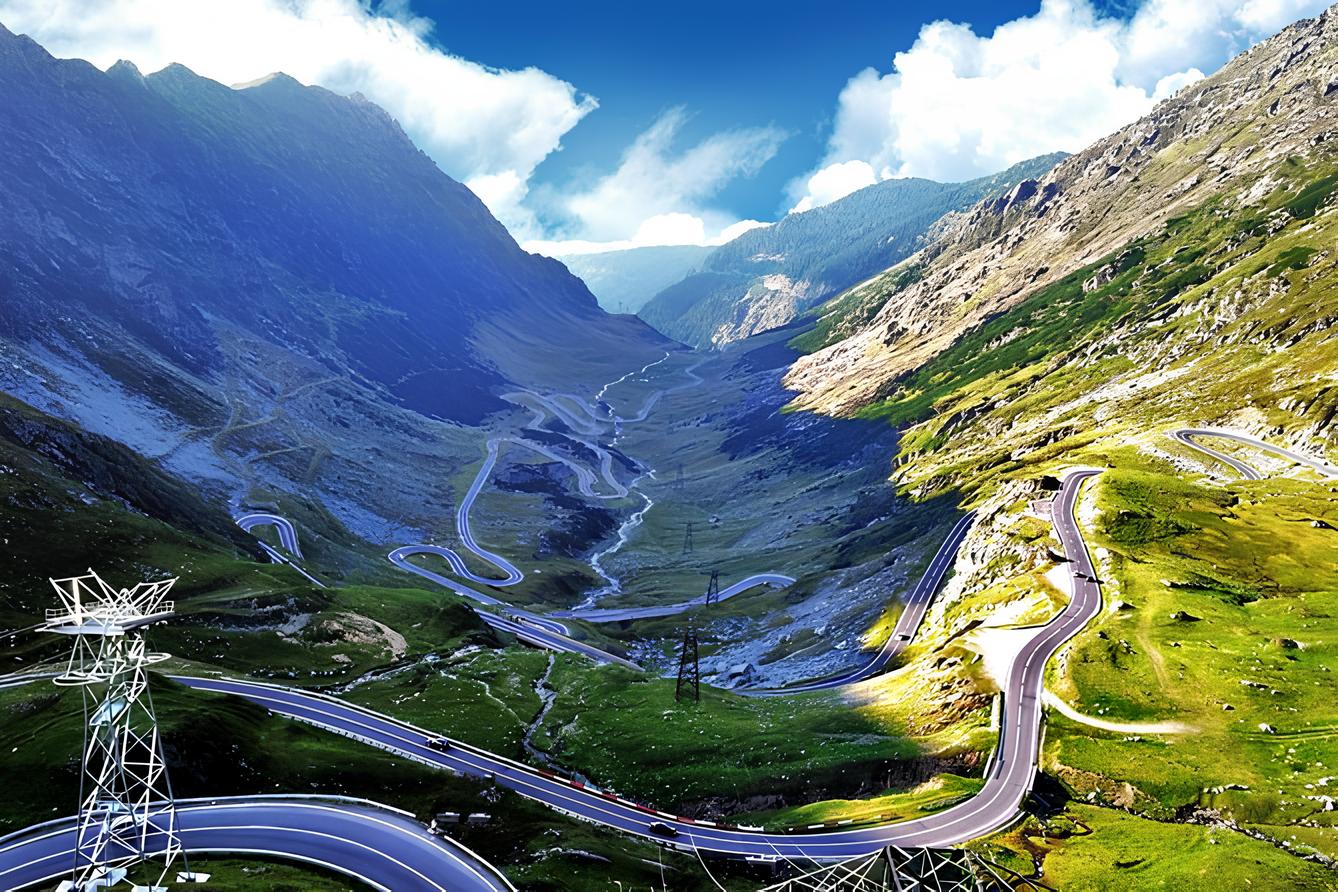
With More Than 90 Curves and 2,042 Meters Above Sea Level, The Transfăgărășan Cuts Through The Carpathians, Challenges Drivers, and Has Become One of The Most Impressive Roads in The World.
Transfăgărășan: In The Heart of Eastern Europe, There Is A Road That Seems To Have Been Designed Against All Laws of Comfort, Predictability, and Even The Instinct of Self-Preservation. It Has More Than 90 Sharp Turns, Nearly 90 Kilometers of Continuous High Mountain, and A Maximum Point That Reaches 2,042 Meters Above Sea Level, In An Area Where The Weather Changes In Minutes, The Fog Appears Out of Nowhere, and The Wind Blows Strong Enough To Move Light Vehicles.
This Road Is Not Just A Highway. It Is A Corridor Carved Into The Living Rock, Crossing One of The Most Imposing Mountain Ranges in Europe. What Is Now A Tourist Postcard Began As A Strategic Engineering Project, Built Under Extreme Conditions, With A Very High Human and Technical Risk. Its Name Is Transfăgărășan, One of The Most Iconic Roads Ever Built In An Alpine Environment On The Continent.
The Project That Cut Through The Spine of The Carpathians With Concrete and Explosives
The Transfăgărășan Cuts Through The Southern Carpathians, One of The Most Hostile Geographic Formations in Europe. Before Its Construction, This Region Functioned As An Almost Impassable Natural Barrier Between The North and South of The Country.
-
The Argentine government celebrates the lowest poverty rate in 7 years, but experts warn that the methodology has changed, real wages have fallen, unemployment has risen, and the number of people on the streets of Buenos Aires has increased by 57% since Milei took office.

-
7.8 magnitude earthquake in Indonesia frightens the population, triggers tsunami alert, and hits an island with over 200,000 inhabitants this Thursday.
-
Google will finally let you change that embarrassing Gmail address you created in your teenage years without losing any accounts, logins, or old emails: the feature is already available in the United States.

-
Heading to Brazil in a Bonanza F33 single-engine aircraft: a couple departs from Florida on a visual flight, makes technical stops in the Caribbean to refuel and organize paperwork, and begins the staged crossing until they reach the country.

The Route Required The Relocation of Heavy Equipment To Altitudes Where Logistics Are Still Complex Today, As Well As Intensive Use of Explosives To Open Tunnels In Solid Rock.


The Road Was Built Between 1970 and 1974, During The Regime of Nicolae Ceaușescu, Who Considered The Project A Strategic and Military Infrastructure.
The Goal Was To Allow The Rapid Movement of Troops and Equipment Across The Mountain in Case of Conflict. The Human and Financial Cost Was High, But The Project Continued Despite Accidents, Equipment Failures, and Constant Geological Instability.
Today, What You See Is A Stretch of Asphalt Suspended Over Abysses, Supported By Concrete Retaining Walls, Long Tunnels, and Turns So Tight That Some Sections Demand A Drastic Speed Reduction Even On Perfect Visibility Days.
The Ascent To 2,042 Meters That Changes Climate, Oxygen, and Engine Behavior
As The Driver Ascends Towards The Highest Point of The Road, The Environment Changes Radically. The Temperature Drops, The Atmospheric Pressure Decreases, The Humidity Increases, and The Behavior of The Vehicle Itself Changes.
In Naturally Aspirated Engines, The Oxygen Loss Directly Affects Performance. Braking Requires Increased Attention. Any Mistake On Long, Tight Turns Can Be Fatal.
The Highest Segment Passes Through A Tunnel Dug Directly Under The Mountain, Connecting Two Completely Distinct Valleys.
In Just A Few Minutes, The Driver Passes Through Areas of Blazing Sun, Enters Areas of Thick Fog, Passes Through Fields of Remaining Snow Even In Summer, and Emerges On Another Side of The Mountain With Completely Different Weather Conditions.
In Winter, The Transfăgărășan Is Closed For Several Months Due To The High Risk of Avalanches, Permanent Ice, and Extreme Winds. Even When Open, Traffic Requires Psychological and Technical Preparation.
From Secret Military Route To One of The Most Famous Roads on The Planet
The Transfăgărășan Gained Worldwide Fame After Being Featured On The British Show Top Gear, By The BBC, Which Declared It The “Most Incredible Road in The World.”
From That Moment On, Tourist Flow Multiplied. Specific Trips To Navigate The Road Became Common Among Motorcyclists, Owners of Super Sports Cars, Amateur Drivers, and Tourists Seeking Extreme Experiences Behind The Wheel.
Today, Hotels, Guesthouses, and Tourist Services Spread Across The Valleys Surrounding The Road. The Economic Impact Is Direct: Restaurants, Car Rental Services, Specialized Workshops, and Mountain Guides Have Come To Existence Solely Due To The Flow Generated By The Route.
The Road Has Ceased To Be Just An Engineering Work And Has Become A Economic Asset, Tourist Symbol, and Global Reference For Extreme Mountain Routes.
The Tight Curves That Make Each Segment A Test of Precision
The More Than 90 Tight Curves of The Transfăgărășan Are Not Just Aesthetic. They Were Designed This Way Due To Topographic Necessity. The Terrain Did Not Allow Long, Gentle Ramps. Each Curve Was The Only Possible Solution To Overcome The Abrupt Elevation Changes of The Terrain.
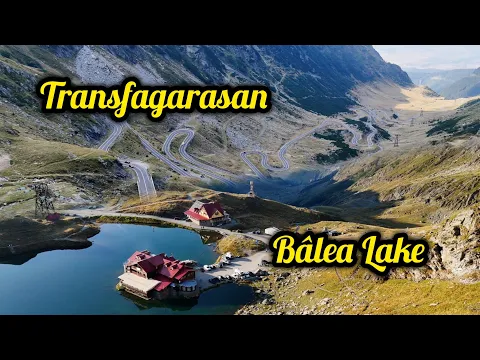
This Design Creates Segments Where Visibility Is Nearly Zero, Requiring Absolute Precision In Driving. Trucks and Buses Face Severe Difficulties, and Overtaking Is Practically Prohibited Over Much of The Stretch. For Motorcyclists, It Is One of The Most Technical Routes In Europe.
On Rainy Days, The Combination of Incline, Low Grip, and Fog Transforms The Road Into An Environment of Real Risk. It Is Not A Common Leisure Area. It Is A Route For Those Who Know Exactly What They Are Doing.
Why This Road Represents An Absolute Milestone in Mountain Engineering
No Road of This Magnitude Survives For Decades in An Alpine Environment Without Constant Maintenance. The Transfăgărășan Undergoes Annual Reinforcement Works, Pavement Repair, Slope Cleaning, Retaining Work Reinforcement, and Tunnel Inspection.
It Faces Intense Cycles of Freezing and Thawing, Which Cause Expansion and Contraction of The Asphalt, Leading To Deep Cracks. The Rock Surrounding It Continues To Move. Nevertheless, The Route Has Remained Functional For Over Half a Century, Consolidating It As One of The Most Resilient Roadworks On The Continent.
The Symbolic Impact of A Road That Became National Identity
For Romania, The Transfăgărășan Is Not Just Infrastructure. It Has Become A Symbol of Territorial Overcoming, Domination Over Geography, and Regional Integration. The Connection Between Regions That Were Once Separated By Days of Travel Is Now Made In Just A Few Hours.
Today, The Road Appears In Tourism Campaigns, International Documentaries, Film Productions, and Reports on Extreme Engineering. Its Symbolic Value Goes Beyond Traffic.
It Represents The Moment When Humanity Decided To Cross The Mountain, Not To Go Around It.
When The Road Stops Being Just Asphalt and Becomes A Life Experience
Anyone Who Travels The Transfăgărășan Will Not Forget It. The Series of Curves, The Sudden Silence of Altitude, The Wind Cutting Through The Valleys, The Feeling of Being Suspended Between Two Worlds Create An Experience That Blends Engineering, Risk, and Raw Beauty.
It Is Not Just A Road. It Is A Physical, Emotional, and Technical Test. A Journey That Demands Absolute Respect From The Driver and Delivers, In Return, One of The Most Striking Landscapes That A Highway Can Offer On The Planet.









-

-

-

-

-

-

119 pessoas reagiram a isso.