





 Portuguese
  English
  Spanish
  5 min of reading
  1 comment


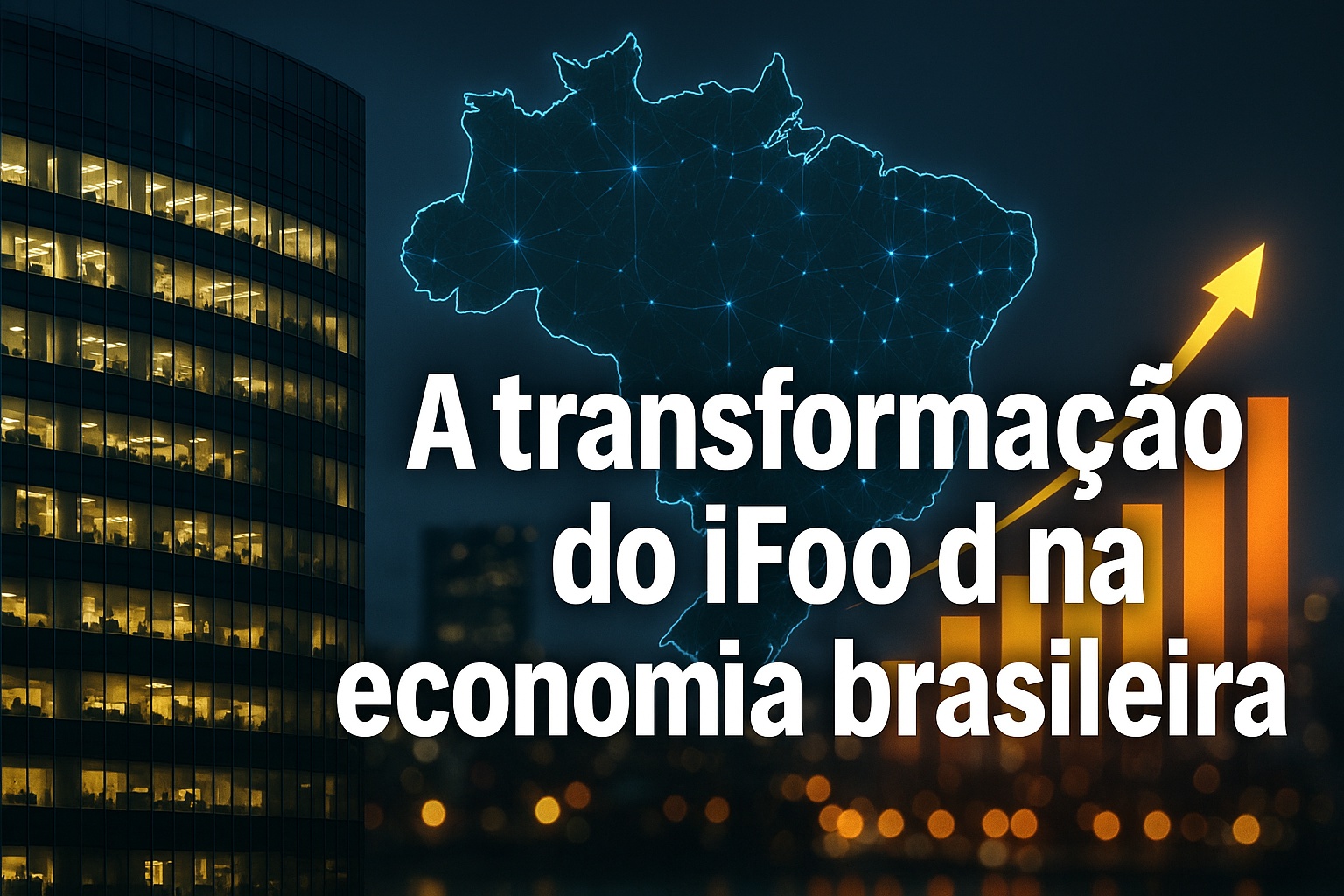

With R$ 140 Billion Per Year and 1 Million Jobs Created, iFood’s Transformation Shows How an Old Call Center Became a Giant Force in Brazil’s Economy.
In 2024, Brazil witnessed a silent economic phenomenon that did not make the traditional headlines but shaped the daily lives of millions of families, restaurants, delivery drivers, merchants, and technology professionals. According to the Fundação Instituto de Pesquisas Econômicas (Fipe), iFood transacted R$ 140.3 billion during the period, an amount equivalent to almost 1% of Brazil’s entire GDP. The scale is so large that it places the company on the same level as entire sectors of the economy. The Fipe-iFood report, published throughout 2024, also revealed another impressive fact: the platform’s ecosystem generates 1 million direct and indirect jobs, including deliverers, registered restaurants, cooks, assistants, IT professionals, logistical operators, packaging producers, ingredient suppliers, and the entire expanded chain that forms around deliveries.
But the most surprising part is that this digital powerhouse, now a structural base of the service economy in the country, started as a simple call center located in São Paulo, responsible for managing restaurant orders over the phone, long before apps, mobile internet, or smartphones.
From Improvised Call Center to a Digital Engine of Billions
The story of iFood begins in 1997, when the company still operated as a phone intermediary between customers and restaurants. There was no proprietary technology, no artificial intelligence for dispatching deliveries, nor integrated logistics.
-
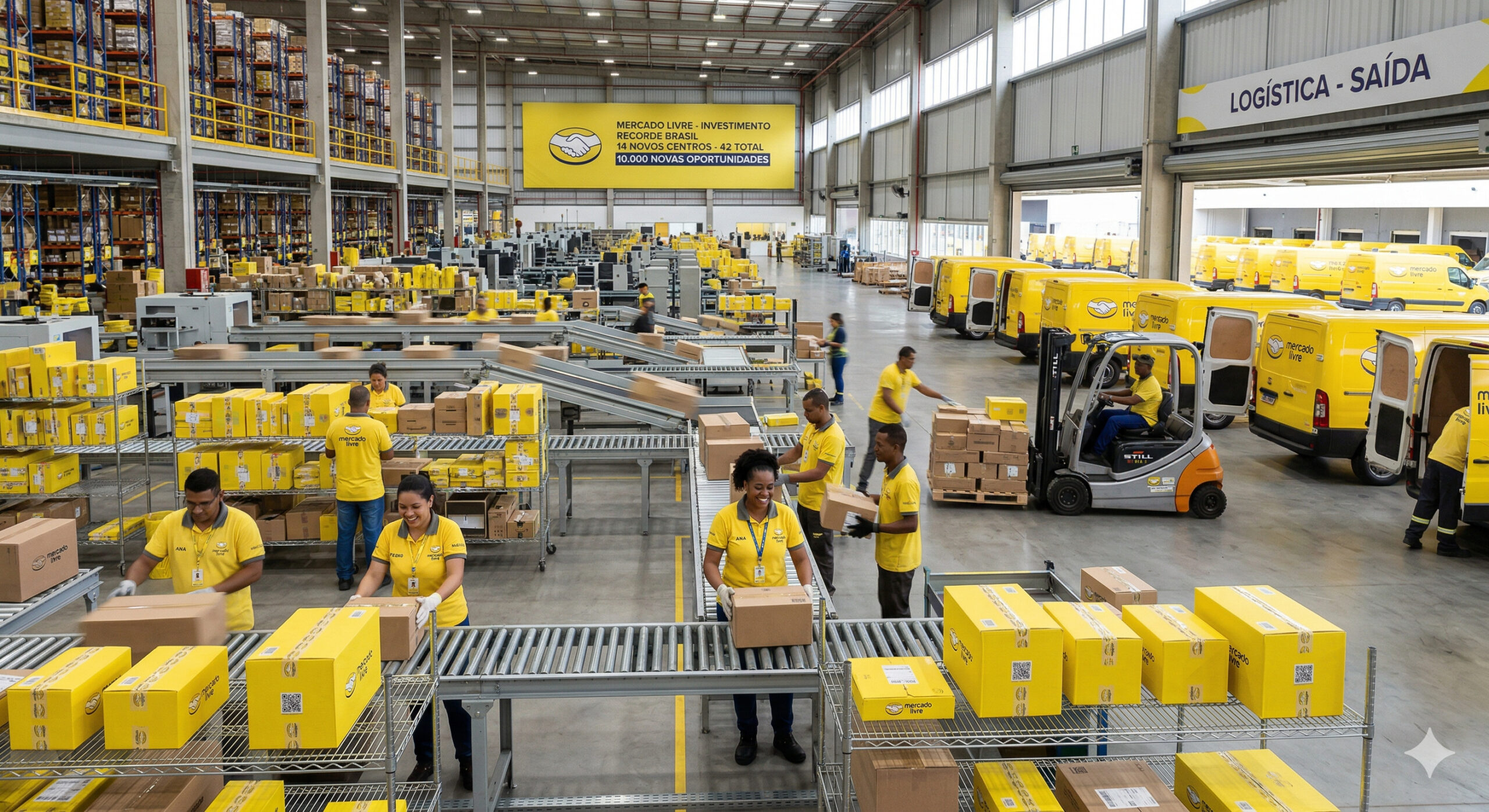
Mercado Livre “opens the vault” and announces a record investment of R$ 57 billion in Brazil in 2026, a value 50% higher than the previous year, with an expansion plan that includes 14 new logistics centers, totaling 42 units in the country and hiring an additional 10,000 employees.
-
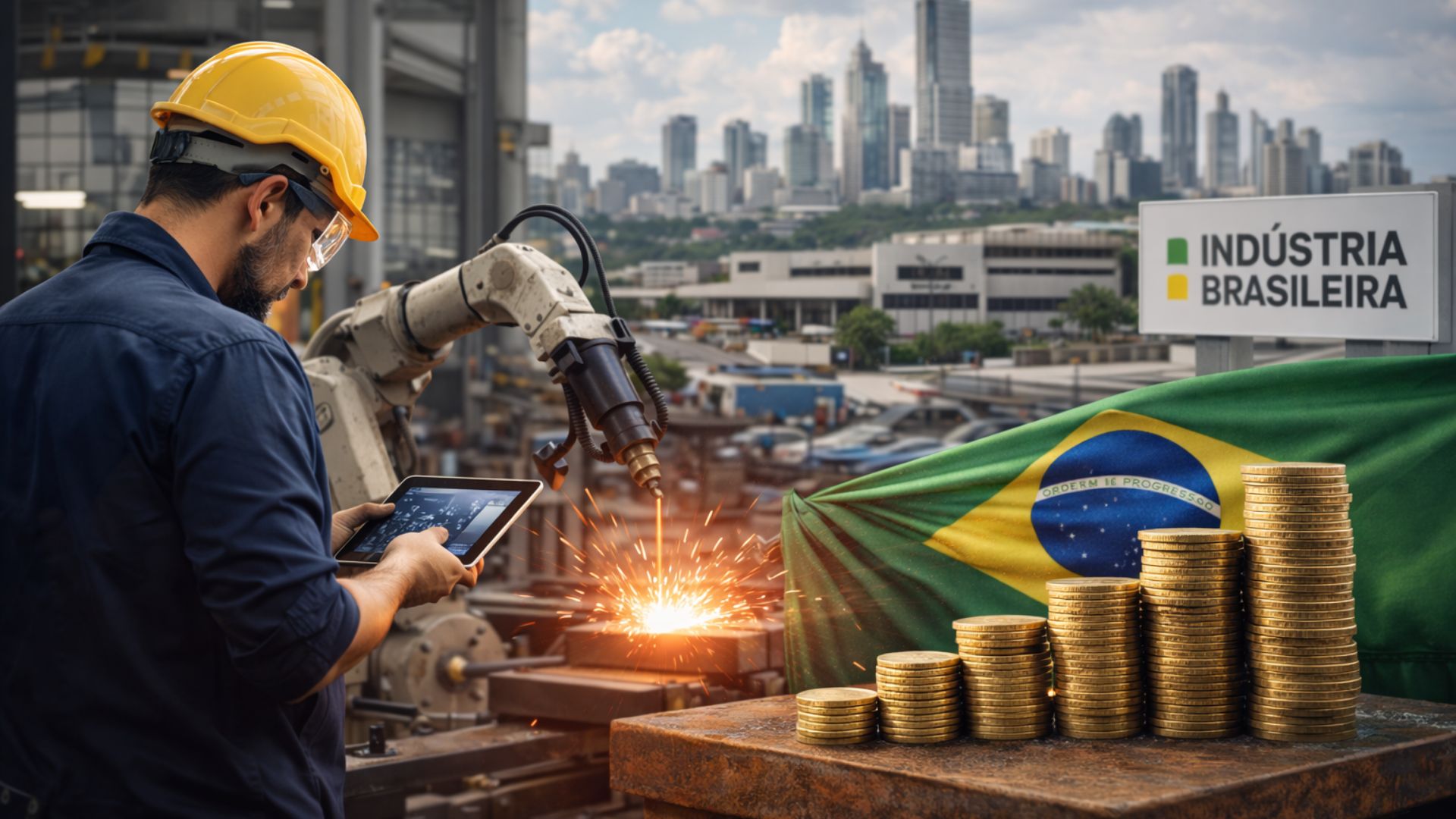
How investment in technology can revolutionize the national economy and enhance industrial gains, according to a study that highlights the direct impact on productivity, innovation, and wealth retention within Brazil.
-
The largest food company on the planet, JBS, has just opened a 4,000 square meter laboratory in Florianópolis to develop customized proteins that modulate muscle mass gain, immune response, and metabolic performance.

-
After nearly 30 bids and competition among industry giants, a Spanish company purchases one of the largest airports in Brazil for almost R$ 3 billion and takes over the management of Galeão in a concession that will last until 2039.


The system was rudimentary: an attendant took the order, called the restaurant, confirmed the price, and returned to the consumer.
The model functioned almost artisanally until the turn of the millennium, when the advancement of the internet opened the door for a complete transformation. In 2011, iFood officially launched its digital platform, and the country witnessed the birth of one of the most complex systems of food, urban logistics, and operational technology in Latin America.
From 2014 onwards, propelled by the expansion of smartphones, growth shifted from gradual to exponential. What started with a few hundred daily orders skyrocketed to millions of transactions per month, consolidating the company as the absolute leader in the sector.
R$ 140 Billion: How This Number Was Formed
The R$ 140 billion recorded by Fipe represents the gross value transacted within the platform, including:
payments to restaurants, compensation for delivery drivers, logistical investments, operational fees, marketplace purchases, pharmacy buyouts, beverages, various products, and the entire transactional base circulating through the app.
The amount is so significant that it surpasses the annual revenue of several traditional industrial sectors. For comparison purposes, it is larger than the GDP of countries like Paraguay or Bolivia. And the figure reflects only 12 months of operation.
The Real Impact on the Economy: 1 Million Jobs
The Fipe-iFood study reveals that the company supports:
approximately 1 million jobs, including:
- 250,000 active delivery drivers
- over 350,000 integrated restaurants and snack bars
- cooks, helpers, and kitchen assistants
- thousands of employees from distribution centers, dark kitchens, and logistics
- technology, customer service, product, and marketing teams
- micro-entrepreneurs who exclusively rely on sales through the app
According to Fipe, every R$ 1 transacted by iFood generates up to R$ 1.84 in economic impact in the chain, including food suppliers, packaging, fuel, fruits and vegetables, hygiene, transportation, and financial services.
It is a multiplier effect that did not exist 15 years ago and today places the company among the largest influencers of the Brazilian urban economy.
The Professionalization of Logistics and the New Map of Urban Labor
One of the most analyzed points by economists is how iFood transformed last-mile logistics — the final stretch between the product and the consumer. Brazil, marked by great distances, dense traffic, and verticalized cities, found in delivery an efficient solution for the circulation of fast-moving consumer goods.
Delivery drivers have become an essential part of the economy. With smart routes, predictive AI, path optimization, and urban hubs, delivery gained an industrial standard without losing the decentralized character of autonomous labor.
For many workers, especially youth and those without formal ties, the app represents the primary source of income.
The Explosion of Independent Restaurants
The Fipe report also showed that iFood acts as a kind of digital distributor for micro and small businesses. More than half of the registered establishments have fewer than five employees, and many were established exclusively to cater to delivery, without physical stores, based on the dark kitchen model.
Neighborhood restaurants that previously depended on local foot traffic found expanded demand through the app, reaching previously unreachable audiences. Small burger joints, pizzerias, meal prep services, home kitchens, and family-run establishments became economically sustainable businesses thanks to the digitalization of the sector.
Cutting-Edge Technology Applied to an Apparently Simple Routine
Behind every order is a technological infrastructure equivalent to that of large global logistics companies. The platform utilizes AI and machine learning to:
calculate estimated preparation time, identify the nearest delivery driver, suggest quick routes, adjust pricing dynamics based on demand, and avoid system congestion.
In high-volume scenarios, such as weekends, the platform coordinates hundreds of thousands of simultaneous orders in different cities, operating practically in real-time. None of this existed in the early years when the model was just a call center with attendants and analog phones.
The Cultural Transformation: How Delivery Became Part of Daily Life
Brazil is now the largest delivery market in Latin America. Accelerated urbanization, intense work routines, and digitalization facilitated mass adoption. For many, delivery has ceased to be a convenience and has become a daily habit.
Large urban centers like São Paulo and Rio illustrate the cultural impact: smaller kitchens, supermarkets with dedicated areas for delivery drivers, restaurants designed for quick pickup, and residential complexes with exclusive receiving spaces.
All of this reflects a system that started modestly but has become one of the pillars of the contemporary economy.









Ótima matéria, parabéns pelas explicações simples, sem rodeios, dando uma boa ideia de como funciona esse mercado e como se relaciona com a sociedade.