





 Portuguese
  English
  Spanish
  7 min of reading
  0 comments


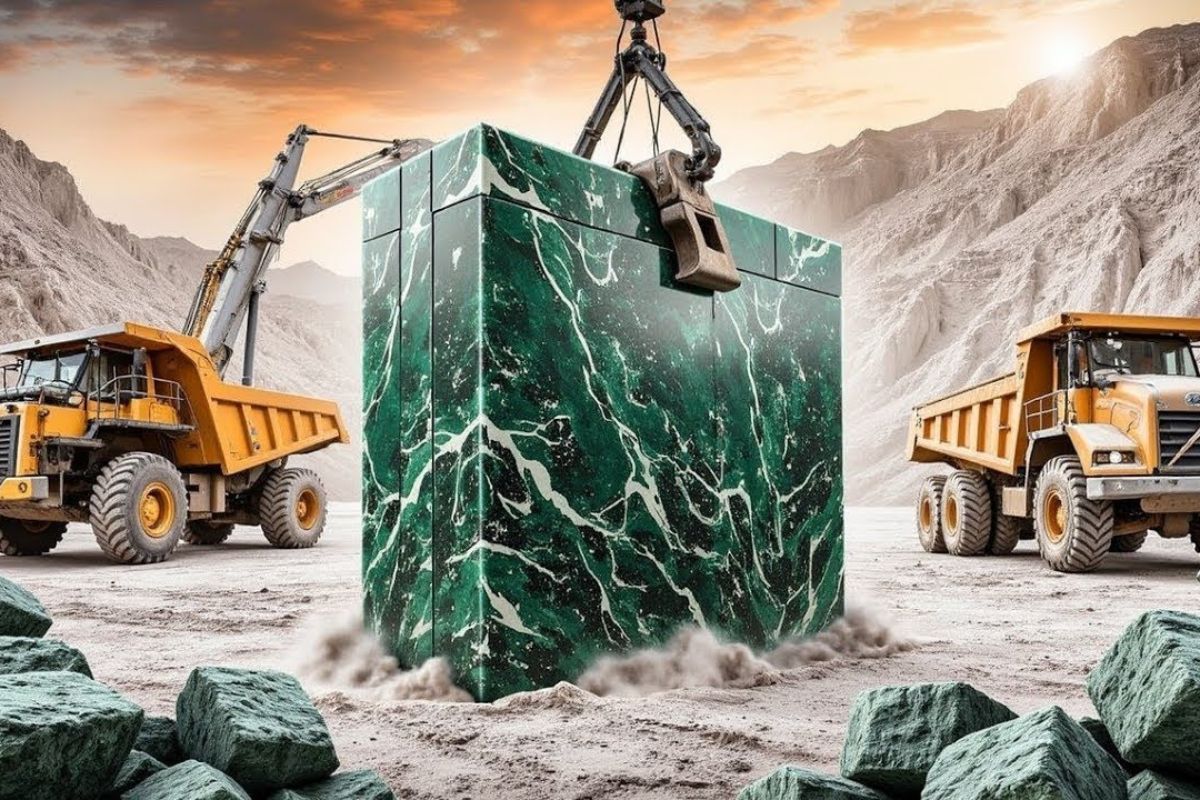
Between Controlled Explosions, Diamond Wires, and Trucks Loaded with Blocks of Up to 500 Tons, Giant Machines Transform the Marble Mountains of Carrara into a Billion-Dollar Business that Combines Geology, Heavy Engineering, Permanent Risk, and Metric Precision in Every Cut and Daily Movement Along Operations in the Italian Quarries
The white marble of Carrara, carved for centuries into temples, sculptures, and buildings of power, today emerges in a setting that seems a mix of a work of art and an industrial war zone. The mining fronts resemble snow walls, but they are vast masses of rock being reshaped by giant machines, explosives, and engineering decisions that allow no room for error.
Each day, about 500 tons of marble leave the slopes in a continuous flow that connects an ancient marine landscape of 140 million years to a global market that pays dearly for purity, shine, and perfect veins. Behind each slab in a luxury lobby lies a chain that goes from precise drilling in the mountain to the final polishing in highly automated factories.
Mountains That Look Like Snow, But Are Blocks of Billions

In the northwest of Italy, the Carrara region holds one of the largest and oldest marble reserves on the planet.
-
Neurologist Richard Restak issues a severe warning to all people over 65: there is a daily habit he recommends completely eliminating from your life because it is destroying your neurons and accelerating memory loss.

-
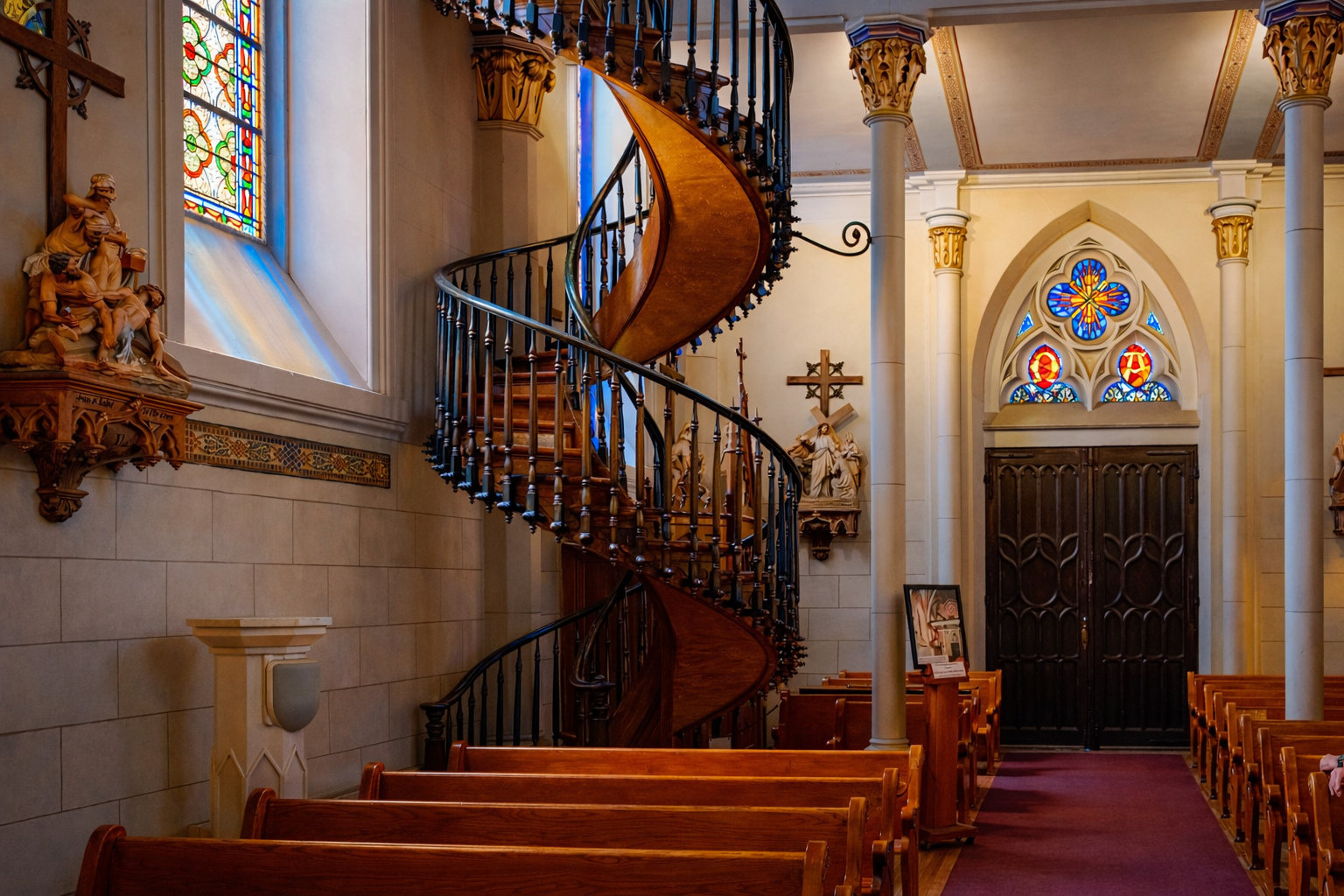
With 6.1 meters and 33 steps, the spiral staircase of the Loretto Chapel in the United States gained fame worldwide for making two complete 360-degree turns without a central support.
-
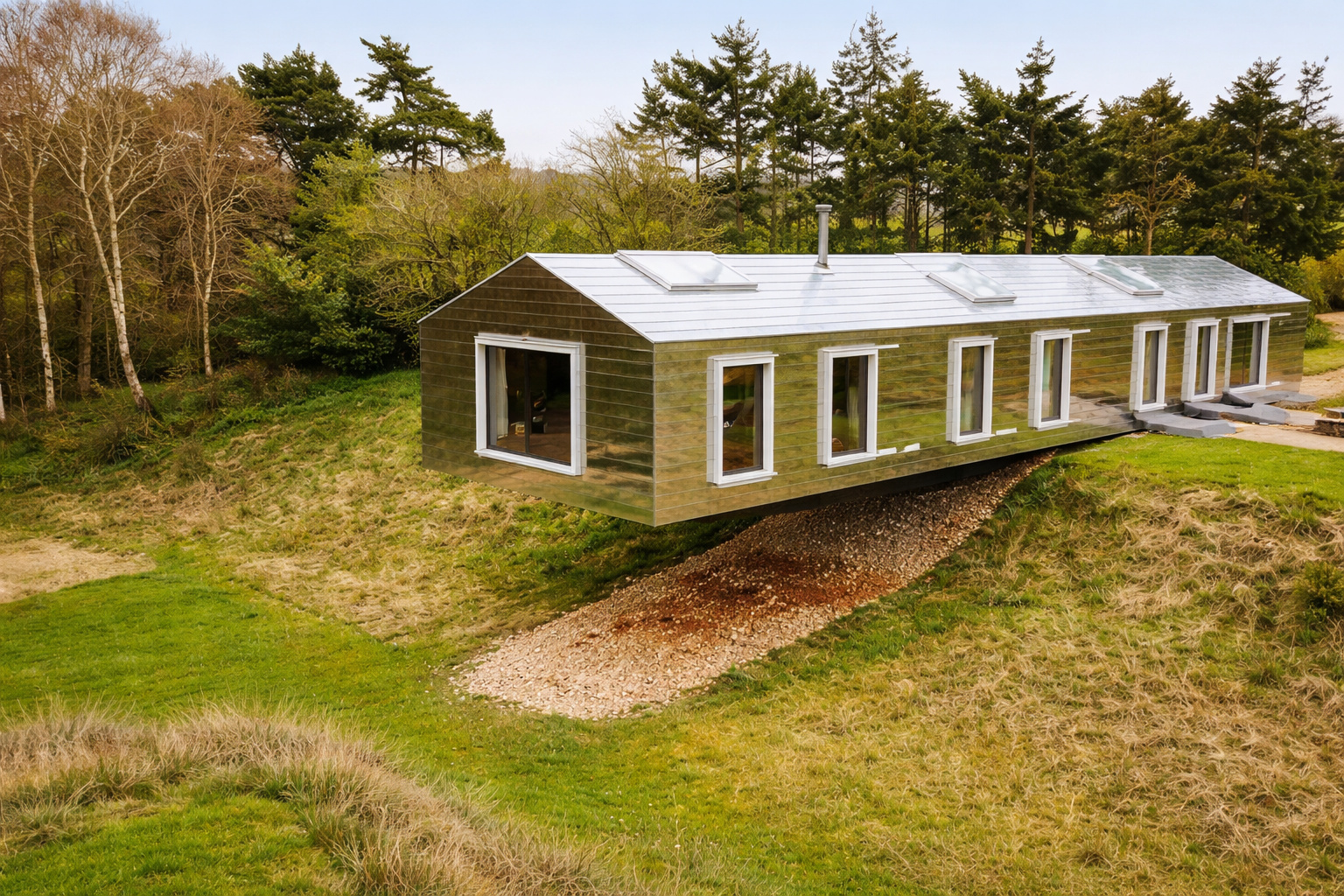
With 30 meters in length, a house in England appears to float in the air and surprises engineers and architects around the world due to its visual effect and construction method suspended over sloped terrain.
-
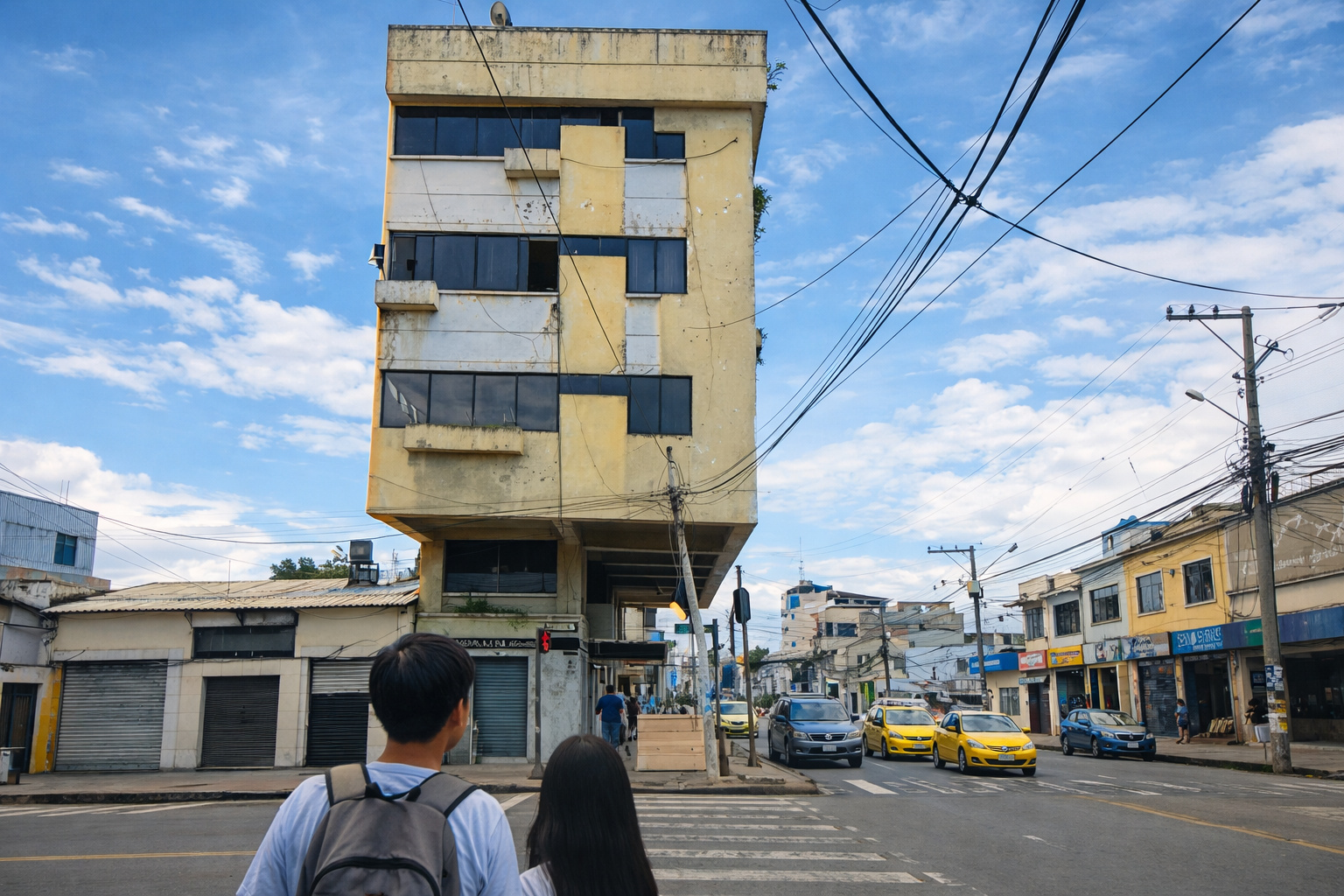
Called El Inmortal, the building that survived earthquakes in Ecuador seems to balance, defies the laws of physics, and impresses with its bold construction structure.

At about 1,700 meters above sea level, the quarries carve out an ancient ocean floor that, over millions of years, has been compacted by pressure and tectonic movements until it transformed into high-value metamorphic rock.
From a distance, the mountains appear covered in snow.
Up close, what you see are vertical walls of white marble, chiseled into gigantic steps.
These deposits have provided material for icons such as the Pantheon of Rome and Michelangelo’s statue of David, and today supply everything from high-end architectural projects to sophisticated furniture and cladding.
The numbers explain the scale: the marble reserve in the region is valued at over 1 billion euros, with an annual production of about 4 million tons.
A single slab can cost up to 400 euros per square meter, depending on the quality and homogeneity of the rock. In this scenario, giant machines, planning, and risk control are as valuable as the stone itself.
Drilling, Explosives, and the Opening of the First Block

The cycle starts with the mountain still intact.
Specialized teams ascend to the cutting levels and execute the stage of strategic drilling, opening holes in calculated positions to minimize unwanted fractures.
High-torque drills work on the compact rock until depths of nearly 3 meters are reached, outlining the “map” of the explosion.
In these holes, about 75 kilos of explosives are inserted per session, always with controlled detonations.
The aim is not to pulverize the rock but to create main fractures and rupture planes that allow isolating whole large blocks, preserving the maximum economic value in each unit.
Each detonation is timed, monitored, and adjusted.
A poorly planned explosion can turn a block worth hundreds of thousands of euros into broken waste, unsuitable for large architectural pieces.
Therefore, the combination of geomechanical calculation, field experience, and proper use of explosives is one of the most sensitive points of the entire process.
Diamond Wires, Saws, and High Precision Cutting
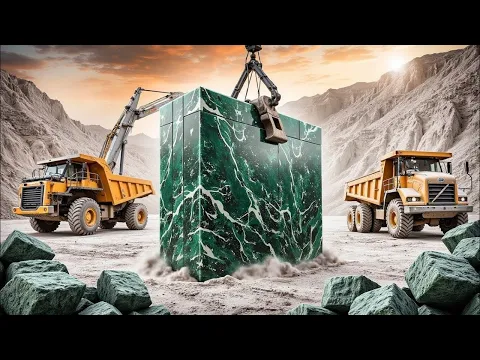

After the main fracture is created, the fine cutting phase comes into play, which is the heart of the operation.
It is here that giant machines and materials technology meet.
The most emblematic method uses a steel cable coated with spheres embedded with synthetic diamond.
Only a few millimeters thick, this diamond wire can cut through the rock with a precision reminiscent of a knife cutting through cheese.
The system is powered by motors reaching 50 horsepower, maintaining the cable at high speed while water is continuously injected for cooling and particle removal.
The standard design involves three main drillings: one vertical hole at the top of the mass and two horizontal at the base.
The diamond wire is threaded through these channels and forms a “loop” around the block, allowing it to cut its sides until it detaches from the mountain. Under ideal conditions, the system can achieve cutting rates that, accumulated, reach dozens of meters of marble sectioned in a single day of operation.
In specific fronts or in rocks with more complex geometries, large industrial chainsaws come into play, capable of penetrating up to 5 meters into the rock.
These saws, mounted on tracks or articulated arms, also use diamond segments and can take up to 10 hours to complete the cut of a single block, prioritizing stability and surface quality.
At the end of this stage, what was a continuous piece of mountain becomes a monoblock of up to 500 tons, still supported on the slopes and awaiting the critical moment: the movement.
When 500 Tons Start to Move
Removing a block weighing hundreds of tons from a vertical wall is both an engineering exercise and a test of nerves.
In the past, the Romans relied on wooden levers and wedges that, when soaked with water, expanded and forced the separation of the rock. Today, the principle remains the same, but the tools have changed.
Instead of wooden wedges, high-power hydraulic devices come into play, known as hydroblisters or hydraulic expansion systems.
They are inserted into previously opened cracks and, when activated, expand these fissures with immense controlled force until the block detaches.
When the supporting structure gives way, the block moves and often drops a few meters, in a movement always calculated to fall onto beds of sand and mud, specially prepared to absorb the impact.
Any structural damage can mean the loss of an asset worth up to 1.5 million euros in commercial value.
As soon as the block reaches a stable position, large excavators and loaders take over the maneuver.
These giant machines adjust the orientation of the block, trim excess parts, and position it for unfolding into smaller units, usually in blocks of about 18 tons, more compatible with road transport and industrial sawmills.
Trucks, Steep Roads, and a Risky Descent
With the blocks already reduced, one of the most dangerous stages begins: transporting heavy trucks along the winding roads of Carrara.
These are narrow, steep roads carved into the slopes, where each turn requires low speed and constant braking.
The routine is intense. Approximately 600 trucks travel daily, many carrying around 50 tons of marble per trip.
A descent from the top of the quarry to the valley can take about 45 minutes, during which any brake failure, miscalculation, or adverse weather condition can have serious consequences.
Part of these blocks goes to local processing factories, while another part is directed to the port of Carrara, from where the marble is exported to markets such as China, the United States, Germany, and other major consumers.
Each shipment represents the final stage of a logistics process that started with a millimetric hole in the mountain and ends in bulk carriers or dedicated containers.
From Raw Block to Polished Surface Worth a Fortune
In the factories, the marble enters a controlled and highly mechanized environment.
The blocks are placed on cutting lines equipped with batteries of diamond saws, some with dozens of blades working in parallel.
In a single cycle, these saws transform the monoblock into a series of slabs with standardized thickness, reaching as thin as 2 centimeters.
After cutting, the slabs move along conveyor belts to the stages of calibration, correction of micro-defects, and polishing. Abrasive wheels in sequence, combined with water and specific compounds, reveal the natural shine of the rock and highlight veins and shades.
Small cracks may receive transparent resins or discreet reinforcements, increasing mechanical resistance without compromising appearance.
This industrial process is not only aesthetic: it ensures that the slab has uniform thickness, specified strength, and consistent finish, fundamental criteria for use in ventilated facades, high traffic floors, monumental staircases, and high-end design pieces.
In the end, Carrara marble leaves the factory as a high value-added product, ready to be installed in corporate buildings, luxury hotels, ultra-high standard residences, and artistic projects.
In each stage, from the giant machines in the mining front to the precision polishing equipment, the goal remains the same: to extract the maximum economic value without compromising the geological wealth that still remains in the mountain.
Brutal, Millionaire, and in Permanent Tension with the Future
The daily cycle in Carrara is the synthesis of a modern paradox.
On one side, a million-dollar business, technically sophisticated, supported by giant machines, calibrated explosives, extreme logistics, and highly specialized labor.
On the other, a millennial landscape that is cut into blocks, a finite resource that transforms into cladding, sculpture, and a status symbol in various countries.
The extraction of Carrara marble combines deep geology, heavy engineering, and long-term economic decisions.
Each new cut opens revenue opportunities but also renews the debate about environmental impacts, worker safety, transportation risks, and responsibility in using a natural heritage that took millions of years to form.
In the end, each slab installed in a luxury project tells the story of controlled explosions, diamond wires, and trucks descending slopes with tons of rock, in a delicate balance between industrial efficiency and preservation.
And you, looking at this entire process, do you think that the extraction with giant machines in Carrara should be more limited to preserve the mountains, or does it make sense to continue expanding as long as there is global demand for this marble?






-

Uma pessoa reagiu a isso.