





 Portuguese
  English
  Spanish
  4 min of reading
  0 comments



With a Megainvestment of R$ 5.8 Billion and Forecast to Generate 9,000 Jobs, the Underwater Tunnel Promises to Revolutionize Mobility and the Economy of the São Paulo Coast.
Brazil is about to undertake one of the most ambitious infrastructure projects in its history: the first underwater tunnel in Latin America. With a megainvestment of R$ 5.8 billion, the project, which will connect Santos to Guarujá, promises to revolutionize mobility in the region, generate job opportunities, and improve the local economy. The idea of connecting these two cities through an underwater crossing has long been a dream that is finally taking shape.
The Megaproject of the Underwater Tunnel
The construction of the underwater tunnel will be a milestone not only for Brazil but for all of Latin America. The project will have a total length of 1.5 km, with 870 meters crossing the channel of the Port of Santos, the largest in Latin America. The tunnel will feature three traffic lanes in each direction, one of which will be dedicated to the Light Rail Vehicle (VLT), as well as a bike lane and a pedestrian walkway, promoting sustainable transportation alternatives.
The project aims to solve long-standing mobility issues between Santos and Guarujá, which currently rely on ferries for crossing, often resulting in long queues and waits. With the underwater tunnel, the crossing time will be reduced to just 1.5 minutes by car, saving about 50 minutes on the trip.
-
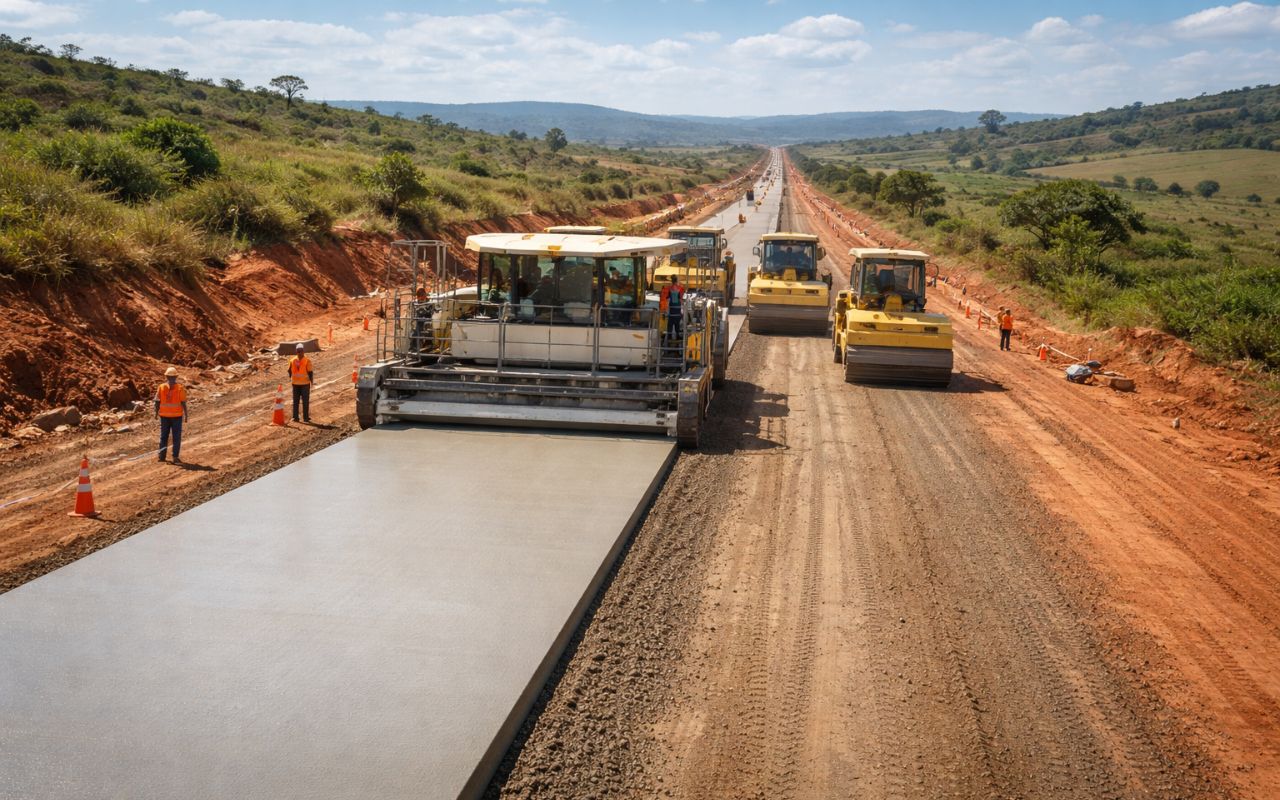
New CCR concrete paving technology promises roads up to 3x more durable, less maintenance, and cost reduction in Brazil.
-
Made from recycled plastic, plastic wood is gaining space in the construction industry because it does not rot, resists moisture, and reduces maintenance costs over the years.

-
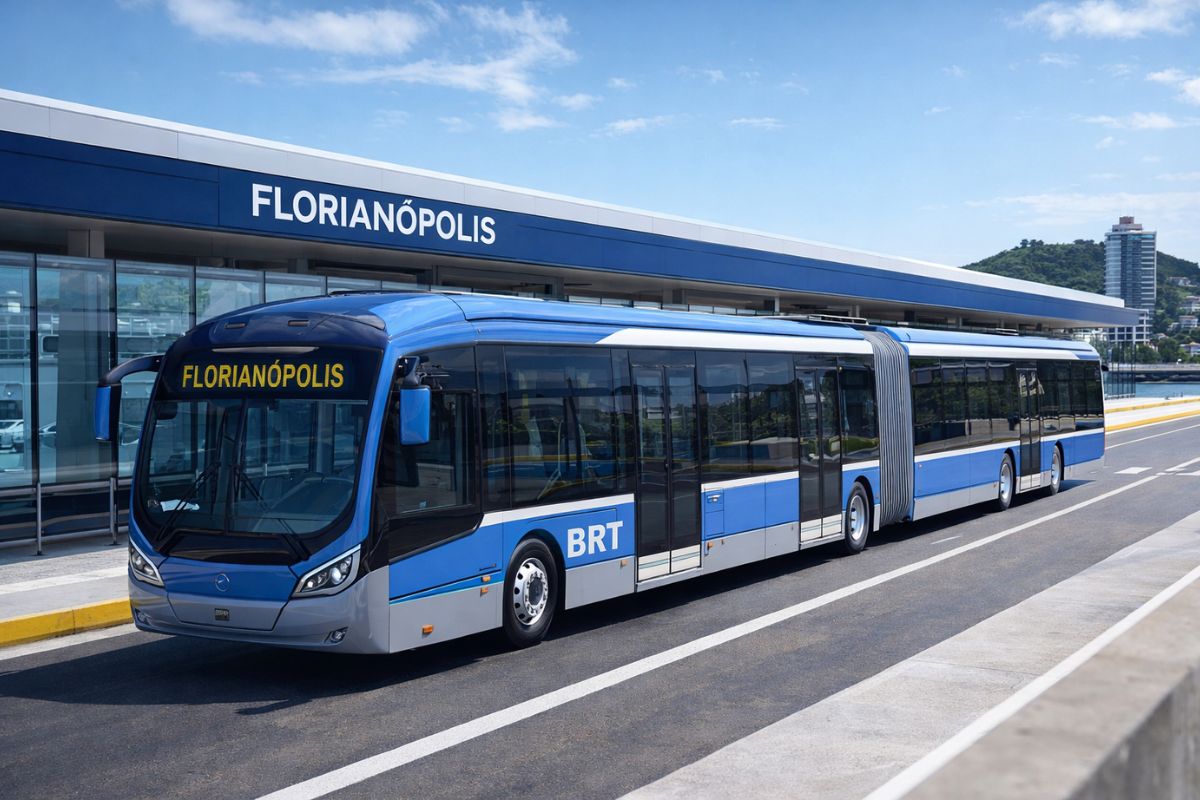
Florianópolis will receive a million-dollar BRT that will begin construction in 2026 with nearly 400 million in funding from the federal government and the Inter-American Development Bank, and the map already shows the routes for the exclusive bus corridors.
-
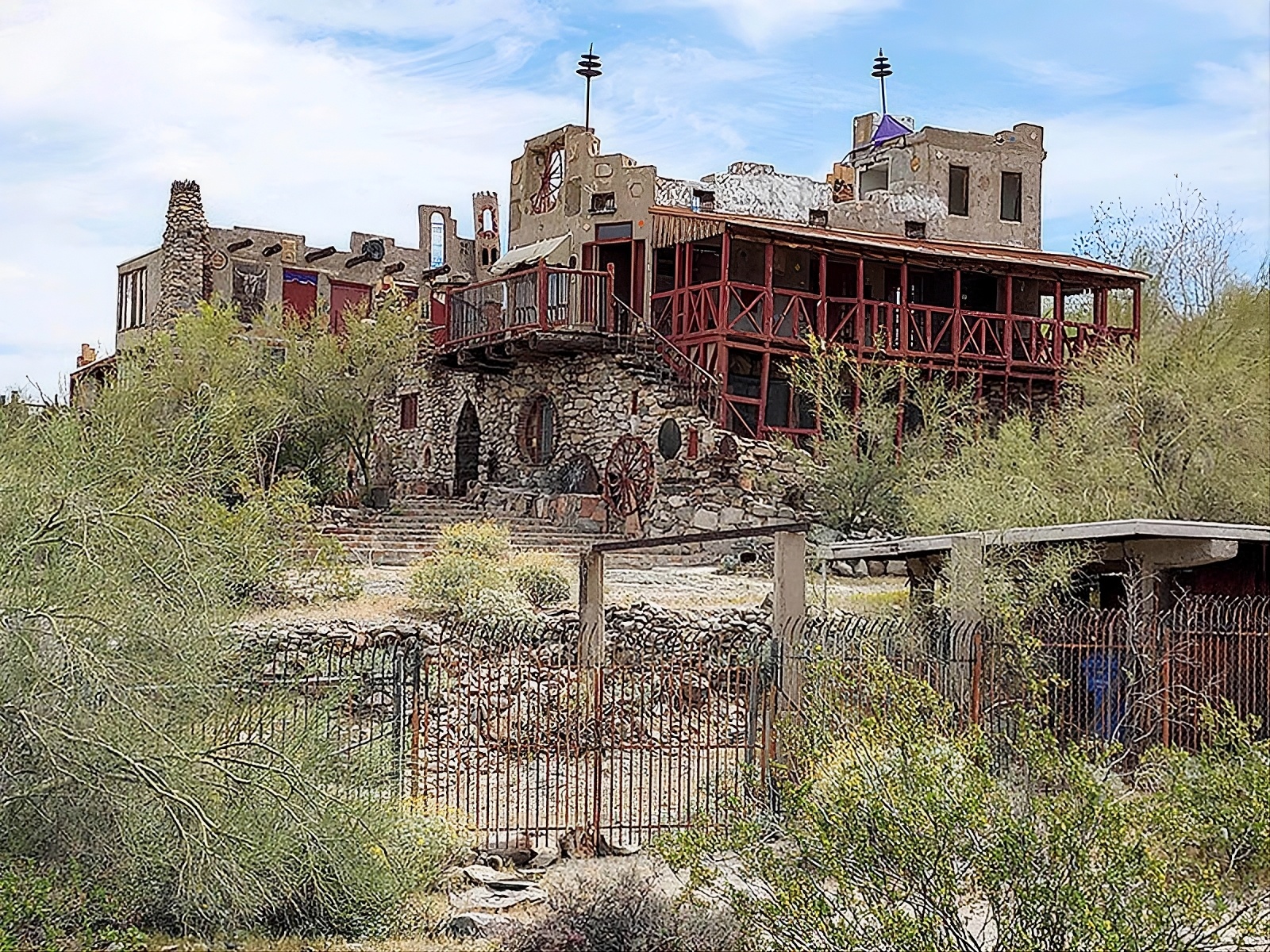
Without a blueprint, without an engineer, and using scrap from the dump, a father spends 15 years building an 18-room castle for his daughter, featuring tram tracks, 13 fireplaces, and over 700 m², which may now be demolished.

The First Underwater Tunnel in Latin America Will Generate Approximately 9,000 Jobs
In addition to the direct benefits for mobility, the first underwater tunnel in Latin America will also bring significant economic impacts to the region. With the construction of the project, approximately 9,000 jobs will be created, both directly and indirectly. This means more opportunities for local workers, as well as a positive impact on trade and industry in the region.
The project is part of the Growth Acceleration Program (PAC), reinforcing Brazil’s commitment to improving its transportation infrastructure. This megainvestment in infrastructure not only modernizes the involved cities but also places the country on the map when it comes to innovation in large constructions.
Unprecedented Technology and Engineering
The construction of the underwater tunnel that will connect Santos to Guarujá involves advanced engineering technologies. Six prefabricated reinforced concrete modules will be used, which will be submerged at a minimum depth of 21 meters. These modules will be constructed in a dry dock and transported by flotation to the project site, where they will be positioned on the bed of the channel.
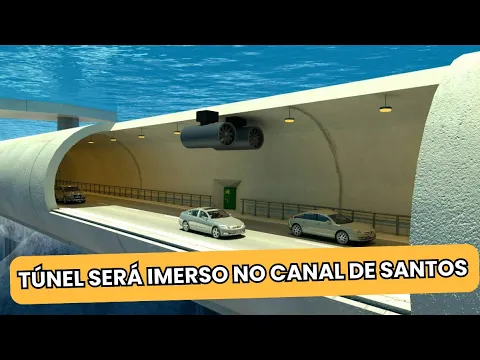

This innovative technique ensures that naval traffic in the Port of Santos is not interrupted during the construction, a crucial aspect for maintaining logistical efficiency in the region. The fitting of the modules will be done precisely and gradually, with constant safety checks to ensure the structural integrity of the tunnel.
Environmental Benefits and Sustainability
One of the most interesting aspects of the underwater tunnel is its positive impact on the environment. The reduction of ferry use, currently the main method of crossing between Santos and Guarujá, will decrease carbon dioxide emissions, helping to preserve the environment. The inclusion of a bike lane and a pedestrian walkway will encourage the use of alternative and sustainable transportation methods.
The project also stands out for integrating an exclusive lane for the VLT, providing an efficient and ecological public transport option for residents and tourists visiting the region.
A Megainvestment of Approximately R$ 5.8 Billion
The total cost of constructing the underwater tunnel will be approximately R$ 5.8 billion, with the megainvestment being equally divided between the federal government and the state of São Paulo. To ensure the economic viability of the project, a toll of R$ 12.30 is planned, equivalent to the current ferry fare. However, the use of the tunnel will be free for pedestrians, encouraging sustainable commuting.
With construction scheduled to begin in the second half of 2024 and completion in 2027, the underwater tunnel connecting Santos to Guarujá will become a symbol of innovation, progress, and sustainability for Brazil.
Underwater Tunnel Highlights Brazil on the International Stage of Major Engineering Works
The first underwater tunnel in Latin America is more than an infrastructure project. It represents a leap in how Brazil deals with its mobility and transportation challenges. The connection between Santos and Guarujá will bring immediate benefits to the residents and tourists of the region, but it will also serve as an example of how large investments can transform cities and economies.
With the job opportunities generated, the positive impact on the logistics of the Port of Santos, and the improvement in traffic conditions, the project will play a crucial role in regional development. Furthermore, the tunnel places Brazil in the spotlight on the international stage of major engineering projects, demonstrating that the country is ready to face complex challenges and deliver innovative solutions.







Seja o primeiro a reagir!