





 Portuguese
  English
  Spanish
 4 min of reading
  151 comments




City Reopens Discussion About Charging and Divides Pilgrims, Residents and Merchants
The City Hall of Aparecida resumed in November 2024 the proposal to establish a Vehicle Entry Fee for tourists, thus reigniting a debate that started in October 2024. The first version of the project had been withdrawn from the City Council agenda due to local resistance. The measure returned to the Legislative because Mayor Zé Louquinho (PL) submitted a new text. Therefore, the city returned to a dispute between revenue generation and fear of a decline in the flow of pilgrims.
Technical Project Reveals Environmental Objective of the Charge
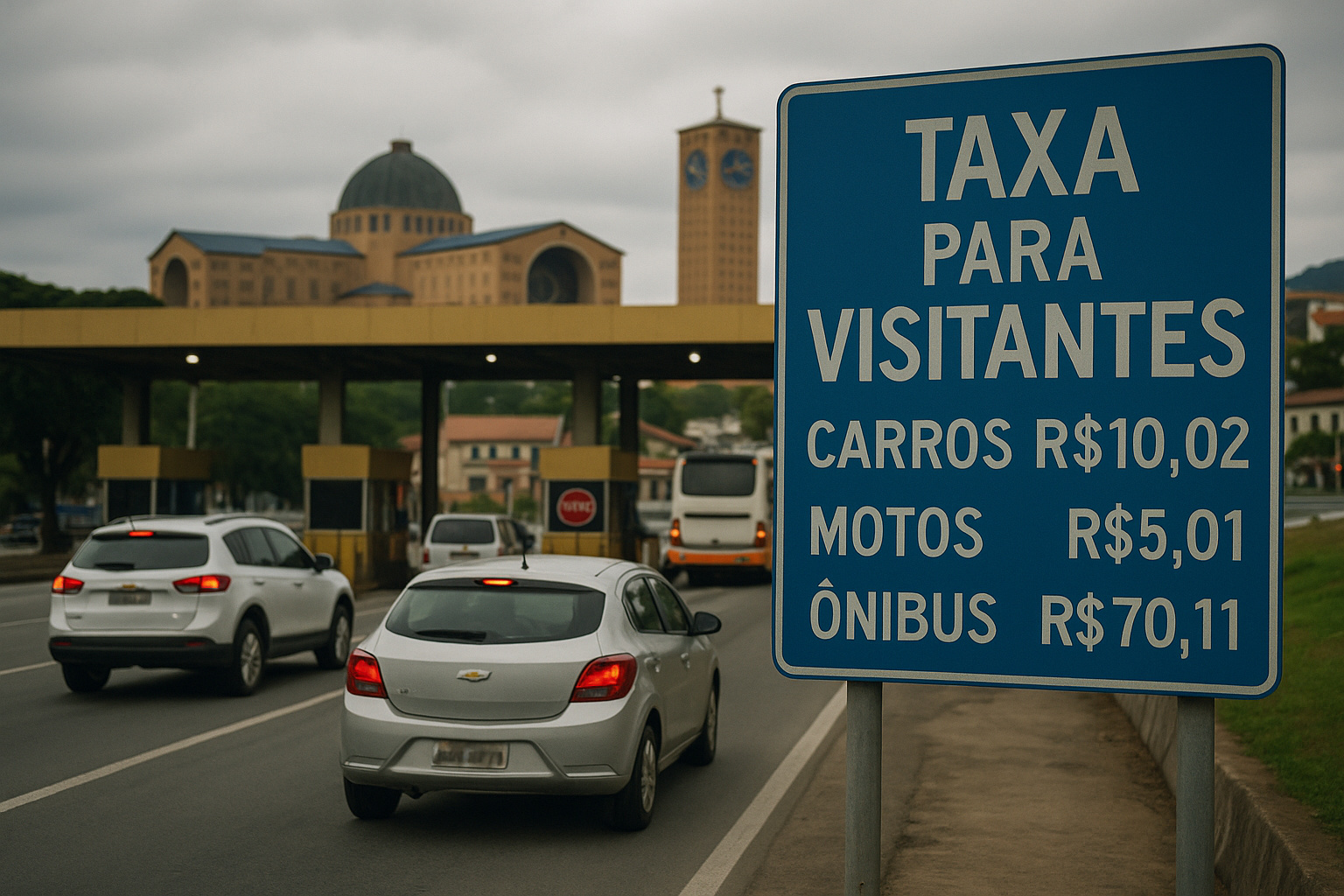
The project establishes a daily charge based on the Municipal Fiscal Unit (UFM). Thus, it defines specific amounts for cars, motorcycles, and tour buses. The City Hall claims that the justification is environmental since the large influx of visitors puts pressure on urban infrastructure. This movement also produces significant environmental impact. The municipal administration explains that the revenue would be directed to the Municipal Environmental Fund, created in 2024 to finance mitigation and preservation actions. The text provides exemptions for vehicles registered in Aparecida, Guaratinguetá, Potim, and Roseira. Therefore, local residents, active workers in the city, and official vehicles would not pay the fee.
Economic and Social Impacts of the Proposed Fee
The amounts defined in the project were officially recorded in 2024. They include R$ 10.02 for cars, R$ 5.01 for motorcycles, and R$ 70.11 for buses, and follow the annual update of the UFM. The reaction of the population remains divided. Many residents advocate the charge as a way to increase municipal revenue. Additionally, they claim that the funds can finance necessary environmental actions. However, merchants say that the additional cost could reduce the arrival of pilgrims. This tourist movement is responsible for a significant part of the local economy. The concern increases especially in October, a traditional month for large pilgrimages, according to municipal administration records.
-
Drought may be creating stronger superbugs in the soil and helping antibiotic resistance reach hospitals, warns a study highlighting a problem that could grow alongside extreme weather.

-
The biggest scam in history: Napoleon’s France deceived the United States by selling them a territory that was Spanish.

-
Why is the Danakil Desert so dangerous? It has unstable terrain and how extreme temperatures and toxic gases turn the region into one of the most hostile environments on Earth.

-
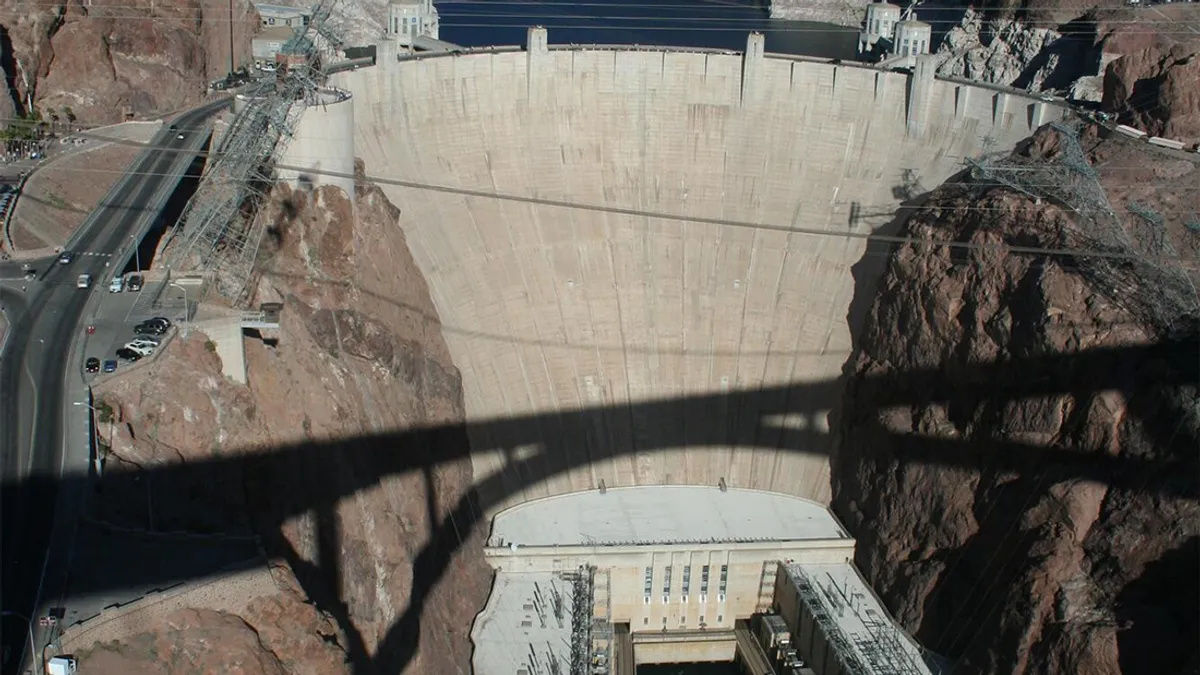
With a height of 221 meters and a capacity for trillions of liters, Hoover Dam still holds a trick that makes water defy logic.

Political Pressure Causes Tension in the Municipality
The measure reignited tensions because the Chamber needs to vote on the project still in 2024. Thus, it faces direct pressure from merchants and local entities. The proposal had been postponed in October 2024 due to strong resistance. Even so, it returned to legislative debate with technical adjustments and reinforced environmental justification. The City Hall emphasizes that the charge seeks alignment with practices adopted in tourist municipalities such as Ubatuba (SP) and Bombinhas (SC). However, Aparecida presents a distinct urban and religious profile. This contrast creates caution among councilors, who fear negative effects on religious tourism.
Management’s Planning for Future Regulation
The municipal administration states that the regulation of the fee must follow strict environmental and fiscal parameters. Therefore, approval depends on the final decision of the Legislative. The creation of the Municipal Environmental Fund indicates the intention to apply all resources directly to preservation actions. This effort includes compensation for the impacts caused by the large volume of vehicles arriving daily. The administration maintains that the charge is necessary to balance tourist flow, environmental conservation, and urban infrastructure capacity. This balance is especially important because the traffic of pilgrims increases on specific dates. This increase puts pressure on public services.
The Proposal in an Expanded Context
The initiative follows a trend observed in tourist municipalities that adopt preservation charges. Therefore, it seeks to compensate for urban impacts generated by constant visitation. Coastal cities like Ubatuba and Bombinhas use the Environmental Preservation Fee (TPA). Still, Aparecida presents different characteristics. The city depends on urban religious tourism, not beach tourism. This contrast explains part of the political and economic debate surrounding the proposal. The discussion includes concerns about revenue generation, environmental impact, and effects on religious tourism, which remains essential for the local economy.
What Does the Future Hold for Aparecida?
The approval of the fee may transform the municipality’s environmental management. However, it will depend on efficient governance, transparency, and balance between revenue generation and tourist flow. The pressure from merchants and the concerns of pilgrims show that the challenge involves economic, social, and environmental aspects.
What do you believe should be a priority for Aparecida: ensuring immediate environmental financing or protecting visitor flow to avoid impacts on the local economy?








Um verdadeiro absurdo, só que entender desde quando os políticos do Partido de Lúcifer se preocupam com o meio ambiente 🤔🤔🤔
Em Aparecida do Monte Alto no interior de São Paulo tem o Santuário Nossa Senhora da Conceição Montesina.
Merece atenção de todos. É muito bonito lá.
É conhecida como Mini Basílica, réplica da de Aparecida.
Vamos direcionar a fé pra lá gente…
É só o povo não ir,procura outros lugares,tem muitas paróquias de Nossa Senhora Aparecida espalhadas por aí, vai gostar de dinheiro, nunca vi