





 Portuguese
  English
  Spanish
  5 min of reading
  3 comments


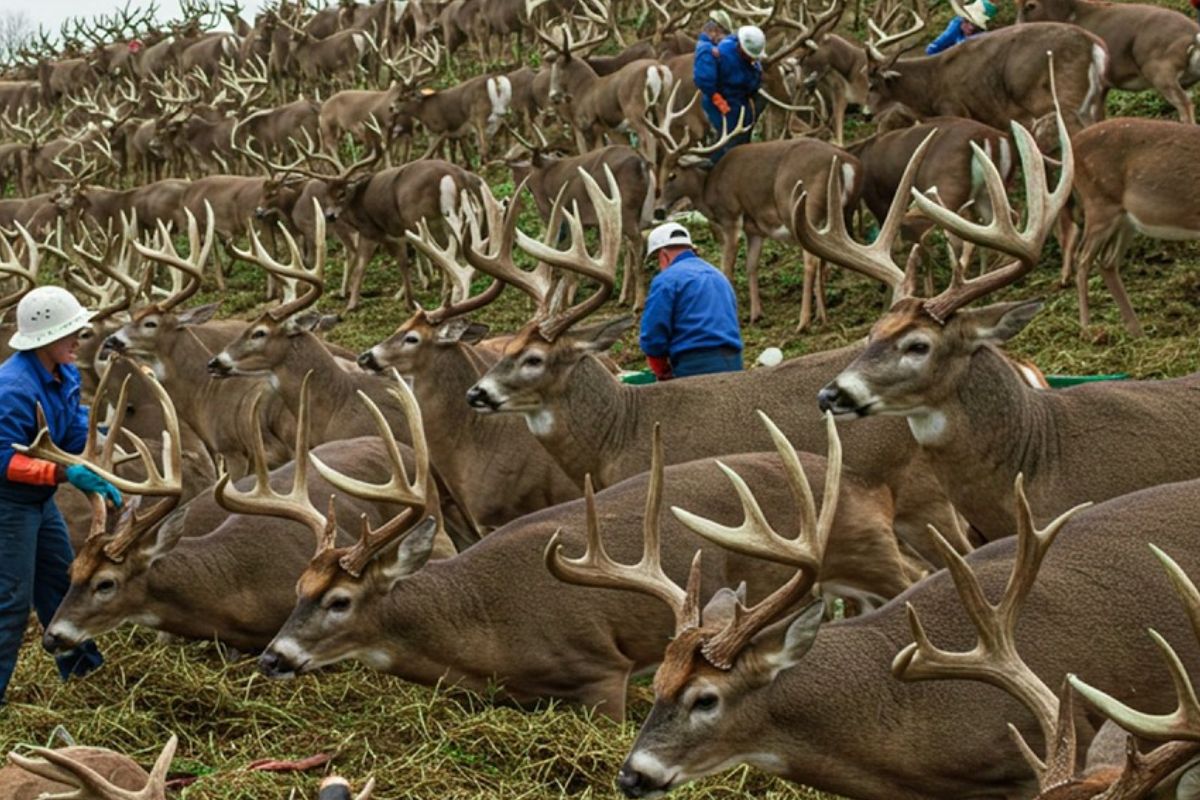


In The Shadow Of Deer Velvet Factories, Strict Harvests Of Antlers And Meat Find Closed Laboratories, While Free-Range Poultry Farms Combine Automated Egg Selection, Challenging Biosecurity, And Intensive Processing To Transform Live Animals Into Expensive And Sought-After Products In The Highly Segmented Global Specialized Market
The routine behind the deer velvet factories starts long before the production line. On farms designed to cater to traditional medicine and the gourmet meat market, every detail matters: from the straw rolled into bales, used as fiber in the diet, to the management structures that immobilize the animal at the exact moment of antler harvest. Nothing there is improvised. Everything is planned to extract the maximum value from a resource treated like biological gold.
In parallel, a second production system grows on the same business map: farms specializing in free-range chickens that bet on outdoor breeding, controlled incubation, and automated egg sorting and washing equipment. The same industrial logic that organizes the deer velvet factories is repeated here on another scale. Heavy technology, rigid routines, and total utilization of raw materials define a chain that transforms birds into meat, eggs, and uniform standard by-products.
Inside The Deer Velvet Factories

At the heart of the deer velvet factories, the primary objective is not the skin or leather, and often not even the meat.
-
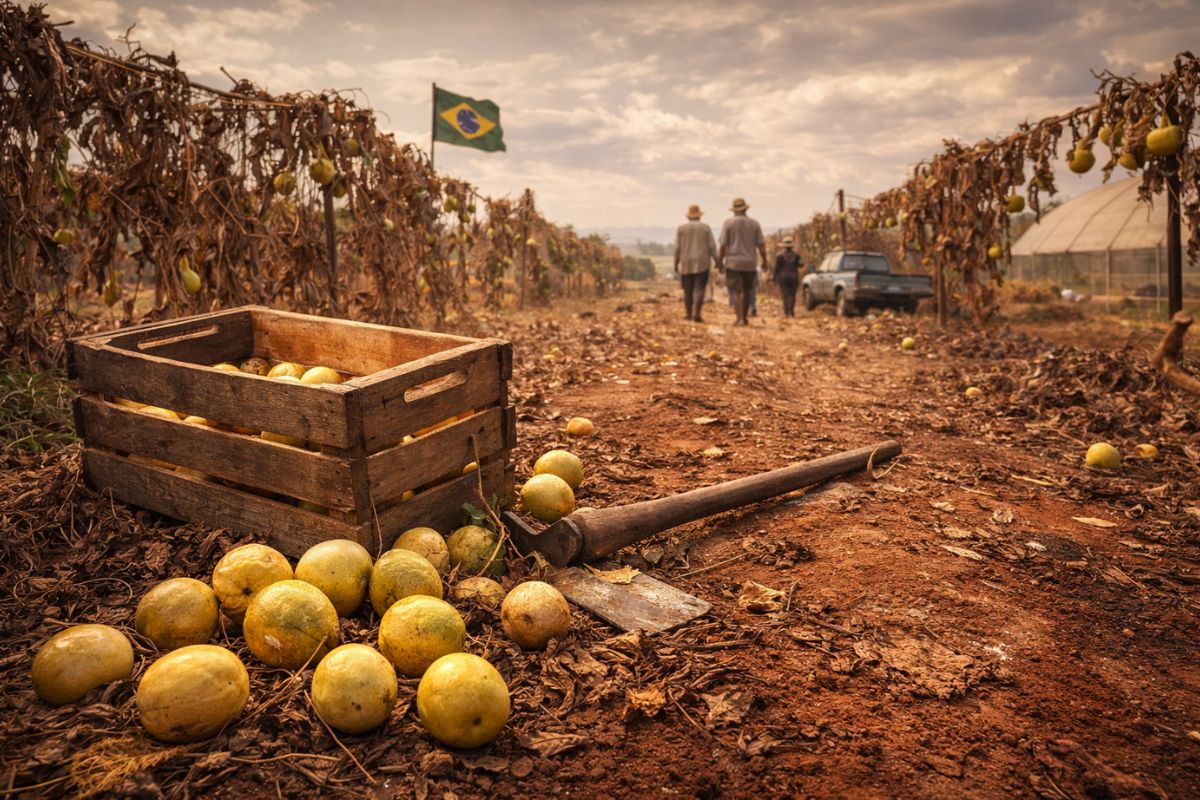
From 130 producers in the year 2000 to just 15 today: the dramatic decline of passion fruit in Araguari shows how the lack of labor in the Brazilian countryside is killing a decades-old agricultural tradition, even with Brazil being the largest producer in the world.
-
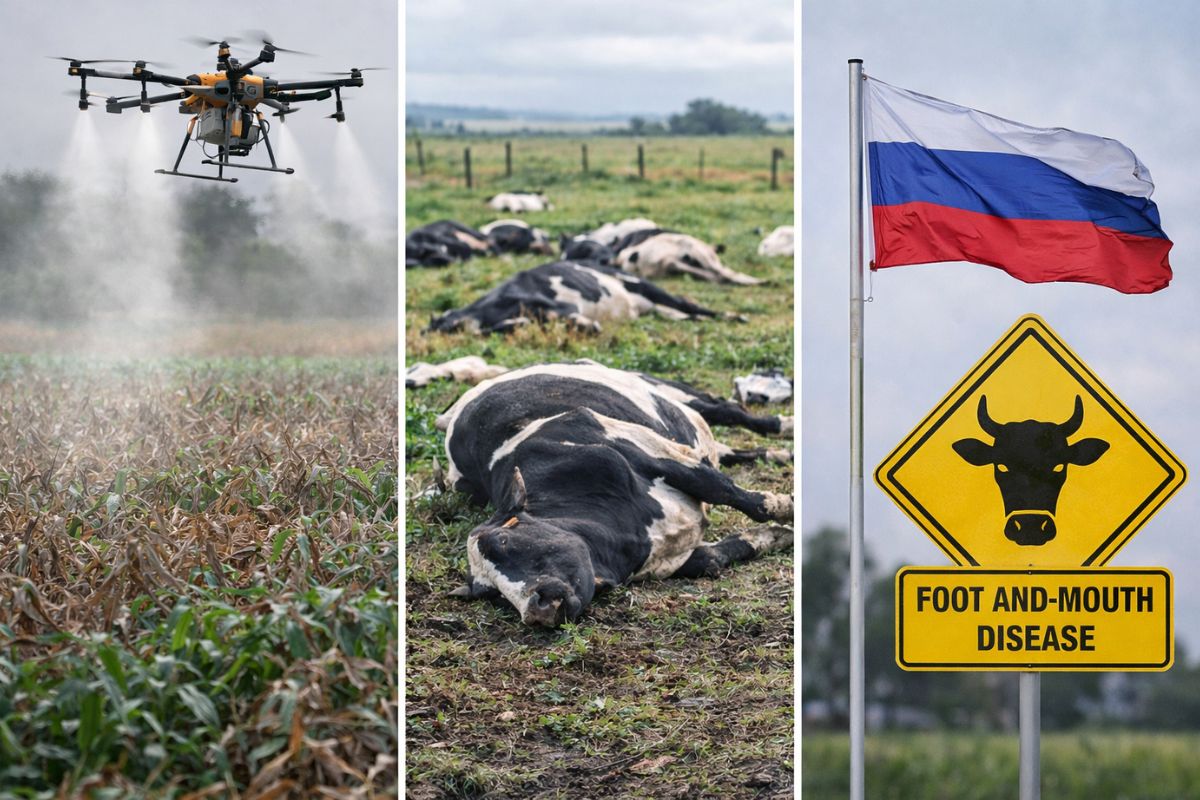
Agricultural drone sprayed poison into the air and destroyed the neighbor’s crops, causing 1 million in damages; 48 cows died from nitrite poisoning in the pasture, and Russia is hiding a possible outbreak of foot-and-mouth disease: the week was brutal for the rural sector.
-
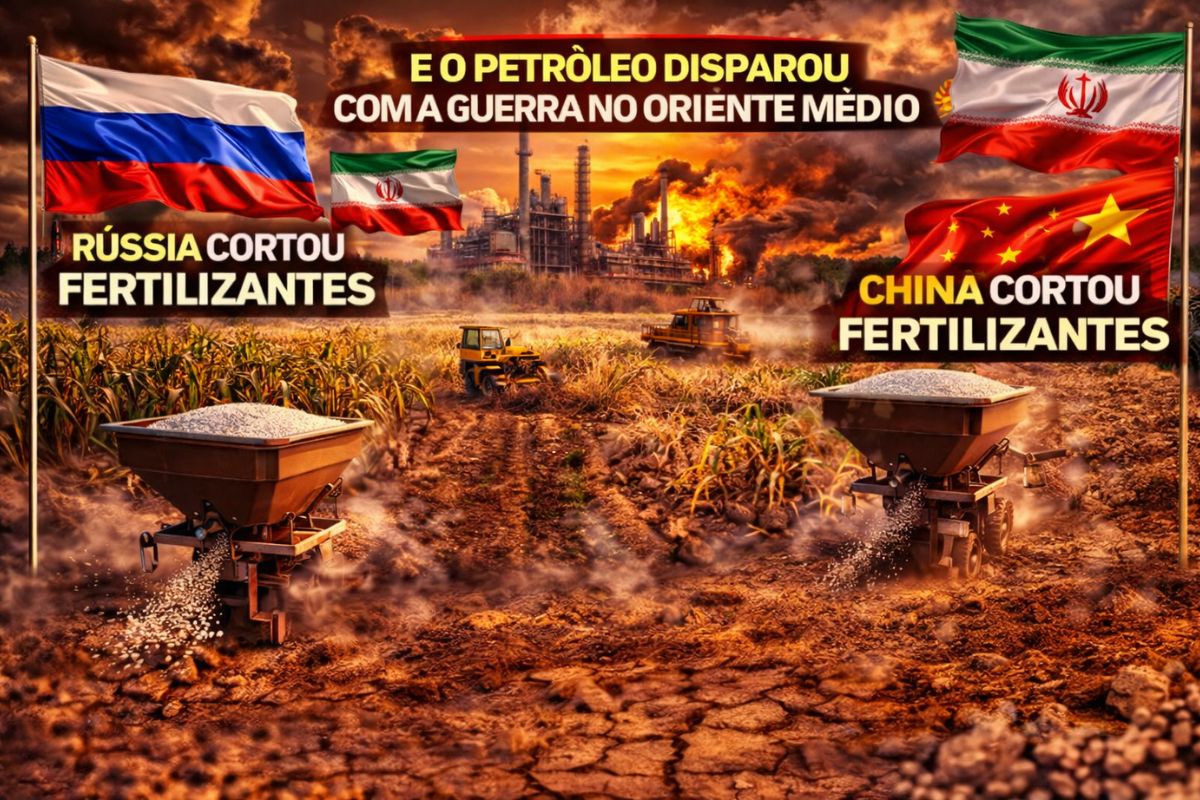
Russia cut fertilizers, China cut fertilizers, and oil prices soared with the war in the Middle East: sugarcane producers in the interior of São Paulo are seeing costs explode from all sides and warn that the effects will take months to be absorbed.
-
It does not come from flowers, is produced only every two years, and more than 90% goes straight to Europe: meet the bracatinga honeydew honey from Santa Catarina, considered one of the rarest in the world and overlooked by Brazil itself.

The focus is on the velvety antlers, treated as a strategic input for oriental medicine.
The herds are fed with carefully rolled wheat straw in bales and distributed in troughs, ensuring fiber intake and supporting digestion in planned confinement systems.
When harvest time arrives, adult deer are led from pasture areas to specialized pens.
These pens are narrow enough to keep the animal still, reducing sudden movements and panic reactions during handling.
The physical design of the space is a silent technology, created to standardize the procedure and reduce risks for the animal, workers, and the integrity of the velvet that will be removed.
From Raw Antler To Industrial Powder

After removal, the antlers go through a drying and stabilization cycle.
Only then do they enter the more industrial phase of the deer velvet factories, where they are fed into milling systems that grind the material into fine, homogeneous powder.
This powder can be used directly or serves as a base for tablets, capsules, liquid extracts, and lab-formulated tonics.
Some of the production is destined for preparations such as the so-called medicinal wine, where alcohol acts as a vehicle and velvet provides the biological concentrate.
In another segment, applications for velvet baths emerge, offered as well-being and beauty therapies in specific markets.
The same antler that started as bone structure in the animal ends up as standardized input, packaged and labeled, ready to circulate in high-value-added channels.
Venison As The Second Revenue Axis
Although velvet is the most symbolic product, the deer velvet factories also rely on meat as an important revenue axis.
Slaughter occurs under strict hygiene and quality control, with organized lines to reduce contamination and standardize cuts.
The deer carcass is processed in sequence: bleeding, skin removal, opening, removal of internal organs, and separation of noble parts for the gourmet market.
The combination of antler and meat allows for maximum utilization of each animal.
Higher valued cuts go to restaurants or niche consumers, while lesser noble parts can be directed to processed foods and industrial products.
The logic is of total utilization of the chain, where almost everything is transformed into commodity, from the tip of the antler to the final cuts of the carcass.
Free-Range Chicken With Heavy Industry Logic
On the other side of the system, the focus shifts from deer to free-range chicken farms.
Unlike the classic images of overcrowded sheds, these operations work with outdoor breeding, designed shelters, and access to outdoor areas where birds seek insects, young grasses, and seeds.
The promise is for meat with a more intense flavor and eggs with a differentiated profile, but supported by a highly technical structure.
Even with the rural appearance, the model is driven by numbers.
Millions of eggs are produced every year, feeding both the incubation flow and the direct consumption market.
Freedom of movement comes with biosecurity challenges, as contact with wild birds and rodents increases the risk of pathogens.
Therefore, control, cleaning, and sanitary monitoring protocols are a central part of this type of farm, as much as the green pastures seen outside.
Selection, Incubation, And Processing Of Free-Range Chicken
In the egg stage, the industrial logic appears clearly. Fertilized eggs, visually intact, are taken to automatic sorting lines.
Vacuum suction systems lift each unit and position the eggs in the incubation trays with precision.
Machines replace repetitive manual handling, maintaining standards, reducing breakage, and ensuring that each tray arrives at the incubators in similar conditions.
After hatching, the chick selection by sex follows, done by analyzing the genitalia or wing feathers.
Males and females are separated into distinct groups and transferred to ventilated environments, with controlled temperature and light suitable for initial development.
Later, the birds destined for meat enter the flow of industrial slaughter: they are hung on automatic hooks, go through tanks of hot water to facilitate feather removal, and pass through equipment that performs cuts and evisceration with calibrated blades.
The final stage includes washing, inspection, and classification of carcasses for different markets.
Meanwhile, eggs from free-range hens, non-fertilized, supply a product portfolio that ranges from boiled and fried eggs to industrial preparations like pastries or confectionery items.
From the open farm to the finished product, every movement is designed to reconcile nutrition, standardization, and economic yield.
Tradition, Technology, And Pressure For Value
When observing together the deer velvet factories and the industrial free-range chicken farms, it becomes evident that the boundary between tradition and technology is increasingly tenuous.
In the case of deer, practices related to oriental medicine articulate with mills, extractors, and bottling lines, converting an antler into millimeter capsules.
In the case of birds, the image of chickens roaming in the field coexists with washing machines, automated egg sorting, and closed-system slaughter tunnels.
The result is a model in which distinct chains share the same logic: rigid control of the production cycle, maximum standardization, and transformation of each stage into a high-value product.
Between the narrow pen of the deer, the bridge between farm and laboratory, and the open areas for birds surrounded by biosecurity protocols, what is seen is the same objective, repeated on an industrial scale.
In light of this reality, do you think consumers should know more about what happens inside these production structures, or is trust in sanitary regulations and labels enough for you to feel safe consuming these products?





Até quando vão continuar matando os animais como se eles fossem seres sem percepção e sentimentos, muito mais fo que esse v3rmes que matam eles pra enriquecer. Tá bom de fazer casaco de pele com o coro dessas pessoas. E ainda posta foto segurando os chifres dis animais. Ridículo.
E verdade, que amadorismo, sem informação.
Putz a onde é isto,que amadorismo,continuam à não dizer o lugar ! Tá louco !