





 Portuguese
  English
  Spanish
  4 min of reading
  6 comments


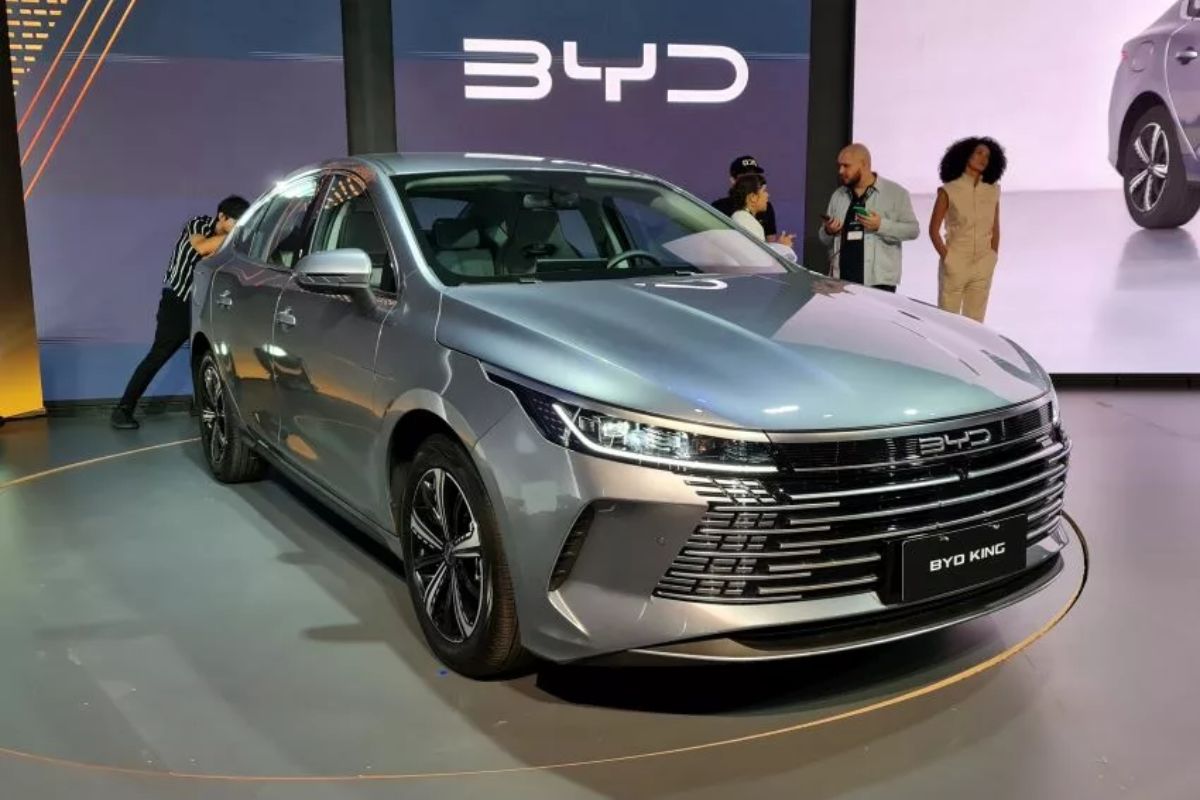


The New BYD Plug-In Hybrid Sedan Officially Arrives in Brazil to Challenge the Long Hegemony of the Toyota Corolla, Betting on Technology, Massive Range, and an Aggressive Price; We Analyze Whether the Newcomer Is Worth It.
The absolute reign of the Toyota Corolla in the Brazilian mid-size sedan market has never been so threatened. BYD officially launches in Brazil its newest and strategic product, the BYD King, a plug-in hybrid sedan that arrives with impressive numbers and a price positioned to compete directly with the hybrid versions of the Japanese rival. The promise is bold: to deliver more technology, much more range, and drastically lower fuel consumption for a similar or even lower price.
But beyond the technical specifications, the question that remains for the consumer is practical. Is it worth betting on the new Chinese contender instead of the established and reliable Corolla? We analyze the details of the launch, the usage costs, and the technology of the BYD hybrid car to answer the question that dominates conversations about the national automotive market.
The Aggressive Strategy of the BYD King
The BYD King lands in Brazil in two versions, both with the same mechanical setup but with different batteries and equipment:
-
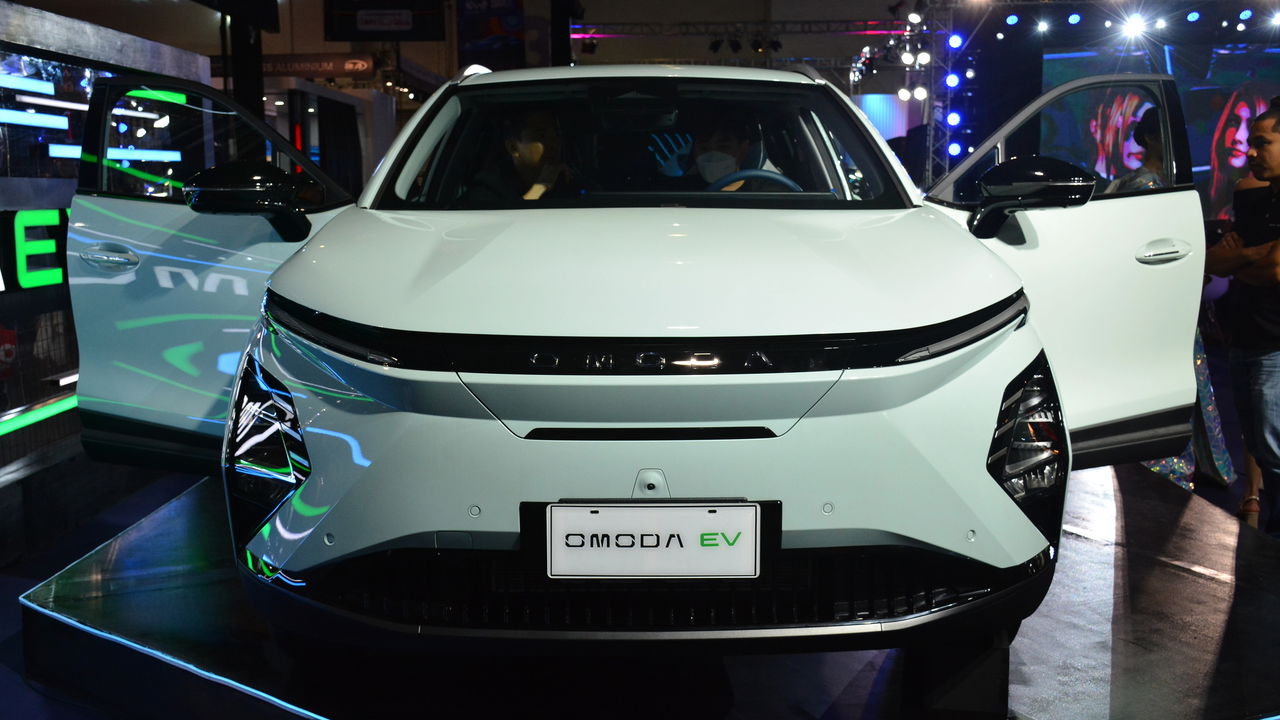
While the industry rushes towards automation, Omoda & Jaecoo bets on technology with a human touch and reveals its global mobility plan for 2026.
-
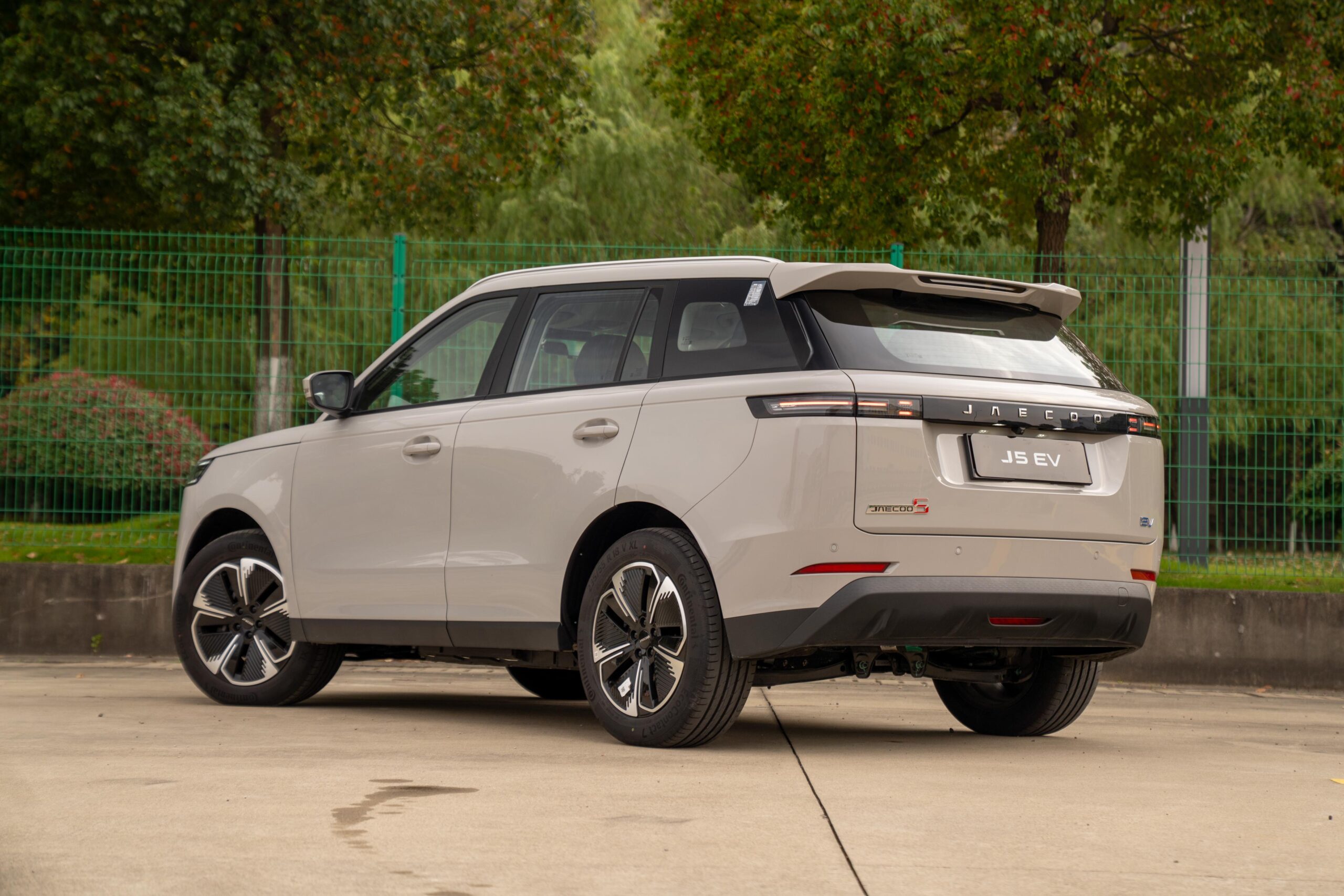
In just 1 year, JAECOO surpasses 7,000 units of the J5 EV delivered in Indonesia and consolidates trust in the Asian market.
-
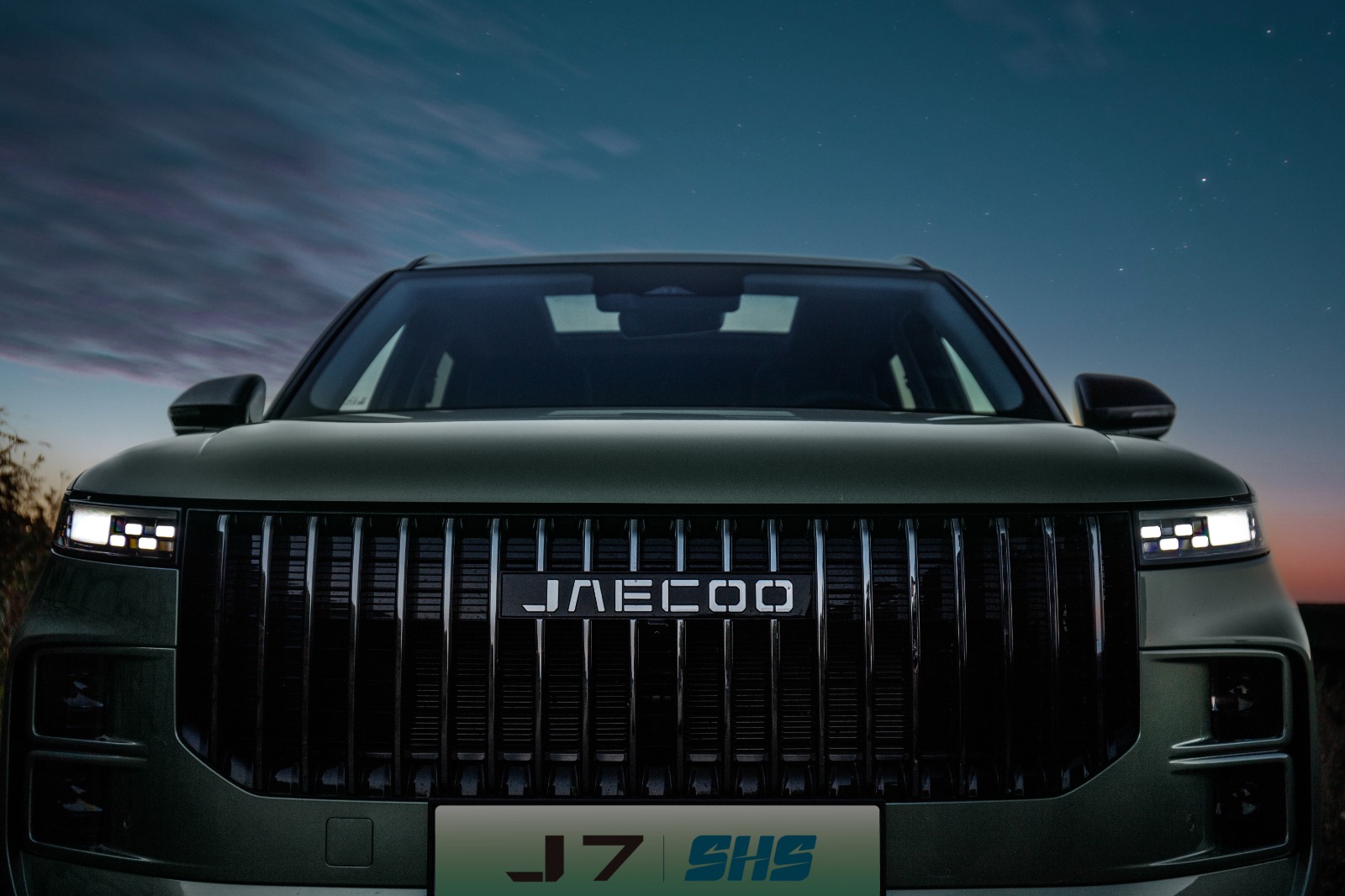
With awards in various countries, the Jaecoo 7 is establishing itself globally and accelerating the expansion of Omoda & Jaecoo in the hybrid SUV market.
-
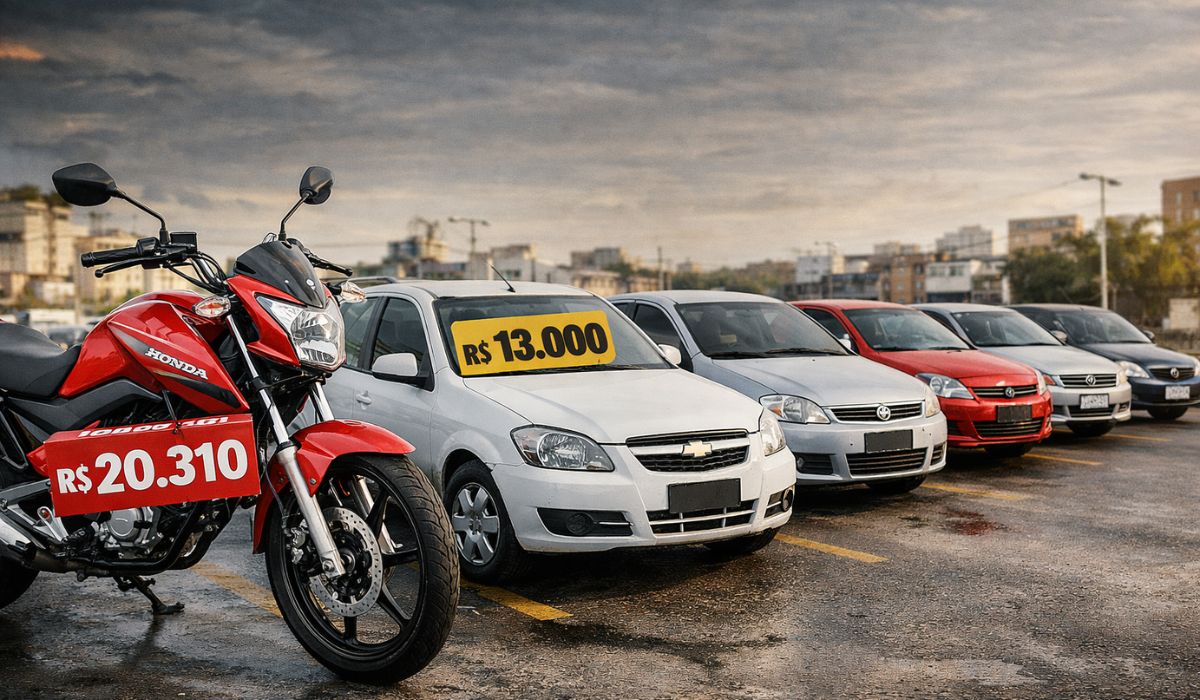
5 cheapest used cars than a Honda CG 160 Titan 0 km, with options starting at R$ 13,000 for those who want to trade their motorcycle for a car and escape the rain, sun, and risks of riding.

BYD King GL: with a launch price of R$ 175,800, this entry-level version comes equipped with an 8.3 kWh battery, which guarantees a purely electric range of about 55 km.
BYD King GS: for R$ 181,800, the top-of-the-line version offers a larger battery, at 18.3 kWh, which increases the electric range to approximately 105 km, in addition to adding a sunroof and other comfort features.
Both prices place the Chinese sedan in direct confrontation with the Toyota Corolla Altis Hybrid, which starts at a higher value.
Is the Consumption and Range of 1,200 km Real?
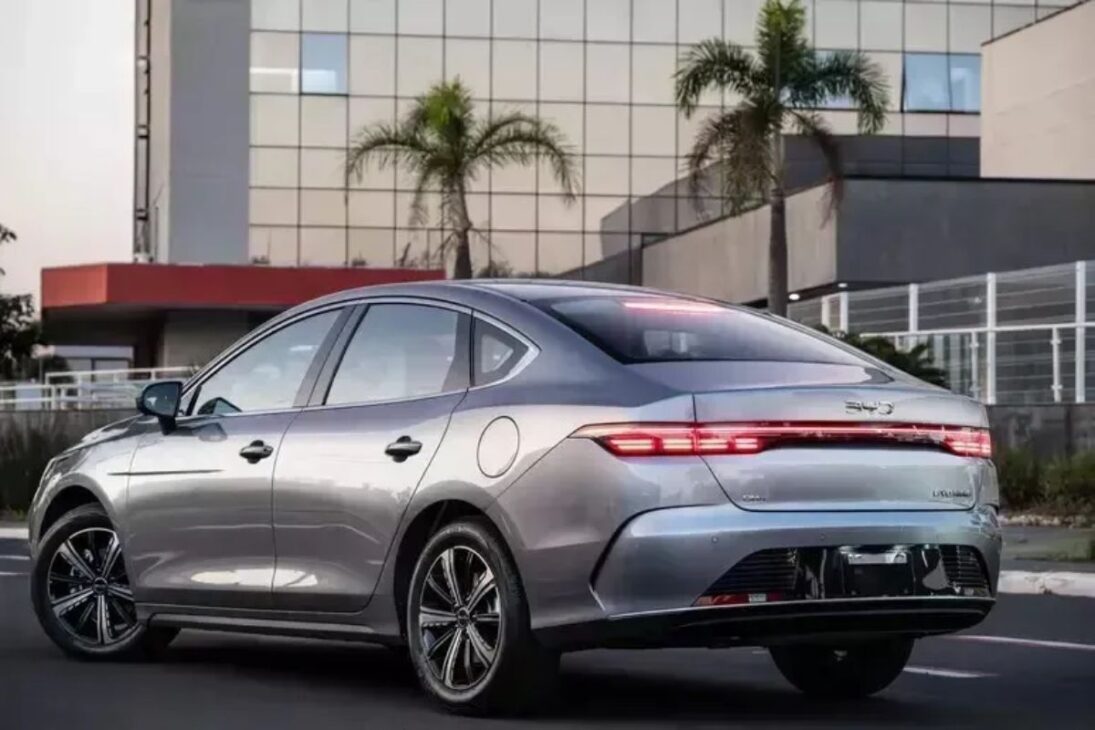
Here lies the main trump card of the BYD King. Its DM-i hybrid system combines a 1.5 gasoline engine with an electric motor. Most of the time, it is the electric motor that powers the car, while the combustion engine acts as a generator to recharge the battery, optimizing fuel consumption.
The fuel consumption of the BYD King, according to official data, is an impressive 28 km/l on average. The combined range, adding the fuel tank and the total charge of the battery, can reach 1,200 kilometers. This means that, theoretically, it is possible to travel from São Paulo to Rio de Janeiro and back without needing to refuel or recharge. The purely electric range (55 km or 105 km, depending on the version) is sufficient for the daily use of most drivers, who can drive the entire week without spending a drop of gasoline.
BYD King vs Corolla: Which Is Worth More?
The BYD King vs Corolla rivalry is at the heart of the matter. While the Hybrid Corolla has the advantage of a reputation for reliability and a wide dealer network, the BYD King strikes with a superior technological proposal.
Technology: the King’s plug-in hybrid system is more advanced, allowing for much more electric driving and being chargeable from a power outlet. The Corolla uses a conventional hybrid system, which cannot be externally charged and has a very limited electric range (about 1-2 km).
Performance: the King is more powerful and faster, with a combined 235 hp, compared to 122 hp of the Corolla.
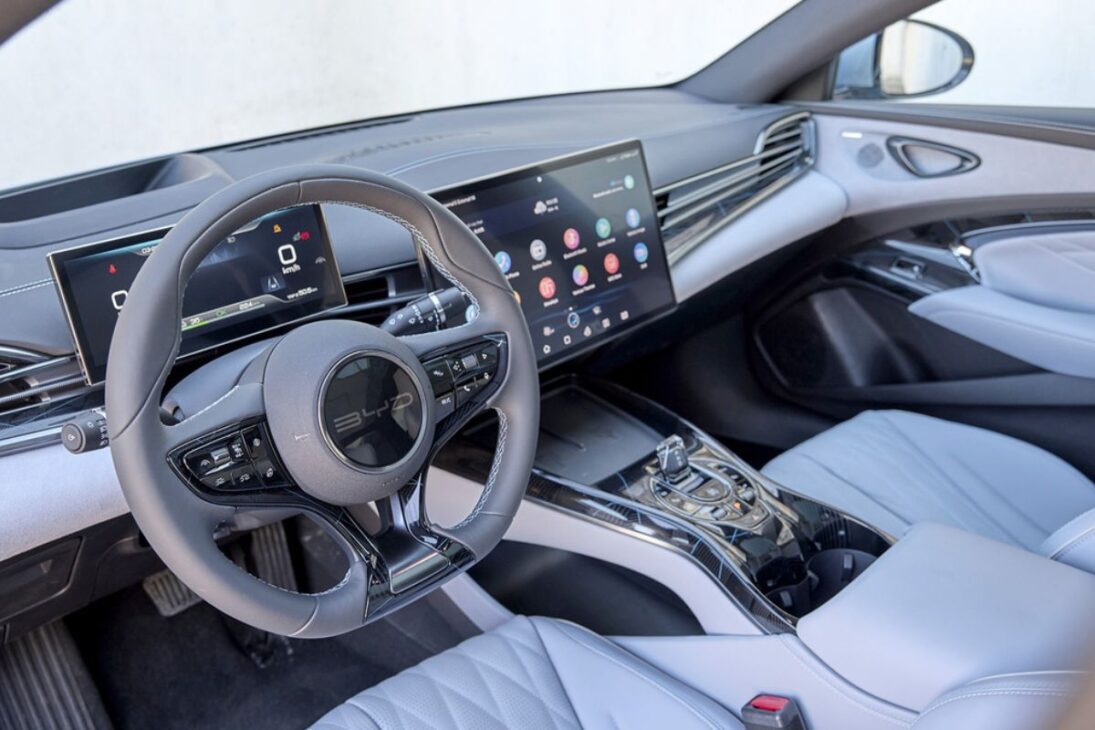
Features: the BYD sedan already comes standard with features such as the large rotating multimedia screen, digital dashboard, and a more comprehensive equipment package than its rival in the same price range.
While the Corolla still holds advantages in perceived robustness and resale value, the value proposition of the King, based on what it delivers in technology and fuel savings, is undeniably more aggressive.
How Much Does It Cost to Charge and What Is the Insurance Value?
Two points are crucial in the purchasing decision. The first is the cost of charging. Considering the average price of kWh in São Paulo at R$ 0.90, filling the battery of the GS version (18.3 kWh) at home would cost less than R$ 17, an insignificant amount for over 100 kilometers of driving.
The second point is insurance. Being a new launch, quotes are still stabilizing, but the first simulations indicate that the insurance for the BYD King will average between 5% and 7% of the car’s value, a level slightly above that of the Toyota Corolla, which benefits from a larger pool of parts and a more established market. It is a cost that consumers need to factor in when comparing the two models.
Do you think the BYD King has what it takes to dethrone the Corolla in Brazil? Does the fuel savings justify the bet on a newer brand? Share your opinion in the comments!









Esses que si falam a favor são todos pagos . Quero ver como vai ser quando derem problemas. Vão se esconder.
Sim, parem de ter pré-conceitos.
Os carros chineses evoluíram, são melhores que Chevrolet, Ford, Vw e Toyota.
Essas empresas fazem de tudo para não perderem vendas para os carros Chineses, mas não evoluem em nada, não modernizam seus carros e só querem nos enfiar calhambeques.
Carros maravilhosos por 10 mil dólares que poem no chinelo o novo Onix 2026, que aliás só maquiagem,e o novo Terá, por exemplo.
👏👏👏
Evoluíram em publicidades. Isso é verdade
Gostaria de entender como se faz o cálculo de autonomia, tenho um Song Pró e nem na cidade nem na estrada chega nessa autonomia de 1200 km
David vc não leu a reportagem? 1200 km e o byd king gs. O seu byd song pro é 800 km. Leia o manual do seu carro. Para vc alcançar os 800 km (na cidade) vc tem que tá com o tanque cheio e a carga cheia. Rodar só no modo híbrido.