





 Portuguese
  English
  Spanish
 3 min of reading
  0 comments


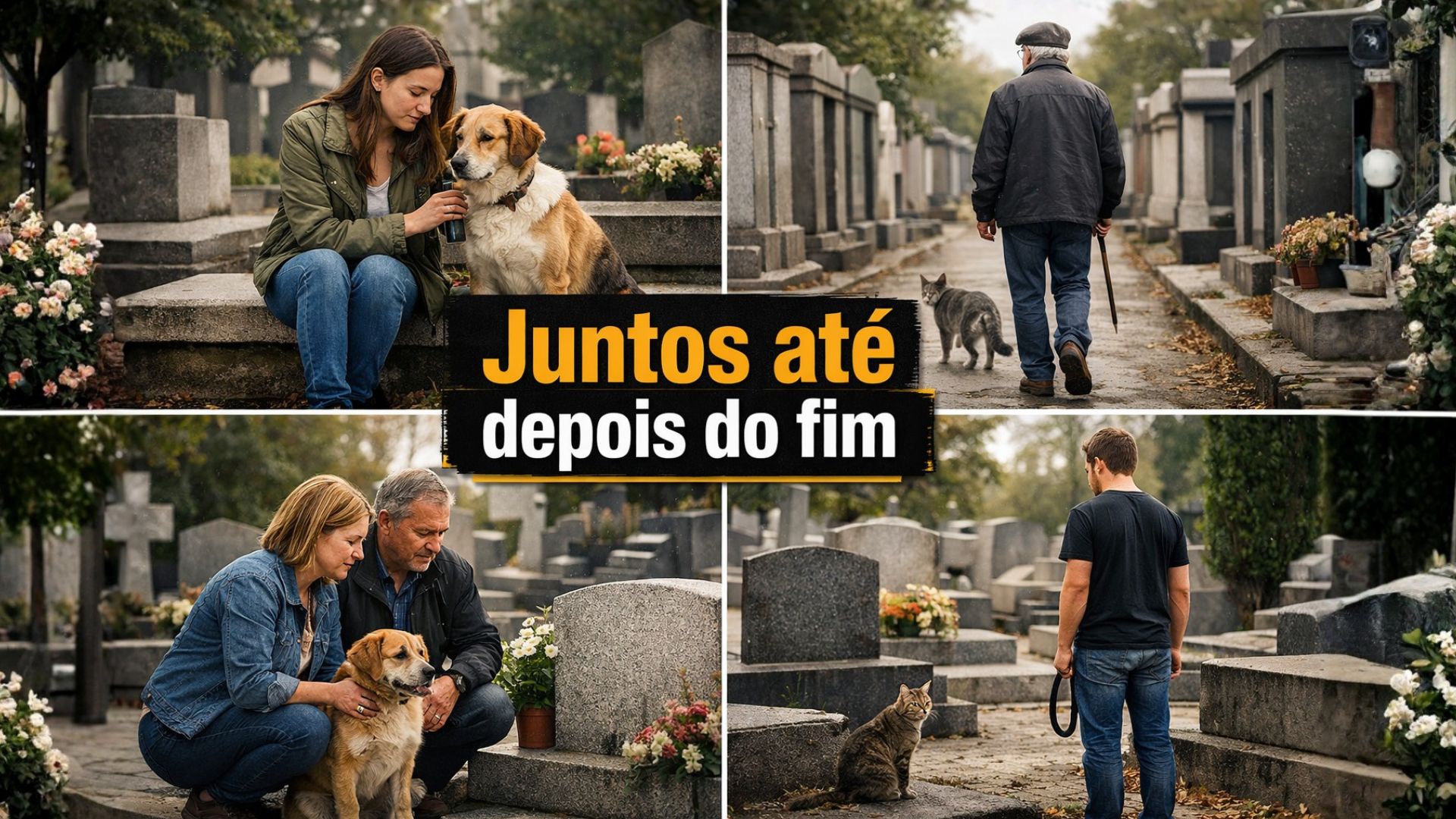
Approved Project in Alesp Allows Burial of Dogs and Cats in Family Graves, Conditions Practice to Sanitary and Environmental Rules and Transfers Costs to Families, While Awaiting Governor’s Decision to Come into Effect in the State of São Paulo.
The Legislative Assembly of São Paulo approved, on December 16, a bill authorizing the burial of dogs and cats in the graves and family tombs of their owners or relatives.
To come into effect, the text still depends on approval from Governor Tarcísio de Freitas.
The proposal determines that the practice must observe sanitary and environmental rules defined by each municipality and allows the application of internal standards by private cemeteries.
-
In France, there is a restaurant that prepares its main dish handmade, prioritizes local agriculture, and has become a culinary trend due to a food that Brazilians love.

-
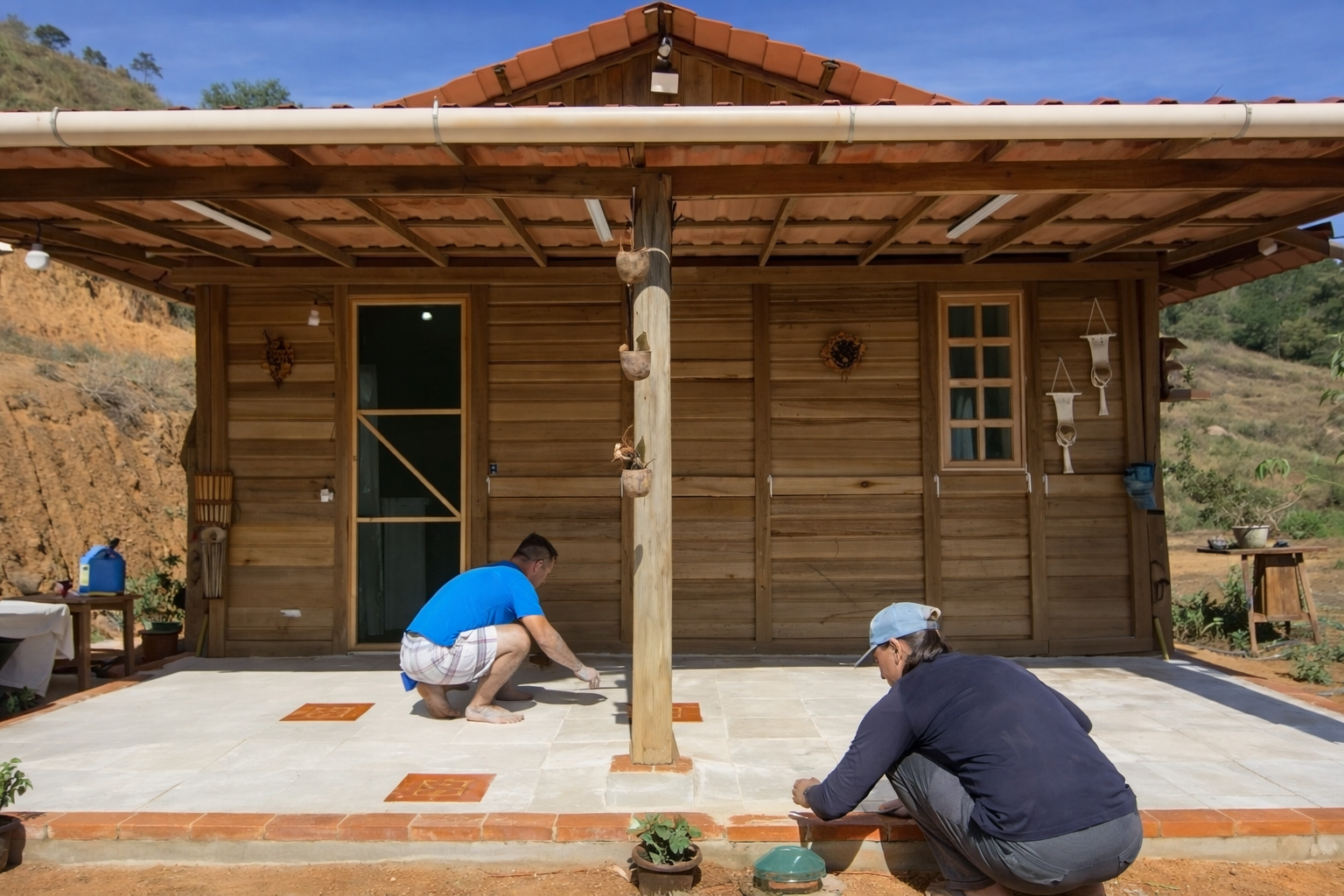
With a lot of talent and creativity, a couple builds a house completely from scratch, using ceramic tiles, a cement base to level the ground, wood for the flooring, ceiling, and entire structure, transforming the construction with slats that fit together and impressing with an impeccable result.
-
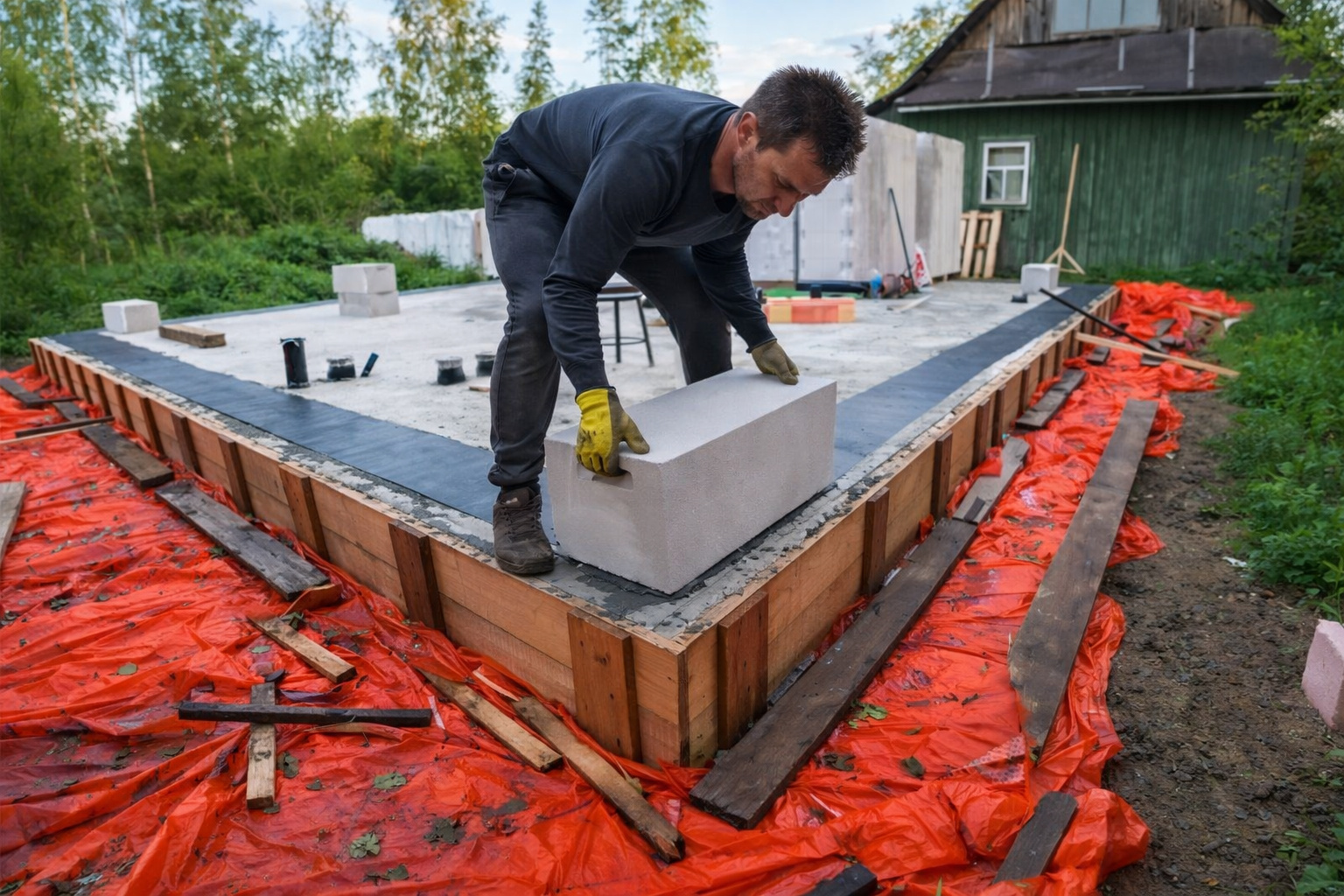
Many said it was impossible, but a man built a house by himself, leveled the ground with soil, used cement blocks with foam to raise the structure, and framed it with wood.
-
He saw a loophole in the 1967 space treaty and claims to have made millions selling lots on the Moon and other planets.

According to the approved content, the costs of the procedure will be the family’s responsibility.
The detailed regulation must be carried out by municipal funeral services.
This means that the authorization establishes the legal framework, while the execution depends on local regulations and the management of each cemetery, within the limits of the legislation.
Authorization for Burial of Animals in Cemeteries in São Paulo
The project is PL 56/2025, presented by Deputy Eduardo Nóbrega, from Podemos.
The authorization has state-wide reach, but does not create a unique procedure for all municipalities.
Each city retains the authority to regulate the provision of funeral services.
In practice, the text allows the remains of dogs and cats to be buried in family plots and tombs, provided that the allocation of space belongs to the family.
The authorization is conditioned on compliance with sanitary and environmental standards and the regulation of responsible funeral services in each locality.
This point is relevant because cemeteries in the state operate under different management regimes.
There are public units managed by municipalities, and private cemeteries that operate with internal rules and their own services.
The project stipulates that these private establishments may establish specific rules, as long as they are compatible with the legislation and health and environmental requirements.
Bond Between Owners and Pets Cited in the Justification of the Project
In the justification presented during the processing, the author states that the proposal recognizes the bond between owners and pets and offers an alternative for burial.
In statements released by news outlets, Eduardo Nóbrega associated the initiative with the demand from families seeking ways to say goodbye to their pets.
The topic also gained visibility after the story of a dog that began visiting a cemetery while accompanying burials for several years.
According to reports, the animal was said to have been buried in the same location as its owner.
As a result of this episode, the project has been informally referred to as “Project Bob The Gravedigger”, a name mentioned in news articles.
Nevertheless, the approval does not imply automatic acceptance of the procedure by all cemeteries.
The text conditions implementation to municipal regulation and the rules of each administration, especially in the case of private establishments.
Costs of Burial and Responsibility of Families
One of the central points of the proposal is the definition that the costs of burial will be borne by the family.
This includes procedure costs and any operational requirements that may be established by municipalities or cemeteries.
These requirements must always observe sanitary and environmental standards.
It is up to municipalities to detail how the burial of animals in family graves may occur.
It will also be the local responsibility to define which documents will be required and what technical conditions must be observed.
The funeral administration, which is usually municipal, will be responsible for establishing these parameters and monitoring compliance with the rules.
At the same time, the possibility of specific rules for private cemeteries preserves the autonomy of these establishments.
This autonomy is valid as long as current legislation is respected.
Thus, procedures may vary between cities and cemeteries, even under the same state law, according to local regulations.




-

Uma pessoa reagiu a isso.